Transforming Early Parenthood with the Right Lounger
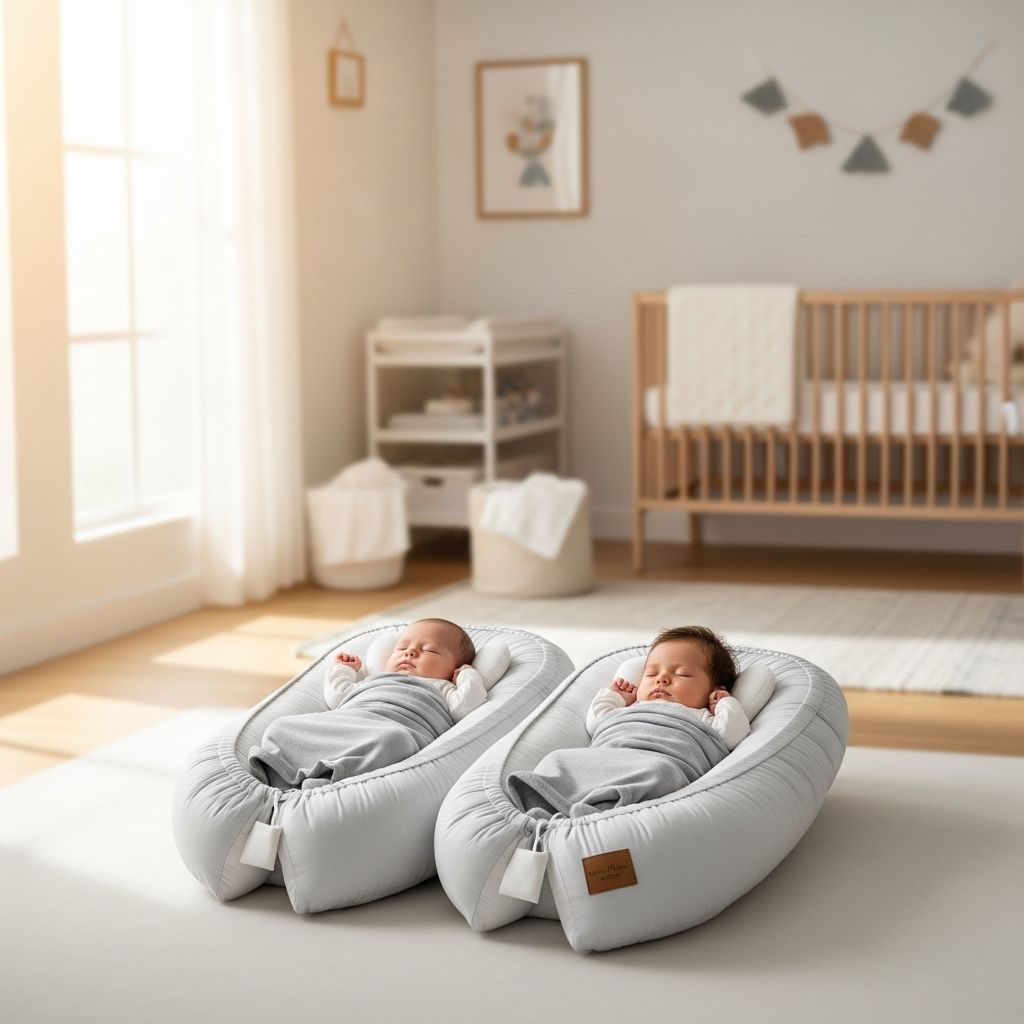
Bringing home newborns, especially multiples, is one of the most joyful yet overwhelming experiences a parent can face. The constant feeding, diaper changes, and sleepless nights demand not just emotional resilience but also smart, practical tools. Among the most underrated yet powerful additions to a nursery or living space is a twin lounger — a dedicated seating solution designed specifically for parents of twins or closely spaced infants.
Unlike standard gliders or rocking chairs, a twin lounger is built to support the unique physical and emotional needs of parents managing two babies at once. It’s not just about comfort; it’s about creating a safe, efficient, and nurturing environment where feeding, bonding, and rest can happen more smoothly.
What Exactly Is a Twin Lounger?
A twin lounger is a wide, supportive chair or sectional-style seat that allows a parent to comfortably position and care for two babies simultaneously. It typically features a deep, contoured seat, high back support, and often includes armrests or side panels that help keep infants secure while feeding or resting.
These loungers are not just oversized recliners; they are thoughtfully engineered with parenting in mind. Many models include:
- Extra-wide seating to accommodate two babies side by side
- Adjustable backrests and reclining options
- Soft, easy-to-clean fabrics
- Integrated storage for diapers, wipes, burp cloths, and bottles
- Side bolsters or low barriers to gently contain babies
The goal is to create a dedicated zone where a parent can nurse, bottle-feed, soothe, or simply enjoy quiet time with both babies without constantly shifting positions or worrying about safety.
Why Standard Furniture Falls Short for Multiples
Most living rooms and nurseries are furnished with single-seaters: gliders, rockers, armchairs, or small sofas. While these work well for one baby, they quickly become impractical when there are two infants to manage.
Consider the common scenarios:
- Trying to nurse one baby while the other is on a nearby blanket, only to have them start crying or roll off
- Attempting to bottle-feed both babies at once on a narrow couch, leading to awkward twisting and strain
- Needing to place one baby down to attend to the other, increasing the risk of falls or distress
Standard furniture wasn’t designed for the physical demands of caring for multiples. A twin lounger bridges that gap by providing a single, secure space where both babies can be close, visible, and within easy reach.
Key Benefits of Using a Twin Lounger
Introducing a twin lounger into your daily routine offers several tangible advantages that go beyond simple comfort.
1. Safer Feeding and Supervision
One of the biggest concerns for parents of multiples is keeping both babies safe while feeding. A twin lounger reduces the need to place infants on the floor or an unsafe surface while attending to the other.
With both babies positioned side by side on a stable, contained surface, parents can:
- Keep both infants within arm’s reach at all times
- Minimize the risk of rolling off or falling from an elevated surface
- Respond quickly to cues like crying, spitting up, or needing a burp
2. Easier Breastfeeding and Bottle-Feeding
Feeding twins can be physically exhausting, especially when done back-to-back on a standard chair. A twin lounger supports a more ergonomic posture, reducing strain on the back, neck, and arms.
Benefits include:
- Ability to nurse both babies at once in a comfortable, supported position
- Space to bottle-feed one while the other rests nearby
- Reduced need to constantly reposition or get up between feedings
Many parents find that a twin lounger makes tandem feeding not only possible but sustainable, especially during the early months when feedings are frequent.
3. Better Posture and Reduced Physical Strain
Parenting multiples often means long hours in seated positions, whether feeding, soothing, or simply holding babies. Poor posture on unsupportive furniture can lead to chronic back, shoulder, and neck pain.
A well-designed twin lounger helps by:
- Providing lumbar support to maintain a neutral spine
- Allowing the arms and shoulders to rest comfortably while holding babies
- Reducing the need to hunch forward or twist the body repeatedly
Over time, this can make a significant difference in a parent’s physical well-being, especially during the physically demanding newborn phase.
4. Encourages Bonding and Sibling Connection
From the earliest days, a twin lounger can become a special bonding space. Placing both babies side by side allows them to see, hear, and interact with each other, fostering a sense of closeness.
Parents can use this time to:
- Talk to both babies while they are calm and alert
- Encourage gentle interaction, like touching hands or feet
- Create consistent routines around feeding and quiet time
This shared space becomes a familiar, comforting environment where both babies learn to associate their parent’s presence with safety and love.
5. Streamlines Daily Routines
When every minute counts, efficiency matters. A twin lounger can serve as a central hub for many daily activities, reducing the need to move between multiple locations.
With a twin lounger, parents can:
- Feed both babies in one spot
- Change diapers or burp one while the other rests nearby
- Store essentials like wipes, bottles, and burp cloths within easy reach
- Transition smoothly from feeding to quiet time or naps
This consolidation of tasks in one dedicated area can save time, reduce stress, and create a more predictable rhythm to the day.
Choosing the Right Twin Lounger for Your Family
Not all twin loungers are created equal. When selecting one, it’s important to consider your specific needs, space, and lifestyle.
Size and Fit
Measure your available space carefully. A twin lounger should fit comfortably in your chosen room without blocking doorways or making the space feel cramped. Consider:
- Overall dimensions (length, width, depth)
- Clearance needed for reclining or rocking
- Whether it will be used in a nursery, living room, or bedroom
Support and Comfort
Look for features that promote good posture and long-term comfort:
- Firm, supportive cushioning that doesn’t sag over time
- High backrest with lumbar support
- Armrests that are at a comfortable height for holding babies
- Reclining or rocking options, if desired
Materials and Cleanability
Babies bring spills, spit-up, and messes. Choose a lounger with:
- Stain-resistant, easy-to-clean fabric
- Removable, machine-washable covers if possible
- Water-resistant or wipeable surfaces for added protection
Safety Features
Safety is paramount when babies are involved. Look for:
- Stable, non-slip base
- Low side barriers or bolsters to gently contain babies
- No sharp edges or small parts that could pose a hazard
- Sturdy construction that can support the weight of two babies and an adult
Storage and Convenience
Integrated storage can make a big difference in daily use. Consider models with:
- Pockets or compartments for diapers, wipes, and burp cloths
- Side tables or trays for bottles, pacifiers, or a drink
- Hidden storage under cushions or in armrests
How to Use a Twin Lounger Effectively
Once you have a twin lounger, using it effectively can maximize its benefits.
Set Up a Dedicated Nursing or Feeding Zone
Position the lounger near a nightstand or side table stocked with:
- Bottles, formula, or nursing supplies
- Diapers, wipes, and burp cloths
- A small light for nighttime feedings
- A phone charger or tablet for entertainment
This setup minimizes the need to get up frequently and keeps everything within reach.
Establish a Consistent Routine
Use the lounger as the primary spot for feeding and quiet time. Over time, babies will begin to associate this space with comfort and calm, making it easier to settle them.
Involve Your Partner or Support Person
A twin lounger isn’t just for the primary caregiver. Encourage partners, grandparents, or other caregivers to use it for feeding, soothing, or simply spending quality time with both babies.
Common Misconceptions About Twin Loungers
Some parents hesitate to invest in a twin lounger, often due to misunderstandings about its purpose or value.
Myth: It’s Only for Breastfeeding
While a twin lounger is excellent for nursing, it’s equally useful for bottle-feeding, soothing, tummy time, and quiet bonding. It’s a versatile piece of furniture that supports many aspects of newborn care.
Myth: It’s Too Expensive or Unnecessary
While a high-quality twin lounger is an investment, its long-term benefits in terms of comfort, safety, and efficiency often outweigh the cost. Many parents find it pays for itself in reduced physical strain and improved daily routines.
Myth: It Takes Up Too Much Space
Modern twin loungers come in a range of sizes, including compact and space-saving designs. With careful planning, it’s possible to fit one even in smaller homes or apartments.
When to Start Using a Twin Lounger
The ideal time to introduce a twin lounger is before or shortly after bringing the babies home. Having it ready from the start allows parents to establish routines and avoid the strain of using inadequate furniture during the most intense phase of newborn care.
As babies grow, the lounger can continue to be useful for:
- Feeding older infants and toddlers
- Reading books or playing together
- Providing a safe, contained space for supervised play
FAQs About Twin Loungers
Q: Can a twin lounger be used for single babies?
Yes, absolutely. Even with one baby, a twin lounger offers extra space, comfort, and storage, making it a practical choice for any parent.
Q: Is a twin lounger safe for newborns?
When used properly and on a stable surface, a twin lounger is safe for newborns. Always supervise babies closely and avoid placing them in positions where they could roll off or become trapped.
Q: How do I clean a twin lounger?
Follow the manufacturer’s instructions. Many models have removable, machine-washable covers. For spot cleaning, use a mild detergent and damp cloth, avoiding harsh chemicals that could irritate baby’s skin.
Q: Can I use a twin lounger for tummy time?
Yes, many parents use the wide, stable surface of a twin lounger for supervised tummy time, especially when both babies are awake and alert.
Q: Do I need a special mattress or pad for a twin lounger?
Most twin loungers are designed to be used as-is. If additional padding is desired, choose a firm, breathable pad that fits securely and doesn’t create gaps where a baby could become trapped.
Making the Most of Your Parenting Journey
Parenting multiples is a unique and demanding experience that requires both emotional strength and practical support. A twin lounger is more than just a piece of furniture; it’s a tool that can make daily care easier, safer, and more enjoyable.
By providing a dedicated, comfortable space for feeding, bonding, and rest, a twin lounger helps parents conserve energy, reduce physical strain, and focus on what matters most: building a strong, loving connection with their babies.
Whether you’re expecting twins, already navigating life with multiples, or simply preparing for the arrival of a second child, investing in a twin lounger can be one of the most thoughtful and practical decisions you make as a new parent.
References
- Safe Sleep for Babies — American Academy of Pediatrics. 2022-10-17. https://www.aap.org/en/patient-care/safe-sleep/
- Positioning and Handling of Infants — National Health Service (NHS), UK. 2023-03-15. https://www.nhs.uk/conditions/baby/
- Developmental Milestones: 0 to 3 Months — Centers for Disease Control and Prevention (CDC). 2023-08-22. https://www.cdc.gov/ncbddd/actearly/milestones/index.html