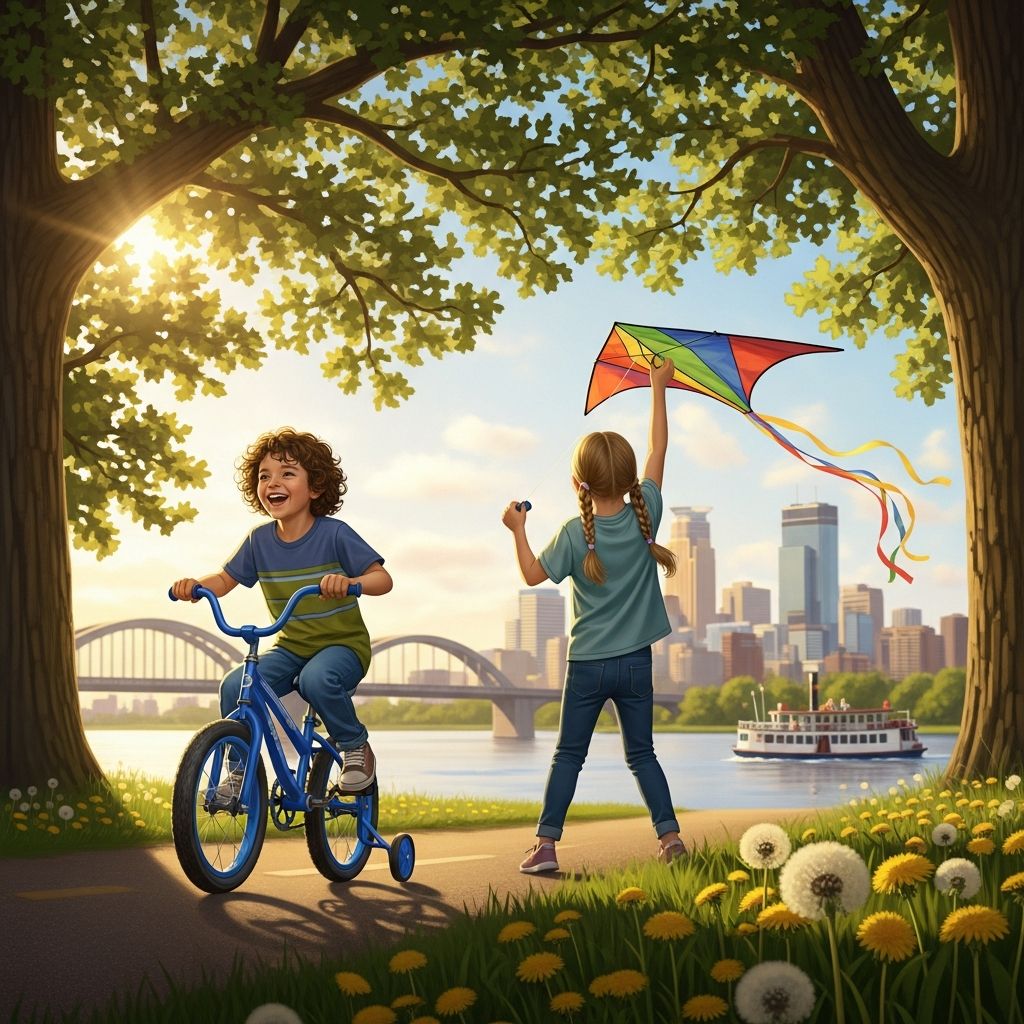
Childhood moves quickly, and in the Twin Cities it is easy to let another season slip by without visiting that waterfall, riding that train, or exploring that quirky neighborhood museum. This guide offers an original, fresh way to think about family time in Minneapolis–St. Paul, helping you build a flexible “before they grow up” list that fits your kids, your budget, and your schedule.
Instead of rushing through dozens of attractions, this article focuses on themes: nature, creativity, neighborhood discoveries, and seasonal traditions. Within each theme you will find specific ideas, practical suggestions, and gentle reminders to slow down and enjoy the small moments between the big highlights.
Big-Picture Strategy: Designing Your Family Bucket List
Before adding anything to your list, think about how you want your kids to remember their growing-up years in the Twin Cities. A good bucket list balances iconic destinations with low-key rituals, like an annual walk around a favorite lake or hot cocoa at the same café after the first snowfall.
- Consider your children’s ages and energy levels. Toddlers may prefer repeated trips to the same playground, while older kids might enjoy exploring a new neighborhood each month.
- Include free or low-cost activities alongside bigger-ticket outings to make your list sustainable and stress-free.
- Rotate themes by season: fall for hikes and harvest festivals, winter for light displays and indoor play, spring for bike rides and river walks, and summer for lakes, zoos, and splash pads.
Urban Nature: Waterfalls, Rivers, and City Parks
One of the Twin Cities’ greatest gifts is easy access to nature without driving hours into the wilderness. City parks, river overlooks, and lakeside paths let kids experience the outdoors in bite-sized, family-friendly doses, perfect for after-school outings or low-key weekends.
You might choose one nearby park to revisit in each season, watching how the ice melts, leaves change, and birds return. Over time, that simple ritual can become as meaningful as any big vacation.
- Visit a city waterfall: Walk to a waterfall within Minneapolis or St. Paul, pause on the bridge to feel the mist, and then let the kids scramble along designated trails or open lawns nearby.
- Follow the Mississippi River: Stroll or bike along a riverside path, stopping at overlooks to watch barges, spot eagles, or throw pebbles (where safe and allowed) along the shoreline.
- Create a “park passport”: List five to ten different parks—some with playgrounds, some with nature centers, some with wide-open fields—and stamp your homemade passport each time you visit a new one.
Lakes, Beaches, and Simple Water Play
Water defines much of life in Minnesota, especially in summer. The Twin Cities are ringed with lakes, wading pools, and shallow beaches where kids can skip stones, search for snails, or bravely plunge into chilly water on the first warm day of the year.
Think of lake visits less as all-day production events and more as micro-adventures. An hour after dinner throwing a Frisbee and watching the sunset can be just as memorable as a packed beach day.
- Choose a “home” lake for your family, then return often for walks, paddle rentals, or skating when the ice is thick and officially open.
- Explore a different beach each summer, rating them together for sandcastle potential, playground quality, and how easy they are for little legs to explore.
- Bring simple gear: a pail and shovel, a kite, or a nature journal for kids to sketch ducks and boats.
Hands-On Museums and Playful Learning
The Twin Cities’ museums excel at turning curiosity into action. You will find spaces where kids can climb, splash, test, build, and imagine, often without realizing they are learning about science, history, or art along the way.
To keep outings manageable, pick one area of a museum to explore deeply instead of trying to see everything in one visit. This changes the mood from “must-see-it-all” to “let’s follow what interests you most.”
- Children’s discovery centers: Look for museums that offer water play zones, climbing structures, pretend towns, and rotating exhibits tailored to early learners.
- Science and technology galleries: Spend time with hands-on physics exhibits, dinosaur skeletons, and human biology displays that invite experimentation.
- History told through stories: Seek out local history centers where kids can step into recreated streets, cabins, or farms and handle everyday objects from past eras.
Sample Museum Day Structure
| Time | Activity | Kid-Friendly Tip |
|---|---|---|
| Morning | Arrive near opening, focus on one major exhibit or floor. | Let kids choose the first stop to build excitement and ownership. |
| Midday | Snack or lunch break, then a slower activity like a short film or quiet reading corner. | Pack familiar snacks and a small toy to avoid meltdowns. |
| Afternoon | Return briefly to a favorite exhibit, then browse the gift shop without pressure to buy. | Allow kids one small souvenir per season rather than every visit. |
Creative Corners: Art, Music, and Theater for Kids
Beyond the big stages and main galleries, the Twin Cities are full of kid-friendly performances, student matinees, neighborhood art studios, and youth music programs. Many venues offer short shows, sensory-friendly performances, or interactive elements designed for families.
Instead of treating art outings as rare “special occasions,” weave them into regular life. A low-pressure theater show or a casual visit to a sculpture garden can show kids that creativity belongs to them too.
- Outdoor sculpture walks: Wander through public art parks or sculpture gardens where kids can move freely, pose for silly photos, and see art from different angles.
- Children’s theater and puppetry: Look for productions specifically written for young audiences, often with shorter runtimes and chances to meet actors or puppeteers afterward.
- Hands-on art studios: Seek weekend workshops or drop-in studios where kids can paint, mold clay, or assemble recycled art without worrying about kitchen-table messes at home.
Neighborhood Explorers: Downtowns, Main Streets, and Markets
Every Twin Cities neighborhood tells a slightly different story, from historic avenues lined with mansions to bustling cultural corridors dotted with bakeries, markets, and murals. Exploring these areas together can show kids how cities grow and change over time.
Pick a different area a few times each year and approach it like a mini vacation: park once, then walk, people-watch, and try something new to eat or drink.
- Historic districts: Walk streets with older architecture, pointing out unique details on porches, windows, and rooftops while sharing what life might have been like a century ago.
- International food corridors: Let kids pick a new cuisine to try and sample pastries, snacks, or street food from cultures around the world.
- Weekend markets and street fairs: Browse local maker stalls, sample seasonal produce, and listen to live music while kids dance or try hands-on craft booths.
Sports, Stadiums, and Active Play
From professional stadiums to neighborhood fields, the Twin Cities offer many ways for kids to fall in love with movement. The goal is less about competitive success and more about discovering what kind of activity makes your child light up—whether that is soccer, skating, biking, or simply leaping from rock to rock at a playground.
Mix structured events with unstructured free play. An occasional big-league game can be magical, but so can a family kickball match or a scooter ride through your local park.
- Visit a major stadium at least once, even if you sit in the upper deck, to soak in the lights, music, and crowd energy.
- Try a minor-league or community sports event for a closer, often more affordable, experience with shorter lines and more kid-focused activities.
- Keep a list of favorite playgrounds by feature: best climbing wall, best swings, best splash pad, and best sledding hill.
Rainy-Day and Winter-Ready Adventures
In the Twin Cities, planning for long winters is essential. Instead of hunkering down until spring, build a collection of cozy and energetic indoor options so your family has something to look forward to even on the grayest days.
Alternate between high-energy play spaces and calm, creative settings. This balance ensures kids burn off steam without everyone feeling overstimulated by constant noise and crowds.
- Indoor play parks and climbing gyms: Choose spots with separate toddler areas, comfortable seating for adults, and clear sightlines.
- Library adventures: Explore different branches, each with its own children’s area, storytime schedule, and sometimes unique features like play kitchens or puppet theaters.
- Board game cafés and family-friendly coffee shops: Spend an afternoon trying new games, sipping cocoa, and chatting without screens.
Winter Adventure Ideas
| Type of Activity | Example Experience | Why Kids Love It |
|---|---|---|
| Outdoor Light Displays | Walk or drive through holiday lights, listening to favorite music. | Bright colors, familiar songs, and the sense of shared tradition. |
| Ice Activities | Skate on a maintained rink or glide on a groomed lake path when conditions are safe. | They feel independent and brave, even while holding your hand. |
| Snow Play | Build forts and snow creatures in a local park or your backyard. | Open-ended creativity and the thrill of getting gloriously messy. |
Seasonal Traditions that Mark the Years
Many of the Twin Cities’ most beloved experiences are seasonal: spring flower shows, summer fairs, fall harvest events, and winter festivals. Choosing a few signature traditions to repeat each year gives kids a comforting rhythm and a way to measure how they are growing.
Keep these traditions flexible. If a particular activity becomes stressful, swap it for something that better matches your family’s current stage of life, like trading a long festival day for a smaller neighborhood celebration.
- Pick one event per season that you try to attend every year, like a local art fair, open-streets day, or community parade.
- Combine outings with simple home rituals—baking cookies after a winter festival or making lemonade after a summer bike ride.
- Take a quick photo at the same landmark each year, such as a familiar sculpture, mural, or lakeside bench.
Slow Moments: Coffee Shops, Bookstores, and Backyard Magic
Not every memory has to involve tickets, lines, and special gear. Some of the most tender Twin Cities childhood moments unfold quietly: reading picture books at a neighborhood bookstore, splitting a muffin at a corner café, or watching fireflies in the backyard.
Building these quiet anchors into your schedule teaches kids that joy does not always require a full itinerary. It also gives you more opportunities to connect through simple conversation.
- Find a favorite children’s bookstore and make occasional “just because” visits to browse, attend storytime, or meet local authors.
- Adopt one or two family-friendly coffee shops where board games, coloring sheets, or cozy corners invite longer stays.
- Create backyard rituals, such as a weekly picnic blanket dinner, stargazing session, or s’mores night when the weather cooperates.
Practical Tips for Enjoyable Outings
A carefully chosen destination still needs realistic planning. Paying attention to timing, transportation, and kid-sized expectations can turn even a short outing into a success rather than a source of frustration.
- Time of day matters: Schedule bigger adventures for when your children tend to have the most energy, and use early evenings for calmer, closer-to-home activities.
- Pack a simple “outing kit” with snacks, water, a small first-aid item, and weather-appropriate layers.
- Set expectations in advance: explain how long you will stay, what you will do first, and how many treats or souvenirs are on the table.
Sample Twin Cities Family Bucket List
The following sample list combines different types of experiences rather than prescribing specific venues. Use it as a template to plug in your favorite Twin Cities locations.
| Theme | Example Goal | Notes |
|---|---|---|
| Water & Parks | Visit three different lakes and one waterfall together. | Mark each visit on a big wall map at home. |
| Culture & Art | See one live children’s show and one outdoor sculpture area. | Ask kids to draw their favorite part afterward. |
| History & Science | Explore one history center and one science-focused museum. | Look for exhibits that connect directly to Minnesota. |
| Neighborhoods | Spend an afternoon in three different Twin Cities main streets. | Try a new snack or dessert in each area. |
| Seasonal Traditions | Choose one recurring event for each season. | Take a family photo during each seasonal outing. |
FAQ: Planning Twin Cities Adventures with Kids
How many activities should be on a family bucket list?
Focus on a realistic number—perhaps 10 to 20 experiences spread across a few years—rather than trying to “do it all.” A manageable list leaves room for spontaneous discoveries and quiet weekends at home.
What if my child is sensitive to crowds or noise?
Look for early-morning time slots, weekday visits, or special sensory-friendly hours offered by many family attractions. Smaller neighborhood parks, libraries, and outdoor spaces can also provide calmer environments than large, heavily advertised events.
How can we keep outings affordable?
Mix paid experiences with free ones like playgrounds, farmers markets, and self-guided walking tours. Take advantage of library passes, discount days, and member programs if you visit certain places often.
How do we handle different ages and interests?
Rotate who gets to choose the day’s activity, and build in flexible moments where siblings can peel off with another adult or explore different sections of the same place. Seek destinations with varied offerings, such as parks near cafés or museums with both toddler and older-kid zones.
What if we cannot check everything off our list?
View the list as inspiration, not a test. The goal is to create opportunities for connection, not to chase perfection; even a few well-loved traditions can define your children’s memories of growing up in the Twin Cities.