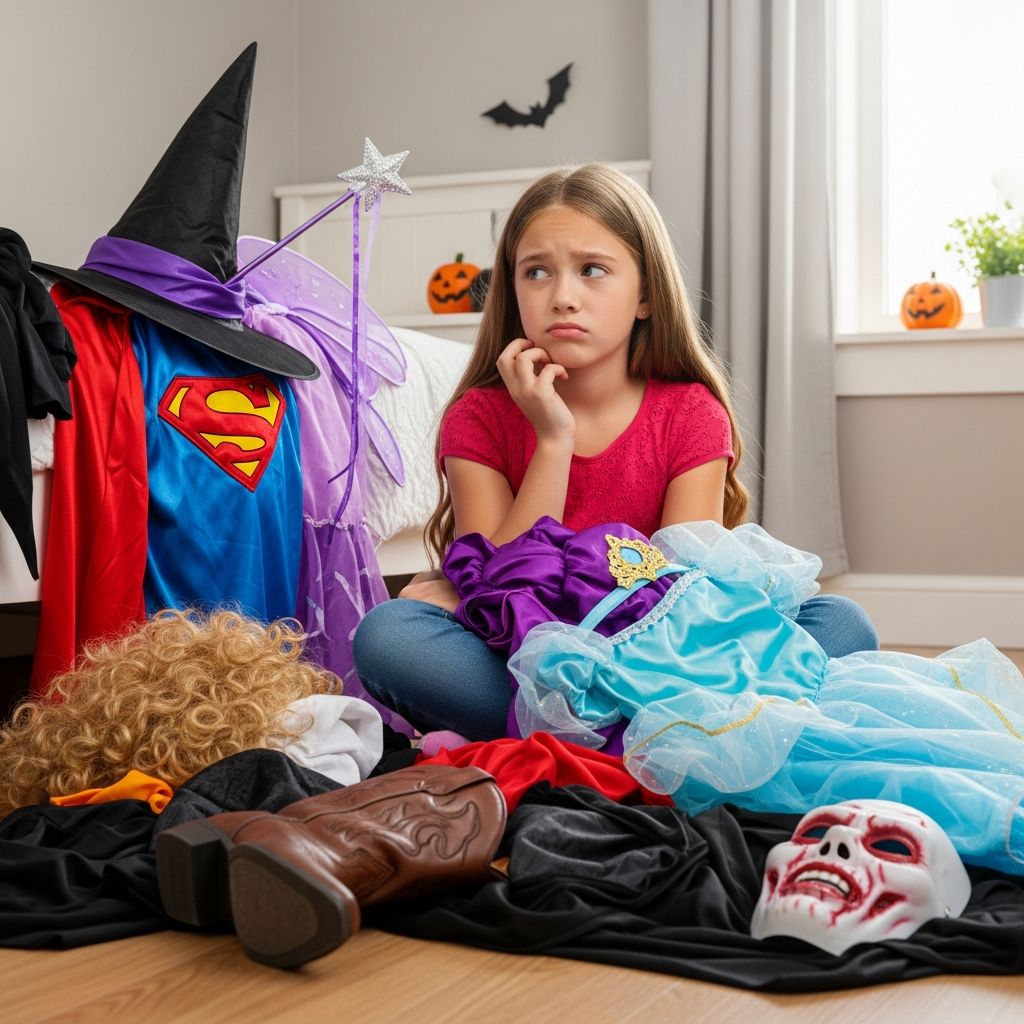
Tweens, typically aged 9 to 12, often face unique challenges when selecting Halloween costumes, marked by a push for autonomy clashing with parental oversight. This tension can turn excitement into frustration, but understanding their perspective helps create positive experiences.
Understanding Tween Mindsets During Halloween
At this developmental stage, children crave independence and peer validation, influencing costume preferences toward trendy, social media-inspired looks from movies, games, or influencers. Parents may worry about appropriateness, cost, or safety, leading to conflicts. Research from child psychologists highlights this as a normal part of identity formation, where tweens test boundaries through fashion choices.
Common issues include demands for expensive licensed costumes, skimpy designs not suited for cooler weather, or group themes requiring coordination. Addressing these early with open discussions prevents last-minute drama.
Communication Strategies for Smoother Selections
Start conversations weeks ahead by asking about their ideas without immediate judgment. Use phrases like, “What excites you about that costume?” to build trust. Set clear boundaries on budget, appropriateness, and practicality together.
- Budget talks: Agree on a spending limit and explore DIY options or sales.
- Appropriateness check: Discuss school or community rules calmly.
- Compromise ideas: Blend their trend with your concerns, like adding layers to a costume.
This collaborative approach empowers tweens, reducing rebellion and fostering family bonding.
Age-Appropriate Costume Trends for 2026
Popular 2026 trends draw from fantasy epics, superheroes, and nostalgic revivals, offering stylish yet modest options for tweens. From fierce warriors to magical creatures, selections emphasize comfort for trick-or-treating.
| Category | Ideas | Why Tweens Love It | Parent-Friendly Tweaks |
|---|---|---|---|
| Fantasy | Snow Warrior, Gold Phoenix, Festival Unicorn | Dramatic, Instagram-worthy | Add warm layers, hoodies |
| Superheroes | Deadpool, Spider-Man (Miles Morales), Harley Quinn | Empowering, action-packed | Modest versions with pants |
| Pop Culture | Kylo Ren, Mandalorian, Glinda/Elphaba | From hit films/TV | DIY accessories to cut costs |
| Humorous | M&M colors, Pie Slices, Trolls | Fun, group-friendly | Easy DIY with household items |
These draw from current collections, ensuring availability in tween sizes with details like light-up features for added wow-factor.
DIY and Budget-Friendly Alternatives
DIY costumes save money and allow personalization, appealing to creative tweens. Transform thrift finds into unique looks, like a striped suit for Beetlejuice vibes or colorful tees for M&Ms.
- Gather basics: Old clothes, cardboard, face paint.
- Follow online tutorials for Nightmare Before Christmas characters.
- Involve tweens in crafting to boost ownership.
Group themes like Sanderson Sisters or Cheetah Girls strengthen friendships without high costs. For pirates, use bandanas and toy swords for versatile, spooky or silly vibes.
Handling Peer Pressure and Social Media Influence
Social platforms amplify trends, pressuring tweens to match viral costumes. Guide them to curate feeds with positive influences and emphasize originality over conformity. Host pre-Halloween try-on sessions with friends for safe group planning.
Remind them Halloween is about fun, not perfection. If conflicts arise, offer alternatives like matching family themes—Care Bears or Ghostbusters—to include everyone.
Safety and Practicality in Costume Choices
Prioritize visibility with reflective tape and LED lights, especially for evening activities. Choose breathable fabrics and closed shoes for comfort. For colder climates, layer under costumes or select hooded options like Mad Hatter with tights.
Discuss stranger danger and stick-to-groups rules. According to CDC guidelines, well-fitted costumes reduce trip hazards, ensuring safe enjoyment.
Building Lasting Memories Amid the Drama
Focus on the holiday’s joy through photos, parties, and traditions. Post-costume, reflect on what worked to improve next year. This turns potential stress into cherished stories.
Encourage post-Halloween repurposing, like superhero outfits for play or fantasy gear for dress-up games, extending the fun.
Frequently Asked Questions
How do I convince my tween a revealing costume isn’t ideal?
Discuss weather, comfort, and long-term photos; offer stylish alternatives like legging add-ons.
What if they want an expensive character costume?
Set a budget and suggest sales, DIY versions, or borrowing/swapping with friends.
Best group costumes for tweens?
Sanderson Sisters, M&Ms, Pie Slices, or Trolls—easy, fun, and scalable.
How to make DIY costumes durable?
Use sturdy materials like felt, hot glue sparingly, and test for mobility.
Handling last-minute changes?
Keep a kit with basics: capes, masks, makeup for quick fixes.
References
- Child Development and Identity Formation — American Psychological Association. 2024-10-15. https://www.apa.org/topics/children/development
- Halloween Safety Guidelines — Centers for Disease Control and Prevention (CDC). 2025-09-01. https://www.cdc.gov/family/halloween/
- Preventing Childhood Injuries During Holidays — World Health Organization (WHO). 2024-11-01. https://www.who.int/news-room/fact-sheets/detail/injuries-and-violence
- Tween Peer Influence Study — National Institute of Child Health and Human Development (NICHD). 2023-05-20. https://www.nichd.nih.gov/research/supported/Pages/peers.aspx
- Family Communication Strategies — American Academy of Pediatrics. 2025-03-10. https://www.aap.org/en/patient-care/family-dynamics/