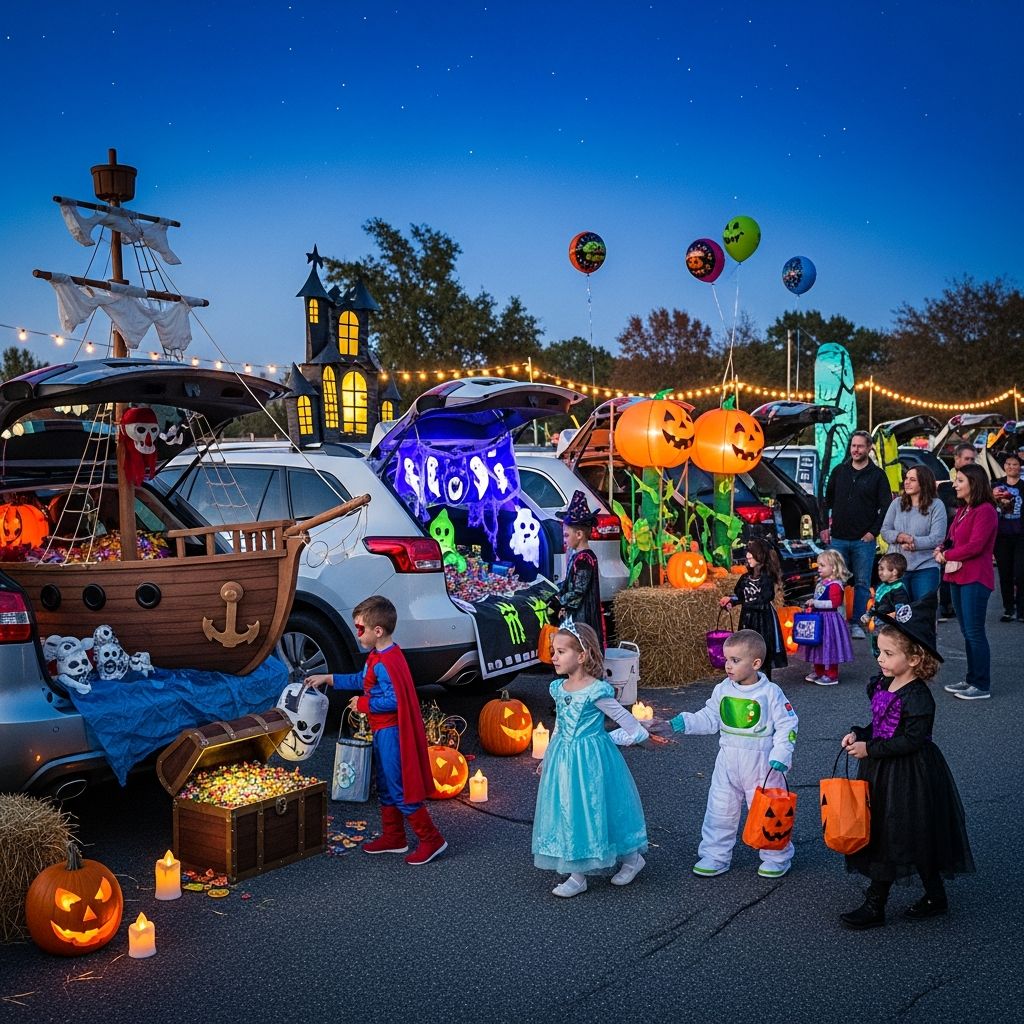
Trunk-or-treat has become a popular way to celebrate Halloween by gathering families in a single location where kids go from car to car instead of door to door. It blends the fun of costumes and candy with the convenience of a well-organized community event. This guide walks through everything needed to design a trunk-or-treat that feels festive, safe, and memorable.
What Is Trunk-or-Treat?
Trunk-or-treat is a Halloween celebration where participants decorate the open trunks of their vehicles and hand out candy from a shared parking area or similar space. Children walk between cars instead of roaming a neighborhood, collecting treats in a compact, supervised environment. This format appeals to schools, churches, clubs, and neighborhoods that want a family-friendly gathering with simple logistics.
Why Host a Trunk-or-Treat Event?
Before diving into details, it helps to understand why trunk-or-treat has grown so quickly in popularity. Beyond the candy and costumes, it solves a few common Halloween challenges for modern families.
- Convenience for parents: Everything happens in one place, making it easier for caregivers with multiple kids or busy schedules.
- Perceived safety: A well-lit, organized lot with volunteers and clear rules can feel more secure than sending children house to house in the dark.
- Community bonding: Decorating cars together and sharing the event encourages interaction between families who may not normally meet.
- Inclusive option: Kids who live in rural areas, apartment buildings, or neighborhoods with few participants can still enjoy a full Halloween experience.
Step-by-Step Planning Timeline
Successful trunk-or-treat events do not happen by accident. A simple timeline keeps the planning team organized and prevents last-minute chaos.
Four to Six Weeks Before
- Define the host: school, church, workplace, neighborhood association, or community group.
- Choose a location: a large parking lot, schoolyard, or community center space with clear entry and exit routes.
- Set the date and time: pick an early evening or late afternoon slot that works for families and avoid overlapping with major local events.
- Secure permissions: confirm with property owners, insurance providers, or administrators if needed.
- Recruit core volunteers: assign roles for logistics, decorations, traffic direction, and cleanup.
Two to Three Weeks Before
- Open registration for participating vehicles so you know how many trunks to expect.
- Establish basic rules for decorations, candy types, and arrival times for volunteers.
- Promote the event on newsletters, social media, flyers, and community boards.
- Decide whether to include extras such as games, contests, or music.
One Week Before
- Confirm the list of registered cars and estimate the number of children likely to attend.
- Prepare a parking map showing where trunks will line up, where families will walk, and where first aid or information tables will sit.
- Gather supplies: cones, tape, signage, extra candy, trash bags, flashlights, and extension cords if lighting is needed.
Day of the Event
- Mark car spaces and walking paths before vehicles begin to arrive.
- Check in volunteers and vehicle participants, provide them with instructions and schedule.
- Walk the area to confirm safety measures: lighting, trip hazards, traffic control, and emergency access.
- Open the event on time and have a clear plan for when trunks should stop distributing candy and when cleanup begins.
Choosing the Perfect Location
The right location makes everything else easier. When evaluating options, think like both a parent and a traffic officer. Space, visibility, and access all matter.
| Factor | What to Consider |
|---|---|
| Size | Enough room for all vehicles, a wide walking lane, and emergency access. |
| Lighting | Streetlights or building lights are ideal; supplement with string lights or lanterns. |
| Traffic flow | Ability to separate pedestrian areas from moving vehicles with cones or barriers. |
| Restrooms | Nearby access to bathrooms or portable units, especially for longer events. |
| Accessibility | Smooth surfaces and convenient entry for strollers and mobility aids. |
Guidelines for Participating Vehicles
The heart of trunk-or-treat is the decorated vehicles. Setting expectations in advance helps everyone arrive prepared and keeps the event running smoothly.
- Specify arrival time and closing time for vehicle setup.
- Require cars to remain parked until the end of the event so children are not moving among shifting vehicles.
- Discourage open flames, fog machines that obscure visibility, and overly frightening decorations for younger kids.
- Suggest a candy quantity range based on anticipated attendance so no one runs out too quickly.
Creative Trunk Theme Ideas
Decorating the trunk is where imagination takes center stage. Themes can be spooky, silly, or completely unexpected. The most successful setups usually focus on a single simple concept executed clearly rather than trying to include every Halloween idea at once.
Kid-Friendly Classic Themes
- Enchanted forest: String green lights, hang paper leaves, add friendly woodland creatures, and dress as forest guides.
- Pumpkin patch: Fill the trunk with pumpkins, hay bales, and orange lights; hand out small pumpkin stickers with candy.
- Storybook nook: Base decorations on a favorite children’s book and dress as the characters.
Non-Scary Silly Themes
- Under the sea: Use blue fabric, cardboard fish, and bubble machines for a playful ocean vibe.
- Outer space station: Silver foil, glow sticks, and inflatable planets create a fun galaxy scene.
- Crazy candy factory: Oversized cardboard candy props, bright colors, and aprons for the “factory workers.”
Simple Themes for Busy Families
- Color splash: Pick one color and use balloons, streamers, and costumes to match.
- Sports fan zone: Team banners, jerseys, and foam fingers for a spirited stadium feel.
- Game night: Board game boxes, giant dice, and playing cards taped around the trunk.
Costume Coordination Tips
Coordinating costumes with trunk themes makes photos more fun and the overall effect more immersive. Families can plan matching outfits or assign each participant a small role.
- Choose a theme that everyone can join without expensive new costumes, such as colors or simple character types.
- Incorporate layers to stay warm if the event is outdoors in a cooler climate.
- Ensure masks and hats do not block vision, especially in a crowded parking lot.
Candy, Treats, and Alternatives
Candy will always be a central part of Halloween, but trunk-or-treat creates an opportunity to be thoughtful about what is offered. Consider allergies, dietary restrictions, and variety.
Popular Candy Choices
- Individually wrapped bite-sized chocolates.
- Fruit-flavored chews and lollipops.
- Mini cookie or cracker packs for kids who prefer less sweetness.
Non-Food and Allergy-Friendly Options
- Stickers, pencils, erasers, and temporary tattoos.
- Glow bracelets, spider rings, or small plastic figures.
- Clearly labeled allergy-friendly candies without common allergens when possible.
Safety and Accessibility Considerations
One of the main reasons people gravitate toward trunk-or-treat is the controlled environment. To maintain that sense of security, build safety and accessibility into every decision.
- Assign volunteers to monitor entrances and exits, guiding vehicles before and after event hours only.
- Use cones, caution tape, or portable fences to create a clear boundary between parked cars and any areas where vehicles might be moving.
- Keep walkways free of cords, decorations, or low items that could cause tripping.
- Provide a quiet or low-sensory zone for children who become overwhelmed by noise and lights.
Adding Activities Beyond Candy
A strong trunk-or-treat can be more than a quick candy grab. Simple activities extend the experience and make the event feel like a full celebration.
- Carnival-style games: Ring toss, beanbag throw, or bowling with decorated bottles.
- Photo corner: A backdrop with hay bales, pumpkins, or themed props where families can snap pictures.
- Costume parade: Invite kids to walk a marked route while a volunteer announces fun costume details.
- Music and dancing: Family-friendly playlists keep energy high and set a festive mood.
Working With Community Partners
Collaboration with local organizations can turn a small gathering into a signature annual event. Partners may offer resources, promotion, or added attractions.
- Local businesses might donate candy, raffle prizes, or coupons for goody bags.
- Public service groups such as fire departments or libraries can set up informative booths.
- Food trucks or bake sale tables can provide snacks for adults and help raise funds for a cause.
Budgeting for Your Event
Trunk-or-treat does not have to be expensive, but a simple budget helps avoid surprises. Decide early what the host organization will cover and what participants should provide themselves.
| Category | Examples |
|---|---|
| Event supplies | Cones, tape, signs, name tags, trash bags. |
| Decorations | Shared banners, lighting, directional arrows. |
| Entertainment | Music equipment, simple game materials, small prizes. |
| Contingency | Extra candy, last-minute printing, or replacement supplies. |
Communication and Promotion Tips
Clear communication ensures that families know what to expect and that participants arrive prepared. It also builds excitement as the date approaches.
- Send a simple event overview explaining the purpose, date, time, and location.
- Provide a short guideline sheet for vehicle participants covering arrival times, safety rules, and decoration ideas.
- Use consistent branding—same colors, event name, and simple logo—across all posters and online posts.
Making It an Annual Tradition
The first trunk-or-treat lays the foundation for future years. After the event, a quick review helps refine the experience and grow participation.
- Ask volunteers and attendees what worked best and what felt confusing or crowded.
- Record approximate attendance, number of trunks, and candy usage for better planning next time.
- Save signage, decorations, and electronic files so they can be reused or adapted.
Frequently Asked Questions (FAQs)
Do trunk participants have to spend a lot on decorations?
No. While some families enjoy elaborate setups, simple ideas using items from home can be just as effective. Balloons, streamers, cardboard cutouts, and clever costume choices often create big impact without a big budget.
How much candy should each car bring?
The amount depends on expected attendance and event length. A common starting point is to plan for around 100–200 pieces per vehicle, using smaller fun-size items so treats can stretch farther. Hosts can also keep a backup stash to help refill trunks that run low.
Is trunk-or-treat meant to replace traditional trick-or-treating?
Not necessarily. Some families treat it as their main Halloween activity, while others see it as an additional event during the same week. It offers an alternative format that may suit younger children, busy schedules, or communities where door-to-door trick-or-treating is less common.
What if the weather is bad?
Every event should have a weather plan. Some hosts move the celebration into a gym, fellowship hall, or community center, lining tables instead of trunks. Others set a rain date in advance and publicize it in all promotional materials.
Can older kids enjoy trunk-or-treat too?
Yes. Older kids can participate by helping decorate cars, run games, or act as event volunteers. Giving them responsibilities keeps them engaged and provides useful support for organizers while still letting them dress up and enjoy the atmosphere.
How do we keep things inclusive for children with sensory or mobility needs?
Design the layout with wide, uncluttered paths and seating areas for breaks. Consider offering a quiet time with lower music volume, reduced flashing lights, and fewer crowds at the start or end of the event.
Final Thoughts
Trunk-or-treat takes the spirit of Halloween—costumes, candy, and community—and reshapes it into a compact, friendly gathering. With thoughtful planning, clear communication, and a bit of creativity, any group can host an event that families look forward to year after year. The decorations will change, the themes will evolve, but the simple joy of children walking from trunk to trunk in a shared space of laughter and light can quickly become a cherished tradition.