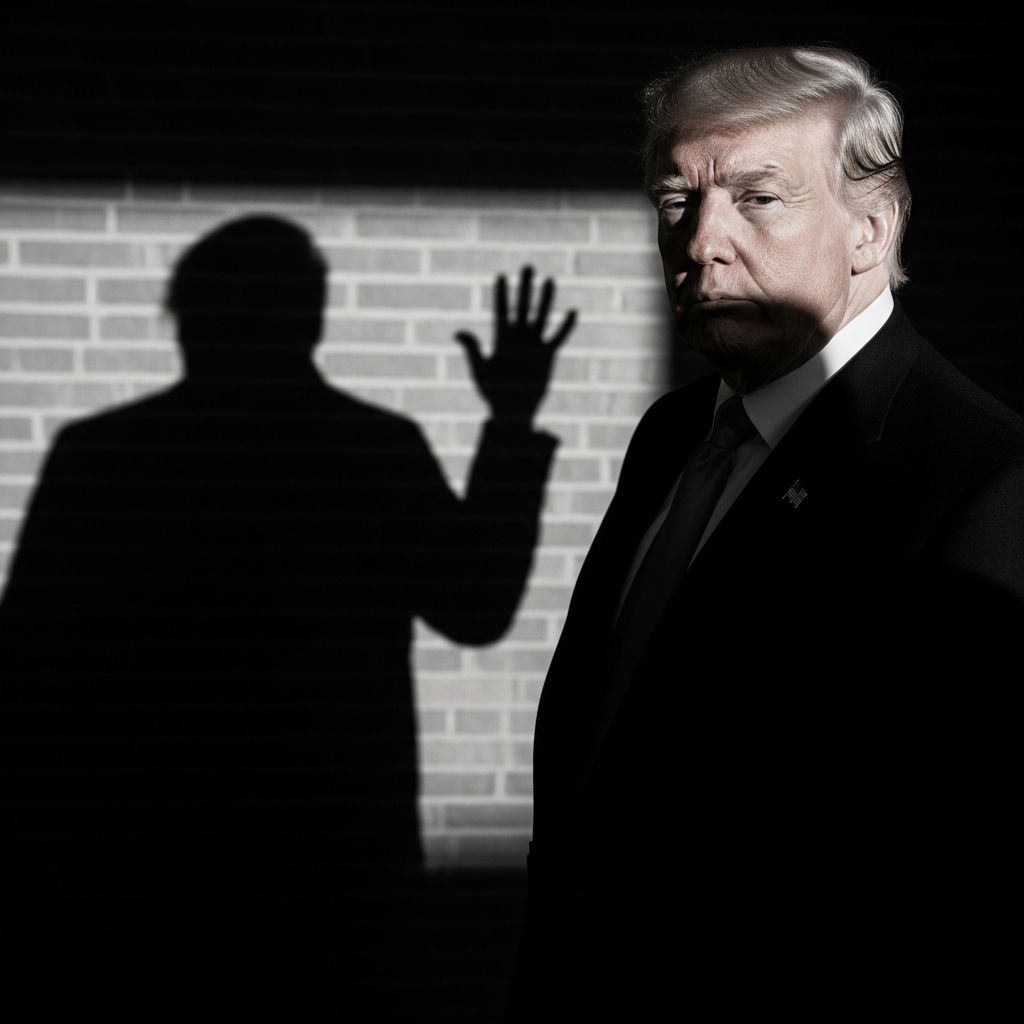
Donald Trump’s approach to condemning white supremacist ideologies has frequently drawn scrutiny, characterized by delays, qualifications, and perceived equivocations that fueled debates across political lines. During key moments like the 2020 presidential debate and the 2017 Charlottesville rally, his statements often balanced denunciations with counter-accusations against left-leaning groups, prompting celebrations from extremists and condemnations from critics.
Historical Context of Trump’s Racial Rhetoric
Trump’s public statements on race have long been a point of contention. Scholars and observers have documented instances where his words appeared to align with or embolden white nationalist sentiments, even as he denied personal racism. For example, his initial responses to racial violence often emphasized ‘both sides’ without immediate, unequivocal rejection of far-right extremism.
- Early career actions, such as housing discrimination lawsuits in the 1970s, set a backdrop for later criticisms.
- Campaign-era remarks on immigrants and crime were interpreted by some as dog whistles to supremacist audiences.
- Post-election governance saw repeated defenses against racism charges, often redirecting focus to antifa or other groups.
These patterns culminated in high-profile events where direct condemnations were expected but delivered tardily or incompletely.
The 2020 Debate Moment That Sparked Outrage
In the first 2020 presidential debate on September 29, moderator Chris Wallace pressed Trump to denounce white supremacists. Trump’s response—’Sure,’ followed by telling the Proud Boys to ‘stand back and stand by’—was seen as a refusal to explicitly condemn, igniting immediate backlash. White nationalist forums erupted in celebration, viewing it as tacit endorsement.
| Key Debate Exchange | Trump’s Words | Context/Reaction |
|---|---|---|
| Wallace: ‘Will you condemn white supremacists?’ | ‘Sure.’ | Prompted follow-up; seen as evasive. |
| Follow-up on Proud Boys | ‘Stand back and stand by.’ | Proud Boys celebrated online; party urged clarity. |
| Biden’s rebuttal | N/A | Accused Trump of emboldening hate groups. |
Within 48 hours, amid pressure from Republicans and reporters, Trump issued a condemnation via Fox News: ‘I condemn the KKK. I condemn all white supremacists. I condemn the Proud Boys.’ Yet, he immediately pivoted: ‘But Biden should condemn antifa too.’ This qualified stance mitigated some criticism but sustained doubts about sincerity.
Charlottesville: The ‘Both Sides’ Controversy
The 2017 Unite the Right rally in Charlottesville, Virginia, marked a pivotal flashpoint. White supremacists marched chanting racist slogans, clashing with counter-protesters, resulting in a car’s deadly rampage. Trump’s first statement blamed ‘hatred, bigotry, and violence on many sides,’ avoiding specific mention of neo-Nazis or white nationalists.
Days later, he doubled down: ‘Very fine people on both sides,’ explicitly excluding neo-Nazis but implying equivalence between supremacists and statue defenders. Critics argued this moral ambiguity signaled sympathy to the far-right. Trump later clarified: ‘I’m not talking about the neo-Nazis and the white nationalists, because they should be condemned totally.’ Still, the initial framing lingered in public memory.
- Initial tweet on anniversary: ‘I condemn all types of racism and acts of violence.’
- Critics viewed ‘all types’ as another hedge protecting white nationalists.
- White House statements partially walked back but did not fully disavow the rally’s core ideology.
Reactions from Extremist Groups
White nationalists interpreted Trump’s hesitations as green lights. After the debate, online forums buzzed with praise for his Proud Boys remark, with members adopting ‘stand by’ as a rallying cry. NBC News reported groups like those celebrating online saw it as validation amid a national audience.
Similarly, post-Charlottesville, supremacist leaders hailed Trump’s reluctance to single them out. This dynamic raised alarms about emboldening violence against minorities, as noted by organizations tracking hate crimes.
Political and Societal Fallout
Trump’s party urged swift clarification post-debate, with White House briefings fielding relentless questions. Press Secretary Kayleigh McEnany faced scrutiny, underscoring intra-party tensions. Broader society saw spikes in discussions on racism, with advocacy groups like the Children’s Defense Fund issuing blanket condemnations of white supremacy in response to such events.
Public opinion polls reflected divisions: supporters often cited Trump’s explicit later condemnations, while opponents highlighted patterns of delay. This polarization amplified during election cycles, influencing voter turnout and media narratives.
Broader Implications for Leadership and Division
Trump’s pattern—initial ambiguity followed by qualified rebukes—mirrored a strategy of appealing to his base while placating moderates. Critics from the ACLU and others argued it sent ‘disturbing signals’ to extremists, potentially exacerbating racial tensions.
In contrast, unequivocal leadership might have unified voices against hate. Organizations monitoring child welfare, like the Children’s Defense Fund, linked such rhetoric to rising threats against Black, Brown, Jewish, and Muslim communities, calling for total rejection of supremacist violence.
Comparative Analysis of Condemnations
| Event | Initial Response | Follow-up | Extremist Reaction |
|---|---|---|---|
| 2020 Debate | ‘Stand back and stand by’ | Condemned 48 hours later, qualified | Celebrated online |
| Charlottesville 2017 | ‘Many sides’ | ‘Very fine people on both sides’; later clarified | Hailed as support |
Frequently Asked Questions
What did Trump say exactly in the 2020 debate about white supremacists?
He responded ‘sure’ to condemning them but told Proud Boys to ‘stand back and stand by,’ later condemning them explicitly two days after.
Did Trump ever fully condemn white nationalists after Charlottesville?
Yes, he stated they ‘should be condemned totally,’ but initial ‘both sides’ remarks drew equivalence accusations.
How did white supremacists react to Trump’s debate comments?
They celebrated, viewing ‘stand by’ as endorsement, per reports from online monitoring.
Why the delay in Trump’s post-debate condemnation?
Party pressure and media scrutiny prompted it 48 hours later, amid calls for clarity.
What role did antifa play in Trump’s responses?
He frequently paired supremacist condemnations with calls for Biden to denounce antifa.
Trump’s navigation of these issues highlights deep U.S. divisions on race and extremism. While explicit condemnations occurred, timing and framing often diluted their impact, sustaining debates on leadership responsibility.
References
- Trump condemns white supremacist groups 48 hours after debate — Politico. 2020-10-01. https://www.politico.com/news/2020/10/01/trump-condemns-white-supremacist-groups-2-days-after-debate-424801
- Racial views of Donald Trump — Wikipedia (sourced to primary reports). 2026 (ongoing). https://en.wikipedia.org/wiki/Racial_views_of_Donald_Trump
- White Nationalist Groups Celebrate Trump’s Refusal To Condemn — NBC News (YouTube). 2020-09-30. https://www.youtube.com/watch?v=OEUs6NVOXAc
- Condemnation of White Supremacy — Children’s Defense Fund. N/A. https://childrensdefense.org/blog/condemnation-of-white-supremacy/