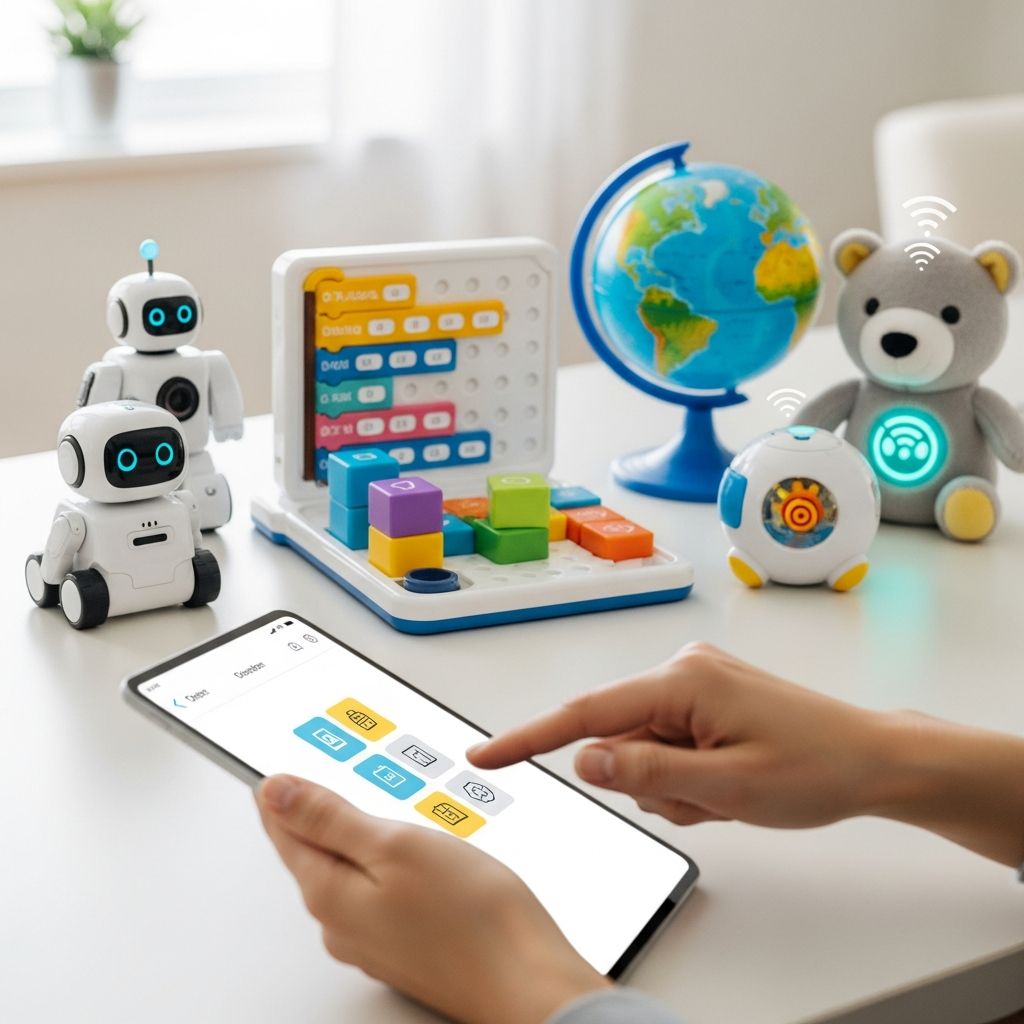
Choosing toys and children’s products is one of the most enjoyable parts of parenting, but it also comes with serious safety responsibilities. Young children explore the world with their mouths, have limited coordination, and often cannot recognize danger, which makes product choices especially important.
This guide explains how to select safer toys and everyday children’s products, what hazards to watch for, and how to stay informed about recalls and safety alerts.
Why Product and Toy Safety Matters
In the United States, consumer products for children are regulated by the Consumer Product Safety Commission (CPSC), which sets safety rules, coordinates recalls, and collects injury data. Despite regulations, unsafe products still reach homes through gifts, hand-me-downs, secondhand sales, and online marketplaces.
Understanding basic safety principles helps you:
- Reduce the risk of choking, strangulation, falls, burns, and poisoning.
- Avoid harmful chemicals in plastics, paints, and fabrics.
- Choose toys that match your child’s developmental stage, not just their interests.
- Respond quickly if an item is recalled or flagged as unsafe.[10]
Understanding What Counts as a Children’s Product
U.S. law defines a children’s product as a consumer product designed or intended primarily for children age 12 or younger. This includes toys but also many other everyday objects your child uses.
Main types of children’s products
- Toys and playthings – blocks, dolls, cars, puzzles, games.
- Nursery and care items – cribs, high chairs, bibs, pacifiers, teethers.
- Children’s clothing and footwear – pajamas, jackets, shoes.
- Children’s jewelry and accessories – bracelets, necklaces, hair clips.
- Car seats and travel gear – portable infant or child automobile safety seats.
Knowing this definition helps you recognize which items must follow specific children’s product safety rules, such as limits on lead and phthalates and mandatory testing and certification.
Age Labels and Developmental Fit
Age grading on packaging is more than a marketing suggestion. Manufacturers use guidance from the CPSC to decide which age group can safely use a product based on size, strength, skills, and behavior.
How to use age labels wisely
- Always respect “Not for children under 3” warnings – this usually indicates small parts that pose a choking risk.
- Match toys to your child’s abilities – for example, complex construction sets may be frustrating or unsafe if your child lacks the fine motor skills they require.
- Consider the youngest child in the household – choose toys that are safe for toddlers if they share space with older siblings.
- Reassess as your child grows – toys that were once safe can become hazardous if pieces break, cords tangle, or your child begins to use them in new ways.
Key Hazards to Watch For in Toys
Many injuries linked to children’s products can be traced to a few recurring hazards. Keeping these in mind while shopping and at home greatly improves safety.
| Hazard Type | What to Look Out For | Safer Alternatives |
|---|---|---|
| Choking | Small pieces, removable eyes/buttons, beads, toy coins, marbles. | Toys larger than a toilet-paper tube opening for young children; solid, sturdy parts. |
| Strangulation | Cords, strings, ribbons, or straps that can wrap around the neck. | Short, breakaway cords; avoiding crib mobiles and cords within reach. |
| Chemical exposure | Strong chemical smells, peeling paint, soft plastics with certain plasticizers. | Products compliant with chemical safety laws; known brands with testing details. |
| Impact and falls | Ride-on toys used near stairs or traffic; unstable climbing structures. | Stable bases, helmets for wheeled toys, and safe play surfaces. |
| Fire and burns | Battery-operated toys that overheat; fabrics that ignite easily. | Items that meet flammability standards and have enclosed, secure batteries. |
Materials, Chemicals, and Safety Standards
Certain chemicals and materials are restricted or monitored in children’s products because of potential health risks. For example, laws such as the Children’s Safe Products Act in some U.S. states limit lead, cadmium, specific phthalates, and some flame retardants in items for kids.
What parents should know about materials
- Paint and coatings – Toys should have non-peeling, non-chipping paint and comply with lead limits set by federal law.
- Plastics – Softer plastics may contain plasticizers (phthalates); regulations restrict several types in children’s products.
- Metals and jewelry – Cheap metal jewelry has historically been a source of lead and cadmium exposure; safer choices come from reputable manufacturers that comply with children’s jewelry rules.
- Fabrics and stuffing – Look for securely sewn seams so filling cannot be pulled out and inhaled or swallowed.
Manufacturers of children’s products in the U.S. must test their items to specific children’s product safety rules and issue a Children’s Product Certificate listing the standards they meet. While you will not usually see the certificate in a store, companies may reference testing and compliance on packaging or their website.
Practical Tips for Choosing Safer Toys
When you are standing in the toy aisle or browsing online, use this quick checklist to guide your decision.
Safety checklist while shopping
- Check the age recommendation and warning labels carefully.
- Look for the name and contact information of the manufacturer or importer on the package.
- Inspect the toy for sturdy construction – no loose parts, sharp edges, or easily breakable pieces.
- Avoid toys with long strings or cords for infants and toddlers.
- Be cautious with magnetic toys; swallowed magnets can cause severe internal injuries.
- Choose battery compartments that require a screwdriver to open, especially with button batteries.
- Prefer products from brands that publicly commit to following CPSC and related safety standards.
Secondhand Toys, Hand-Me-Downs, and Gifts
Used toys and passed-down items can be economical and environmentally friendly, but they may not meet current standards or might have been recalled years ago.
Before accepting or buying used items
- Check the product’s brand and model, then search for any recall notices using official recall databases (see below).[10]
- Inspect for damage: cracks, frayed straps, peeling paint, or loose small parts.
- Avoid older cribs, play yards, and other nursery furniture that may not comply with modern safety regulations.
- Skip used car seats unless you know their complete history and can verify they have not been in a crash and are not expired.
Recalls and How to Stay Informed
Even well-designed children’s products sometimes have problems discovered after they are on the market. In such cases, manufacturers and the CPSC may issue a recall, asking consumers to stop using the product, repair it, or return it.
Where to find recall information
- Federal recall databases – Official websites list toys and children’s products that have been recalled, with details on what to do next.[10]
- State consumer protection offices – Some states, such as Illinois, maintain lists of dangerous children’s products and link to recalls.
- Manufacturer websites – Many companies publish recall information, repair kits, or replacement programs for affected products.
Consider signing up for email alerts or periodically checking recall databases so you do not miss updates for items already in your home.
Safe Use and Supervision at Home
A safe product can become unsafe if it is used incorrectly or without supervision. Reading manufacturer instructions and setting clear house rules are essential parts of toy safety.
Using toys safely day-to-day
- Read and follow all instructions and warnings before assembling or using a product.
- Regularly inspect toys for damage; discard items that are broken, missing pieces, or have sharp edges.
- Store toys with small parts out of reach of younger siblings.
- Teach older children to keep their toys separate from baby and toddler items.
- Supervise children during play with ride-on toys, water toys, and any items used outdoors or near stairs.
Answers to Common Questions About Toy and Product Safety
How do I know if a product must follow children’s safety rules?
If an item is primarily designed or intended for children 12 years or younger, it is considered a children’s product and must comply with specific federal safety rules and testing requirements.
Are all toys sold online required to meet U.S. safety standards?
Children’s products sold in the U.S. are subject to federal safety rules regardless of where they are made, but enforcement can be challenging when items are imported, resold, or shipped directly from overseas. Checking for recognizable brands, clear labeling, and the seller’s reputation can help you make safer choices.
My child received an old toy from a relative. What should I check?
Look up the toy’s name and maker in official recall databases, inspect for wear and broken pieces, and consider whether it meets today’s standards for small parts, chemical content, and mechanical safety. If you are unsure, it is safest not to let young children use it.[10]
Where can I report a problem with a children’s product?
In the U.S., you can report injuries or safety concerns about consumer products to federal safety authorities through their official reporting website, which collects and reviews reports about potentially unsafe items.[10]
Do I need to throw away every recalled toy immediately?
Recall notices explain what action to take. Some require you to stop using and discard a product, while others offer repairs, replacement parts, or refunds. Follow the specific instructions provided in the recall information from official sources or the manufacturer.[10]
References
- Children’s Products — U.S. Consumer Product Safety Commission (CPSC). 2023-10-18. https://www.cpsc.gov/Business–Manufacturing/Business-Education/Childrens-Products
- Children’s Safe Products Act — Washington State Department of Ecology. 2024-01-05. https://ecology.wa.gov/waste-toxics/reducing-toxic-chemicals/washingtons-toxics-in-products-laws/childrens-safe-products-act
- Product Safety – Consumer Protection — Illinois Attorney General. 2022-09-01. https://illinoisattorneygeneral.gov/consumer-protection/product-safety/
- Children’s Product Certificate — U.S. Consumer Product Safety Commission (CPSC). 2023-06-12. https://www.cpsc.gov/Business–Manufacturing/Testing-Certification/Childrens-Product-Certificate
- 16 CFR Part 1200 – Definition of Children’s Product — U.S. Government Publishing Office / eCFR. 2023-05-01. https://www.ecfr.gov/current/title-16/chapter-II/subchapter-B/part-1200
- Children’s Product Regulations in the United States: An Overview — ComplianceGate. 2023-02-14. https://www.compliancegate.com/children-product-regulations-united-states/
- SaferProducts.gov: Report an unsafe product — U.S. Consumer Product Safety Commission (CPSC). 2024-03-08. https://www.saferproducts.gov