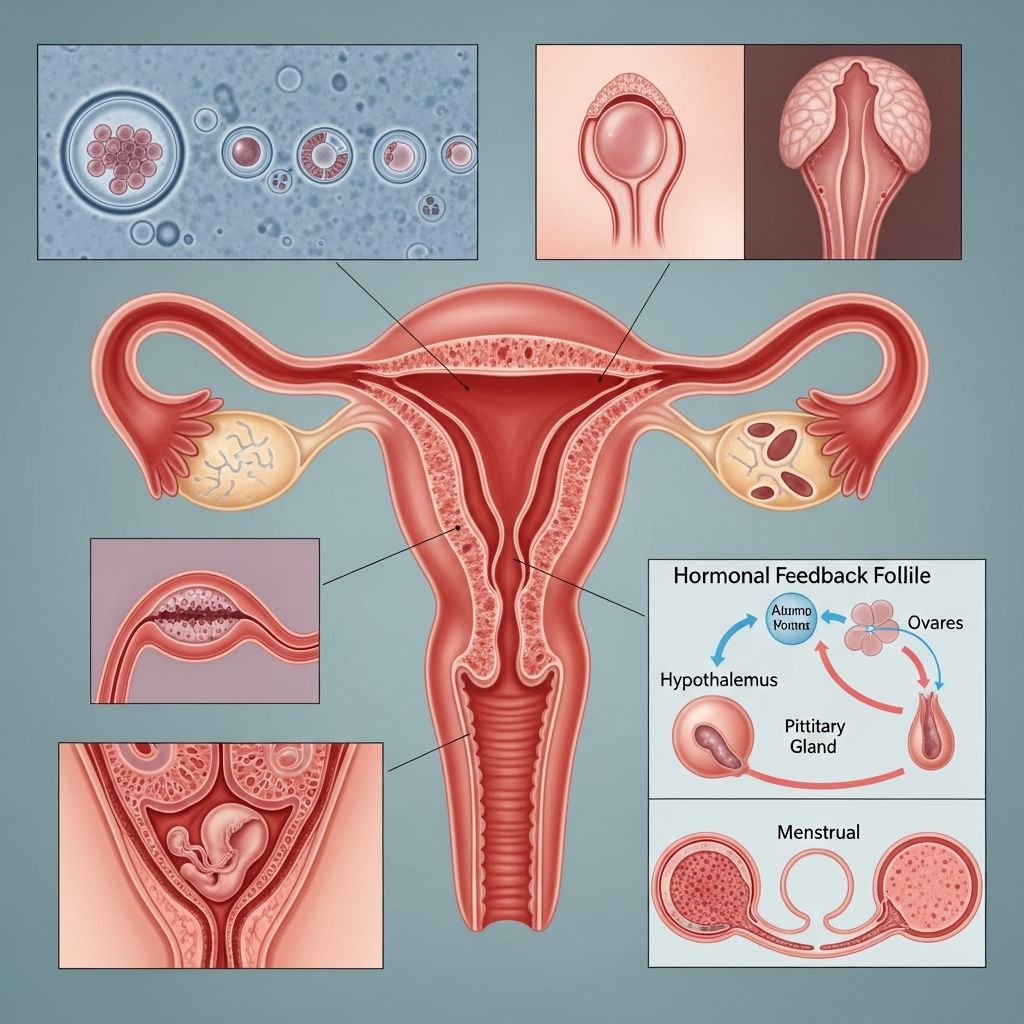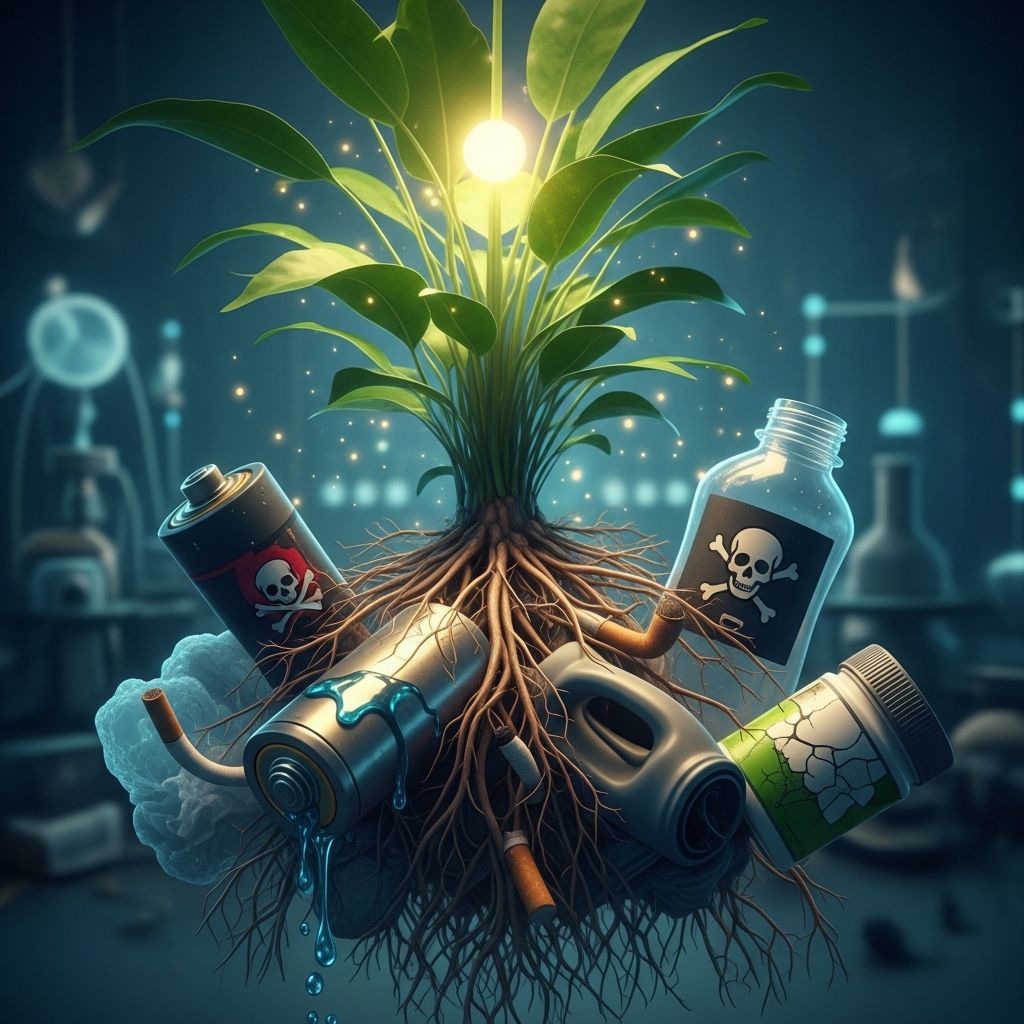
When planning for pregnancy, many focus on diet, exercise, and timing intercourse, but environmental toxins often go overlooked. These substances, found in everyday products, can disrupt hormones, reduce fertility, and increase risks of miscarriage or birth defects. By identifying and minimizing exposure to key chemicals, you can optimize your reproductive health and improve conception odds.
Why Toxins Matter for Fertility and Preconception
Your body prepares for pregnancy months in advance, making the preconception phase critical. Endocrine-disrupting chemicals (EDCs) mimic or block hormones like estrogen and testosterone, potentially leading to irregular cycles, lower sperm quality, and implantation failures. Studies show widespread exposure: nearly every pregnant woman in the US has detectable levels of multiple synthetic chemicals in their blood, which cross the placenta to the fetus. Men face risks too, with chemicals linked to declining sperm counts and genital birth defects.
Reducing exposure isn’t about perfection but proactive choices. Government health agencies like the CDC emphasize limiting contact with known reproductive hazards to support healthier outcomes.
Common Endocrine Disruptors Threatening Fertility
EDCs interfere with reproductive systems at low doses. Here’s a breakdown of prevalent ones:
- Phthalates: Plastic softeners in fragrances, vinyl flooring, and personal care items. Linked to reduced fertility, hormonal imbalances, and genital malformations in boys.
- Bisphenols (BPA, BPF): Found in plastics, cans, and receipts. Associated with altered brain development, lower IQ in children, and fertility issues.
- Parabens and Oxybenzone: Preservatives and UV filters in cosmetics and sunscreens. May mimic estrogen, contributing to reproductive cancers and cycle disruptions.
| Chemical | Common Sources | Fertility Risks |
|---|---|---|
| Phthalates | Perfumes, shampoos, shower curtains | Testosterone blockade, sperm decline |
| BPA/BPF | Plastic bottles, canned foods | Hormone disruption, miscarriage risk |
| PFAS (Forever Chemicals) | Non-stick cookware, waterproof clothing | Reduced fetal growth, thyroid issues |
Industrial Solvents and Reproductive Risks
Solvents dissolve substances in paints, glues, and cleaners. The CDC warns that solvents like benzene, toluene, and perchloroethylene are tied to miscarriages, low birth weight, preterm birth, and birth defects. These volatile compounds enter via inhalation or skin, affecting both partners’ fertility. Occupational exposure is common in manufacturing, but home use in hobbies like painting poses risks too. Men exposed may see sperm motility drop, while women risk ovulatory dysfunction.
To mitigate: Follow product safety labels, use in well-ventilated areas, and opt for low-VOC (volatile organic compound) alternatives. Pregnant workers should consult employers for safer handling protocols.
Pesticides and Persistent Pollutants
Organochlorine pesticides (OCs) and other persistent chemicals linger in the environment despite bans. They bioaccumulate in fat, showing up in nearly all pregnant women. Exposure correlates with psychomotor delays, immune issues, and endocrine disruption. Sources include imported produce, older homes with treated wood, and contaminated fish.
Flame retardants (PBDEs) in furniture and electronics similarly disrupt thyroid function and cognition. A US study found these in 90-100% of maternal and cord blood samples, highlighting unavoidable ubiquity but underscoring reduction strategies.
Household and Personal Care Hazards
Daily items harbor toxins:
- Cleaning Products: Ammonia, bleach, and triclosan can irritate and absorb systemically.
- Pet Products: Flea treatments contain pesticides; delegate application.
- Paint and Varnish: Lead and solvents; avoid renovations.
- Cosmetics: Skip phthalate-laden nail polishes and fragranced lotions.
Australian health guidelines note high exposure risks miscarriage, preterm labor, and developmental issues. The ACOG advises choosing fragrance-free, natural options.
Practical Strategies to Minimize Toxin Exposure
Empower your TTC journey with these actionable steps:
- Audit Your Home: Replace plastic storage with glass or stainless steel. Ventilate during cleaning.
- Shop Smart: Select ‘BPA-free,’ ‘phthalate-free,’ and organic produce. Wash fruits thoroughly.
- Personal Care Swap: Use apps like EWG’s Skin Deep to vet products for parabens and oxybenzone.
- Diet Tweaks: Limit canned goods, fatty fish high in mercury/OCs. Avoid fast food packaging.
- Work and Hobbies: Discuss exposures with your doctor; wear PPE if needed.
- Air and Water: Use HEPA filters; consider filtered water to cut PFAS/lead.
Couples should both reduce exposure—sperm regenerates every 74 days, so men’s efforts count equally.
Evidence from High-Quality Research
Peer-reviewed data confirms links: A review of pregnant women’s exposures found phthalates, phenols, PFCs, and flame retardants in 90-100% of samples, with placental transfer. CDC data on solvents highlights pregnancy complications. CHEMTrust reports EDCs contributing to 1-in-5 young men with fertility impairment. While not all effects are proven causal, precautionary avoidance aligns with expert consensus.
Frequently Asked Questions (FAQs)
What if I’ve already been exposed to these toxins?
Most exposures are low-level and chronic; focus on reduction now. Your body detoxes naturally, and preconception is a reset window. Consult your doctor for personalized advice.
Are ‘natural’ products always safe?
Not necessarily—some contain hidden synthetics. Check labels and third-party certifications like USDA Organic.
Can diet alone detox these chemicals?
Antioxidant-rich foods (berries, greens) support liver function, but avoidance is primary. No quick fix exists.
How do toxins affect male fertility specifically?
Phthalates block testosterone, dropping sperm counts; solvents impair motility. Both partners’ health matters.
Is it safe to renovate or paint while TTC?
Avoid; fumes contain solvents and VOCs. Wait 3-6 months post-exposure.
Empowering Your Path to Parenthood
Navigating toxins empowers you amid TTC uncertainties. Small changes yield big impacts: fresher air, cleaner products, healthier you. Track cycles, stay positive, and partner with healthcare pros. Healthier environments foster conception success.
References
- About Solvents and Reproductive Health — CDC/NIOSH. 2023. https://www.cdc.gov/niosh/reproductive-health/prevention/solvents.html
- Avoiding harmful chemicals in baby products: advice for parents — CHEMTrust. 2024. https://chemtrust.org/advice-for-parents/
- Cumulative Chemical Exposures During Pregnancy and Early Childhood — PMC/NCBI. 2015-10-15. https://pmc.ncbi.nlm.nih.gov/articles/PMC4626367/
- 6 in-home toxins to avoid during pregnancy — UT Southwestern Medical Center. 2019-11-05. https://utswmed.org/medblog/home-toxins-pollutants-pregnancy/
- Toxic household products to avoid during pregnancy — Pregnancy Birth & Baby (Australian Govt). 2023. https://www.pregnancybirthbaby.org.au/toxic-household-products-to-avoid-during-pregnancy
- Toxic Chemicals: Steps to Stay Safer Before and During Pregnancy — ACOG. 2024. https://www.acog.org/womens-health/faqs/toxic-chemicals-steps-to-stay-safer-before-and-during-pregnancy