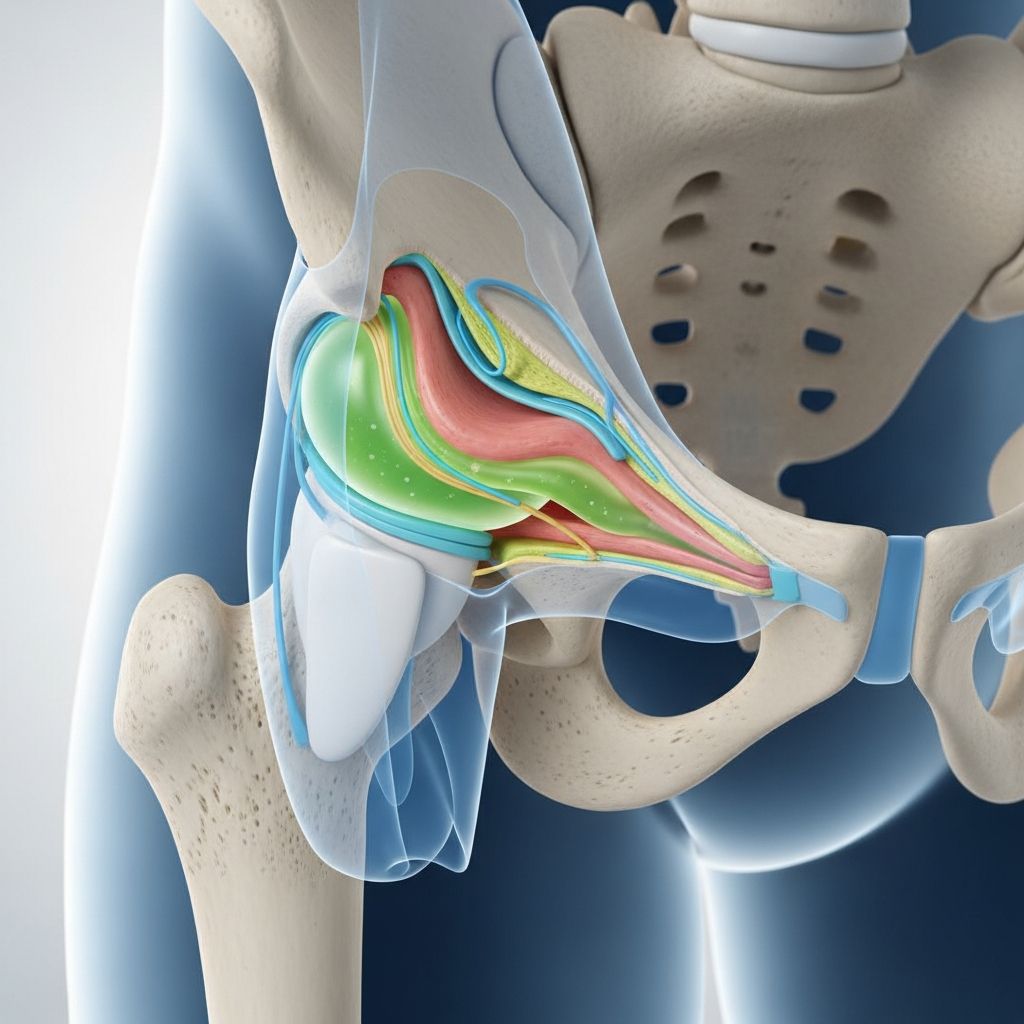
Toxic synovitis, often called transient synovitis or “irritable hip,” is a temporary condition that causes hip pain and limping in young children. Although the sudden onset of pain can be alarming, this condition is usually mild and short-lived, and most kids recover fully with simple home care and rest.
What Is Toxic Synovitis?
Toxic synovitis is an inflammation of the inner lining of the hip joint, known as the synovium. This lining produces fluid that lubricates and cushions the joint; when it becomes irritated, the extra fluid and swelling can make it painful to move the hip. In most cases, only one hip is affected, and symptoms come on quickly over hours or a couple of days.
The condition is most common in children before puberty, especially those roughly between 3 and 8 years old, though it can occur a bit earlier or later as well. Many parents first notice that their child starts limping, walking on tiptoe on one side, or refusing to bear weight on one leg. Despite the dramatic change in walking, most children with toxic synovitis otherwise appear fairly well.
Who Tends to Get It?
Toxic synovitis almost always affects children rather than adults, and boys are seen more often with this problem than girls. It is a frequent cause of acute hip pain in otherwise healthy young children, so pediatric and emergency doctors see it regularly. Because the condition is temporary, many families experience it only once, although a small number of children may have more than one episode.
Parents often recall that their child recently had a minor infection before the limp started, such as a cold, sore throat, stomach bug, or other viral illness. Even though the infection seems unrelated to the hip, this timing helps doctors suspect toxic synovitis instead of something more serious.
Possible Triggers and Causes
The exact cause of toxic synovitis is not fully understood. However, doctors believe that the immune system plays a central role. After fighting off a virus or other minor infection, the immune system may temporarily overreact and cause inflammation inside the hip joint, even though there is no active infection in the joint itself.
In many cases, parents can recall one of the following happening in the weeks before symptoms begin:
- Cold or upper respiratory infection with runny nose, cough, or sore throat
- Stomach bug with vomiting or diarrhea
- Ear infection or similar mild illness
- Occasional minor fall or bump that draws attention to the hip
Because the joint is not infected with bacteria, toxic synovitis is not contagious, and a child cannot “give” it to another child. The term “toxic” refers to the presumed reaction to immune substances, not to poisoning or exposure to chemicals.
Common Signs and Symptoms
The most noticeable feature of toxic synovitis is a sudden change in the way a child moves. Some children wake up one morning limping or refusing to walk, while others start complaining of pain after an afternoon nap or a car ride. The hip joint is deep inside the body, so children may not always point directly to the hip when describing pain.
Typical symptoms include:
- Limping on one leg or walking on tiptoe on the affected side
- Hip pain that worsens when standing, walking, or running
- Pain felt in the groin, thigh, or knee even when the hip itself is not mentioned
- Stiffness or reluctance to move the leg in certain directions
- Mild, low-grade fever or no fever at all
- Refusal to walk or stand when pain is more intense
Young children who cannot describe their symptoms may simply become irritable, cry when their leg is moved, or avoid crawling or standing. Babies may cry during diaper changes when the hips are lifted, or they may move one leg much less than the other.
How It Differs by Age
| Age Group | Common Signs | How Parents Notice It |
|---|---|---|
| Infants (under 1 year) | Crying with hip movement, decreased leg kicking, abnormal or reduced crawling | Distress during diaper changes, favoring one leg, fussiness without obvious cause |
| Toddlers (1–3 years) | Limping, toe-walking on one side, refusing to stand or walk, mild fever | Sudden refusal to walk, clinging to caregivers, asking to be carried more often |
| Young children (4–8 years) | Hip, groin, or knee pain; limp; stiffness after rest or sleep | Complaints of leg or knee pain, difficulty keeping up with peers during play |
| Older children | Localized hip pain, limited range of motion, sometimes recent viral illness | Clear description of hip discomfort, reluctance to participate in sports |
When to Call the Doctor
Any new limp in a child should be evaluated by a healthcare professional. While toxic synovitis is a common, benign cause, other serious conditions—such as a true joint infection or a bone problem—can look similar in the early stages. Early medical assessment helps rule out emergencies and guides appropriate care.
Parents should seek urgent or emergency care instead of waiting for a routine appointment if any of the following red flags are present:
- High fever or shaking chills
- Severe pain that prevents any movement of the leg
- Redness, warmth, or marked swelling around the hip area
- Child appears very ill, lethargic, or unable to drink fluids
- Recent major injury, such as a fall from a height or car accident
If symptoms are mild, the child looks otherwise well, and pain improves a little with rest, a same-day or next-day visit to the child’s doctor is still recommended to confirm the diagnosis.
How Doctors Make the Diagnosis
There is no single test that proves a child has toxic synovitis. Instead, doctors combine the story of how symptoms started, a careful physical exam, and sometimes tests or imaging studies to rule out other conditions. The first step is often a discussion about recent illnesses, injuries, fevers, or changes in activity level.
During the physical examination, the doctor gently moves the child’s hip in different directions, comparing both sides. Pain at certain angles, limited motion, or a protective muscle tightness can point toward inflammation in the joint. The doctor also checks for fever, signs of infection elsewhere in the body, and tenderness in nearby areas such as the thigh or knee.
Tests and Imaging That May Be Used
Because some serious problems can mimic toxic synovitis, doctors may recommend tests to be safe. Not every child needs all of these; decisions are based on the severity of symptoms and exam findings. Common options include:
- Blood tests to look for markers of infection or significant inflammation
- X-rays of the hip to rule out fractures, bone diseases, or structural issues
- Ultrasound to detect extra joint fluid, which indicates inflammation in the hip
- Advanced imaging (such as MRI) in unusual or unclear cases
One of the most important reasons for these tests is to distinguish toxic synovitis from septic arthritis, a true bacterial infection in the joint that requires urgent treatment. In rare, uncertain cases, a doctor may remove a small sample of joint fluid using a needle to check for bacteria.
Treatment: What Helps at Home
For straightforward cases of toxic synovitis, treatment focuses on relieving pain and allowing the inflamed joint to rest. Most children improve significantly within a few days and make a full recovery within one to two weeks. Hospital stays are rarely needed unless another condition is suspected or the child cannot take fluids or medicine by mouth.
Home care generally includes:
- Rest and reduced activity: Limiting running, jumping, and rough play so the hip can recover
- Short-term use of pain relievers: Over-the-counter medications recommended and dosed by a healthcare professional
- Comfortable positioning: Allowing the child to find a position where the hip feels best, even if it looks a bit unusual
- Close observation: Watching for changes such as rising fever, worsening limp, or spreading pain
Medications Your Doctor May Recommend
Anti-inflammatory medicines are often used to reduce both pain and swelling inside the hip joint. These medications are usually given for a few days at the correct dose based on the child’s age and weight. Parents should carefully follow the dosing instructions provided by the healthcare team and avoid combining similar medications without guidance.
Typically, antibiotics are not needed because the joint is not infected with bacteria in toxic synovitis. If a true joint infection is found instead, treatment plans change significantly and may include intravenous medications or surgery, which is one reason an accurate diagnosis matters so much.
Expected Recovery and Prognosis
The outlook for children with toxic synovitis is excellent. Most children start to feel noticeably better within a few days of rest and appropriate pain relief. The limp usually improves steadily, and many children are walking more comfortably within a week, although mild stiffness may linger slightly longer.
Parents can expect the following timeline in many cases:
- Pain relief begins within several days of treatment
- Limping decreases over 7 to 10 days
- Full return to normal activities within 1 to 2 weeks
A small number of children may have symptoms that take a few weeks to completely disappear, and occasional recurrences can happen. Keeping follow-up appointments with the child’s doctor ensures that recovery is on track and that no other problems are developing.
Possible Complications and Recurrence
Serious long-term complications from toxic synovitis itself are rare. The key risk is missing another condition that looks similar but is more serious, such as septic arthritis, a slipped growth plate in the hip, or certain childhood bone disorders. This is why prompt evaluation and, when appropriate, follow-up visits are essential.
Some children experience more than one episode of hip pain due to transient synovitis, especially if they return to intense physical activity too soon. To help lower the chance of recurrence:
- Follow the doctor’s recommendations about when to go back to sports and full play
- Encourage a gradual increase in activity rather than an abrupt return to running and jumping
- Monitor for early signs of recurrence, such as a mild limp or complaints of hip or knee pain
Supporting Your Child Emotionally
Even though toxic synovitis is medically mild, it can feel frightening for a child who suddenly cannot walk without pain. Children may worry that something is “broken” or that they caused the problem by playing. Simple, calm explanations help a lot, such as letting them know the hip is irritated but will heal with rest.
Parents can also support their child by:
- Reassuring them that many children get better quickly from this condition
- Offering choices in comfortable positions, such as pillows under the knee or lying on the back
- Planning quiet games and activities that keep them included in family life, even while they are resting
Prevention: Is It Possible?
Because the exact cause of toxic synovitis is unknown, there is no guaranteed way to prevent it. The condition does not result from poor parenting, bad posture, or ordinary play, and it generally cannot be avoided by specific exercises or diets. That said, maintaining overall health can support the immune system’s ability to recover smoothly from minor infections.
Reasonable steps include encouraging good handwashing, staying up to date on routine vaccinations as advised by healthcare providers, and promoting regular physical activity in line with the child’s age and abilities. Still, even with these healthy habits, some children will develop toxic synovitis simply because their immune systems respond in this way.
Frequently Asked Questions (FAQs)
Is toxic synovitis dangerous?
Toxic synovitis itself is usually not dangerous and does not typically cause permanent damage to the hip joint. The main concern is distinguishing it from more serious conditions that do require urgent treatment, which is why medical evaluation for a limp or hip pain is so important.
Can my child go to school with toxic synovitis?
Many children can attend school if their pain is mild and they can move safely with support, but others may need to stay home for a few days while discomfort is more intense. Decisions should be guided by the child’s comfort level, ability to get around at school, and advice from the healthcare provider.
Will my child need physical therapy?
Most children recover fully from toxic synovitis without formal physical therapy. Gentle return to normal play usually restores strength and range of motion naturally. In the rare instance that stiffness or limping lingers, a doctor may suggest specific stretches or a short course of therapy.
Does toxic synovitis increase the risk of arthritis later in life?
There is no clear evidence that a typical episode of toxic synovitis by itself leads to arthritis or other chronic joint problems in adulthood. The joint inflammation is temporary, and once it resolves, most children go back to completely normal hip function.
When can my child return to sports and running?
Children are usually cleared to resume sports and vigorous play once they can walk, run, and jump without pain or limping. Many doctors recommend waiting until the child has had several pain-free days during normal activities before restarting organized sports or heavy exercise.
Key Takeaways for Parents
- Toxic synovitis is a temporary inflammation of the hip joint that usually affects young children and causes pain and limping.
- The condition often appears after a minor viral illness and is not caused by an injury or by anything a child or parent did wrong.
- Medical evaluation is essential to rule out more serious causes of hip pain, especially when there is high fever or severe pain.
- Most children recover fully within one to two weeks with rest, pain relief, and gradual return to activity.
- Staying alert for changes, keeping follow-up appointments, and offering reassurance help children feel safe and supported during recovery.