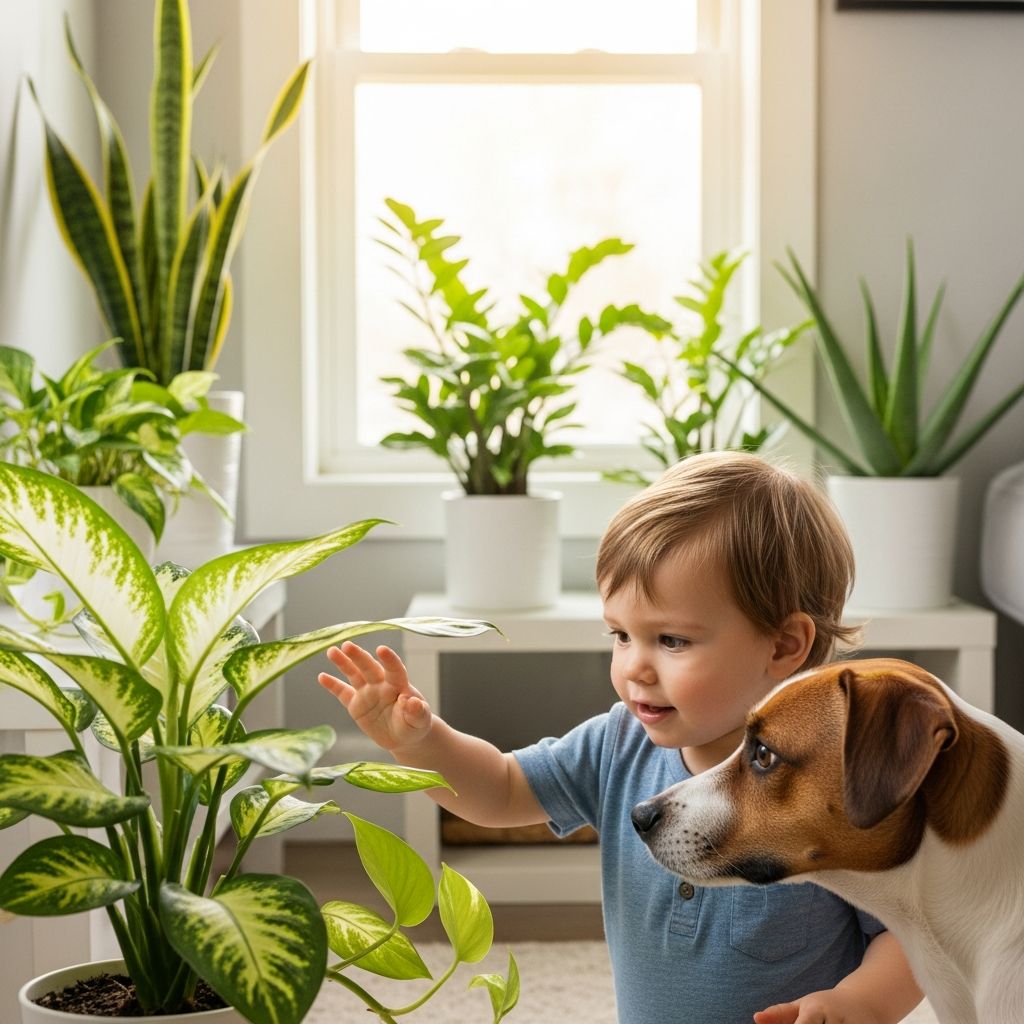
Bringing greenery indoors enhances living spaces, but many popular houseplants contain compounds that can cause harm to young children and pets. Toddlers explore with their hands and mouths, while curious cats and dogs may chew on leaves or stems, leading to potential poisoning. Understanding which plants are dangerous empowers parents and pet owners to make informed choices for a safer environment.
Why Indoor Plants Pose Hidden Dangers
Houseplants thrive in homes for their air-purifying qualities and aesthetic appeal, yet their chemical defenses against pests can irritate or sicken humans and animals. Calcium oxalate crystals, saponins, and grayanotoxins are common toxins found in these plants. For toddlers, even brief contact can cause mouth swelling or gastrointestinal distress; for pets, effects range from vomiting to organ failure. The American Society for the Prevention of Cruelty to Animals (ASPCA) lists over 400 toxic plants, emphasizing the need for vigilance in pet-owning households.
Children under three are particularly vulnerable due to their exploratory behavior and smaller body size, which amplifies toxin effects. Pets like cats, prone to grooming after nibbling, face compounded risks. Recent data from poison control centers highlight sago palm and lilies as frequent culprits in emergency calls, underscoring the prevalence of these issues in modern homes.
Most Hazardous Houseplants to Avoid
Certain plants stand out for their severe toxicity. Here’s a breakdown of the worst offenders, categorized by risk level based on ingestion effects.
Extremely Toxic Plants
- Oleander (Nerium oleander): Every part, especially leaves and flowers, contains cardiac glycosides that disrupt heart rhythm. Symptoms include dizziness, vomiting, and potentially fatal arrhythmias in both kids and pets.
- Sago Palm (Cycas revoluta): Seeds and leaves cause liver failure in dogs, with high mortality rates. Humans experience vomiting and abdominal pain.
Moderately Toxic Plants
- Peace Lily (Spathiphyllum): Oxalate crystals provoke intense mouth burning, swelling, and nausea across species.
- Dieffenbachia (Dumb Cane): Swelling of the tongue and throat can hinder breathing; painful oral irritation common.
- Lilies: True lilies devastate cat kidneys even from pollen grooming; dogs and humans face milder gastrointestinal upset.
Mildly Toxic but Common Risks
These plants cause discomfort but are widespread in homes.
| Plant Name | Toxicity to Humans | Toxicity to Pets | Key Symptoms |
|---|---|---|---|
| Pothos/Devil’s Ivy (Epipremnum aureum) | Mild irritation | Toxic to cats/dogs | Mouth burning, vomiting |
| Philodendron | Mild | Toxic | Swelling, drooling |
| Snake Plant (Sansevieria/Dracaena trifasciata) | Moderate | Moderate | Nausea, diarrhea |
| Monstera (Swiss Cheese Plant) | Mild | Toxic | Oral irritation |
| Aloe Vera | Safe topically | Mild-moderate | Vomiting, tremors |
This table summarizes risks from reliable veterinary and pediatric sources, helping quick identification.
Symptoms of Plant Poisoning in Toddlers
Recognizing early signs can prevent escalation. Watch for drooling, pawing at the mouth, vomiting, or lethargy shortly after exposure. Severe cases involve difficulty breathing, seizures, or bloody stools. The National Capital Poison Center advises immediate medical attention for any suspected ingestion, as even small amounts of highly toxic plants like oleander can be life-threatening. Skin contact may cause rashes, while eye exposure leads to redness and tearing.
Symptoms and Effects on Pets
Dogs often vomit after chewing toxic foliage, progressing to weakness or jaundice from liver damage (e.g., sago palm). Cats suffer acute kidney failure from lilies, with symptoms like increased thirst and urination. Birds and small mammals face amplified risks from sap exposure, causing respiratory distress. Contact the ASPCA Animal Poison Control Center at (888) 426-4435 for pet-specific guidance.
Prevention Strategies for a Safer Home
Proactive measures minimize risks without sacrificing greenery.
- Hang plants from high ceilings or use wall-mounted shelves beyond reach.
- Opt for pet gates or baby-proofing to restrict access to plant areas.
- Train pets with bitter sprays on leaves and provide alternative chew toys.
- Maintain a ‘no-plant zone’ in play areas and bedrooms.
- Label pots discreetly with toxicity warnings for visitors.
For parents, educate caregivers on emergency protocols, including rinsing mouths with water and avoiding induced vomiting unless directed by professionals.
Safe and Non-Toxic Plant Alternatives
Not all greenery is risky. Choose these vetted options for peace of mind.
- Spider Plant (Chlorophytum comosum): Air-purifying and resilient, safe for nibbling.
- Boston Fern: Lush and humidity-loving, non-toxic to all.
- African Violet: Colorful blooms with no harmful effects.
- Parlor Palm: Elegant and pet-friendly.
- Christmas Cactus: Festive and harmless.
These selections come from ASPCA-approved lists, ensuring compatibility with active households.
What to Do in Case of Exposure
Act swiftly: Remove plant remnants from mouth, rinse with cool water, and monitor symptoms. Do not induce vomiting. For children, call Poison Control at 1-800-222-1222; for pets, reach ASPCA or local vets. Provide photos of the plant for accurate identification. Most cases resolve with supportive care, but timely intervention is crucial for severe toxins.
Understanding Toxicity Levels Explained
Toxicity varies by plant part, amount ingested, and individual sensitivity. Mild cases self-resolve; moderate require observation; extreme demand hospitalization. Factors like plant freshness influence potency—wilting leaves may concentrate toxins. Veterinary toxicology reports confirm dogs metabolize some compounds better than cats, explaining species-specific dangers.
Common Myths About Poisonous Plants
Myths persist: Poinsettias are mildly irritating at most, not deadly; touching alone rarely causes severe reactions. Aloe gel is safe internally for humans but latex is not. Debunking these encourages evidence-based choices over fear.
Frequently Asked Questions (FAQs)
Are all houseplants dangerous for toddlers?
No, most are safe in small amounts, but prioritize non-toxic varieties to eliminate worry.
Can pets get sick from just smelling plants?
Rarely; ingestion or pollen grooming (lilies for cats) is the primary risk.
How do I identify a toxic plant quickly?
Use ASPCA or Poison Control databases with plant photos for confirmation.
Is Aloe Vera safe for pet skin?
Gel yes, but ingestion of leaves causes issues—keep out of reach.
What if my child or pet shows no symptoms?
Monitor 24-48 hours; some effects like kidney damage appear delayed.
Creating a Child and Pet-Friendly Green Space
Balance beauty and safety by mixing elevated toxic plants with ground-level safe ones. Regular pruning reduces temptation, and hydroponic setups keep roots inaccessible. Community gardens offer outlets for risky plants. Educating family fosters collective responsibility, turning homes into thriving, hazard-free oases.
By selecting wisely and staying vigilant, families enjoy nature’s benefits without the dangers. Consult professionals for personalized advice tailored to your household dynamics.
References
- Keep These Houseplants Away from Pets and Kids — The Nursing Beat. 2023. https://www.thenursingbeat.com/articles/keep-these-houseplants-away-from-pets-and-kids
- 8 Houseplants That Could Harm You and Your Pets — American Kennel Club (AKC). 2024-05-15. https://www.akc.org/expert-advice/home-living/houseplants-that-could-harm-pets/
- 15 Non-Toxic Houseplants That Are Safe for Kids & Pets — Ted’s Gardens. 2022. https://tedsgardens.com/15-non-toxic-houseplants-that-are-safe-for-kids-pets/
- Houseplants that are toxic to pets — Southern Cross Pet Insurance. 2025-01-10. https://www.southerncrosspet.co.nz/pet-hub/tips-and-tricks/toxic-houseplants/
- 15 Poisonous Plants to Keep Away From Kids — The Bump. 2024. https://www.thebump.com/a/poisonous-plants-for-kids
- Toxic and Non-Toxic Plants — ASPCA. 2026-02-01. https://www.aspca.org/pet-care/aspca-poison-control/toxic-and-non-toxic-plants