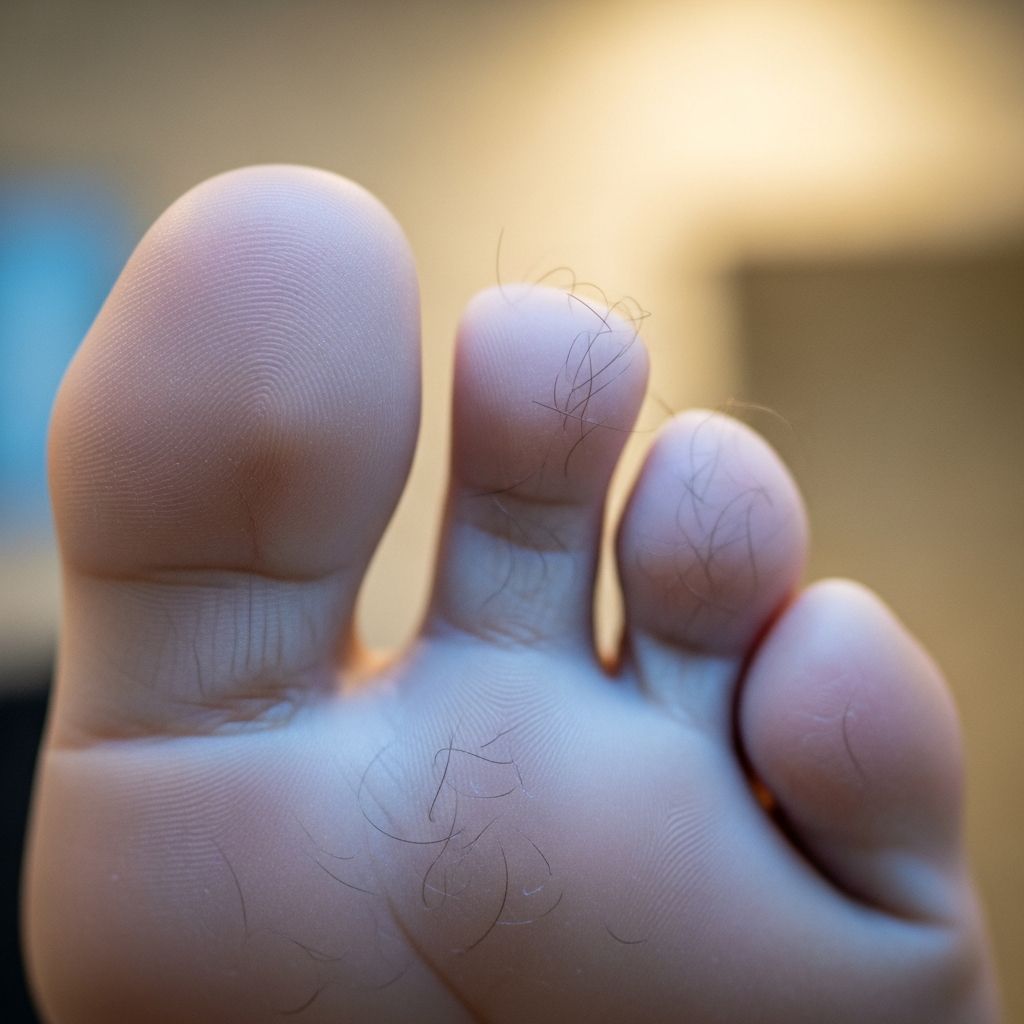
Many people overlook the fine hairs on their toes, but these tiny features serve as barometers for cardiovascular wellness. Robust toe hair often signifies efficient blood delivery to the extremities, while its gradual disappearance can flag underlying issues like impaired circulation or rising metabolic stress. This article delves into the physiological reasons behind toe hair, its health implications, and actionable steps to maintain optimal foot circulation.
The Biology of Toe Hair and Blood Supply
Hair follicles on the toes depend entirely on a steady stream of oxygen-rich blood from microscopic vessels known as capillaries. These follicles, located far from the heart, require robust microvascular function to thrive. When circulation excels, nutrients and hormones reach these distant sites, fostering hair growth as a non-essential but telling sign of vitality.
In contrast, compromised blood flow starves follicles, halting growth. Podiatrists frequently note that patients with lush toe hair demonstrate healthy peripheral perfusion, meaning blood effectively nourishes the skin and appendages. This principle extends to evolutionary biology: the body prioritizes vital organs during scarcity, sidelining peripheral hair production.
- Key nutrients for follicle health: Oxygen, glucose, amino acids, and hormones like testosterone.
- Microvascular role: Tiny arteries and veins deliver essentials; damage here first affects extremities.
- Distance factor: Toes are among the body’s farthest points, making them sensitive indicators.
Warning Signs When Toe Hair Vanishes
Sudden or progressive loss of toe hair, particularly on the big toe, warrants attention. This change rarely occurs in isolation and often accompanies other symptoms of vascular strain. Clinicians in podiatry and functional medicine use it as a quick screening tool during exams.
| Symptom | Possible Implication | Associated Conditions |
|---|---|---|
| Thinning or bald toes | Poor nutrient delivery to follicles | Peripheral artery disease (PAD), diabetes |
| Cold extremities | Reduced blood volume in peripherals | Vascular insufficiency, Raynaud’s |
| Shiny, pale skin | Atrophied skin from low oxygenation | Chronic ischemia |
| Slow-healing wounds | Impaired tissue repair | Diabetes, high cholesterol |
| Numbness or tingling | Nerve compression or damage | Diabetic neuropathy, PVD |
These signs collectively suggest endothelial dysfunction, where blood vessel linings fail to dilate properly, curbing flow. Early detection through self-checks can prevent escalation to ulcers or amputations.
Primary Culprits: Diabetes and Metabolic Factors
Diabetes tops the list of conditions linked to toe hair loss. Elevated blood sugar damages small vessels and nerves over time, a process called microvascular complications. Even prediabetes, with insulin resistance, triggers inflammation that impairs nitric oxide—a molecule essential for vessel relaxation.
According to podiatric experts, hairless toes in diabetic patients correlate with neuropathy onset, where patients report burning or numbness alongside balding. High cholesterol (hyperlipidemia) exacerbates this by plaque buildup in arteries, further restricting flow.
- Prediabetes marker: Toe hair thinning precedes formal diagnosis by years.
- Insulin’s role: Chronic elevation promotes oxidative stress, harming vessel walls.
- Prevention focus: Glycemic control preserves microvascular integrity.
Vascular Diseases and Lifestyle Contributors
Peripheral artery disease (PAD) narrows leg arteries, slashing blood to feet. Risk factors include smoking, hypertension, and sedentary habits, all reducing toe perfusion. Smokers face accelerated follicle loss due to nicotine’s vasoconstrictive effects.
Raynaud’s phenomenon, where toes blanch and chill in response to cold or stress, also signals circulatory woes, often tied to autoimmune issues or hypertension. Aging naturally thins hair, but abrupt changes demand evaluation.
Genetics influence baseline hairiness—some toes are naturally sparse—but acquired baldness points to pathology. Tight footwear or friction can mimic loss by rubbing hairs, but true cessation stems from vascular roots.
Inflammation and Systemic Stress Links
Chronic low-grade inflammation, from gut dysbiosis, toxins, or stress, diverts resources from ‘luxury’ functions like hair growth. Functional medicine views bald toes as evidence of the body entering survival mode, prioritizing core systems.
Adrenal or hormonal imbalances may spur excessive growth, though rare, hinting at polycystic ovary syndrome (PCOS) or medications. Cancer-related hypertrichosis is exceptionally uncommon but underscores monitoring sudden surges.
Diagnostic Approaches and Professional Insights
Podiatrists assess toe hair during routine checks, pairing it with ankle-brachial index (ABI) tests to measure circulation. ABI compares arm and ankle blood pressure; values below 0.9 indicate PAD. Doppler ultrasound visualizes blockages, while bloodwork screens for glucose and lipids.
Integrated care models link podiatry with vascular specialists for holistic evaluation, emphasizing early intervention. Self-monitoring involves monthly toe inspections under good light, noting changes against family baselines.
Strategies to Boost Circulation and Preserve Toe Hair
Lifestyle tweaks can reverse early decline. Exercise—brisk walking 30 minutes daily—enhances endothelial function and nitric oxide. A diet rich in antioxidants (berries, leafy greens) combats inflammation, supporting vessel health.
- Quit smoking: Restores flow within months.
- Manage weight: Reduces insulin demand on vessels.
- Stay hydrated: Maintains blood volume.
- Elevate feet: Aids venous return, preventing swelling.
- Wear proper shoes: Avoids friction-induced loss.
Supplements like omega-3s or L-arginine may aid vasodilation, but consult physicians first. Compression socks improve symptoms in venous insufficiency.
Debunking Myths and Normal Variations
Not all bald toes spell disaster; lifelong hairlessness is genetic for many. Women may notice less due to hormonal differences, and fair-haired individuals see subtler growth. Focus on trends: stability is reassuring; progression is a cue for action.
Excessive hair rarely signals peril beyond hormones or meds, reinforcing body hair’s normalcy. Embrace hairy toes as vascular victory badges.
Frequently Asked Questions (FAQs)
Is toe hair loss always a sign of poor circulation?
No, genetics or aging can cause it, but sudden thinning with cold feet or numbness suggests vascular checks.
Can diabetes cause toe hair to disappear?
Yes, high sugar damages microvessels feeding follicles, a common early sign.
Should I worry about hairy toes?
Typically positive—they indicate good blood supply. Rare excess may link to hormones.
How can I improve foot circulation at home?
Daily walks, hydration, smoking cessation, and foot elevation help significantly.
When to see a podiatrist for toe hair changes?
If accompanied by pain, slow healing, or color shifts—prompt evaluation prevents complications.
This comprehensive guide empowers proactive foot health monitoring. Toe hair, though humble, mirrors systemic wellness—heed its messages for lasting vitality.
References
- The Clue Hiding in Your Big Toe — AK Wellness Lounge. 2023. https://www.akwellnesslounge.com/blog/the-clue-hiding-in-your-big-toe
- The Case for Hairy Toes — Beyond Podiatry. 2024. https://beyond-podiatry.com/why-you-shouldnt-ignore-your-toe-hair/
- 5 Ways Your Feet Warn You About Your Health — Freeland Foot & Ankle Clinic. 2022-10-15. https://www.freelandfoot.com/blog/5-ways-your-feet-warn-you-about-your-health.cfm
- Hairy Toes Indicate Good Foot Circulation — RFA Institute. 2023. https://rfainstitute.com/archives/hairy-toes-indicate-good-foot-circulation-md-podiatrist/
- What’s the Deal with Hairy Toes? — Louetta Foot and Ankle. 2024. https://louettafootandankle.com/educational-resources/whats-the-deal-with-hairy-toes/