A short home video of a onesie-clad toddler copying Beyoncé’s famous “Single Ladies (Put a Ring on It)” choreography has captured the internet’s heart, showcasing both the power of music and the amazing learning abilities of very young children.
The Viral Video: A Living Room Concert
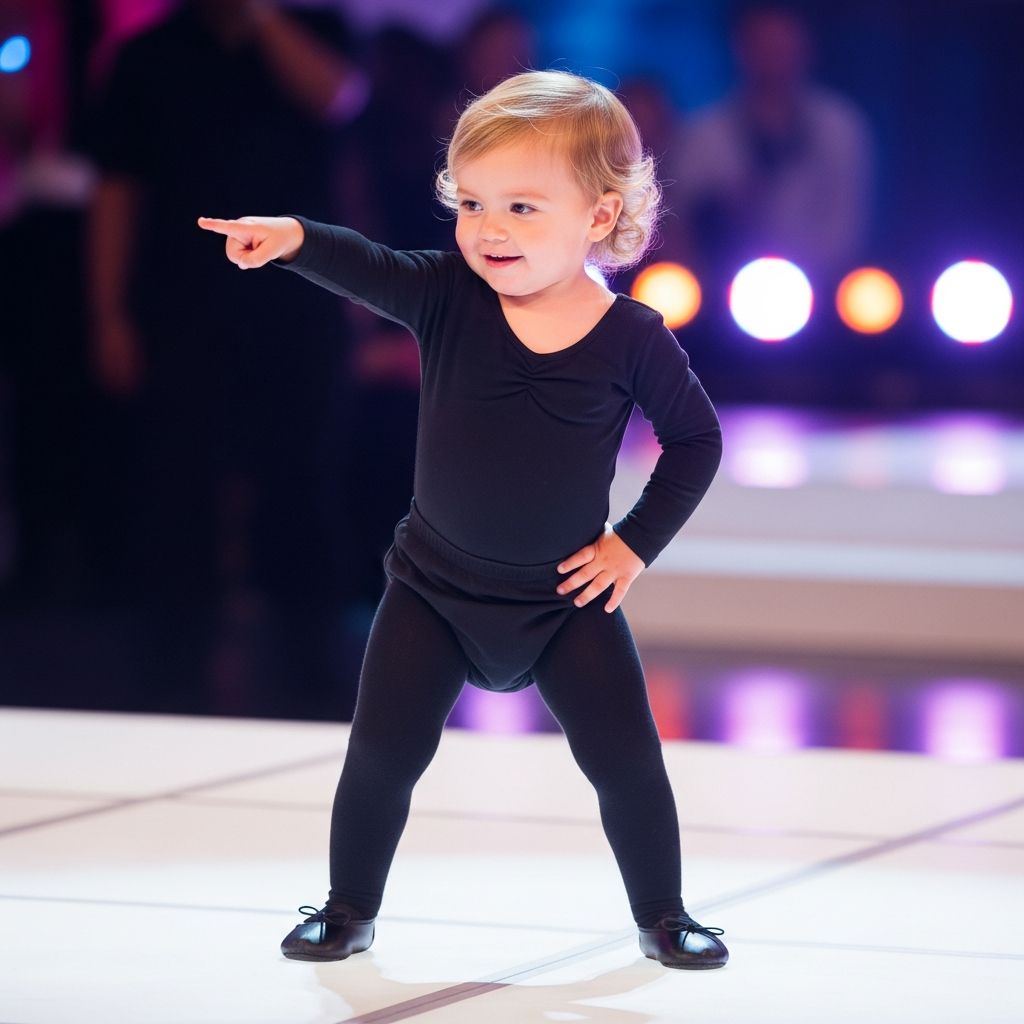
In the now-viral clip, a toddler stands in front of a television where Beyoncé’s “Single Ladies” performance plays, carefully watching the superstar’s moves and copying them with surprising precision. Every hip sway, arm pop, and confident pose is echoed in miniature, turning an ordinary living room into a makeshift concert stage.
The child is dressed casually in a simple onesie, which only makes the performance more endearing as viewers see pure joy and concentration on the toddler’s face. The timing, the enthusiasm, and the recognizable choreography create a moment that is both funny and genuinely impressive.
- The toddler watches Beyoncé closely and mirrors each move almost beat for beat.
- The setting is clearly a normal home environment, which makes the performance feel authentic and relatable.
- The video is short, spontaneous, and clearly not a staged production, yet it looks like a tiny professional routine.
Why Beyoncé’s ‘Single Ladies’ Inspires Kids
Beyoncé’s “Single Ladies” is one of the most recognizable pop songs and music videos of the last two decades, built around clear beats, bold moves, and simple, repetitive choreography. That combination makes it especially easy for even very young children to latch onto the rhythm and imitate the motions they see.
The video’s black-and-white aesthetic, dramatic poses, and strong, repetitive arm movements give kids strong visual cues to follow, almost like a real-time dance lesson. For a toddler who loves music and movement, this kind of performance becomes irresistible “copy-me” material.
- Strong beats and repeated patterns support children’s natural tendency to move to music.
- Clear, bold gestures are easier for toddlers to attempt than subtle, complex choreography.
- The energy and confidence in Beyoncé’s performance can be contagious for young viewers.
How Toddlers Learn Through Imitation
The toddler’s impressive routine is a perfect example of how children learn by watching and copying adults, a process known as observational learning or modeling. Even without formal instruction, young kids can store sequences of movements and then try them out on their own in play.
When a child sees a performance several times, they begin to anticipate the next move, practicing coordination, balance, and memory as they try to keep up. What looks like “just dancing” is actually a rich blend of cognitive, social, and physical development at work.
- Memory skills: Remembering which move comes next and when to perform it.
- Motor skills: Practicing balance, coordination, and body control with each step.
- Emotional expression: Using dance and music as an outlet for joy and excitement.
Motor Skills on Display
For a toddler to spin, bend, clap, and strike poses on the beat shows how quickly children can develop complex motor skills when they are motivated and engaged. Mimicking professionally choreographed dance requires the child to coordinate both sides of the body and synchronize movements with sound.
Each attempt to match Beyoncé’s choreography helps the child strengthen muscles, improve spatial awareness, and refine timing. Even when the moves are not perfect, the effort itself is a powerful form of practice that supports healthy physical development.
- Large movements like steps, jumps, and turns build gross motor abilities.
- Hand placements, finger snaps, and specific arm angles support fine motor control.
- Keeping up with the beat encourages timing, rhythm, and body awareness.
Media, Music, and Young Children
Videos like this highlight how strongly children respond to media, especially when it features catchy songs and energetic performances. Music videos and live performances can easily become a child’s favorite form of entertainment, particularly when parents also enjoy the artist.
At the same time, the clip reminds adults that kids absorb far more than they appear to at first glance. When a toddler can reproduce complex choreography, it underscores how closely children observe not just words but also gestures, attitudes, and body language.
- Young kids may ask to replay the same song or clip many times, reinforcing learning.
- Parents’ own musical tastes often shape what children are exposed to at home.
- Even casual background viewing can turn into strong imitation and memorization.
Internet Reactions and Viral Fame
The toddler’s dance quickly resonated with viewers, who flooded the comment sections with laughter, praise, and amazement at the little one’s talent and confidence. Many adults recognized themselves in the parent who decided to hit record “just in case” and ended up capturing an unforgettable moment.
Some viewers jokingly promoted the toddler as a “future backup dancer” or “mini Beyoncé,” while others focused on how joyful it was to see a child loving music so openly. Viral moments like this remind people that the internet can still be a place where simple, wholesome family videos bring strangers together.
- Comments often highlight the child’s sense of rhythm and performance instincts.
- Viewers share the video with friends and family, keeping the clip in circulation.
- Parents relate to the surprise of realizing how much their children have picked up from everyday media.
Parenting Takeaways From a Viral Clip
While the video is mainly just fun, it carries a few useful reminders for parents about kids, media, and creativity. Children often benefit when adults treat their interests seriously, cheering them on and giving them safe spaces to express themselves through art, music, and movement.
Parents also see how important it is to stay aware of what plays on screens around young kids, because even casual background content can shape how they move, speak, and interact with others. Supporting their enthusiasm while keeping boundaries in place can create a healthy balance.
- Encourage safe, age-appropriate opportunities for kids to dance, sing, and perform.
- Stay mindful of lyrics, visuals, and themes in the media children imitate.
- Use their love of music and movement to start conversations about confidence and self-expression.
Safe and Age-Appropriate Dance for Toddlers
Seeing a toddler perform adult choreography often prompts questions about what is and is not age-appropriate. The key is whether the focus is on fun, movement, and self-expression rather than polished performance or mature themes that children do not understand.
Parents who enjoy sharing music videos or live performances with their children can set simple boundaries, like skipping certain songs, choosing clean edits, or turning a potentially grown-up routine into a silly, family-friendly version that emphasizes fun over precision.
- Choose songs with positive or neutral themes when encouraging toddlers to dance.
- Frame dance time as play, not as a performance that needs to be “perfect.”
- Teach body autonomy and consent even in playful dance, such as letting kids decide when they want to perform and when they do not.
Benefits of Music and Dance in Early Childhood
Beyond the viral laughs, the toddler’s Beyoncé-style routine represents a form of enrichment that can support many areas of development. Dance combines movement, rhythm, creativity, and social interaction, making it a powerful activity for growing brains and bodies.
Regular opportunities to dance at home—whether to pop hits, children’s songs, or lullabies—can help kids build confidence, regulate their energy, and connect with family members in shared moments of fun. When a camera happens to capture one of those moments, it is a bonus, not the main goal.
- Language development: Singing along helps with vocabulary and sound awareness.
- Social skills: Group dances and copycat games teach turn-taking and cooperation.
- Self-esteem: Applause and encouragement show kids that their efforts are valued.
From Home Video to Online Sensation
The journey from a casual home recording to a viral sensation often follows the same path: a parent captures a surprising or adorable moment, shares it with a small circle, and then watches as the clip gets reposted and noticed by larger audiences. The toddler’s precise “Single Ladies” rendition fits perfectly into that pattern.
What makes this clip stand out is the clear evidence of repetition and practice behind the scenes, even if it was never meant as formal training. The child has obviously watched the performance enough times to internalize the choreography, turning a favorite song into a full-body experience.
| Element | How It Appears Here |
|---|---|
| Cuteness factor | A tiny child in a simple onesie confidently copying a world-famous superstar. |
| Recognizable song | Beyoncé’s “Single Ladies” is instantly familiar to many viewers. |
| Surprising skill | The toddler gets many of the moves, timing, and poses surprisingly accurate. |
| Relatable setting | An ordinary living room instead of a stage or studio makes the moment feel real. |
| Shareability | Short, funny, and heartwarming—easy to send to friends and post on social media. |
Tips for Parents of Little Dancers
For families inspired by the video, encouraging a toddler’s love of dance does not require viral fame or elaborate choreography. With a bit of intention, parents can turn any living room into a safe and joyful mini dance studio that supports healthy growth.
Focusing on connection and enjoyment rather than how “good” the moves look helps children build a lifelong positive relationship with movement, music, and their own bodies.
- Create a regular “dance break” at home where everyone in the family joins in.
- Rotate playlists so kids hear a variety of genres, from pop to children’s songs to world music.
- Let kids lead sometimes by choosing the song and inventing the moves for others to copy.
- Record short clips for family memories, but avoid pressuring children to perform on camera.
FAQs About Toddlers and Viral Dance Videos
Is it normal for toddlers to copy complex dances they see on TV?
Yes, many toddlers are capable of copying surprisingly complex movement patterns, especially if they watch the same video repeatedly and feel motivated by the music. Their brains are wired to learn through imitation, and dance routines offer clear, rhythmic sequences that are easier to remember and repeat than adults might expect.
Should parents worry about the content of music videos toddlers imitate?
Parents do not need to panic, but it is wise to stay aware of what young children are watching and imitating. Choosing mostly positive, age-appropriate content and skipping videos with overly mature themes or imagery helps kids enjoy music and dance while keeping exposure in line with family values.
Can dancing to pop songs really help with development?
Yes, dancing to pop songs and other music can support motor skills, rhythm, coordination, language development, and emotional expression. The key is balance: dancing should feel like play, not pressure, and should be one of many activities, including outdoor play, quiet time, and hands-on exploration.
Is it safe to post toddler dance videos online?
Sharing children’s videos online is a personal decision, and parents should consider privacy settings, potential audience size, and long-term digital footprints before posting. Some families prefer sharing only with close friends and relatives through private channels rather than making content fully public.
How can parents encourage a love of dance without focusing on perfection?
Parents can emphasize fun, effort, and creativity rather than accuracy, praising kids for their enthusiasm and unique style. Joining in the dancing, letting children pick songs, and occasionally turning off the camera can all help keep the focus on connection and joy rather than performance or online reactions.