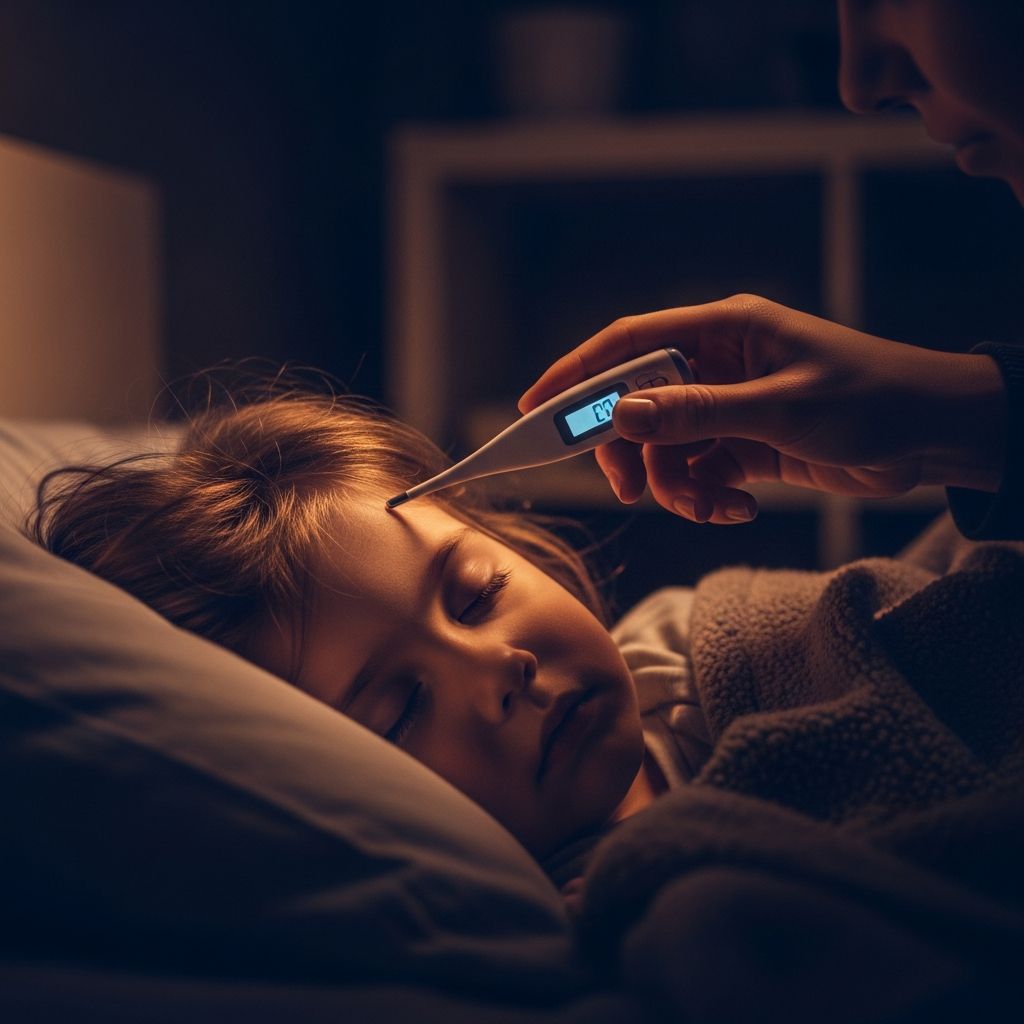
Head banging is a rhythmic movement where children repeatedly strike their head against a surface, often during sleep transitions or moments of distress. This behavior alarms many parents, but it is frequently a benign self-soothing mechanism in young children that resolves naturally.
Recognizing the Patterns of Head Banging
Typically observed in children aged 9 months to 3 years, head banging involves repetitive, stereotyped motions such as lifting the head and forcefully lowering it onto a mattress, crib side, or pillow. Episodes can last from seconds to several minutes, occurring at bedtime, naps, or upon waking. Children may combine it with body rocking or rolling, assuming positions like knees to chest in a prone stance.
Frequency varies: some children exhibit it nightly, while others do so sporadically. Intensity ranges from gentle tapping to vigorous impacts that produce audible thuds, potentially disturbing household sleep. Video recordings during sleep, as in polysomnography studies, reveal these movements cluster in light sleep stages, like stage 2 non-REM sleep, with rhythmic patterns around 1 Hz.
Primary Reasons Behind the Behavior
Most cases stem from self-regulation needs. During drowsiness or frustration, toddlers use head banging to release tension, akin to thumb-sucking or hair-twirling. It provides sensory input that calms the nervous system, especially amid teething pain, ear infections, or developmental leaps.
Environmental factors contribute too. Overstimulation from noisy settings, routine disruptions, or sensory overload prompts this outlet. In autism spectrum contexts, it may signal communication barriers, where verbal expression lags, turning physical action into a bid for attention or escape from discomfort. Brain circuit anomalies, particularly in basal ganglia and dopamine pathways, underlie persistent cases.
- Sensory seeking: Craving vestibular or proprioceptive feedback from impact.
- Emotional release: Coping with anger, boredom, or anxiety during tantrums.
- Medical triggers: Headaches, gastrointestinal issues, or dental pain manifesting as rhythmic relief-seeking.
Is It Linked to Developmental Disorders?
While common in neurotypical toddlers (peaking around 18 months and fading by age 3), prolonged or intense head banging warrants scrutiny for underlying issues. In autism, it emerges earlier and persists longer, often alongside absent milestones like pointing, gaze-following, or pretend play by 14 months.
Sleep-related rhythmic movement disorder (RMD) classifies severe instances, especially if injuring the child or impairing daily function. A case of a 16-year-old with childhood-onset head banging, confirmed via video-polysomnography, showed persistence into adolescence, disrupting social life. Differentiation from nocturnal frontal lobe epilepsy (NFLE) is crucial; RMD lacks epileptiform EEG activity and occurs in transitional sleep states.
| Feature | Normal Head Banging | Potentially Concerning |
|---|---|---|
| Age of Onset | 9-36 months | Before 9 months or after 4 years |
| Duration/Frequency | Sporadic, self-limits | Daily, >5 min, injurious |
| Context | Sleep times, upset | Wakeful, tantrums, no triggers |
| Associated Signs | None | Delays, seizures, autism traits |
Assessing Injury Risks and Safety Measures
Minor marks like forehead bruising or scalp thickening are common but rarely serious. However, repetitive force risks concussions, fractures, or cumulative brain trauma, particularly in older children. Protective steps include padding crib rails, walls, and beds with foam; helmets for high-risk episodes; and constant supervision.
Seek urgent care for swelling, vomiting, confusion, or vision changes post-episode, signaling concussion. Long-term, unchecked behavior may yield neurological deficits or social isolation, as seen in adolescent cases avoiding camps.
Practical Strategies for Parents to Intervene
Ignore non-injurious episodes to avoid reinforcing via attention, redirecting to quiet activities like reading or music. Establish consistent bedtime routines: dim lights, white noise, and comfort objects reduce arousal needs.
- Address triggers: Check for illness, hunger, or overstimulation.
- Provide alternatives: Weighted blankets or rocking chairs for sensory input.
- Positive reinforcement: Praise calm behaviors.
- Environmental tweaks: Soothe with massages or swaddling for infants.
For persistent cases, behavioral therapies like applied behavior analysis (ABA) target autism-linked banging by teaching communication. Medications like clonazepam have shown efficacy in rare adolescent RMD, eliminating episodes post-treatment. Consult pediatricians or sleep specialists for polysomnography if needed.
Professional Guidance: When and How to Get Help
Consult a doctor if banging persists beyond age 3, causes injury, or accompanies developmental delays. GPs can rule out medical causes; neurologists or developmental pediatricians assess for autism or epilepsy. Early intervention prevents escalation, with multidisciplinary teams offering tailored plans.
Track episodes in a journal: note timing, duration, triggers, and injuries to inform evaluations. Most children outgrow it without intervention, but vigilance ensures safety.
Frequently Asked Questions (FAQs)
Does head banging always indicate autism?
No, it’s normal in many toddlers for self-soothing, but combined with milestones delays like no pointing by 14 months, screening is advised.
Can head banging cause brain damage?
Rarely in young children due to soft impacts, but frequent severe cases risk concussion or long-term effects; use padding and monitor.
How long does it typically last?
Most stop by age 3-4; persistence into school years or injury warrants evaluation.
Should I wake my child during an episode?
No, as movements occur in light sleep; gentle repositioning or distraction upon stirring is safer.
What home remedies work best?
Consistent routines, ignoring mild cases, sensory alternatives like rocking, and medical checks for pain.
Long-Term Outlook and Reassurance for Families
Over 80% of children cease head banging spontaneously as language and emotional regulation mature. Parental anxiety often amplifies concern, but education empowers calm responses. Families report relief post-intervention, with reduced episodes enhancing sleep quality.
Emphasize holistic child wellness: balanced nutrition, play, and attachment foster resilience against such behaviors. Resources from pediatric societies guide ongoing support.
References
- Head banging persisting during adolescence: A case with video-polysomnography documentation and literature review — PMC. 2014-09-01. https://pmc.ncbi.nlm.nih.gov/articles/PMC4173244/
- Head Banging Autism — Key Autism Services. 2023-01-01. https://www.keyautismservices.com/blog/head-banging-autism
- Head Banging: A-to-Z Guide from Diagnosis to Treatment — Dr. Greene. 2022-01-01. https://www.drgreene.com/articles/head-banging
- How to Handle Head Banging in Autism: A Guide for Parents — Blue ABA Therapy. 2023-01-01. https://blueabatherapy.com/autism/head-banging/
- Body-rocking, head-rolling and head-banging at bedtime — Raising Children Network. 2024-01-01. https://raisingchildren.net.au/preschoolers/sleep/night-time-problems/body-rocking-head-rolling-head-banging