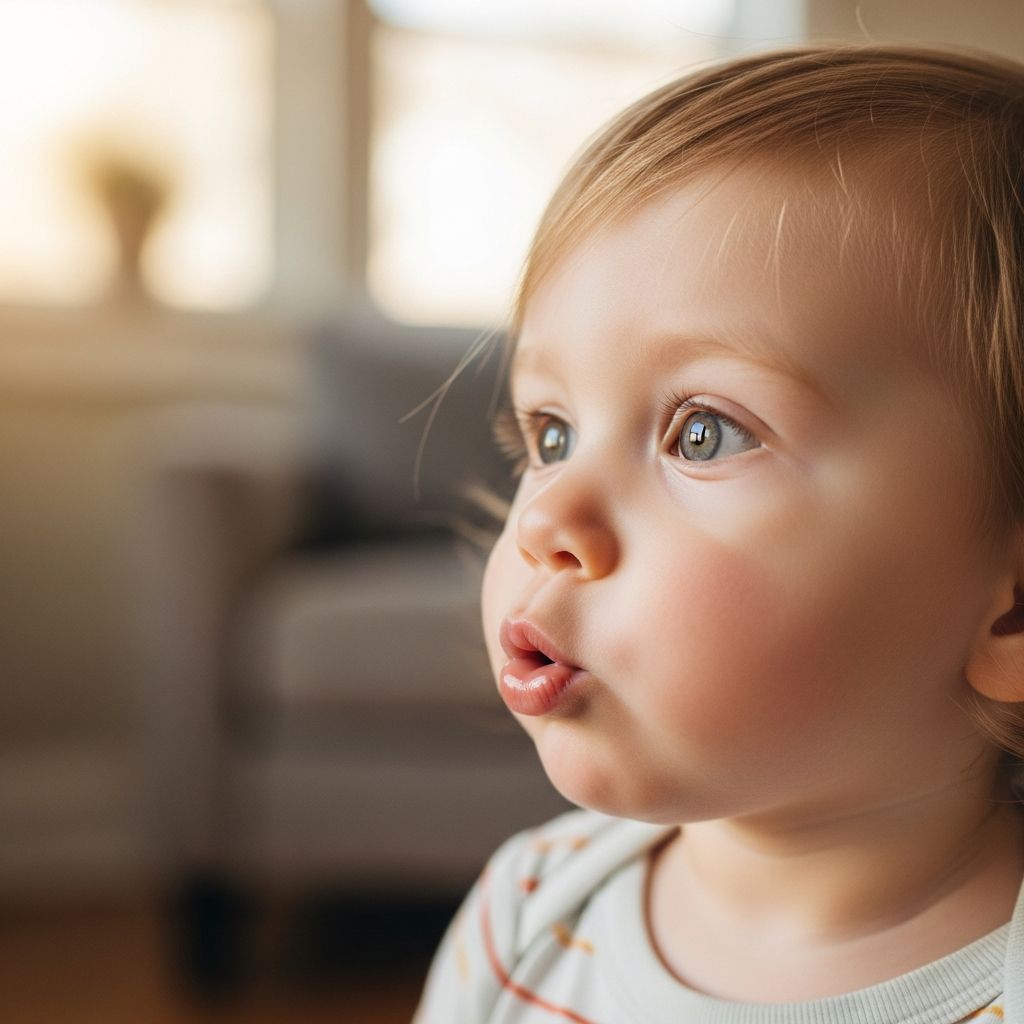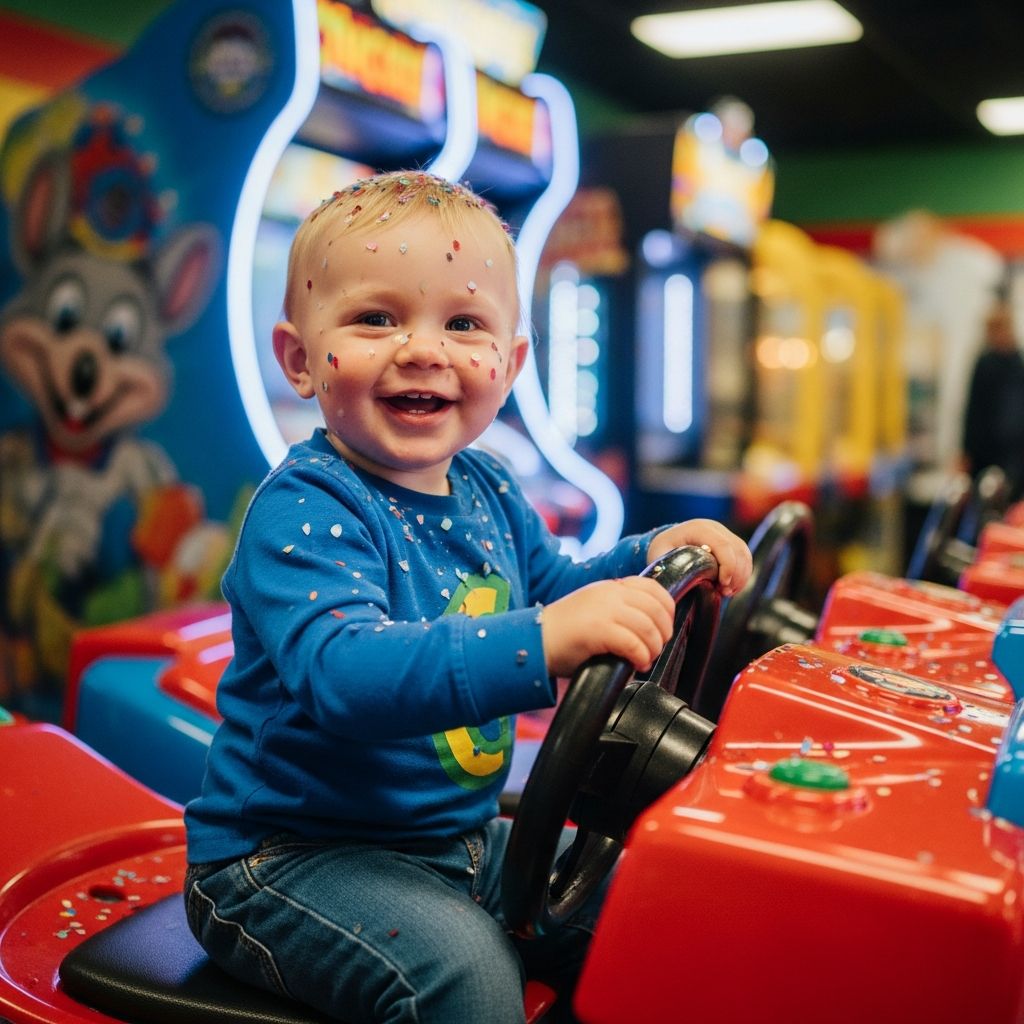
Every family has at least one legendary kid quote, and for one toddler, a trip to Chuck E. Cheese turned into the birth of a nickname so funny it practically wrote itself into family history.
How One Toddler Renamed Chuck E. Cheese
In the original story, a parent shared a viral clip of their toddler trying to say “Chuck E. Cheese” and confidently coming out with a wildly incorrect, totally hilarious nickname instead. The name had the same rhythm, the same energy, but absolutely none of the accuracy—and that is exactly what made it so good.
The video captured what parents see every day but rarely record: a tiny human, full of enthusiasm, absolutely convinced they are nailing a word they have only ever heard in passing. The mispronunciation was funny enough on its own, but the child’s proud delivery and repetition of the nickname pushed it into instant-classic territory.
- The toddler said the nickname with complete confidence.
- The parent tried not to laugh too loudly so they could keep filming.
- The internet quickly adopted the nickname as something they would now never un-hear.
Why Mispronunciations Are So Funny
Part of what made the nickname so memorable is the way toddlers process language. They tend to latch onto sounds, syllables, and rhythms more than exact words, so brand names like “Chuck E. Cheese” turn into strange but oddly musical alternatives.
To adults, the mistake sounds absurd; to the child, it makes perfect sense. This mismatch between how serious the child is and how silly the word sounds is exactly what creates that irresistible kind of laughter parents know so well.
- Kids often replace sounds they cannot pronounce with ones they can.
- Long names and brand titles are especially prone to becoming accidental nicknames.
- Parents remember these words for years, long after the child has learned the “correct” version.
The Parent’s Reaction: Laughing Without Ruining the Moment
The parent in the story struck a familiar balance: trying not to laugh too hard in front of the toddler while also doing everything possible to capture the moment on camera. The video shows that delicate mix of stifled giggles and gentle encouragement as the child proudly repeats the nickname.
Instead of correcting the child right away, the parent lets the moment unfold. That choice is what turns a routine conversation about going to an arcade-and-pizza chain into a memory the entire family can look back on and laugh about together.
- Parents often know they are witnessing a “core memory” as it happens.
- Recording a short clip lets extended family and friends share in the joke.
- Light-hearted reactions help kids feel safe while they learn and experiment with language.
Why Chuck E. Cheese Is Ripe for Nicknames
Chuck E. Cheese is one of those brand names kids hear early and often, thanks to birthday parties, commercials, and excited older cousins hyping up the experience. The name itself is long, a little odd, and full of letter sounds that can trip kids up, so it practically invites creative reinterpretation.
By the time kids are old enough to ask to go, they may have heard the name dozens of times—always associated with fun, noise, and pizza—so whatever version comes out of their mouth carries all of that excitement, even if the syllables are completely rearranged.
- The name has multiple words and unusual sounds.
- Kids are often more focused on the idea of games and pizza than exact pronunciation.
- Parents are usually too amused to shut down a funny version right away.
From Viral Clip to Shared Parenting Experience
When the clip hit social media, thousands of parents quickly chimed in with their own kids’ hilarious attempts at brand names and character titles. The nickname for Chuck E. Cheese became a spark for a bigger, shared conversation about how universal this phase is.
Commenters swapped stories about mispronounced grocery stores, theme parks, cartoon characters, and restaurants. Many admitted that their families still use the “wrong” word years later because it simply feels more personal and more fun than the official name.
- Viral parenting clips often work because they capture something deeply relatable.
- Mispronounced names turn into inside jokes shared across entire households.
- Parents feel less alone when they see others laughing at the same kinds of moments.
Why Parents Keep Using the Wrong Name on Purpose
A key theme in the reactions to the story was that many parents have no intention of ever fully letting the nickname go. Even when the child ages out of the mispronunciation, adults in the family keep it alive as a shorthand for that specific stage of childhood.
Over time, the nickname stops being just a funny mistake and becomes a symbol of a certain age: the car-seat years, the sippy-cup era, the time of sticky fingers, meltdowns, and contagious giggles over something as small as a cartoon mouse.
- Nicknames remind parents how little their kids once were.
- They help anchor memories to specific ages and family routines.
- They often reappear in family stories, speeches, and photo captions years later.
Common Themes in Kids’ Funny Nicknames
Beyond Chuck E. Cheese, the article highlighted how common it is for kids to remodel words that adults take for granted. A child may rename a supermarket, a streaming service, or a cartoon character and be absolutely insistent that their version is correct.
Some of these nicknames lean cute, others are accidentally inappropriate, and some are so perfectly absurd that the adults around them cannot help repeating them.
- Kids often drop complex consonant clusters.
- They may substitute shorter, easier words they already know.
- Sometimes they invent entire new names that just “feel right” to them.
Table: Why Kids Rename Places Like Chuck E. Cheese
This quick table summarizes the main reasons kids turn names like Chuck E. Cheese into something completely new.
| Reason | What Happens | How Parents Respond |
|---|---|---|
| Hard-to-pronounce sounds | Kids swap tricky sounds for easier ones, creating a new nickname without realizing it. | They often laugh, repeat the nickname, and sometimes even encourage the child to “say it again.” |
| Overheard words | Children catch only part of what adults say and fill in the rest with familiar sounds. | Parents recognize the attempt and may translate for others while secretly loving the kid version. |
| Association with fun | Excitement about pizza, games, or characters matters more than precision. | Adults usually prioritize the child’s enthusiasm over correcting every mispronunciation. |
| Family in-jokes | A one-time mispronunciation sticks because everyone keeps repeating it. | It becomes a permanent part of family vocabulary and memory. |
Turning Everyday Moments Into Lasting Memories
At its core, the story is not really about Chuck E. Cheese at all. It is about how an ordinary moment with a toddler can become something the entire family treasures simply because someone paused long enough to notice and record it.
Mispronounced names and goofy nicknames act like bookmarks in family life. Years later, one mention of that old toddler term can instantly transport parents back to a time of car rides with crumb-covered back seats and small voices begging for “just one more” trip to their favorite arcade and pizza spot.
How to Save and Celebrate These Funny Phases
The original article also leaned into the idea that parents should not rush past these fleeting language phases. Instead, it encouraged families to document and enjoy them, because they disappear much faster than anyone expects.
Even if the exact details of the Chuck E. Cheese nickname fade, parents can hold on to the feeling of that moment—and small habits can help keep those memories alive and accessible.
- Write down funny quotes in a notes app or a small notebook.
- Record short video clips when kids use their invented words.
- Use the nicknames playfully in conversation so they stay part of family language.
SEO-Friendly Tips for Parents Heading to Chuck E. Cheese
For families preparing for their own trip to Chuck E. Cheese (or whatever nickname their toddler has given it), the spirit of the story suggests going in with both patience and a sense of humor. The noise, the energy, and the chaos are all part of the experience—and so are the funny things kids say along the way.
Instead of focusing only on tickets and prizes, parents can treat these outings as an opportunity to collect new inside jokes and stories that will last far longer than any plastic toy from the prize counter.
- Embrace your child’s way of saying the name on the drive over.
- Snap a quick photo or video when they announce where you are going.
- Share the story with close friends or relatives who will appreciate the humor.
Frequently Asked Questions (FAQs)
1. Why do toddlers mispronounce names like Chuck E. Cheese?
Toddlers are still learning how sounds fit together, so long or unusual names often come out transformed into totally new words. They focus on rhythm and familiar sounds more than accuracy, which is why brand names and character titles are especially likely to get creative remixes.
2. Should parents correct funny mispronunciations right away?
Many parents choose a gentle middle ground: they understand what the child means, may repeat the correct version, but do not push the issue if the child is clearly enjoying their own version. Over time, kids almost always self-correct as their speech and vocabulary grow.
3. Is it okay to keep using the wrong name as a family joke?
Families often embrace these nicknames as part of their shared story, especially if the child has outgrown the mispronunciation. As long as the child is not feeling teased or embarrassed, keeping the nickname alive can be a sweet way to honor that stage of life.
4. Why do stories like this go viral online?
Clips of kids inventing nicknames for places like Chuck E. Cheese resonate with a wide audience because they capture something honest and universal. Parents from different backgrounds recognize the same phase in their own homes and feel an instant connection to the moment.
5. How can parents better remember these little moments?
Simple habits like saving short videos, jotting quotes in a note on a phone, or turning a favorite mispronounced phrase into a photo caption can help. Years later, those small records make it much easier to revisit the sounds and expressions that defined early childhood.
In the end, that one toddler’s hilarious nickname for Chuck E. Cheese is more than a quick laugh—it is a reminder that the best family memories are often tucked into the smallest, silliest moments.