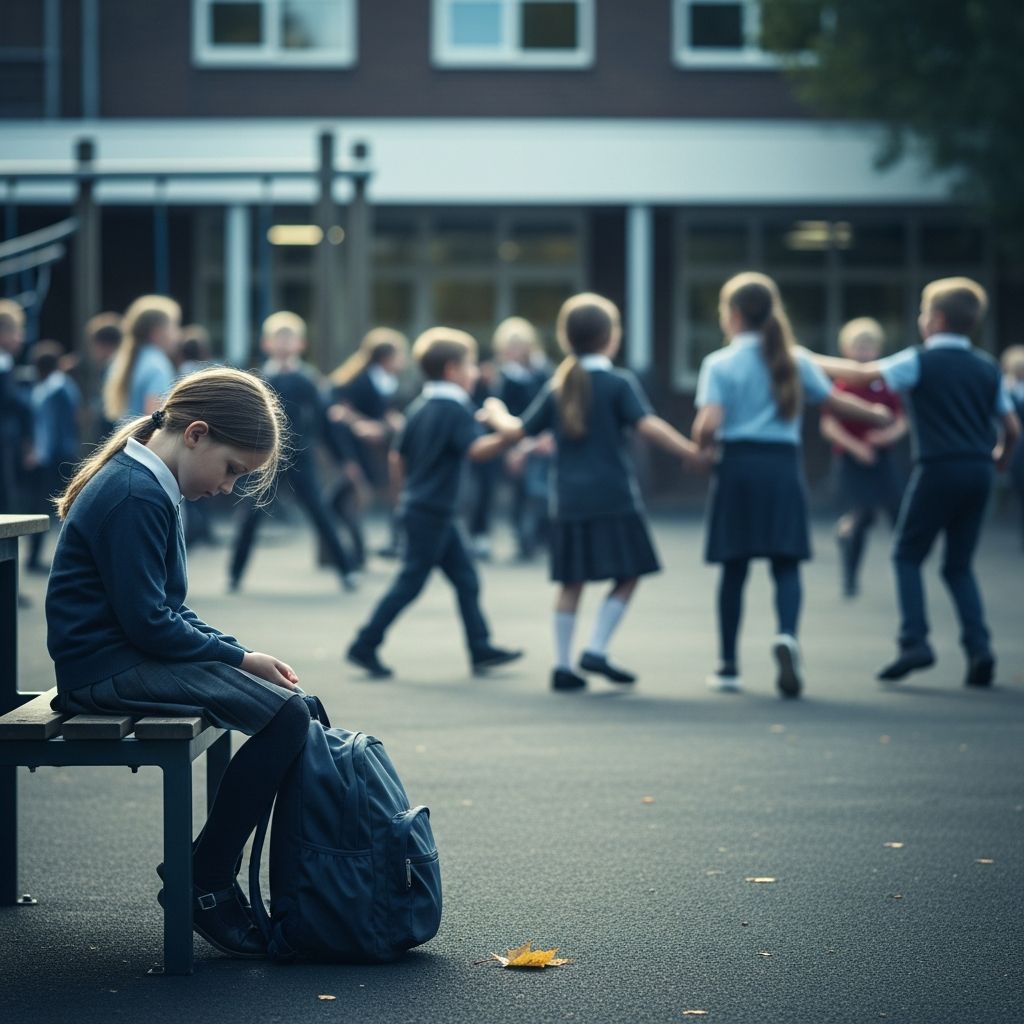
Every parent hopes their child will flourish in the school environment, forming friendships, engaging with lessons, and building confidence. However, when a child doesn’t quite mesh with their surroundings, it can manifest in ways that are easy to overlook. These challenges might stem from social dynamics, academic mismatches, or emotional hurdles, affecting their overall well-being. Early detection of these issues allows for proactive steps to guide your child toward a more positive experience.
Emotional Signals of Discomfort
Children often communicate unease through their emotions before words. A sudden shift in mood upon returning home from school can indicate underlying stress. For instance, if your child appears drained, irritable, or unexpectedly tearful after the school day, it may reflect the effort they’re expending to cope during hours away from home. This emotional release at home suggests they’re holding back feelings while at school to maintain composure.
Reluctance to discuss school activities is another red flag. Previously chatty children might clam up when asked about their day, avoiding topics related to classmates, teachers, or lessons. This withdrawal could signal embarrassment, frustration, or a desire to escape scrutiny about their experiences.
- Observe daily mood transitions: Joyful in the morning but subdued in the evening?
- Note avoidance of school-related conversations, possibly redirecting to other subjects.
- Watch for signs of pent-up frustration, like outbursts over minor issues.
Physical Complaints as Hidden Clues
Frequent physical ailments, particularly those appearing right before school, often mask deeper anxieties. Stomachaches, headaches, or nausea that resolve once school is off the table are classic somatic symptoms linked to stress. These aren’t feigned; they’re the body’s response to perceived threats in the school setting, such as social pressures or academic fears.
Tracking patterns is crucial. If these complaints lead to regular absences, it disrupts learning and reinforces avoidance. The Centers for Disease Control and Prevention (CDC) notes that chronic school absenteeism due to health issues can correlate with anxiety disorders in youth, emphasizing the need for prompt attention.
| Symptom | Frequency Indicator | Potential Link |
|---|---|---|
| Stomach pain | 3+ times weekly before school | Social anxiety |
| Headaches | Sunday evenings or mornings | Anticipatory stress |
| Fatigue | Post-school crashes | Emotional exhaustion |
Behavioral Shifts at Home and School
Changes in behavior provide clear windows into a child’s school life. A once-compliant child might start resisting routines, like packing their bag or preparing for bed on school nights. At school, reports of non-participation—in class discussions, group activities, or recess—suggest disengagement.
Acting out could be a cry for help. Increased arguments, defiance, or sudden withdrawal from family interactions mirror struggles peers or teachers witness. The American Academy of Pediatrics highlights that behavioral changes, especially if paired with academic dips, warrant evaluation for environmental mismatches.
Monitor for:
- Sudden disinterest in hobbies or extracurriculars they once loved.
- Shifts in friendships, like isolation or clashing with previous pals.
- Heightened irritability targeting school topics.
Academic Warning Signs
School is fundamentally about learning, so academic indicators are pivotal. Persistent low grades despite effort, or boredom leading to unfinished work, point to a poor instructional fit. If your child excels at home tasks but falters in class, the classroom pace or style might not align with their learning needs.
Disorganization—lost assignments, forgotten materials—often stems from overwhelm. Excessive homework time, exceeding typical expectations, signals comprehension gaps. The National Center for Education Statistics reports that students mismatched with school rigor face higher dropout risks later.
Social Struggles and Isolation
Fitting in socially is vital for development. Signs include lunching alone, exclusion from play, or reports of teasing. Children with unique interests, neurodiversity like autism, or physical differences may feel sidelined in standard settings.
U.S. Department of Education data shows bullied or isolated students experience elevated mental health issues, underscoring intervention urgency.
Reasons Behind the Mismatch
Several factors contribute:
- Learning Style Conflicts: Visual or kinesthetic learners in lecture-heavy classes struggle.
- Social Dynamics: Group sizes or peer maturity levels don’t suit.
- Individual Needs: Undiagnosed ADHD or giftedness unmet by curriculum.
- Environmental Overload: Noisy, transition-filled days exhaust sensitive kids.
Practical Steps for Parents
Start with open, non-judgmental talks: “What was the best part of your day?” Pair with teacher conferences for balanced insights. Implement home strategies like consistent routines and positive reinforcement.
Professional input matters. School counselors can assess; pediatricians screen for anxiety. Explore adjustments: tutoring, IEP plans, or school changes if persistent.
Frequently Asked Questions
What if my child denies any problems?
Children may minimize issues to avoid worry. Observe actions over words and consult educators for objective views.
Is switching schools always necessary?
Not always; many thrive with targeted supports. Evaluate after interventions fail.
How soon should I act on these signs?
Within weeks—early action prevents escalation.
Can online learning help?
For some, yes, offering flexibility; assess individual fit.
What role does nutrition play?
Stable meals support focus; hunger amplifies struggles.
References
- 5 Signs Your Kid’s School Isn’t A Good Fit: Pandemic Edition — The Sycamore School. 2023-05-15. https://thesycamoreschoolva.org/5-signs-your-kids-school-isnt-a-good-fit-pandemic-edition/
- 9 Signs Your Child Is Struggling In School — Neurohealth Associates. 2024-02-10. https://neurohealthah.com/blog/9-signs-child-has-school-problems/
- 6 Signs a Child is Not Happy in School — Wonders Counseling. 2023-11-20. https://wonderscounseling.com/signs-a-child-is-not-happy-in-school/
- Is Your Child Not Fitting In At School? Here’s How to Help Them — They Are The Future. 2024-01-05. https://www.theyarethefuture.co.uk/when-child-doesnt-fit-in/
- Recognizing the Signs: When a Student May Need More Support in School — Child Law NC. 2025-03-12. https://www.childlawnc.org/news-and-events/recognizing-the-signs-when-a-student-may-need-more-support-in-school
- School Attendance and Absenteeism — Centers for Disease Control and Prevention (CDC). 2024-09-01. https://www.cdc.gov/healthyyouth/data/yrbs/pdf/YRBS_Data-Summary-Trends_Report2023_508.pdf
- Behavioral Changes in Children — American Academy of Pediatrics. 2025-01-15. https://publications.aap.org/pediatrics/article/153/1/e2023063137/197044
- National Center for Education Statistics: Student Engagement — U.S. Department of Education. 2024-07-22. https://nces.ed.gov/programs/coe/indicator/cnu