Every parent knows the feeling: your toddler suddenly invents a word that is so funny, so unexpected, and so adorable that you want to bottle the moment forever. One little boy’s silly way of saying “chicken” is the perfect example of how charming and revealing early language can be.
The Adorable “Chicken” Moment
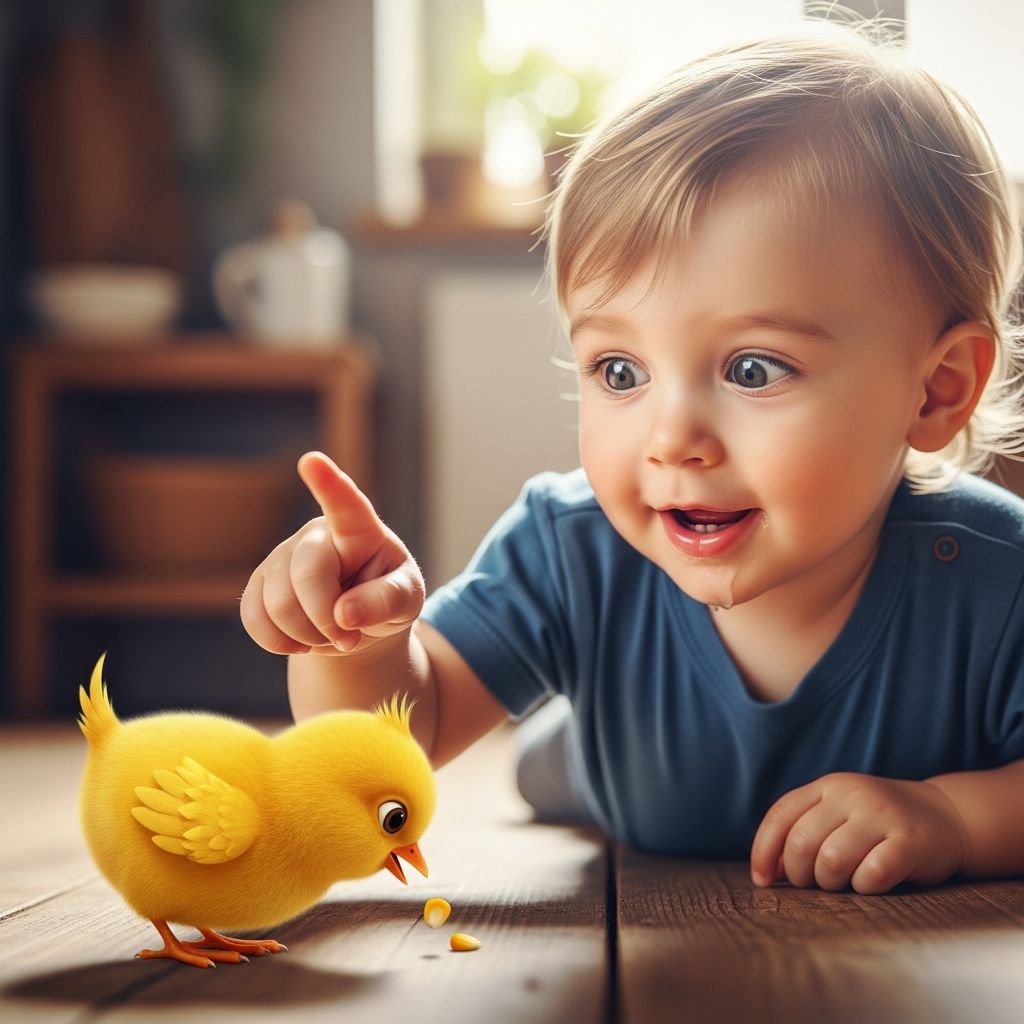
In the viral clip that inspired this article, a toddler boy is shown proudly trying to say the word chicken, but what actually comes out is a totally unique, made-up version that sends the adults around him into fits of laughter. Instead of the clear, crisp word his parents expected, he delivers a jumbled, enthusiastic sound that barely resembles “chicken” and yet somehow makes perfect sense to him.
What makes the moment especially endearing is the boy’s confidence. He points, smiles, and repeats his special “chicken” word with total certainty, clearly convinced that he is nailing it. The family’s delighted reaction only encourages him to keep going, turning a simple word attempt into a shared moment of joy.
- The toddler uses his own invented pronunciation for chicken.
- The adults respond with laughter, smiles, and encouragement.
- The boy repeats his version proudly, showing how language practice is often play.
Why Toddlers Invent Funny Words
Toddlers live in a world where their understanding of language grows faster than their ability to form sounds accurately. As a result, they often create “approximation words”—versions of words that are close enough for them, even if adults know they are technically “wrong.” These adorable mispronunciations are actually an important sign that a child is experimenting and learning.
When a child invents a funny word for something familiar, like chicken, they are practicing several skills at once: matching sounds to objects, copying the rhythm of speech, and watching how adults react. Many families end up temporarily adopting the child’s version of the word because it becomes part of the household’s private language.
- Funny toddler words reflect active learning, not laziness or confusion.
- Invented words often follow a pattern or sound the child finds easy.
- Family members may repeat the new word, strengthening the toddler’s confidence.
What This Reveals About Language Development
A toddler’s silly way of saying chicken is more than just comedy material—it is a snapshot of early speech development in motion. Children move from babbling to real words through a long stretch of trial and error, testing out tongue placement, breath control, and sound combinations.
Parents witnessing these moments are often seeing the bridge between babble and full vocabulary. Each playful attempt at a word shows that the child understands the concept, even if their mouth has not quite learned how to produce the sounds yet. This combination of understanding and experimentation is exactly what professionals look for when tracking healthy development.
Key Skills Shown in the “Chicken” Video
- Comprehension: The toddler clearly knows what a chicken is and points or looks in the right direction.
- Imitation: He tries to copy the word he hears from adults, even if the result is imperfect.
- Social engagement: He reacts to the laughter and encouragement as part of a fun interaction.
- Persistence: He keeps repeating his version, which is how pronunciation gradually improves.
Parents’ Reactions: Laughter, Love, and Support
One of the sweetest parts of the scenario is how the adults respond. They are not correcting him harshly or shutting down the moment. Instead, they laugh, repeat his word, and show delight at his effort. This type of response teaches a toddler that speaking is safe, fun, and worth trying again.
Positive reactions do more than create cute memories; they support the child’s social and emotional development. When parents and caregivers show that they enjoy listening, children naturally want to talk more. Over time, this encouragement leads to clearer speech and richer vocabulary.
- Warm reactions make toddlers feel heard and valued.
- Shared laughter turns language practice into playtime.
- Encouraging tone matters more than perfect pronunciation at this stage.
Is It Okay Not to Correct Every Word?
Many caregivers wonder whether they should immediately correct a toddler’s mispronounced word. In most ordinary situations, especially with harmless mistakes like a funny word for chicken, gentle modeling works better than strict correction. That means you repeat the correct word naturally during conversation without turning it into a test.
For example, if the toddler says their special version of “chicken,” a parent might respond with something like, “Yes, that’s a chicken! The chicken is so funny,” emphasizing the word without scolding. Over time, children tend to shift from their invented word to the correct one as their muscles and hearing skills mature.
Helpful Ways to Respond
- Repeat the correct word naturally in your sentence.
- Use a bright, encouraging tone rather than focusing on the mistake.
- Add simple details: “The chicken is yellow,” or “The chicken says cluck.”
- Avoid pressuring your child to “say it right” on command.
How Cute Words Become Family In-Jokes
When a toddler coins a hilarious word, families rarely forget it. Years later, parents may still use that exact toddler phrase as a private joke, long after the child has learned the correct pronunciation. These expressions become part of a family’s shared history and identity.
The little boy’s quirky chicken word is a perfect example of how a tiny linguistic hiccup can turn into a cherished memory. Many parents keep journals, notes in their phones, or social media posts dedicated to these special sayings so they can look back and relive the cuteness.
Examples of How Families Keep These Memories
- Writing down funny words in a baby book or notes app.
- Filming short videos during everyday moments at meals or playtime.
- Turning a toddler phrase into a nickname for a pet, toy, or even a family recipe.
Simple Ways to Encourage Toddler Speech
Moments like the chicken video are not just cute; they are opportunities to support ongoing language development. Caregivers can build on this natural curiosity and playfulness with a few simple habits. No special equipment or complicated techniques are needed—just time, attention, and conversation.
Below is a quick reference table with practical ideas you can use during everyday life.
| Everyday Situation | What You Can Do | Why It Helps |
|---|---|---|
| Meal time (like eating chicken) | Label foods: “This is chicken. Chicken is yummy.” | Repetition connects words to real objects the child can see and taste. |
| Reading picture books | Point to animals and ask, “What’s this?” then model the answer. | Combines visual cues with spoken language, strengthening memory. |
| Playtime with toys | Act out simple stories: “The chicken walks, the chicken sleeps.” | Storytelling adds verbs and sentence patterns in a fun way. |
| Walks or outings | Comment on everything you see: “Look, a bird! Not a chicken, but a bird.” | Rich, descriptive speech exposes toddlers to more vocabulary. |
| Video moments | Record short clips and watch together, naming what you see. | Hearing their own voice can motivate children to keep talking. |
When to Be Concerned About Speech
While funny invented words are normal and healthy, parents sometimes wonder when speech quirks might signal a delay. Occasional mispronunciations like a creative chicken word are very common, especially between ages one and three. What matters most is whether a child is steadily adding new words and using speech to connect with others.
If a toddler is not attempting words at all, does not respond to their name, or seems frustrated by communication on a regular basis, it can be helpful to talk with a pediatrician or speech-language professional. Trusting your instincts and asking questions early is always a sensible step.
General Signs Worth Discussing With a Professional
- Very few or no words by around 18 months.
- No interest in copying sounds or gestures.
- Limited eye contact or response to familiar voices.
- Sudden loss of words the child used to say.
Turning Everyday Words Into Lasting Memories
The heart of the chicken video is not just the word itself, but the way it freezes a stage of childhood that passes quickly. Toddlers grow out of these funny pronunciations before parents are ready, leaving families grateful for the photos and clips they managed to save. That is why small, ordinary moments at the dinner table or in the living room can end up as favorite memories years later.
By paying attention, recording little snippets, and sharing stories with friends or online communities, parents create a digital scrapbook of their child’s emerging voice. The silly chicken word might be replaced by perfectly clear speech one day, but the memory of that first funny version can last a lifetime.
Frequently Asked Questions
1. Why does my toddler say words in a funny or incorrect way?
Toddlers often say words in unusual ways because their mouths, tongues, and listening skills are still developing. They may understand what they want to say long before they can shape every sound correctly, so they create their own versions as a stepping stone.
2. Should I correct my child’s mispronounced words?
For typical toddlers, gentle modeling is usually more helpful than strict correction. You can repeat the correct word naturally in your response—“Yes, that’s a chicken!”—without making your child feel like they are being tested or scolded.
3. Is it normal for families to adopt a toddler’s funny word?
Yes, many families lovingly use their child’s made-up words as inside jokes or nicknames. This can strengthen connection and make your child feel proud that their unique word has become part of the family’s story.
4. How can I save and remember these cute language moments?
You can record short videos, write down funny phrases in a notebook or app, and even turn them into photo captions or scrapbooks. Looking back later will remind you just how charming and fleeting the toddler years really are.
5. When should I talk to a professional about my toddler’s speech?
If your child is not using any words, seems uninterested in communicating, or loses language they once had, it is wise to discuss your concerns with a pediatrician or a speech-language pathologist. Early guidance can provide clarity and support if needed.
In the end, one toddler boy’s funny word for chicken is more than a viral moment—it is a reminder that learning to talk is messy, joyful, and full of surprises. By celebrating these small mispronunciations, families honor both the humor and the hard work of growing up.