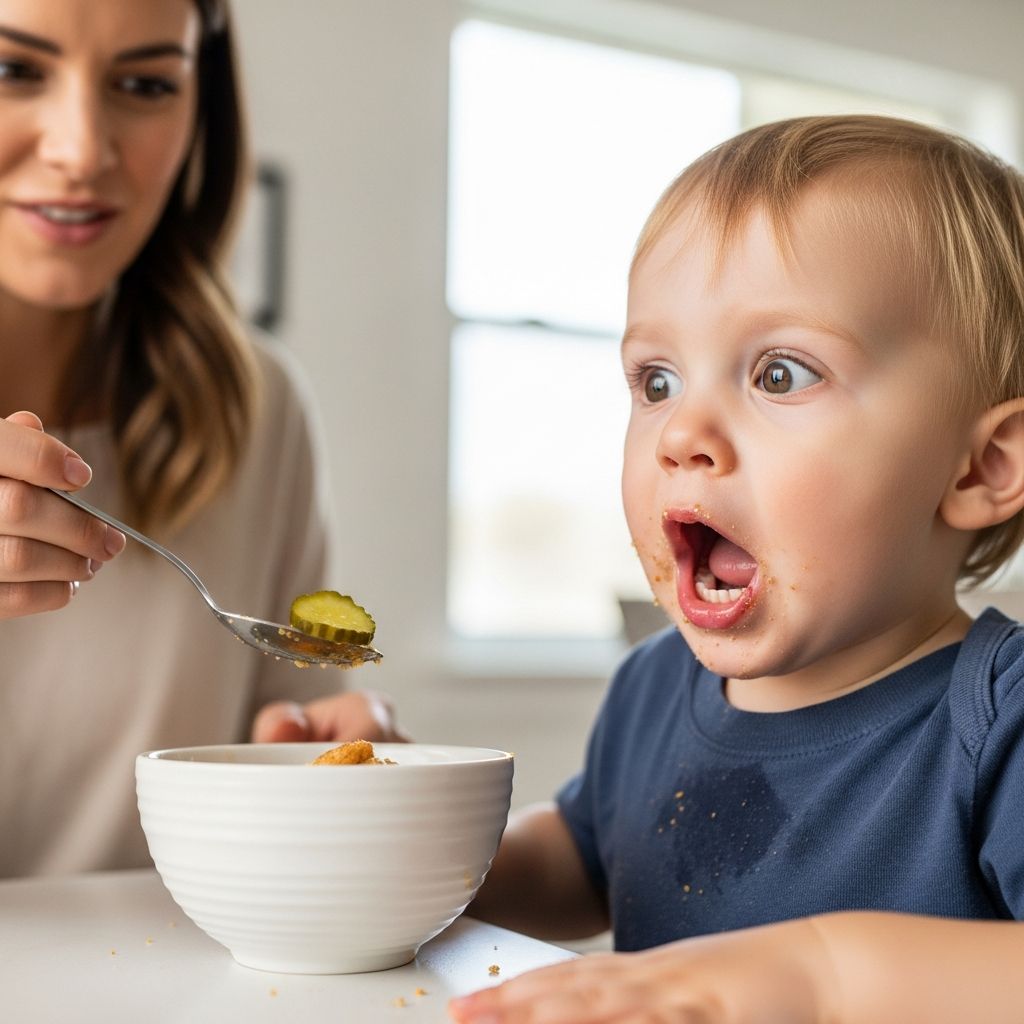
A simple act of playful deception turned into a heartwarming viral sensation when a mother decided to test her toddler’s generosity with an empty plate trick. What started as a lighthearted TikTok prank unfolded into a moment of pure innocence, capturing millions of views and reminding everyone of the unfiltered joy children bring into our lives.
The Spark of a Viral Family Moment
In the fast-paced world of social media, few things spread faster than genuine, unscripted reactions from young children. This particular video, shared by a quick-witted mom, features her young son who believes he’s sharing his favorite snacks. As he eagerly offers bites from his plate, her feigned surprise at an ’empty’ plate leads to a response so endearing it has resonated with parents globally. These spontaneous interactions highlight how everyday parenting moments can become internet gold, fostering connections among families online.
The charm lies not just in the humor but in the authenticity. Toddlers, with their big emotions and small worlds, react in ways adults can’t predict or replicate. This clip exemplifies how a minor setup can reveal profound truths about a child’s character—generosity, confusion, and eventual delight all bundled into a few seconds of footage.
Why Pranks Work Wonders with Little Ones
Playful pranks like this one tap into the developmental stages of early childhood. At ages 2-3, children are exploring social cues, empathy, and problem-solving. A mock surprise over food scarcity prompts them to share instinctively, showcasing budding altruism. Experts note that such interactions build emotional intelligence, as kids learn to read facial expressions and respond with care.
- Emotional Growth: Pranks encourage empathy by mimicking real-life scenarios where resources seem limited.
- Bonding Time: Shared laughter strengthens parent-child attachments, creating lasting memories.
- Creativity Boost: Unexpected outcomes spark imaginative play, essential for cognitive development.
However, timing and context matter. What makes this prank shine is its gentleness—no real disappointment, just joyful escalation. Parents often find these antics a safe way to inject fun into routines, turning mealtime into an adventure.
Breaking Down the Adorable Sequence
Let’s dissect the magic frame by frame. The toddler, mid-bite of his treat, notices Mom’s plate. With wide eyes, he extends his share, only for her to reveal nothing there. His initial puzzled pause, followed by a burst of giggles and an offer of more, flips the script beautifully. This pivot from confusion to compassion is what propelled the video to stardom.
| Moment | Reaction | Why It Captivates |
|---|---|---|
| Sharing Begins | Eager offering | Shows innate kindness |
| Empty Reveal | Brief confusion | Builds suspense |
| Happy Resolution | Giggles and extra share | Pure, infectious joy |
This table illustrates the emotional arc, mirroring storytelling techniques that keep viewers hooked. It’s a masterclass in toddler unpredictability.
Parenting Hacks Inspired by the Prank
Beyond the laughs, savvy parents are adapting this idea for their homes. Here are practical twists to try safely:
- Hide-and-seek snacks during meals to encourage sharing skills.
- Feign ‘forgotten’ toys to prompt helpfulness and pride.
- Use exaggerated expressions to teach emotional recognition playfully.
- Record reactions (with consent awareness) for family albums or safe sharing.
These hacks align with positive parenting philosophies, emphasizing fun over discipline. They transform potential mealtime battles into collaborative play, reducing stress for everyone involved.
The Science Behind Toddler Laughter
Laughter in young children isn’t just noise—it’s a neurological event. Studies from child development centers show that ticklish surprises release endorphins, reducing cortisol and promoting bonding hormones like oxytocin. This prank’s success stems from ‘benign violation theory,’ where mild rule-breaking (empty plate expectation) meets safety, triggering giggles.
Furthermore, repeated exposure to joyful pranks aids language development. Toddlers mimic phrases like ‘Here, Mama!’ expanding vocabulary through context. Parents report improved appetites post-play, as positive associations make eating exciting.
Social Media’s Role in Amplifying Family Joy
TikTok has democratized parenting content, allowing everyday moments to go viral. This video amassed views rapidly due to relatable themes—food, kids, surprise. Algorithms favor emotional peaks, pushing it to For You Pages worldwide. Yet, it sparks discussions on privacy: many creators blur faces or use voiceovers to protect identities.
The ripple effect? Comment sections fill with similar stories, creating virtual support networks. One parent shared: ‘My kid did the exact same—now it’s our dinner ritual!’ This communal validation reassures isolated caregivers they’re not alone.
Potential Pitfalls and How to Avoid Them
Not all pranks land perfectly. If a child feels truly tricked, it could erode trust. Watch for cues like pouts turning to tears, then pivot to real sharing. Age-appropriateness is key—under 18 months, surprises might overwhelm developing senses.
- Assess mood before starting.
- Keep setups short and sweet.
- Always end with hugs and affirmation.
- Discuss feelings afterward to build emotional literacy.
By prioritizing connection, pranks become tools for growth rather than risks.
Similar Viral Toddler Moments That Stole Hearts
This isn’t isolated. Recall the boy who ‘saved’ his sibling from a toy monster or the girl avenging a sibling’s mess with dramatic flair. Each underscores kids’ dramatic flair and resilience.
- Pizza Rescue: Toddler ‘fixes’ Dad’s empty box with crayons.
- Dance Fail Turned Win: Stumble leads to group boogie.
- Pet Prank Backfire: Dog steals show with slobbery kisses.
These parallels show a pattern: authenticity trumps perfection in viral appeal.
Frequently Asked Questions (FAQs)
What age is best for food pranks?
Around 2-4 years, when sharing instincts emerge but comprehension allows fun twists. Younger tots may not get the joke.
Is filming kids for TikTok safe?
Yes, with privacy settings, no full faces if concerned, and focusing on positive content. Consult family guidelines.
How to recreate this at home?
Use a hidden snack under a napkin for the reveal. Exaggerate reactions to amplify the fun.
Do pranks help with picky eaters?
Often yes—associating food with play increases interest and willingness to try new things.
What’s the toddler’s name in the video?
Creators typically keep details private, but the focus is universal toddler charm.
Lessons for Modern Families
This viral gem teaches that joy often hides in simplicity. In a world of scheduled activities, unstructured pranks reclaim spontaneity. They remind us kids thrive on surprise, laughter, and love. As shares multiply, so does the message: cherish these fleeting phases.
Parents, grab your plates—it’s time to prank and play. Who knows? Your little one’s reaction might be the next big thing.
References
- Play and Child Development — American Academy of Pediatrics. 2023-05-15. https://www.aap.org/en/patient-care/developmental-milestones/
- Laughter and Emotional Health in Children — CDC Child Development. 2024-02-10. https://www.cdc.gov/ncbddd/childdevelopment/positiveparenting/index.html
- Social Media Guidelines for Families — Common Sense Media. 2025-01-20. https://www.commonsensemedia.org/digital-citizenship
- Benign Violation Theory Explained — Association for Psychological Science. 2022-11-08. https://www.psychologicalscience.org/publications/observer/obsonline/benign-violation-theory.html
- Toddler Social Development Milestones — NIH Eunice Kennedy Shriver National Institute of Child Health. 2024-07-12. https://www.nichd.nih.gov/health/topics/childdev/conditioninfo/checklists