Yeast infections, caused by an overgrowth of the fungus Candida, commonly affect toddlers in warm, moist areas like the diaper region, mouth, and skin folds. These infections lead to discomfort, rashes, and behavioral changes, but early recognition and proper care can resolve them swiftly.
Understanding Yeast Overgrowth in Young Children
The fungus Candida albicans naturally resides on the skin, in the digestive tract, and mucous membranes without causing harm under normal conditions. In toddlers, factors such as prolonged moisture from diapers, antibiotic use, or weakened immunity disrupt the microbial balance, allowing yeast to proliferate. This overgrowth results in candidiasis, manifesting as irritated skin or mucosal patches that can disrupt daily routines and sleep.
Toddlers are particularly susceptible due to their active lifestyles and incomplete potty training, which can prolong exposure to damp environments. Unlike bacterial infections, yeast thrives in humid settings, making prevention a key focus for caregivers.
Common Locations and Visible Symptoms
Yeast infections target areas prone to warmth and friction. Recognizing location-specific signs helps differentiate them from other rashes or irritations.
Diaper Area and Genital Regions
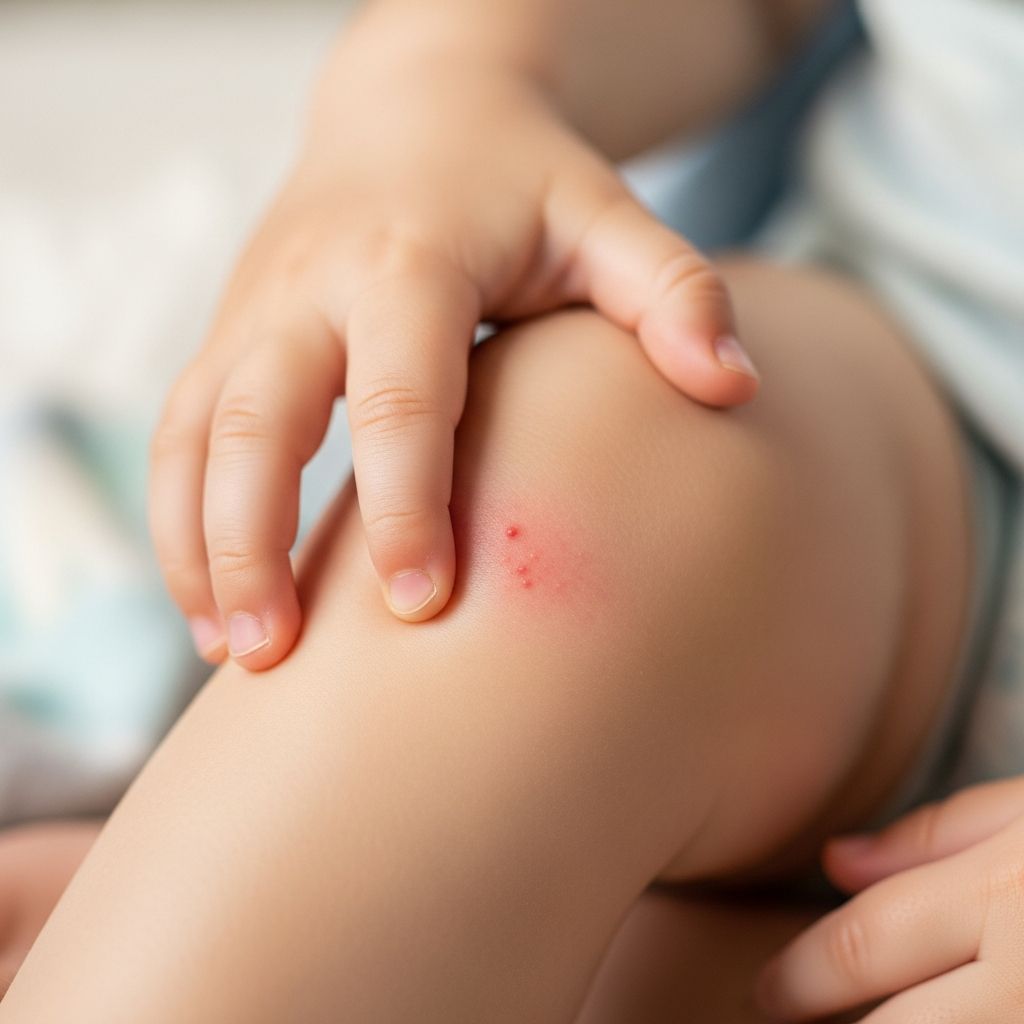
In the diaper zone, including groin, buttocks, and genitals, yeast diaper rash appears as bright red or purple patches on lighter or darker skin tones, respectively, often with satellite bumps or pustules at edges. Affected toddlers may show white or yellow discharge in girls, painful urination, or scaling on the penis in boys. Fussiness peaks during changes, with open sores in severe cases oozing fluid.
Oral and Perioral Areas
Oral thrush presents as creamy white patches on the tongue, cheeks, gums, or roof of the mouth, sometimes causing painful swallowing or feeding refusal. At mouth corners, angular cheilitis causes red, cracked, or crusted fissures that bleed.
Skin Folds and Other Sites
Intertriginous areas like neck creases, armpits, belly button, or thigh folds develop scaly, moist rashes with itching or burning sensations. Nail beds may swell with pus if paronychia occurs.
| Location | Symptoms on Lighter Skin | Symptoms on Darker Skin | Behavioral Signs |
|---|---|---|---|
| Diaper Area | Red patches, raised edges, white bumps | Purple or lighter patches, bumps | Fussiness at changes, crying |
| Mouth (Thrush) | White/yellow coating on tongue/cheeks | Same | Feeding difficulty, irritability |
| Skin Folds | Red, scaly, moist rash | Purple/lighter scaly rash | Scratching, discomfort |
| Genitals (Girls) | Red vulva, thick white discharge | Red/purple vulva swelling | Leg rubbing, pain urinating |
| Genitals (Boys) | Red/scaly penis, pus bumps | Purple scaling, scrotum rash | Irritability, pulling at area |
This table summarizes key indicators, aiding quick identification.
Behavioral Clues in Non-Verbal Toddlers
Since many toddlers lack advanced language skills, observe indirect signals: increased crying during diaper or feeding times, sleep disturbances, refusal to sit still, or excessive scratching. These stem from itching, burning, or pain, underscoring the need for vigilant monitoring.
Risk Factors That Promote Yeast Growth
- Prolonged wet diapers or underwear, fostering humidity.
- Recent antibiotic courses, which kill protective bacteria.
- Immunosuppression from illness or medications.
- Breastfeeding from infected nipples or unsterilized pumps/pacifiers.
- Steroid inhalers without mouth rinsing.
- Frequent potty accidents during training.
Humid climates or infrequent changes exacerbate risks.
Home Diagnosis Tips for Caregivers
While professional evaluation is ideal, initial checks include noting rash persistence beyond irritant diaper rash (which fades with air exposure) and presence of pustules or edge bumps signaling yeast. Thrush patches don’t wipe off easily, unlike milk residue. Consult a pediatrician for confirmation via swab or visual exam, as symptoms mimic eczema or allergies.
Treatment Approaches for Fast Relief
Most cases resolve in 4-5 days with antifungal creams like nystatin or clotrimazole applied 2-4 times daily after thorough cleaning and drying. For thrush, oral nystatin suspension clears patches. Severe or recurrent infections may require fluconazole.
Supportive measures: expose skin to air 10-15 minutes post-change, use barrier creams sparingly, and launder fabrics in hot water. Complete the full course to prevent recurrence, even if symptoms fade early.
When to Escalate to a Doctor
- Symptoms worsen after 3 days of OTC treatment.
- Rash persists over 10 days.
- New fever, spreading rash, or systemic signs appear.
Proactive Prevention Strategies
Minimize moisture: change diapers immediately after soiling, pat dry gently, and use breathable diapers. Probiotics may restore balance post-antibiotics. Sterilize pacifiers/bottles daily; rinse mouths after inhalers. For breastfeeding, treat maternal infections promptly.
Daily hygiene routines, like gentle fold cleaning with water, reduce fold infections.
Potential Complications if Untreated
Persistent infections cause secondary bacterial issues, scarring, or deeper tissue invasion in immunocompromised children. Chronic discomfort impacts growth and mood.
Frequently Asked Questions (FAQs)
Can toddlers get yeast infections without diapers?
Yes, in mouth, skin folds, or genitals from moisture, antibiotics, or pacifier use.
Is a yeast diaper rash contagious?
No, it’s due to personal microbial imbalance, not spread like viruses; handwashing prevents cross-contamination.
How long does treatment take?
Improvement in 2-3 days, full clearance in 1-2 weeks with consistent application.
Does diet affect yeast in toddlers?
Limited evidence, but reducing sugars and adding yogurt may help balance flora.
Can boys get genital yeast infections?
Yes, presenting as red, scaly penile rash or balanitis with itching.
Long-Term Care for Recurring Cases
For frequent occurrences, track triggers like antibiotics, and consider pediatric allergy or immunology consults. Maintain low-sugar diets and probiotic routines to bolster immunity. Regular well-child visits catch early signs.
Empowering parents with knowledge ensures toddlers thrive comfortably. Prompt action transforms discomfort into quick recovery.
References
- Toddler yeast infection: Symptoms, treatment, and prevention — Medical News Today. 2019-05-29. https://www.medicalnewstoday.com/articles/322378
- When To Be Concerned – Vaginal Yeast Infections in Kids — Children’s Dayton. N/A. https://childrensdayton.org/resources/when-to-be-concerned/vaginal-yeast-infections-in-kids/
- Yeast Infection in Toddlers: How to Treat — Healthline. N/A. https://www.healthline.com/health/parenting/toddler-yeast-infection
- Candidiasis (Yeast Infection) in Children — Children’s Hospital of Philadelphia (CHOP). N/A. https://www.chop.edu/conditions-diseases/candidiasis-yeast-infection-children
- Yeast Diaper Rash (Candida Diaper Dermatitis) — Cleveland Clinic. 2023-09-06. https://my.clevelandclinic.org/health/diseases/22307-yeast-diaper-rash