Feeding toddlers can feel like a daily battle between nutrition, convenience, and fun. With busy schedules, parents need quick ways to deliver balanced meals that little ones actually eat. These hacks repurpose everyday items like baby food pouches into creative snacks, prioritize choking-safe finger foods, and incorporate nutrient-dense ingredients for optimal growth.
Transforming Baby Food Pouches into Treats
Baby food pouches are a staple for on-the-go nutrition, packed with pureed fruits and veggies. Instead of tossing empties, turn them into homemade delights that extend shelf life and add variety.
Dehydrated Fruit Strips
Create chewy, portable snacks by spreading pouch contents thinly on parchment-lined sheets. Use flavors like apple-carrot or berry blends for natural sweetness. Dry in an oven at the lowest temperature for several hours until pliable but not brittle. These strips mimic commercial fruit leathers but control sugar and additives.
- Select organic pouches without added sugars.
- Aim for 1/4-inch thickness to ensure even drying.
- Store in airtight containers for up to a week.
Frozen Bites for Quick Relief
For teething toddlers, squeeze small dollops onto silicone trays or parchment. Freeze solid for bite-sized pops that soothe sore gums while delivering vitamins. Mix flavors for variety, like pear-spinach for iron boosts.
These freeze in under an hour, making them ideal for impromptu snack attacks. They’re mess-free compared to traditional popsicles and portion-controlled to prevent overeating.
Ice Pop Alternatives
Fill molds or ice cube trays with pouch puree, insert sticks, and freeze. Offer during hot days or fussy teething phases. Add a twist by blending in yogurt for probiotics or breast milk for familiarity.
Safe and Nutritious Finger Food Essentials
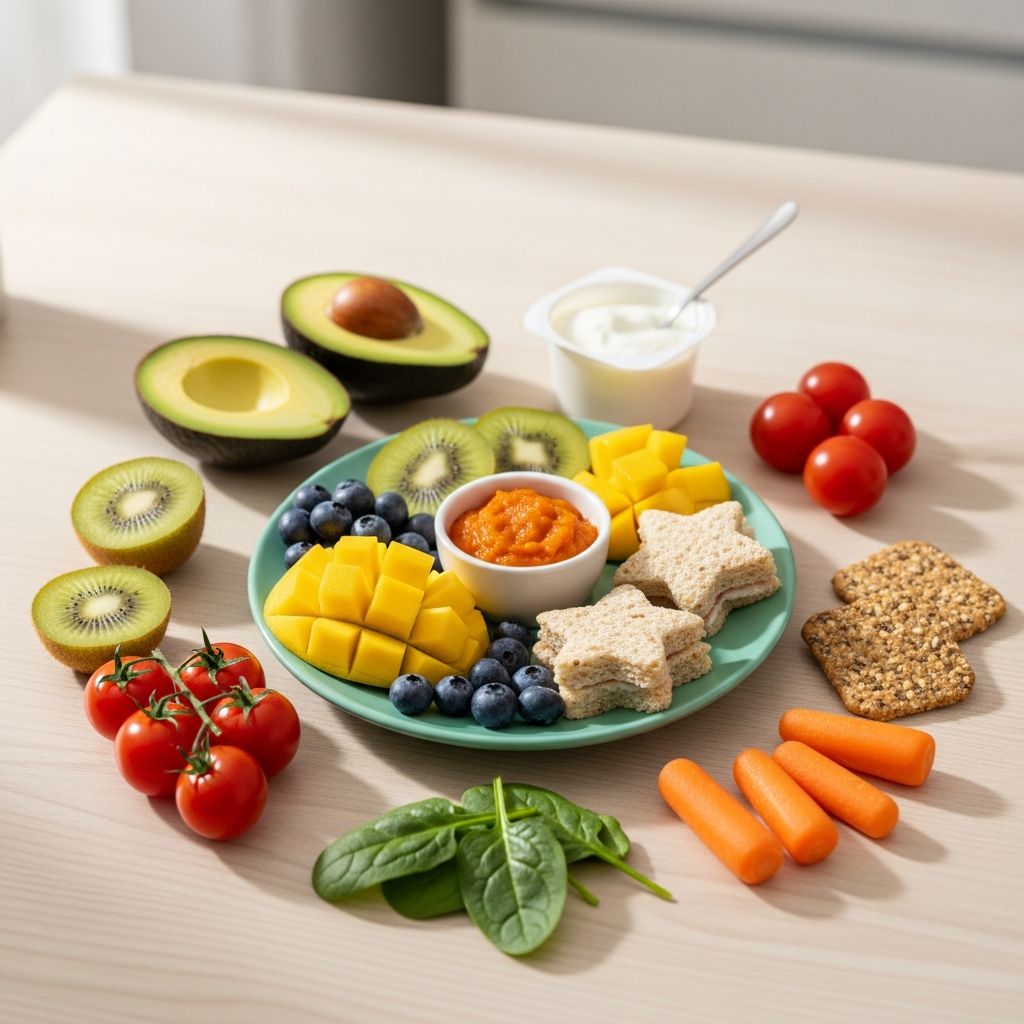
As toddlers master self-feeding, finger foods build motor skills and independence. Focus on soft textures, small pieces, and diverse nutrients to minimize choking risks and maximize appeal.
| Food Category | Safe Prep Ideas | Nutritional Perks |
|---|---|---|
| Fruits | Grated apples, soft banana slices rolled in seeds, diced melon | Vitamin C, fiber, natural energy |
| Veggies | Steamed carrot sticks, roasted sweet potato wedges, pea pods | Antioxidants, beta-carotene, satiety |
| Proteins | Mini egg bites, mashed bean balls, soft cheese cubes | Growth support, iron, healthy fats |
| Grains | Cheerios clusters, mini pita crisps, soft pasta twists | Whole grains for sustained energy |
Roll slippery items like avocado in ground flax or hemp for grip and omega-3s. Crinkle-cut edges help tiny hands hold on better.
Boosting Meals with Purees and Dips
Purees aren’t just for infants—mix them into family foods for hidden nutrition. Stir into oatmeal, pancake batter, or yogurt for creaminess and veggie boosts without detection.
- Bulk up muffins with pumpkin or sweet potato puree.
- Thin thick textures with olive oil or broth for smoother swallowing.
- Combine with hummus for a dip that pairs with veggie sticks.
DIY Dips for Adventurous Eaters
Hummus variations like edamame or green pea shine as dips. Blend chickpeas with garlic powder and herbs—no salt needed. Pair with cucumber slices or bell pepper strips for crunch.
Encourage dipping to develop fine motor skills. Repeat exposures to new flavors; it often takes 10-15 tries for acceptance.
Quick Snack Recipes Toddlers Crave
Stock your freezer with make-ahead options that thaw fast. These balance carbs, fats, and proteins for steady energy.
Mini Veggie Fritters
Mix grated zucchini, carrot, and a beaten egg with breadcrumbs. Form small patties, bake at 375°F for 15 minutes. Dip in yogurt for extra calcium.
Peanut Butter Fruit Toasties
Spread unsalted peanut butter on whole-grain toast fingers, top with banana slices. Cut into strips for easy gripping. A perfect blend of fats and potassium.
Sweet Potato Wedges
Roast wedges lightly oiled until fork-tender. Season with cinnamon for sweetness without sugar. High in vitamin A for immune health.
Meal Ideas for Busy Days
Family-style meals foster healthy habits. Adapt adult dishes for toddlers: lamb stew with rice, pasta with cauliflower sauce, or bean toasties.
- Breakfast: Yogurt with chopped prunes and cereal.
- Lunch: Scrambled egg on muffin halves with tomato.
- Dinner: Mini quesadillas stuffed with shredded veggies.
- Snack: Avocado on crackers or cheese with peach slices.
Season mildly with herbs like curry powder or pepper to expand palates early.
Common Challenges and Solutions
Toddlers reject foods or make messes? Grate hard items like cheese into purees. Use divided plates to separate flavors. Involve kids in prep for ownership.
For picky eaters, blend disliked veggies into favorites. Persistence pays off—offer repeatedly without pressure.
Frequently Asked Questions
What are the best first finger foods for 1-year-olds?
Start with soft options like ripe banana pieces, steamed carrot sticks, and small pasta. Always supervise and cut into pea-sized bits to avoid choking.
How can I make snacks choking-safe?
Avoid whole grapes, popcorn, or hard candies. Opt for softer textures, roll in seeds for grip, and ensure pieces are under 1/2 inch.
Are baby food pouches healthy for toddlers?
Yes, in moderation—they provide convenient nutrients. Enhance by using in recipes to add variety and reduce reliance on pouches alone.
How often should toddlers snack?
2-3 times daily between meals, focusing on balanced bites with protein, fruit/veggie, and grain for stable blood sugar.
Can I add spices to baby foods?
Gently yes—use cinnamon, garlic powder, or herbs. Skip salt and sugar to align with developing taste buds.
References
- Infant and Toddler Nutrition — Centers for Disease Control and Prevention. 2024-01-15. https://www.cdc.gov/nutrition/infantandtoddlernutrition/index.html
- Starting Solid Foods — American Academy of Pediatrics. 2023-11-20. https://www.healthychildren.org/English/ages-stages/baby/feeding-nutrition/Pages/Starting-Solid-Foods.aspx
- Weaning and Feeding Guidance — National Health Service (NHS). 2025-03-10. https://www.nhs.uk/conditions/baby/weaning-and-feeding/
- Finger Foods for Babies 6-12 Months — World Health Organization. 2024-06-05. https://www.who.int/news-room/fact-sheets/detail/infant-and-young-child-feeding
- Choking Prevention in Young Children — Food and Drug Administration. 2024-09-12. https://www.fda.gov/food/buy-store-serve-safe-food/choking-prevention-young-children
- Nutrition for Toddlers 1-3 Years — USDA MyPlate. 2025-02-28. https://www.myplate.gov/life-stages/toddlers