New motherhood brings profound joy alongside physical exhaustion, hormonal shifts, and round-the-clock caregiving. Proper nutrition becomes a cornerstone for recovery from birth, sustaining breast milk production if nursing, and maintaining energy levels. Stocking your kitchen with simple, nutrient-dense foods allows for effortless meals and snacks, even when time and energy are scarce. This guide highlights key staples that deliver proteins, healthy fats, vitamins, and fiber to meet these demands.
Why Nutrition Matters in the Postpartum Phase
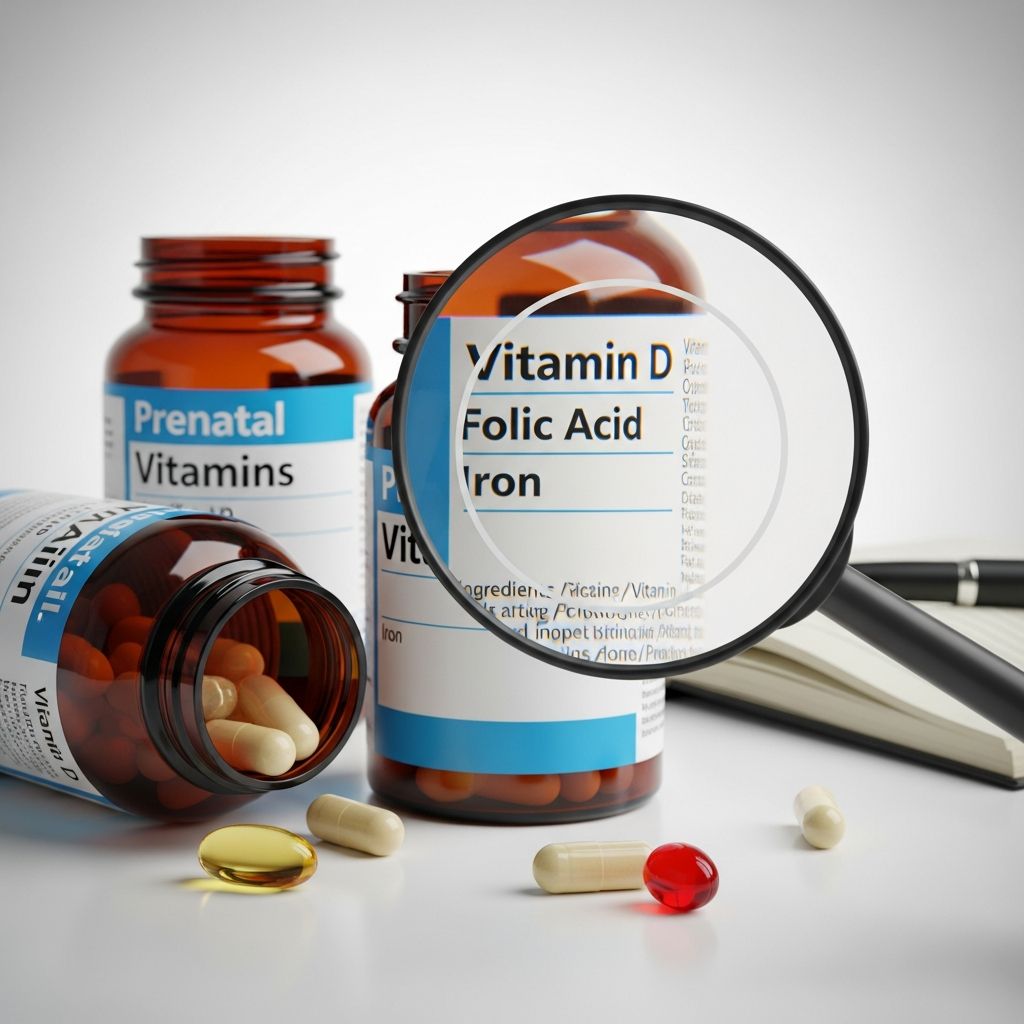
The weeks following childbirth demand heightened caloric intake—often 300-500 extra calories daily for breastfeeding mothers—along with specific nutrients like iron for blood replenishment, calcium for bone health, and omega-3s for mood stability. Dehydration risks rise due to nursing and fluid loss during delivery, making hydrating foods essential. Busy new parents benefit from no-prep or minimal-prep options that support gut health, reduce inflammation, and combat fatigue. Prioritizing whole foods over processed items ensures sustained energy without blood sugar crashes.
Protein Powerhouses for Sustained Energy
Protein aids tissue repair, stabilizes blood sugar, and promotes satiety. Aim for 70-100 grams daily postpartum.
- Eggs: Versatile and rich in choline for brain health, eggs provide complete protein. Boil a batch for grab-and-go snacks or scramble with veggies for a quick meal. Pasture-raised varieties offer higher omega-3 content.
- Greek Yogurt: Thick and creamy, it’s loaded with probiotics for digestion and double the protein of regular yogurt. Choose plain, full-fat versions; top with fruit for flavor.
- Cheese Sticks or Cubes: Portable and kid-friendly, these deliver calcium and 6-8 grams of protein per serving. Pair with crackers for balance.
- Nuts and Seeds (Almonds, Walnuts, Chia): Handfuls provide healthy fats, magnesium for relaxation, and fiber. Walnuts boost omega-3s for postpartum mood support.
Grain-Based Staples for Quick Fuel
Complex carbs offer lasting energy and aid lactation by supporting prolactin production.
- Oatmeal: A lactation favorite due to its beta-glucan content, which may enhance milk supply. Prepare overnight oats with milk and berries for no-cook convenience.
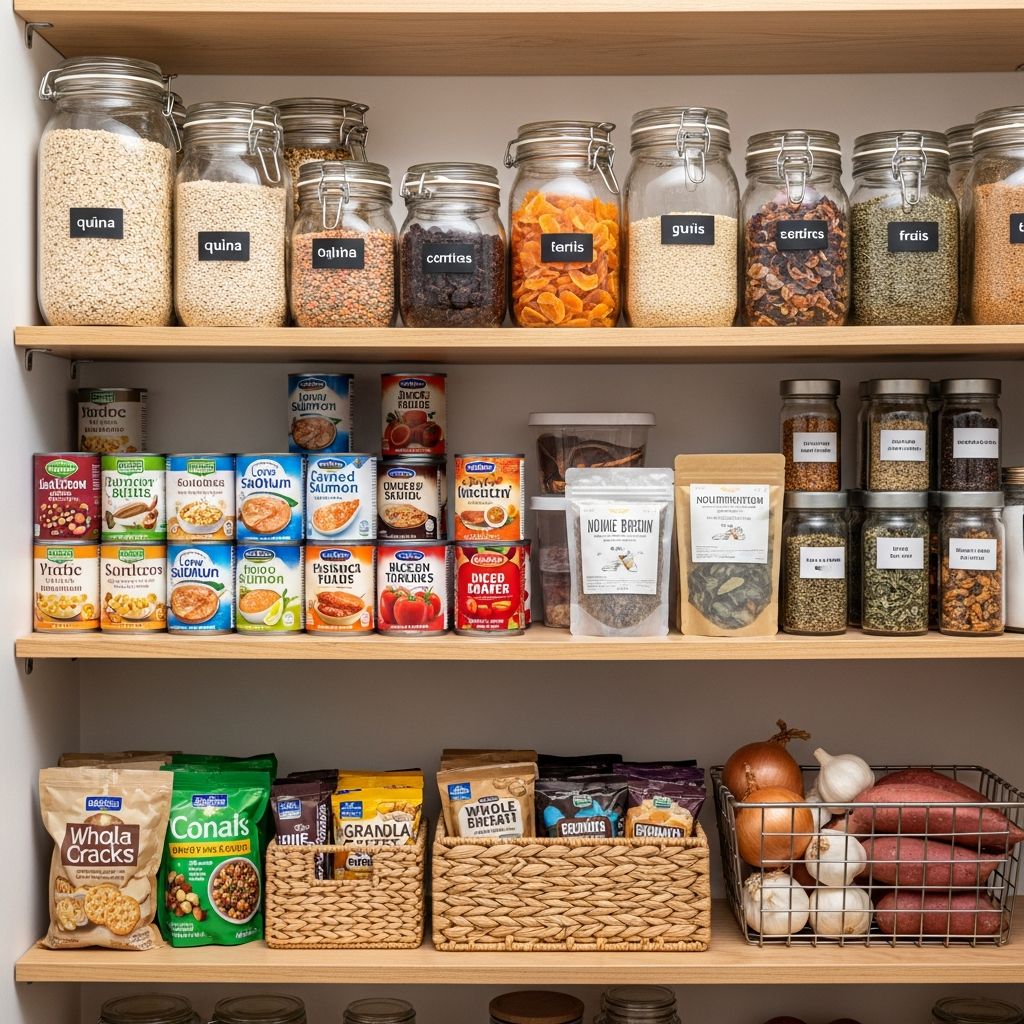
- Quinoa: A gluten-free pseudo-grain packing all nine essential amino acids, iron, and folate. Cook in bulk for salads or bowls.
- Whole Grain Crackers: Opt for those with few ingredients; they pair well with dips and provide B vitamins for energy metabolism.
Fruits and Veggies for Vitamins and Hydration
Fresh produce combats constipation, a common postpartum issue, while delivering antioxidants for healing.
| Food | Key Nutrients | Postpartum Benefit |
|---|---|---|
| Bananas | Potassium, Vitamin B6 | Regulates digestion, eases cramps |
| Berries (Blueberries, Strawberries) | Vitamin C, Antioxidants | Boosts immunity, fights inflammation |
| Clementines or Oranges | Vitamin C, Folate | Hydration, collagen production |
| Cherry Tomatoes or Carrot Sticks | Vitamin A, Lycopene | Skin health, vision support |
| Apples | Fiber, Quercetin | Sustained energy, anti-inflammatory |
These items require no prep and store well, making them ideal for midnight snacks or nursing sessions.
Legumes and Dips for Plant-Based Protein
- Hummus: Chickpea-based, it’s fiber-rich and pairs with veggies or crackers. Homemade versions control sodium.
- Edamame or Canned Beans: Soybeans offer complete protein; black beans add iron. Rinse canned varieties to reduce sodium.
Fish and Other Omega-Rich Options
Omega-3 fatty acids reduce postpartum depression risk and support baby’s brain development via breast milk.
- Canned Salmon or Sardines: Affordable, shelf-stable sources of DHA and protein. Mix into salads or eat atop crackers.
Meal Ideas Using These Staples
Combine staples for balanced plates:
- Yogurt parfait: Layer Greek yogurt, berries, chia seeds, and granola.
- Quinoa salad: Toss cooked quinoa with beans, cherry tomatoes, feta, and olive oil.
- Nut butter banana: Spread almond butter on banana slices for potassium and fats.
- Cheese and cracker plate: Cheese sticks, whole grain crackers, apple slices.
- Oatmeal bowl: Instant oats with walnuts, clementines, and a drizzle of honey.
Batch-prep on better days: Hard-boil eggs, portion nuts, wash berries. Involve partners or family in stocking these.
Nutrition Tips Tailored for Breastfeeding
Lactating moms need extra hydration—aim for 13 cups of fluids daily. Galactagogues like oats and flaxseeds may support supply, though evidence varies. Monitor for allergies if introducing solids to baby via diet. Consult a doctor for personalized advice, especially with conditions like gestational diabetes.
Storage and Shopping Strategies
- Buy in bulk for nuts, oats, quinoa but portion to avoid spoilage.
- Choose organic where possible for eggs, dairy to minimize hormones.
- Keep a ‘mom snack station’ at eye level in the fridge.
- Freeze bananas or berries for smoothies when fresh run out.
Frequently Asked Questions (FAQs)
What are the best snacks for increasing breast milk supply?
Oatmeal, nuts, and seeds like chia are popular; they provide complex carbs and healthy fats that may support lactation.
How can I eat healthily with no time to cook?
Focus on no-cook assemblies like yogurt with fruit, cheese with crackers, or pre-washed veggies with hummus.
Are canned fish safe postpartum?
Yes, low-mercury options like salmon provide essential omega-3s; limit to 2-3 servings weekly.
What if I’m vegetarian?
Prioritize eggs, yogurt, beans, quinoa, nuts, and seeds for complete proteins.
How much should I eat postpartum?
Breastfeeding adds 450-500 calories; listen to hunger cues and choose nutrient-dense foods.
Potential Challenges and Solutions
Common hurdles include nausea, aversions, or fatigue. Start small with familiar flavors. If appetite wanes, opt for smoothies blending bananas, yogurt, spinach, and nut butter. Track intake via apps if needed, but avoid obsession—flexibility is key.
Empower your postpartum journey by filling your pantry proactively. These staples not only nourish your body but also free mental space for bonding with your newborn. Share lists with visitors for meal trains featuring these ingredients.
References
- Dietary Guidelines for Americans, 2020-2025 — U.S. Department of Agriculture and U.S. Department of Health and Human Services. 2020-12-01. https://www.dietaryguidelines.gov/sites/default/files/2020-12/Dietary_Guidelines_for_Americans_2020-2025.pdf
- Nutrition Recommendations in Pregnancy and Lactation — Public Health Agency of Canada. 2023-07-15. https://www.canada.ca/en/health-canada/services/canada-food-guide/resources/nutrition-pregnancy.html
- Postpartum Nutrition: Food as Medicine — Academy of Nutrition and Dietetics. 2024-11-20. https://www.eatright.org/health/pregnancy/postpartum-and-breastfeeding/postpartum-nutrition
- Omega-3 Fatty Acids and Postpartum Depression — National Institutes of Health, PubMed. 2022-05-10. https://pubmed.ncbi.nlm.nih.gov/35147104/
- Lactation Nutrition Guidelines — World Health Organization. 2023-03-01. https://www.who.int/tools/elena/bbc/lactation-nutrition