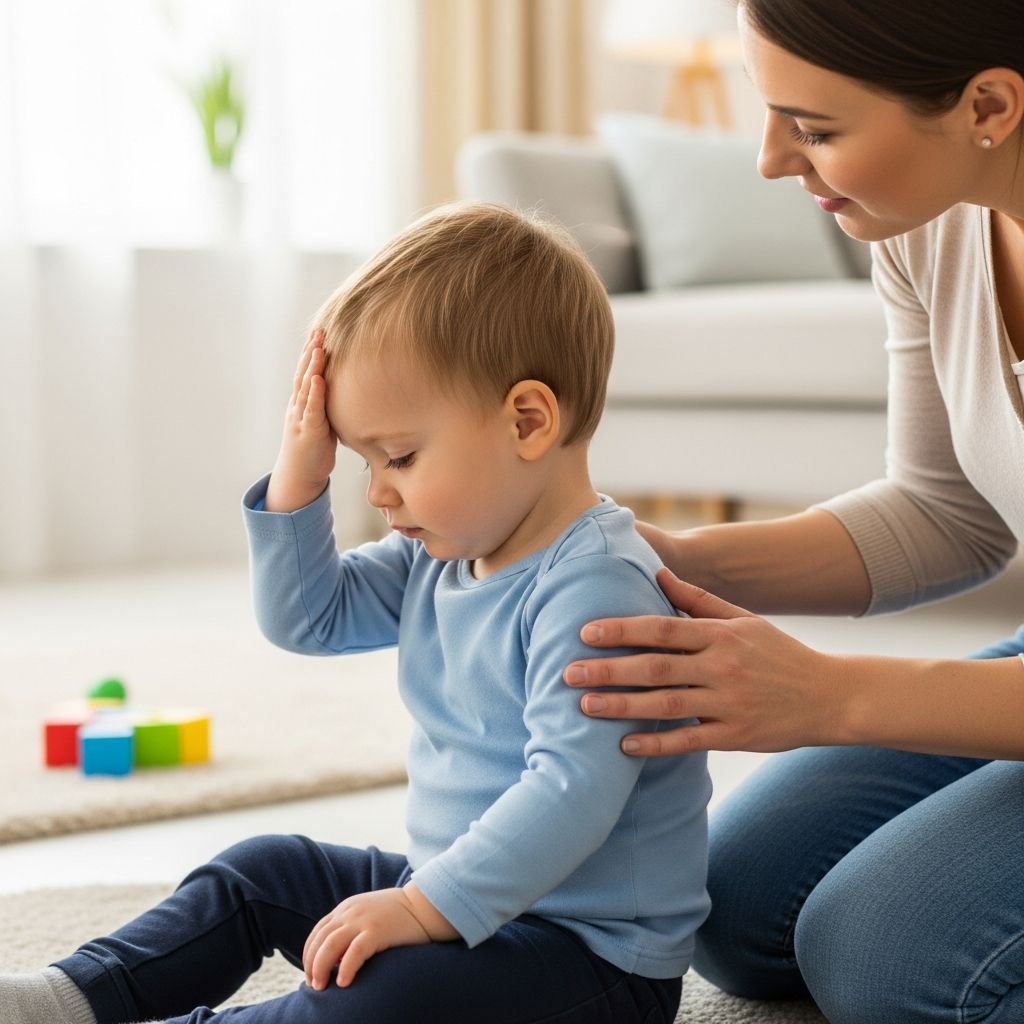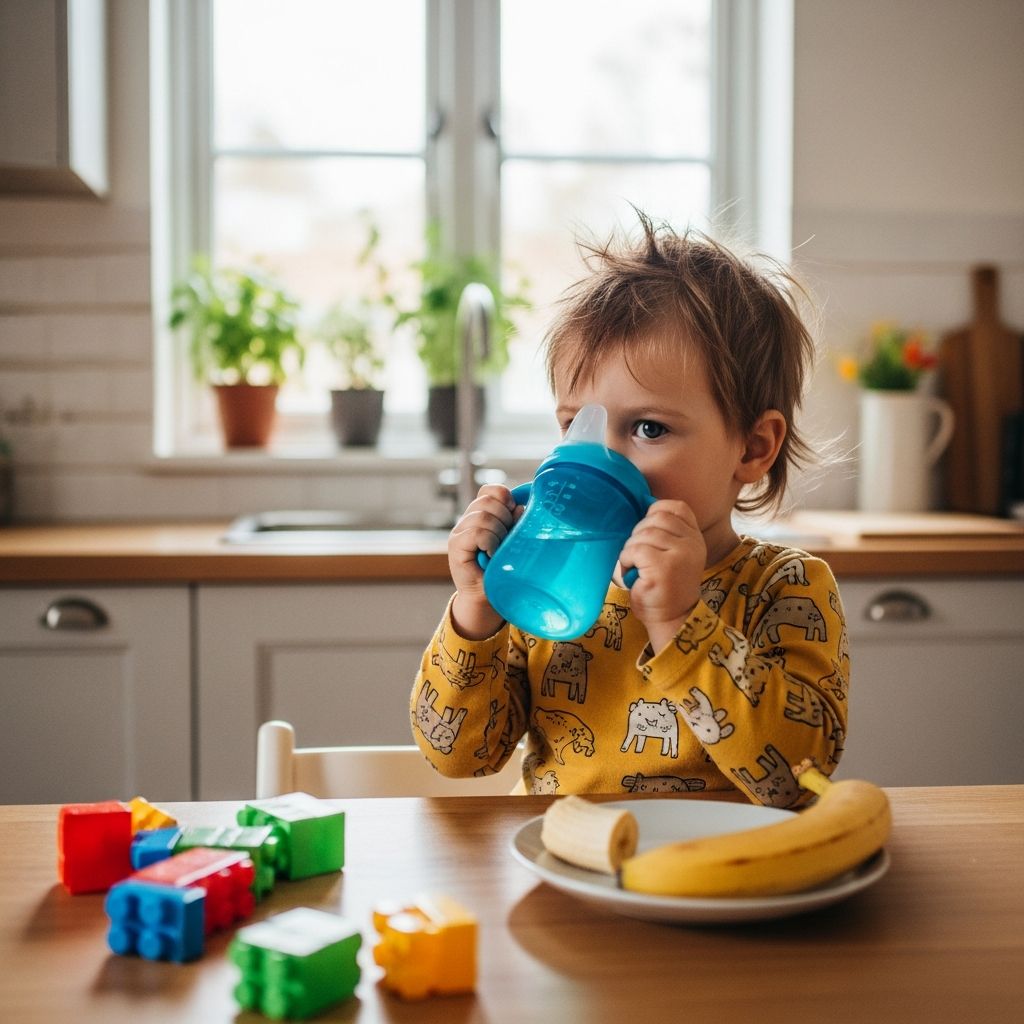
Many parents are surprised when a toddler who once drank happily from a sippy cup suddenly refuses it and demands a bottle again, especially after a stomach bug or other illness. This apparent “regression” can be stressful, but it is a common and usually temporary phase. Understanding what is happening and responding calmly can protect your child’s health, preserve mealtimes, and eventually get you back to cups.
Why Toddlers Regress With Cups After Illness
Regression around eating and drinking often appears after a stressful event such as illness, a big routine change, or a new childcare situation. Toddlers seek comfort and predictability when they feel unsafe or unwell, and the bottle is often associated with warmth, closeness, and relief.
Illness adds another layer: nausea, vomiting, or diarrhea can create a strong negative association with the cup or specific beverages they were using during that time. Young children are quick to link a particular object with how their body felt, even when there is no real cause-and-effect connection.
- Comfort factor: Bottles mimic the soothing, rhythmic sucking of infancy, which can feel especially reassuring after feeling sick.
- Negative pairing: If most offers of cups happened while your child felt nauseated or was vomiting, the cup can become a cue for discomfort.
- Control and power: Toddlers have few areas of control. Refusing a cup is one way to assert independence.
- Routine disruption: Changes in daycare or caregiving right before or after illness can magnify the pushback.
None of this means you “messed up” the transition or that your child will be stuck on bottles forever. It simply means their nervous system is asking for a reset.
Health Considerations: Bottles, Cups, and Timing
Health professionals generally recommend beginning the transition from bottle to cup around 12 months and finishing it sometime in the second year of life, mainly to protect teeth and support developing oral skills. However, guidance is flexible and recognizes that temporary setbacks are normal.
Key concerns with prolonged bottle use include:
- Tooth decay: Long or frequent exposure to milk or sweet drinks in a bottle, especially at bedtime, can raise the risk of early childhood caries.
- Excess calorie intake: Children who “graze” on milk from a bottle between meals may consume more calories than they need, which has been linked in some studies to higher weight gain.
- Delayed cup skills: If a bottle is always available, some children are slower to fully master open cups or straws, although short-term delays after illness are usually not a concern.
That said, a week or two of renewed bottle use after a virus is unlikely to cause long-term harm, especially if you limit what is in the bottle and care for your child’s teeth.
First Priority: Hydration and Recovery
After a stomach bug, your primary job is not to win a cup-versus-bottle battle. It is to make sure your child is adequately hydrated and slowly regains interest in food.
Children are more vulnerable to dehydration than adults because they have a higher water requirement per kilogram of body weight. Common signs of concern include very few wet diapers, dry mouth, crying without tears, and unusually low energy. If you see these signs, you should contact your child’s healthcare provider right away.
To support hydration gently:
- Offer small, frequent sips instead of large volumes at once, which may trigger nausea.
- Use whatever drinking method your child accepts best in the short term, including a bottle.
- Include high-water foods once they can tolerate solids again, such as cucumber, melon, oranges, and soups (if age-appropriate and safe).
- Follow your pediatrician’s instructions on oral rehydration solutions if still recovering from vomiting or diarrhea.
Only once hydration and basic appetite are improving does it make sense to turn attention back to cups.
When to Pause Efforts and Take the Pressure Off
If your toddler screams, throws the sippy cup on sight, or becomes very distressed each time it appears, pushing harder tends to backfire. The more pressure your child feels, the more intense the refusal can become. For some families, the healthiest step is to intentionally pause cup training for one to three weeks.
During a pause, you can:
- Stop offering sippy cups entirely for a defined period.
- Allow a limited number of bottles per day, often at predictable times such as morning and bedtime.
- Protect teeth by brushing after the bedtime bottle and avoiding sweet liquids in bottles.
- Keep mealtimes calm: no coaxing, bargaining, or “just one sip” battles.
This break helps weaken the negative association between cups and feeling pressured or sick. It also signals to your child that drinking does not need to be a power struggle.
Gentle Strategies to Reintroduce Cups
Once your child seems fully recovered, is eating somewhat more normally, and is less reactive to changes in routine, you can begin to slowly reintroduce cups. The goal is to make the cup neutral or interesting again, not a tool for conflict.
1. Change the “Story” Around the Cup
Try to present cups as ordinary objects rather than tests your child must pass. Some ideas include:
- Place a cup of water on the table during playtime or meals, without urging them to drink.
- Let your toddler “serve” water to stuffed animals using a cup.
- Demonstrate drinking from a similar cup yourself and simply comment, “My water is cold,” without expectation.
Many toddlers become curious in their own time if the cup is there but not pushed.
2. Experiment With Different Cup Styles
Not all cups feel the same to a recovering child. Some toddlers reject one type but accept another immediately. Options include:
- Straw cups: These support more mature oral motor patterns and avoid the constant sucking pattern of bottles and traditional spouted sippy cups.
- Open or “rim” cups: Parents can offer small amounts with help; spills are normal but help children learn control.
- 360-style cups: These allow drinking from the edge but still have a lid, often perceived as more “grown-up.”
Allowing your child to help choose a new “big kid” cup may increase curiosity, but keep your expectations light and flexible.
3. Adjust What You Serve in Cups vs. Bottles
To gently shift habits, consider separating liquids by container:
- Offer water and non-sweet liquids only in cups during the day.
- Reserve milk for meals and snacks, ideally in a cup once they are ready.
- Use bottles only for specific times (often morning and/or bedtime) and keep them brief.
Gradually, your toddler learns that bottles are rare and predictable, while everyday thirst is met with cups.
4. Taper Bottles Rather Than Going Cold Turkey (If Needed)
Some families successfully stop bottles all at once. Others find a gradual approach less stressful, especially after illness. A typical progression might look like this:
| Step | Change | Approximate Timing |
|---|---|---|
| 1 | Remove daytime bottles; offer water in cups with meals and snacks. | 1–2 weeks, once child is fully recovered. |
| 2 | Keep only morning and bedtime bottles; keep volumes modest. | 1–2 weeks, watching child’s adjustment. |
| 3 | Drop one remaining bottle (often the morning one) and replace with a cuddly breakfast routine and cup. | 1–2 weeks. |
| 4 | Drop the last bottle; keep the bedtime routine but move milk earlier and finish with tooth brushing. | When child seems ready and less attached. |
These steps are guidelines, not strict rules. You can slow down or pause if your toddler becomes very distressed.
Protecting Teeth While You Transition
Because one of the main reasons for weaning from bottles and spouted sippy cups is oral health, it helps to build tooth-friendly habits even while your child is still using them.
- Brush twice a day with a smear or pea-sized amount of fluoride toothpaste (per dental or pediatric guidance) as soon as teeth appear.
- Finish milk before bedtime and then brush, rather than letting your child fall asleep with a bottle, which increases exposure to sugars on the teeth.
- Avoid sweet drinks like juice or flavored milk in bottles or cups used constantly throughout the day.
- Offer water for between-meal thirst, ideally in an open or straw cup.
If you are worried about your child’s teeth after a prolonged illness or heavy bottle use, scheduling a pediatric dental visit can provide reassurance and timely advice.
Supporting Appetite After a Stomach Bug
It is common for toddlers to eat less for days or even a couple of weeks after a significant illness. Appetite often returns gradually. Pressuring your child to eat or drink can cause more resistance, so try to treat this as a temporary phase rather than a crisis.
Helpful practices include:
- Serving small, frequent meals and snacks rather than large portions.
- Including familiar, easy-to-digest foods such as toast, banana, yogurt (if tolerated), and simple soups.
- Pairing new or less preferred foods with long-time favorites.
- Keeping mealtimes short, pleasant, and screen-free.
If your toddler refuses most foods, seems unusually lethargic, or is not improving over time, contact your pediatrician to rule out lingering medical issues.
Working With Daycare or Other Caregivers
Childcare settings can either support or complicate the cup transition. When possible, communicate regularly with daycare staff about:
- What type of cup your child is currently using at home.
- How many bottles (if any) are still part of the routine.
- Signs your child gives when thirsty or overwhelmed.
- Any agreed approach to limiting bottles and encouraging cups.
Consistency is helpful, but it does not need to be perfect. If your child does better drinking from cups at daycare than at home, it may be because they see peers using cups and respond to group routines. You can build on this gently at home without trying to exactly replicate daycare schedules.
When to Seek Professional Help
Most toddlers move through post-illness cup refusal with time, patience, and simple strategies. However, you should seek medical or specialist advice if:
- Your child shows ongoing signs of dehydration (very few wet diapers, dry mouth, extreme drowsiness).
- Vomiting, diarrhea, or fever persists or returns after seeming to improve.
- Your toddler consistently chokes, coughs, or struggles when drinking or swallowing.
- Your child refuses almost all liquids or solids for more than a day, or has poor growth.
- Feeding and drinking battles dominate the day and cause significant stress for the family.
In some cases, a pediatrician might refer you to a feeding specialist, pediatric dietitian, or speech-language pathologist with expertise in swallowing and oral motor skills. These professionals can evaluate whether there is an underlying sensory or motor challenge adding to the behavioral regression.
Frequently Asked Questions (FAQs)
Is it dangerous if my 1-year-old goes back to bottles for a while?
Temporary bottle use, especially around illness, is usually not dangerous if your child is staying hydrated and you are protecting their teeth by avoiding sweet drinks in bottles and brushing regularly. Problems are more likely when bottle use continues frequently through the toddler and preschool years.
How long should I wait before trying the sippy cup again?
Many families find that taking a full one to three weeks off from sippy cups after illness helps reduce negative associations. Once your child is fully recovered, has more energy, and is less reactive to routine changes, you can slowly and casually reintroduce cups.
My toddler only drinks milk from a bottle. Is that okay?
It is common for toddlers to prefer milk in a bottle and accept water more easily from cups. Over time, aim to move milk into cups as well to protect teeth and prevent over-reliance on bottles for comfort. You can shift gradually by limiting bottles to specific times and offering milk with meals in a cup.
Should I switch from a spouted sippy cup to a straw cup or open cup?
Many pediatric and dental experts recommend using traditional spouted sippy cups only briefly and then moving toward straw or open cups, which better support healthy oral motor patterns and reduce some dental risks. If your child dislikes a particular cup style, experimenting with straws or open cups is reasonable.
How can I stay calm when my toddler refuses to drink?
It can be very stressful to watch your child refuse liquids, but focusing on what you can control helps: offer small amounts regularly, avoid pressuring or chasing your child with drinks, and watch for signs of dehydration. If you are very worried, contacting your pediatrician for guidance can provide reassurance and clear next steps.
References
- 5 Things Parents Need to Know About Starting and Stopping Sippy Cups — Maryann Jacobsen, MS, RD. 2014-02-05. https://maryannjacobsen.com/5-things-parents-should-know-about-starting-and-stopping-sippy-cups/
- Early Childhood Caries — American Academy of Pediatric Dentistry. 2022-05-01. https://www.aapd.org/media/policies_guidelines/e_earlychildhoodcaries.pdf
- Healthy Drinks, Healthy Kids: A Consensus Statement — Healthy Eating Research (RWJF). 2019-09-18. https://healthydrinkshealthykids.org/app/uploads/2019/09/HER-Healthy-Drinks-Consensus-Statement.pdf
- Managing Acute Gastroenteritis Among Children — Centers for Disease Control and Prevention. 2003-11-21. https://www.cdc.gov/mmwr/preview/mmwrhtml/rr5216a1.htm