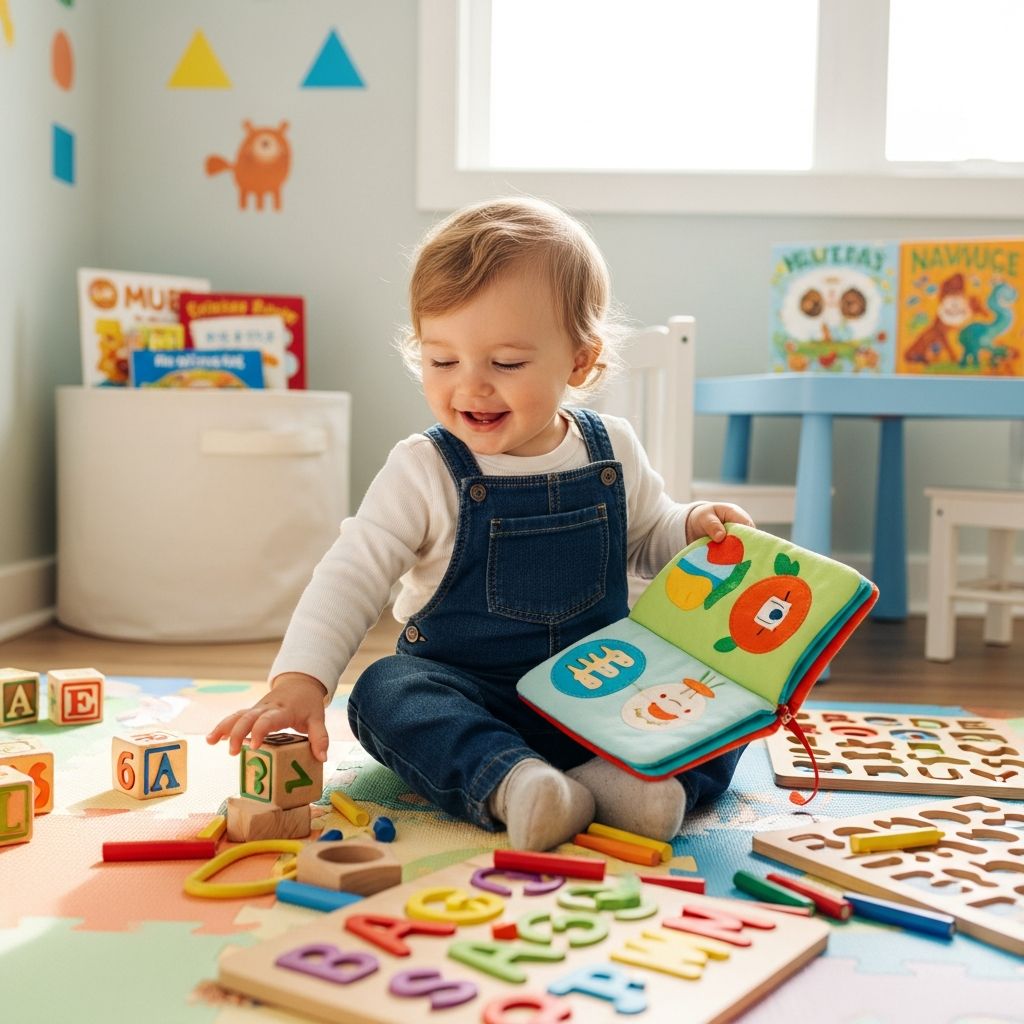
Toddlers aged 1 to 3 experience rapid brain development, with 80% of neural connections forming by age 3, making play a critical tool for fostering independence, language, and problem-solving skills.
Understanding Key Developmental Stages
From 18 months to 3 years, children hit milestones in social-emotional, language, cognitive, and physical domains. At 18 months, most say single words, walk up steps, and drink from cups independently. By age 2, they form 2-4 word sentences, sort shapes, and kick balls. At 3, they follow 2-3 step instructions, name familiar objects, and manipulate complex toys.
These stages guide activity selection: focus on imitation, exploration, and repetition to match their growing abilities.
Building Physical Strength Through Active Play
Gross and fine motor skills emerge as toddlers run, climb, and grasp objects. Activities targeting these areas enhance coordination and confidence.
- Obstacle Adventures: Set up safe paths with cushions, tunnels, and cones for crawling, balancing, and jumping. This builds strength and spatial awareness.
- Block Towers: Use soft or wooden blocks to stack high. Toddlers learn balance, gravity, and precision while refining hand-eye coordination.
- Ball Games: Roll, kick, or toss balls to practice throwing and catching, promoting bilateral coordination and core stability.
Incorporate daily movement: dancing to music helps with rhythm and body awareness, encouraging hopping and galloping motions.
Enhancing Language and Communication Skills
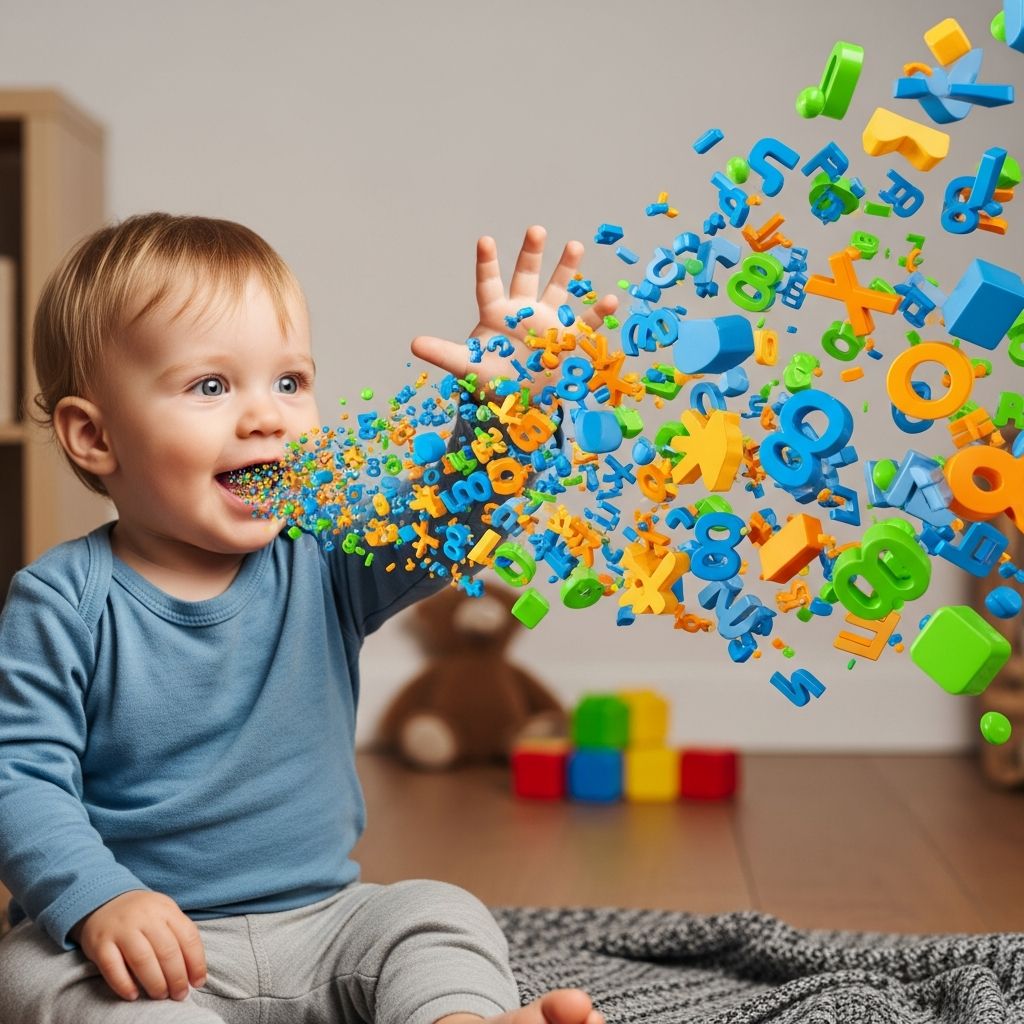
Language explodes during toddlerhood. Repetition through songs and naming builds vocabulary and memory.
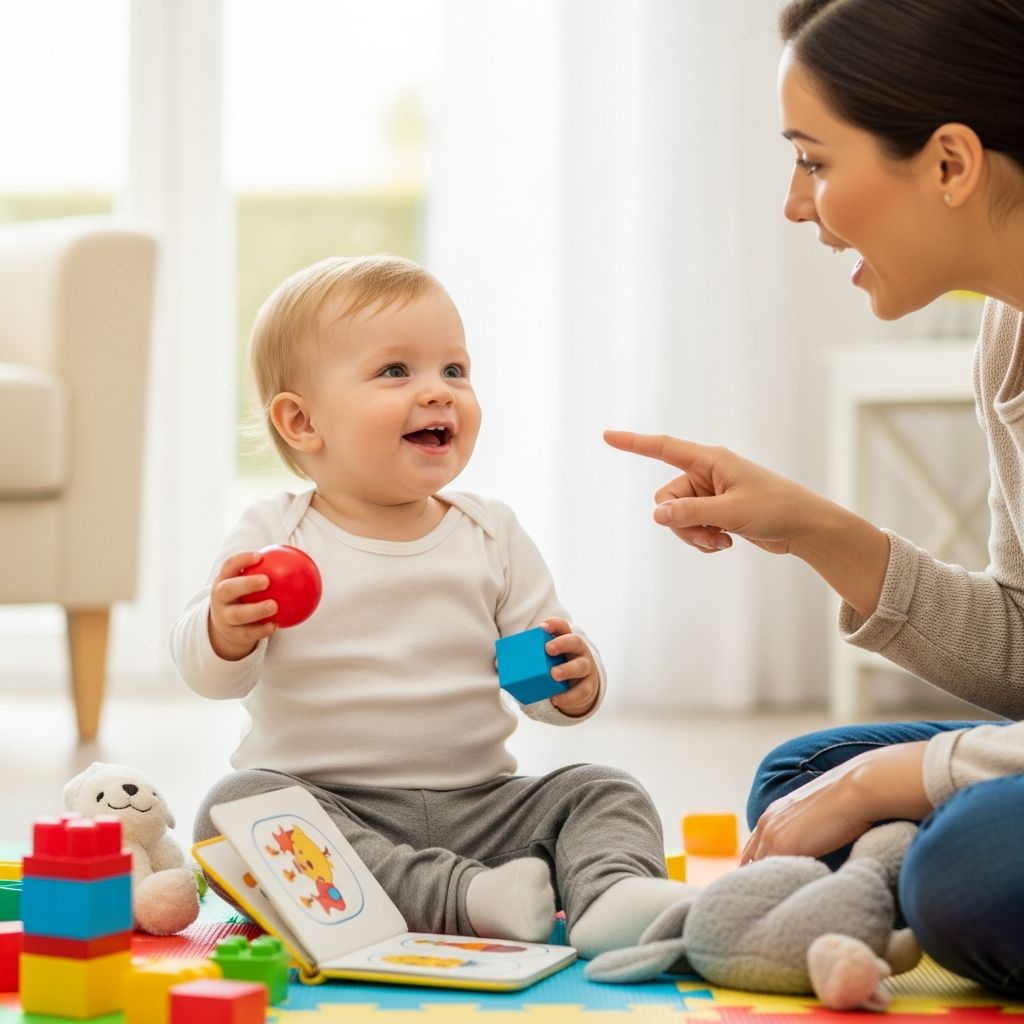
- Interactive Reading: Read picture books daily, pointing to images and asking ‘What’s this?’ Discuss stories to spark descriptive talk.
- Song Circles: Sing nursery rhymes with actions like ‘Itsy Bitsy Spider.’ This links words to gestures, aiding recall and phonetics.
- Body Part Naming: During routines like diaper changes, label toes, knees, and elbows. Repetition embeds 20-50 new words monthly.
By age 2, expect simple sentences; encourage by expanding their phrases, e.g., child says ‘ball,’ respond ‘Big red ball!’
Cognitive Challenges for Young Minds
Cognitive growth involves problem-solving and cause-effect understanding. Hands-on tasks sharpen thinking.
| Activity | Skill Targeted | Materials Needed |
|---|---|---|
| Sorting Shapes | Classification, colors | Buttons, blocks |
| Matching Pairs | Memory, focus | Picture cards |
| Pouring Water | Cause-effect | Cups, water |
| Toy Experiments | Problem-solving | Switches, lids |
These promote milestones like using one hand to hold while manipulating with the other. Start simple: sort by color, progress to shapes.
Fostering Creativity and Imagination
Creative play nurtures emotions, senses, and innovation. Toddlers explore through art, music, and pretend.
- Freeze Dance: Play music for free movement, then freeze. Builds listening and self-control.
- Nature Hunts: Collect leaves or sticks in a basket during walks. Enhances observation and sensory input.
- Puppet Shows: Use stuffed animals for simple stories. Sparks pretend play around 18 months.
- Art Exploration: Finger painting or playdough refines fine motors and self-expression.
Such activities help process feelings and build social bonds via group play.
Social-Emotional Growth Via Group Fun
Toddlers learn sharing and empathy through interaction. Playdates and turn-taking games are ideal.
- Turn-Taking Balls: Pass balls in a circle, praising cooperation.
- Group Songs: Sing with actions to mimic peers, fostering imitation.
- Role Play: Use dolls for feeding or dressing, teaching care and nurturing.
Watch for defiance as independence grows; respond with consistent, positive reinforcement.
Daily Routines Integrated with Learning
Weave activities into meals, baths, and bedtimes for seamless development.
- Bath Time Science: Float/sink toys teach physics concepts.
- Meal Counting: Count bites or sort foods by color.
- Bedtime Stories: Recap day events to boost memory.
Limit screens; prioritize interactive play for optimal brain-building.
Age-Specific Activity Guide
| Age | Focus Areas | Example Activities |
|---|---|---|
| 12-18 Months | Motor, basic words | Leaf collecting, naming body parts |
| 18-24 Months | Pretend, sorting | Block building, matching cards |
| 2-3 Years | Instructions, creativity | Obstacle courses, dance |
Frequently Asked Questions
How much daily play do toddlers need?
Aim for 1-3 hours of active play spread throughout the day, mixing structured and free time to avoid overstimulation.
What if my toddler misses a milestone?
Track with apps like CDC’s Milestone Tracker. Consult a doctor if concerned; early intervention helps.
Are screens okay for learning?
Minimal interactive use only; hands-on play trumps digital for development.
How to encourage reluctant participants?
Follow their interests, keep sessions short (10-15 mins), and join in enthusiastically.
Best toys for development?
Simple items: blocks, balls, books, musical instruments over complex electronics.
Consistent play builds lifelong skills. Adapt to your child’s pace for maximum engagement.
References
- Development and Milestones for Toddlers (1 – 3 Years) — Michigan Department of Health. Accessed 2026. https://www.michigan.gov/mikidsmatter/parents/toddler/milestones
- Creative activities for toddler learning and development — Raising Children Network. Accessed 2026. https://raisingchildren.net.au/toddlers/development/creative-development/toddler-creative-activities
- Learning Activities for Two-Year-Olds — Wake Forest Pediatrics. Accessed 2026. https://wakeforestpediatrics.com/learning-activities-for-two-year-olds/
- Play Activities for 12 to 24 Months — ZERO TO THREE. Accessed 2026. https://www.zerotothree.org/resource/play-activities-for-12-to-24-months/
- Milestones by 2 Years — Centers for Disease Control and Prevention (CDC). 2025-01-16. https://www.cdc.gov/act-early/milestones/2-years.html
- Toys and Games for Child Development — American Red Cross. Accessed 2026. https://www.redcross.org/take-a-class/resources/articles/activities-for-child-development
- Brain-Building Through Play — Harvard University Center on the Developing Child. Accessed 2026. https://developingchild.harvard.edu/resources/handouts-tools/brainbuildingthroughplay/