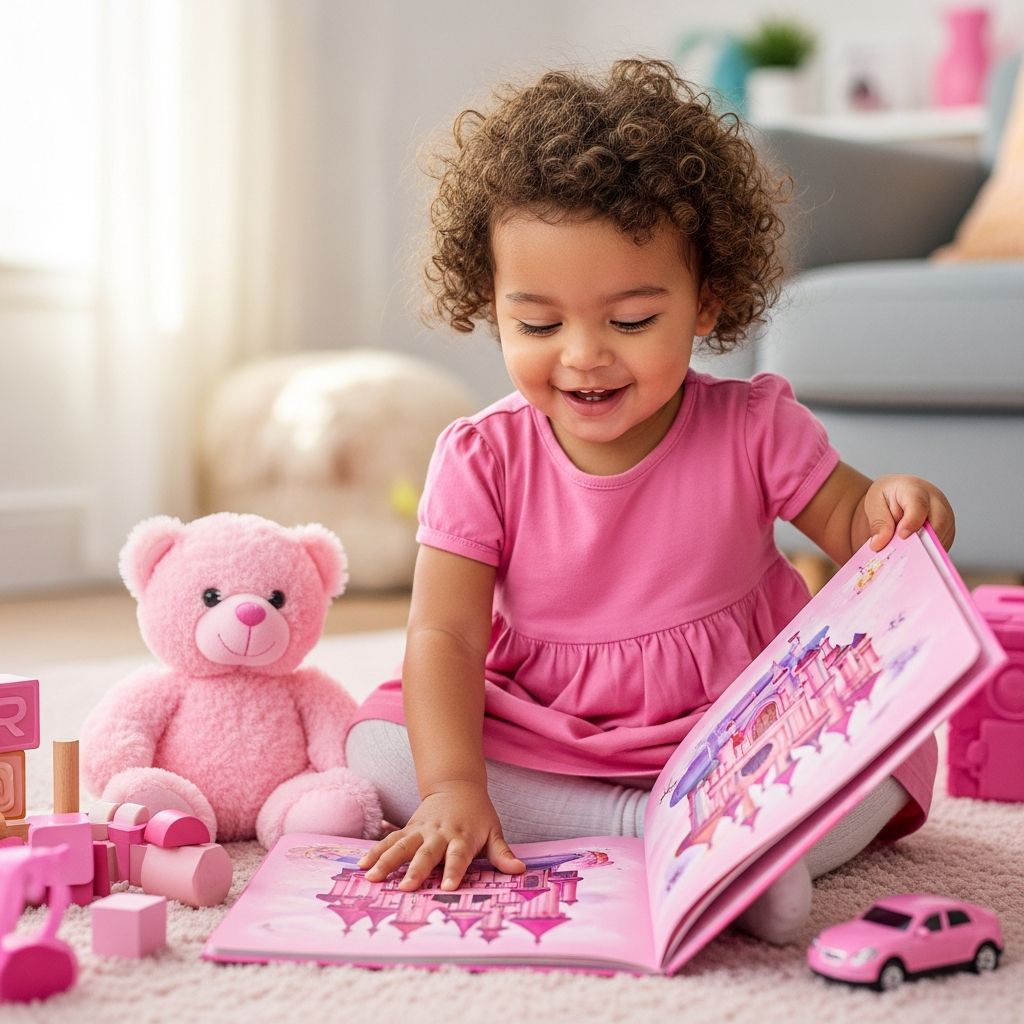
If you live with a toddler, chances are high that some intense preference has taken over your home. For many families, that obsession is pink: pink clothes, pink cups, pink socks, pink everything. What can feel cute at first can quickly turn into a daily power struggle at the door, the dinner table, and the washing machine.
This article explores why toddlers get so fixated on colors like pink, how to respond in ways that support healthy development, and how to preserve your own sense of style and sanity along the way.
Understanding the Toddler Color Obsession
Toddlers are not just being dramatic when they melt down over the wrong-colored shirt. Their brains are in a rapid phase of development, and intense preferences are one way they explore identity and control.
What’s Happening in Their Development
Between ages 2 and 4, children develop a stronger sense of self and begin asserting independence in daily routines like clothing, food, and play. This includes insisting on certain colors, characters, or textures.
- Cognitive growth: Toddlers are learning to categorize the world. Color is a simple, concrete category they can master and use.
- Emotional development: When words and emotional skills are limited, preferences become a powerful way to say “this is me.” Challenging behavior often appears when children cannot yet express big feelings in other ways.
- Need for control: Choosing clothes or dishes is one of the few areas where toddlers can realistically exert control, so they cling to it fiercely.
Why Pink (or Any Color) Feels So Big
Pink may be the star of the show, but the specific color is less important than what it represents. For your child, the color phase can mean:
- A signal of belonging (“pink is for me; it’s my thing”)
- Predictability in a world that often feels confusing or overwhelming
- A reliable way to get your attention quickly—positive or negative
When you understand that the pink phase is really about autonomy and emotion, it becomes easier to respond with calm instead of frustration.
Balancing Their Passion with Your Boundaries
Supporting your toddler’s preferences does not mean saying yes to every pink request. Healthy parenting balances flexibility with reasonable limits, which helps toddlers feel both secure and respected.
Deciding What Really Matters
Choose your non-negotiables before the next clothing battle erupts. A simple way to think about it:
| Area | What You Can Flex On | What Stays Non-Negotiable |
|---|---|---|
| Daily outfits | Color, character prints, mix-and-match choices | Weather-appropriate layers, cleanliness, safety |
| Special occasions | Hair accessory color, socks/tights, small details | Overall level of formality, basic dress code |
| Household items | Cup/bowl color, towel choice, toothbrush color | Hygiene, usage rules (where and when they’re used) |
Using Choices Without Losing the Parent Role
Experts recommend offering toddlers limited, age-appropriate choices to support independence while still maintaining adult authority. Instead of asking open questions like, “What do you want to wear?” try:
- “Do you want the pink shirt with the hearts or the pink shirt with the pockets?”
- “You may pick one pink cup from the cabinet for dinner.”
- “We are wearing pants today because it’s cold. Would you like the pink pair or the gray pair?”
This keeps you in charge of the big picture (weather, safety, timing), while still giving your toddler a meaningful sense of control.
Everyday Strategies for a Pink-Dominated Life
Once the color obsession starts, it can feel like you either fight it constantly or surrender your entire home decor. There is a livable middle ground.
Plan Ahead to Reduce Morning Battles
Mornings are often the hardest time for power struggles. A bit of preparation can make a big difference.
- Build a small “yes” wardrobe: Keep a handful of washable, comfortable pink items that you’re okay with being on heavy rotation.
- Prepare outfits the night before: Offer two acceptable choices at bedtime, when everyone is calmer.
- Use visuals: A simple picture chart of the morning routine (get dressed, breakfast, brush teeth) helps toddlers know what to expect.
Creating Pink Zones That Don’t Take Over the House
Instead of fighting pink in every corner, thoughtfully contain it:
- Designate a pink drawer or bin where your child’s favorite items live.
- Limit how many pink clothing items you own at once (for example, 3 tops, 2 bottoms, 1 dress).
- Allow more freedom of color in their bedroom and play areas while keeping shared spaces closer to your own style.
Clear boundaries like these help your child feel secure and also signal that other family members have preferences too.
Managing Meltdowns Over the “Wrong” Color
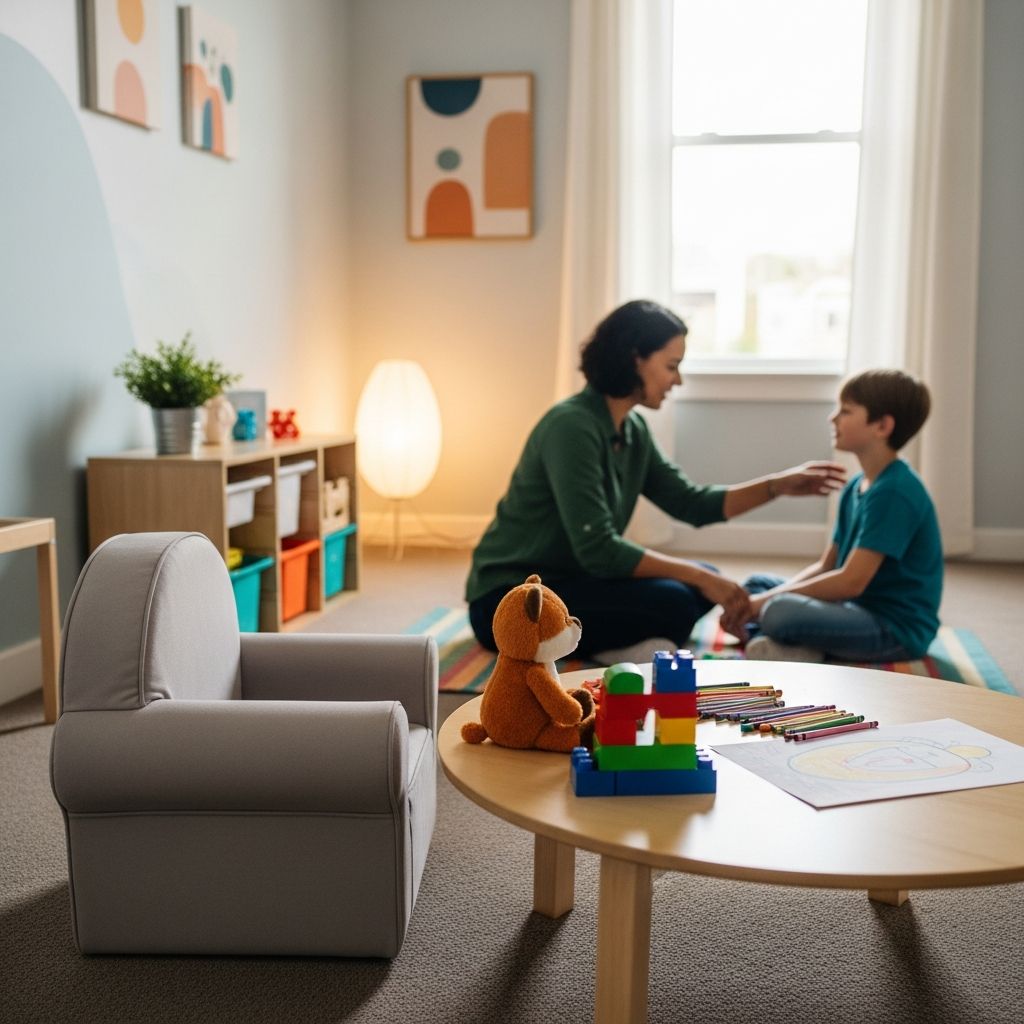
No matter how prepared you are, there will be moments when the only cup left is not pink, or the favorite shirt is in the laundry. How you respond in those moments teaches powerful lessons about emotions.
Step 1: Connect Before You Correct
Challenging behavior in toddlers is often a sign that they can’t yet express strong feelings in acceptable ways. Before diving into logic, try:
- Kneeling to their eye level
- Using a calm, soft voice
- Reflecting their feeling: “You’re really upset because you wanted the pink cup.”
This doesn’t mean giving in; it means showing you understand, which can reduce the intensity of the meltdown.
Step 2: Hold the Limit with Kindness
After you’ve acknowledged their feeling, calmly restate the boundary:
- “The pink cup is in the dishwasher. Today you can drink from the blue or the green cup.”
- “Your pink dress is dirty. We will wash it later. Today we are wearing these clean clothes.”
Staying consistent, even when they are angry, helps toddlers learn that rules are reliable and that they can survive disappointment.
Step 3: Teach Coping Skills Over Time
Once the storm has passed, you can gently introduce simple coping ideas:
- Taking deep “bubble breaths” together
- Counting to 5 or 10
- Choosing a calming object (a favorite stuffed animal or blanket)
- Using words like “sad,” “mad,” or “disappointed” to label feelings
Over repeated experiences, children gradually learn to handle big feelings more constructively.
Respecting Your Own Preferences as a Parent
Toddlers are not the only people with strong opinions. You may love minimal neutrals, bold patterns, or a strict no-frills wardrobe. It’s healthy for your child to see that other people have preferences too.
Modeling Your Style Without Shaming Theirs
You can honor your tastes without mocking or dismissing your child’s obsession. Try language like:
- “You love pink. I really like blue and green.”
- “You picked such a bright outfit today; I’m choosing something simple for me.”
- “We don’t match today, and that’s okay. We both look like ourselves.”
This shows respect for both of you and nudges your child toward recognizing that people are different in healthy ways.
Creating Family Guidelines Around Purchases
It’s easy to feel pressured into buying every pink item in sight. Setting simple family purchasing rules protects your budget and your values:
- Agree on a gift-only rule for larger or more expensive themed items.
- Limit themed or single-color clothing to a portion of the wardrobe (for example, half the tops).
- Rotate items in and out; when your child outgrows one favorite, decide together what will replace it.
Involving your toddler in these small decisions helps them practice waiting, choosing, and accepting limits.
When Stereotypes Sneak In: Talking About Pink Beyond Gender
Pink is often tangled up in cultural ideas about gender. Even if your main concern is just surviving the laundry, this phase can also be an opportunity to talk simply and positively about differences.
Keeping the Conversation Age-Appropriate
Young children don’t need lectures, but they do pick up on what you say and do. You can plant gentle seeds like:
- “Colors are for everyone.”
- “Some people like pink, some don’t. That’s okay.”
- “You can like pink now and like something else later.”
Emphasizing flexibility helps your child understand that preferences can grow and change across time.
Signs the Phase Is Shifting (Even If It Doesn’t Look Like It)
It can feel like the pink phase will last forever, but most intense toddler obsessions soften as language, social skills, and self-control improve.
Subtle Signs of Growth
Watch for small indicators that your child is maturing, even if they’re still wearing head-to-toe pink:
- They accept a non-pink item some of the time without a full meltdown.
- They can talk about liking pink instead of only screaming when it’s missing.
- They notice and comment on colors others are wearing.
- They sometimes choose something new (like purple or blue) when offered alongside pink.
These are signs that your child is learning flexibility and perspective-taking—major developmental wins.
Quick Tips: Pink Phase Survival Checklist
- Remember the obsession is developmentally normal, not a failure on your part.
- Decide ahead of time what’s flexible and what is non-negotiable.
- Offer limited choices rather than open-ended questions.
- Respond to meltdowns with empathy first, firmness second.
- Use routines and visual cues to reduce daily power struggles.
- Protect your own style in some spaces and occasions.
- Talk simply about differences and avoid shaming any preference.
Frequently Asked Questions (FAQs)
Is it normal for my toddler to refuse anything that isn’t pink?
Yes. Strong, sometimes rigid preferences are a common part of toddler development as they discover autonomy and learn to express themselves. As long as you are maintaining basic limits around safety, hygiene, and respect, a color obsession by itself is usually not a concern.
Should I always give in and let my child have the pink item to avoid a meltdown?
No. While occasional flexibility is fine, consistently giving in to avoid crying can make future meltdowns more likely. Experts recommend empathizing with your child’s feelings while calmly holding reasonable limits, even when they are upset.
How do I handle it when the favorite pink shirt is dirty?
Prepare yourself with a simple script: acknowledge the disappointment (“You’re sad it’s dirty”), restate the limit (“We only wear clean clothes”), and present two acceptable alternatives. Staying neutral and predictable helps your child learn to tolerate frustration.
Could this color obsession mean something is wrong developmentally?
On its own, a color phase is usually typical. However, if your child has extremely rigid behaviors in many areas, shows little interest in people, or has significant language delays, it is wise to discuss your concerns with a pediatrician or early childhood specialist.
How long will this pink phase last?
There is no exact timeline, but most toddlers gradually broaden their interests as their language, social skills, and emotional regulation improve. You may notice their preferences shifting or expanding to include other colors or themes over months or a couple of years.
References
- Essentials for Parenting Toddlers and Preschoolers — Centers for Disease Control and Prevention (CDC). 2023-02-14. https://www.cdc.gov/parenting-toddlers/about/index.html
- Toddlers and Challenging Behavior: Why They Do It and How to Respond — Zero to Three. 2016-01-01. https://www.zerotothree.org/resource/toddlers-and-challenging-behavior-why-they-do-it-and-how-to-respond/
- Essentials for Parenting: Promoting Positive Parenting Practices — Centers for Disease Control and Prevention (CDC). 2022-08-10. https://www.cdc.gov/parents/essentials/communication/index.html
- 10 Parenting Tips for Better Behavior (That Actually Work) — Positive Parenting Solutions. 2022-05-01. https://www.positiveparentingsolutions.com/start-10-tips-better-behavior/
- How to Survive Parenting a Two Year Old — The Gottman Institute. 2019-04-02. https://www.gottman.com/blog/how-to-survive-parenting-a-two-year-old/