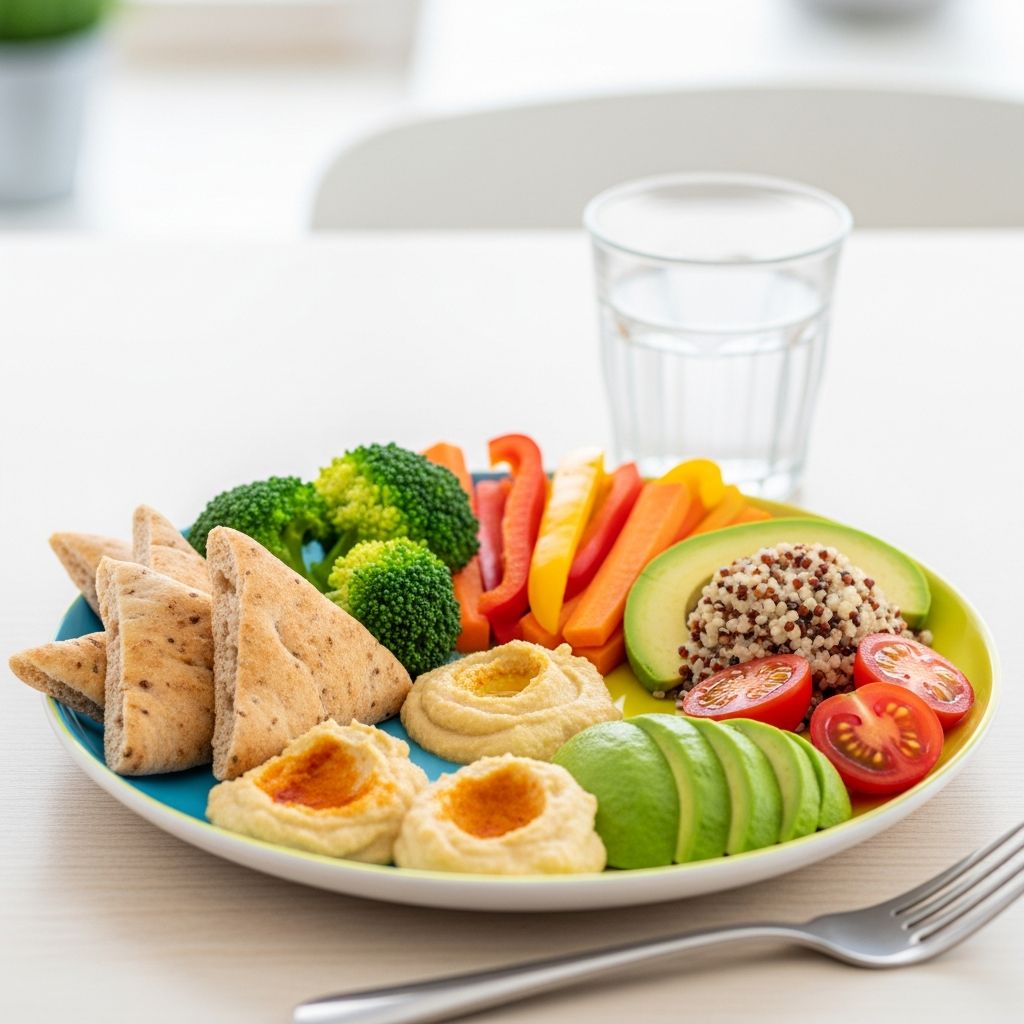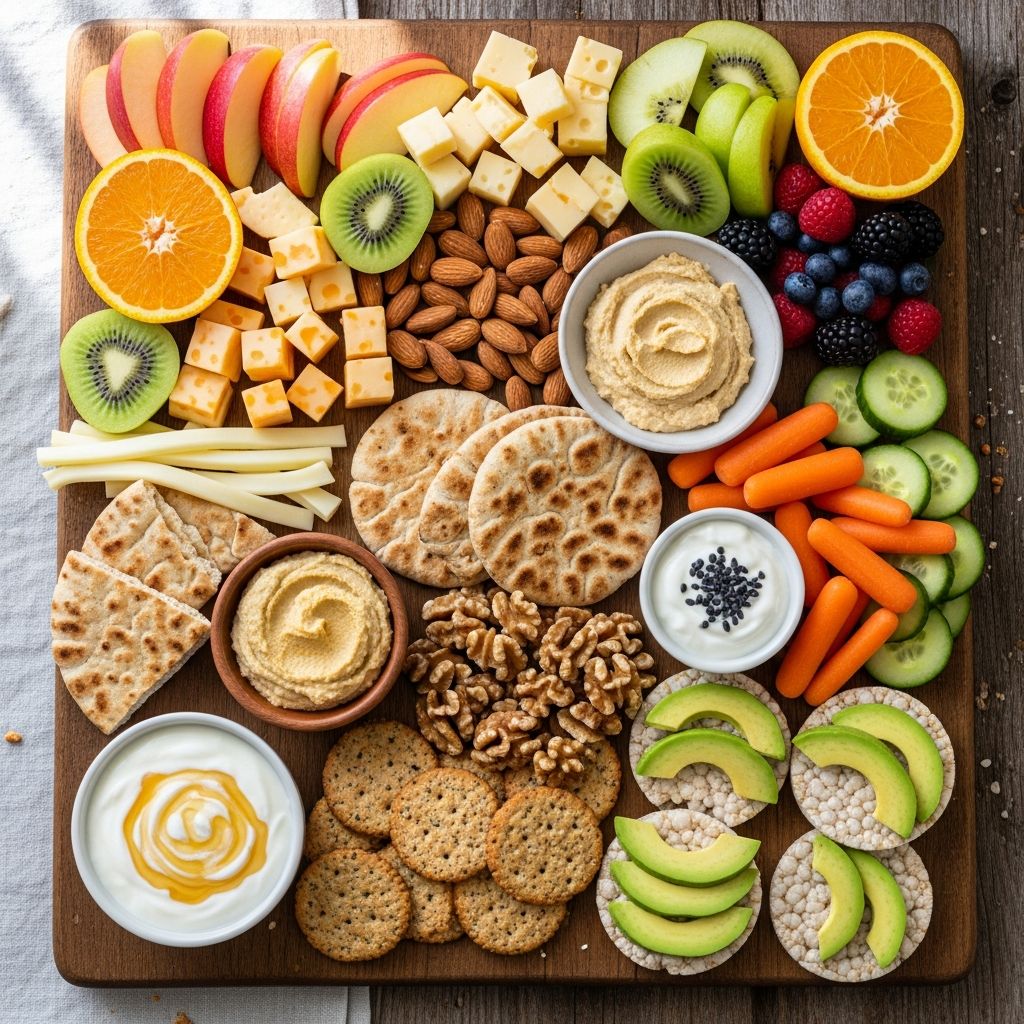
Toddlers often enter phases where they resist foods they once enjoyed, leading to parental concern over nutrition and growth. This common developmental stage stems from growing independence, shifting appetites, and sensory exploration, but targeted approaches can turn mealtimes into positive experiences.
Understanding the Roots of Toddler Picky Eating
Between ages one and three, children’s growth slows after rapid infancy gains, naturally reducing appetite as caloric needs drop. Toddlers self-regulate intake effectively, often eating small amounts at meals supplemented by snacks. This phase, sometimes called a “food strike,” reflects autonomy assertion rather than malnutrition risk in healthy children.
Sensory sensitivities play a key role; new textures, flavors, or smells can overwhelm developing palates. Physical factors like teething, illness, or fatigue exacerbate refusal. Recognizing these as temporary helps parents respond calmly, avoiding battles that intensify resistance.
Building a Supportive Mealtime Routine
Consistency forms the foundation for successful eating habits. Establish fixed times for three meals and two to three snacks daily, spacing them to build hunger without grazing. Limit pre-meal liquids to water, preventing appetite suppression from milk or juice.
- Schedule meals when the family is relaxed and the child is rested.
- Keep sessions to 20-30 minutes to maintain engagement without pressure.
- Clear distractions like screens or toys to focus on food and interaction.
Portion control prevents overwhelm: start with one tablespoon per year of age, allowing seconds if desired. This respects fullness cues while modeling balanced intake.
Empowering Toddlers Through Choices and Involvement
Fostering independence reduces power struggles. Involve toddlers in meal prep by washing produce, stirring mixtures, or setting the table under supervision. Such participation builds familiarity and ownership.
Offer limited binary choices within nutritious plans:
| Choice Type | Examples | Benefits |
|---|---|---|
| Food Items | Apple slices or carrot sticks? | Encourages trying options without overload. |
| Utensils | Fork or spoon? | Promotes self-feeding skills. |
| Plateware | Red plate or blue plate? | Adds fun and control. |
Self-feeding, even messily, aids motor development and sensory acclimation. Provide utensils and finger foods to support this.
Cultivating a Family-Centered Eating Atmosphere
Shared family meals normalize diverse foods and demonstrate enjoyment. Serve the same menu to all, adapting textures if needed, to eliminate “special” kid meals that reinforce pickiness.
Model enthusiasm: visibly savor bites and discuss flavors positively. Avoid negative commentary on uneaten items; instead, note what was enjoyed. Social dynamics encourage mimicry, boosting vegetable and fruit acceptance over time.
Mastering the Art of New Food Introductions
Acceptance requires repetition—up to 10-15 exposures for familiarity. Introduce one novelty daily alongside favorites, using pairings like familiar dips with veggies.
- Pair unknowns with liked items, e.g., yogurt dip for broccoli.
- Present small amounts to minimize intimidation.
- Allow touching, smelling, and tasting without mandates.
Reject hiding nutrients; it erodes trust and skips exposure learning. Visible mixing, like sprinkling herbs on pizza, proves safer.
Addressing Sensory and Texture Challenges
Texture aversions demand gradual progression from smooth purees to soft finger foods like mashed fruits, then crunchier options such as veggie sticks. Calorie-dense smoothies or cereals bridge gaps during transitions.
Monitor for signs of extreme refusal indicating medical issues like oral-motor delays or allergies; consult pediatricians if weight stalls or refusal persists beyond weeks.
Snack Smart to Complement Meals
Nutritious snacks prevent hanger-induced meltdowns. Opt for protein-fruit combos like cheese with berries or yogurt with oats, timed midway between meals.
Avoid sweets as bribes, which prioritize treats over mains. Water-only between snacks maintains hunger for balanced nutrition.
Navigating Common Mealtime Pitfalls
Steer clear of coercion, coaxing, or short-order cooking, as these heighten stress and selectivity. If refusal occurs, end calmly without alternatives until next scheduled time.
- Never force bites; it fosters aversion.
- Skip negotiations; offer and accept outcomes.
- Respond to growth charts over single meals for reassurance.
When to Seek Professional Guidance
Most phases resolve naturally, but watch for faltering growth, dehydration, or sudden changes. Pediatric evaluation rules out reflux, allergies, or developmental concerns. Growth tracks best indicator of adequacy.
Sample Daily Meal Plan for Picky Toddlers
| Time | Suggested Foods | Nutritional Focus |
|---|---|---|
| 7 AM Breakfast | Oatmeal with banana slices, milk | Whole grains, fruit, dairy |
| 10 AM Snack | Yogurt with soft berries | Protein, antioxidants |
| 12 PM Lunch | Cheese quesadilla, cucumber sticks | Dairy, veggies, grains |
| 3 PM Snack | Apple slices with peanut butter | Fruit, healthy fats |
| 6 PM Dinner | Grilled chicken, mashed sweet potato, peas | Protein, veggies, starch |
Adapt based on preferences, ensuring variety across food groups.
Frequently Asked Questions
What if my toddler skips an entire meal?
Offer water and proceed to the next scheduled snack or meal. Hunger self-regulates; forcing undermines trust.
How many times should I offer a rejected food?
Persist 10-15 times across weeks, served neutrally with favorites.
Is it okay to let my toddler play with food?
Yes, briefly; it builds positive associations and skills, but set gentle boundaries.
Should I worry about growth during picky phases?
Monitor percentiles with your doctor; steady curves indicate adequacy despite uneven intake.
Can snacks replace meals?
No; structure supports routine and variety, with snacks bridging gaps.
References
- Toddler Won’t Eat: What to Do and When to Worry — Healthline. 2023-05-15. https://www.healthline.com/health/childrens-health/toddler-wont-eat-2
- Toddler not eating? Ideas and tips — Raising Children Network. 2024-02-10. https://raisingchildren.net.au/toddlers/nutrition-fitness/common-concerns/toddler-not-eating
- Tips for Preventing Food Hassles — HealthyChildren.org (American Academy of Pediatrics). 2023-11-01. https://www.healthychildren.org/English/healthy-living/nutrition/Pages/Tips-for-Preventing-Food-Hassles.aspx
- Toddlers at the Table: Avoiding Power Struggles — KidsHealth (Nemours). 2024-01-20. https://kidshealth.org/en/parents/toddler-meals.html
- Understanding and managing extreme food refusal in toddlers — Infant & Toddler Forum. 2022-06-01. https://infantandtoddlerforum.org/media/upload/pdf-downloads/2.3_Understanding_and_Managing_Extreme_Food_Refusal_in_Toddlers.pdf