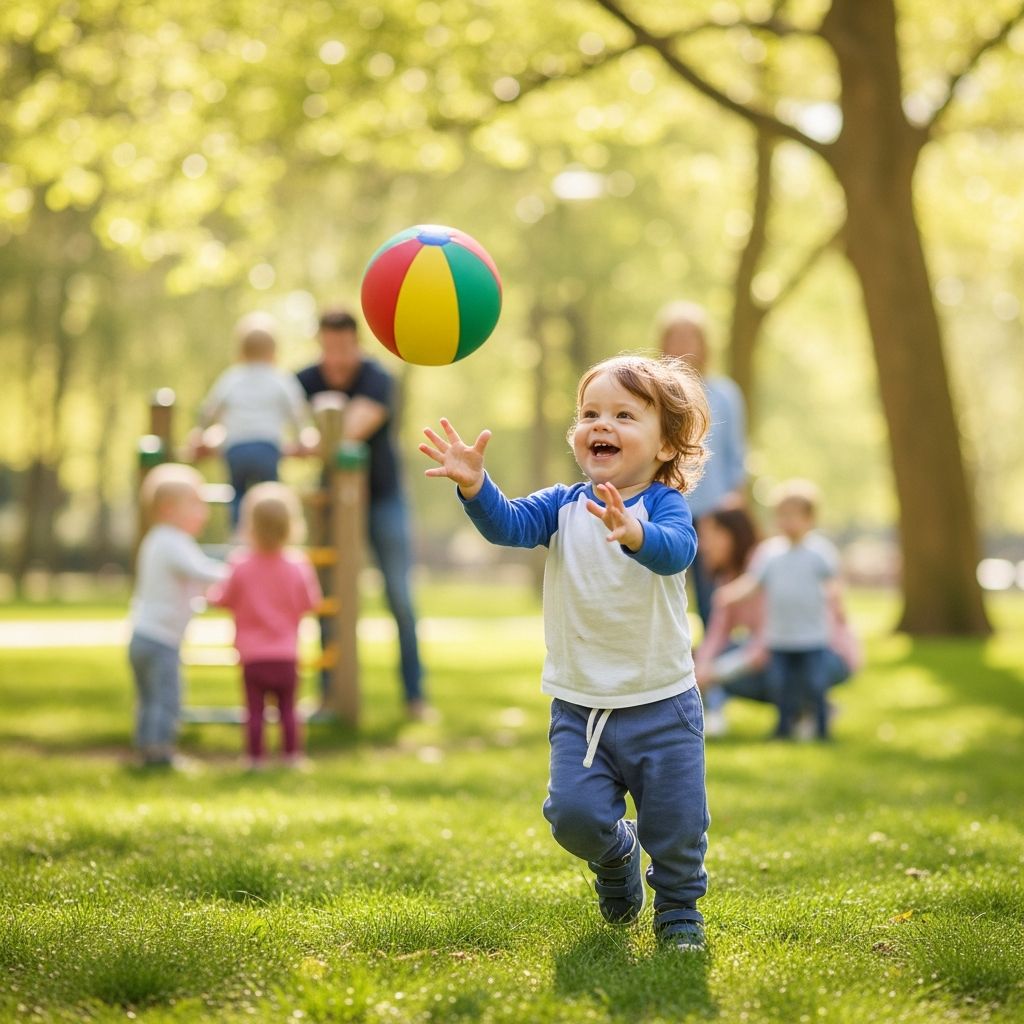
Toddlers between 1 and 3 years old are bundles of energy, constantly exploring their world through motion. Physical activities tailored to their stage support critical milestones like walking steadily, climbing safely, and coordinating movements. These playful exercises not only strengthen muscles and bones but also foster balance, hand-eye coordination, and cognitive growth. Health experts emphasize at least 3 hours of daily activity spread across light and energetic play to optimize development.
Why Daily Movement Matters for Young Children
Regular physical play is foundational for toddlers’ holistic health. It builds **gross motor skills**—using large muscles for running, jumping, and throwing—and **fine motor skills** for precise actions like grasping or stacking. Active toddlers gain confidence as they master new abilities, reducing injury risk through practiced balance and strength. Australian guidelines highlight that varied play strengthens muscles, boosts wellbeing, and supports learning. The NHS recommends 180 minutes daily for ages 1-2, including outdoor exploration to enhance sensory-motor links.
Benefits extend beyond the body: movement aids emotional regulation, social skills via group play, and even sleep quality. Insufficient activity can hinder milestones, so integrating fun routines is key for parents and caregivers.
Indoor Adventures to Spark Energy
When weather confines play indoors, creative setups keep toddlers moving. These activities use household items for safe, engaging workouts.
- Dance Freeze Party: Play upbeat tunes and dance wildly together. Pause the music for a ‘freeze’ pose—hold your toddler or encourage silly stances. This develops rhythm, listening skills, and body control.
- Pillow Pathway Challenge: Scatter cushions and blankets for a mini obstacle course. Guide your child to crawl under, step over, or balance across. It hones problem-solving and gross motor prowess.
- Mirror Mimic Game: Face your toddler and copy each other’s actions like clapping, waving, or hopping. Imitation accelerates movement learning and builds connection.
- Ball Roll Relay: Sit opposite and roll soft balls back and forth. Progress to gentle tosses for hand-eye coordination and arm strength.
These games require minimal space, making them ideal for apartments. Rotate activities to prevent boredom and target different skills.
Outdoor Exploration for Robust Development
Fresh air amplifies activity benefits. Parks, backyards, or beaches offer natural terrains for skill-building.
- Nature Scavenger Hunt: Hunt for leaves, rocks, or sticks while walking, squatting, and reaching. This encourages varied movements and curiosity.
- Park Playground Circuit: Supervise swings, slides, and climbers. Toddlers practice pulling up, balancing, and descending safely.
- Wheelie Wonders: Introduce push toys, scooters, or balance bikes from age 2. Uneven ground sharpens stability and leg power.
- Chasing Games: Play tag or hide-and-seek with simple rules. Running, stopping, and pivoting boost speed and agility.
Aim for 20+ minutes outdoors daily across settings for diverse sensory input. Safety first: choose age-appropriate equipment and stay close.
Skill-Specific Play Strategies
Target precise abilities with focused games. Here’s a table of activities by motor skill focus:
| Skill Focus | Activity | Benefits | Age Suitability |
|---|---|---|---|
| Balance | Sofa Toy Grab: Line toys on cushion-free sofa; child stands to reach | Core stability, one-leg stance | 12-24 months |
| Flexibility | Gentle Stretches: Reach for toes, arm circles while singing | Limber muscles for sports prep | 18+ months |
| Coordination | Block Towers: Stack and knock down varying sizes | Hand precision, spatial awareness | 1-3 years |
| Strength | Climbing Stool Steps: Use stable furniture to ascend/descend | Upper body, leg power | 2+ years |
Combine for comprehensive routines, adjusting for your child’s pace.
Creative and Sensory Movement Ideas
Blend senses for deeper engagement. Messy play like water painting on fences builds fine control while moving. Squishy sponge tosses or playdough pounding strengthen grips amid fun. Music with props—ribbons for twirling or shakers—encourages expressive motion.
For groups, try Red Light/Green Light: Call colors to start/stop running, teaching inhibition and listening. Animal walks—bear crawls or frog hops—make exercise playful.
Safety Essentials in Active Play
Supervise constantly to prevent falls. Clear spaces of hazards, use soft surfaces under climbers, and opt for non-toxic materials. Dress for weather, hydrate, and limit screen time. AAP stresses daily run-climb-jump time in safe environments. Watch for fatigue cues and balance with rest.
Age-Adapted Milestones and Tips
- 12-18 Months: Focus on standing, cruising furniture, first steps. Use supportive toys.
- 18-24 Months: Emphasize walking, ball play, simple climbs. Encourage independence.
- 24-36 Months: Advance to running, jumping, tricycles. Add team elements.
Track progress; consult pediatricians if delays appear.
Frequently Asked Questions
How much activity do toddlers need daily?
Toddlers aged 1-2 require at least 180 minutes of varied activity; more is better.
Can indoor play match outdoor benefits?
Yes, obstacle courses and dances provide similar gains if dynamic.
What if my toddler resists movement?
Start small, join in, and use favorites like music to entice gradually.
Are ride-on toys safe early?
From 12 months with supervision; progress to bikes at 2-3 years.
How does play aid cognitive growth?
It enhances problem-solving, focus, and social bonds through action.
References
- Physical development activities for toddlers — Doona. Accessed 2026. https://www.doona.com/en-us/parenting-tips/physical-development-activities-for-toddlers
- 4 Activities for Toddler Physical Development — Enfamil (medically reviewed). Accessed 2026. https://www.enfamil.com/articles/toddler-physical-development-activities/
- Physical activity guidelines for children (under 5 years) — NHS.uk. 2023-02-09. https://www.nhs.uk/live-well/exercise/physical-activity-guidelines-children-under-five-years/
- Play ideas for toddler movement and physical activity — Raising Children Network (Australian Govt-funded). Accessed 2026. https://raisingchildren.net.au/toddlers/play-learning/play-toddler-development/movement-play-toddlers
- 14 Indoor and Outdoor Physical Activities for Toddlers — Help Me Grow MN. Accessed 2026. https://helpmegrowmn.org/HMG/HelpfulRes/Articles/toddler/index.htm