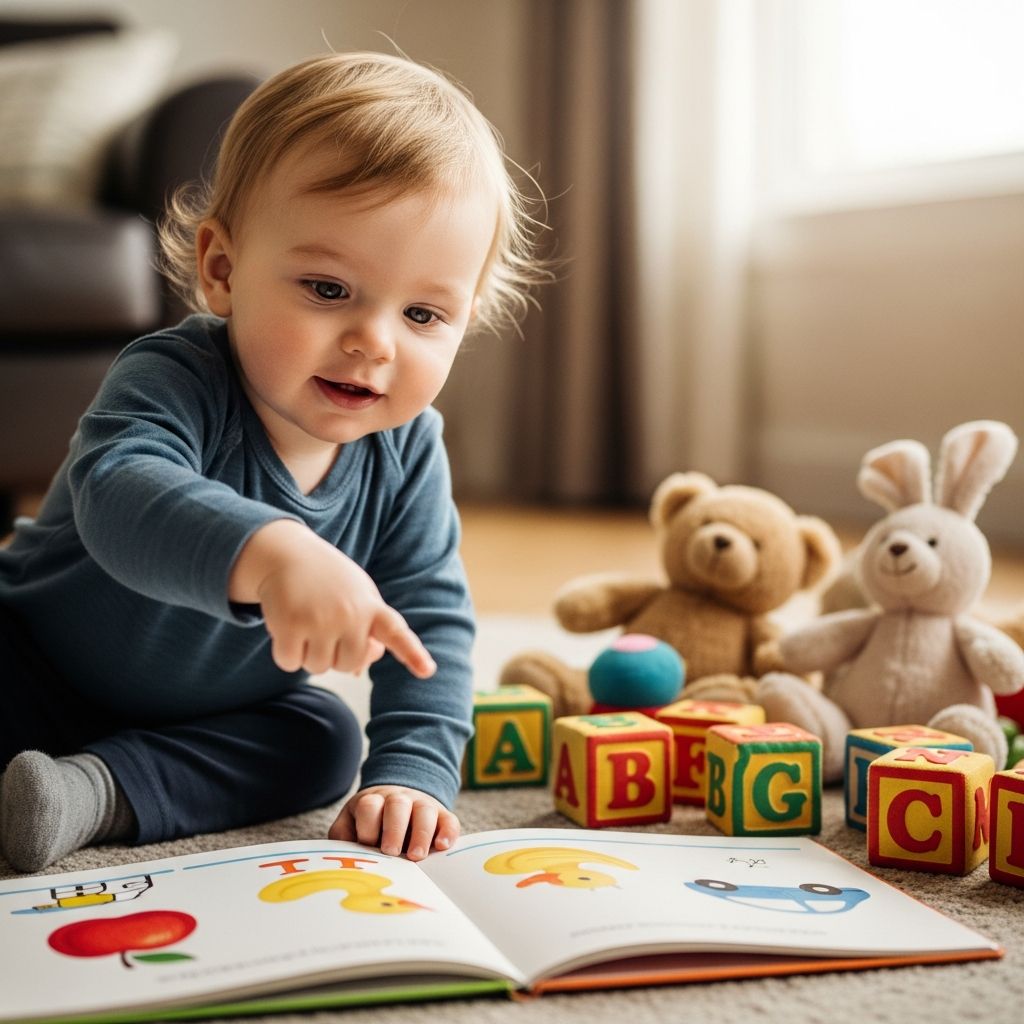
Between 14 and 24 months, toddlers embark on a fascinating journey of cognitive and language development, particularly in recognizing and naming familiar elements of their world. This period marks a surge in vocabulary acquisition, where children transition from babbling to purposeful pointing, labeling, and simple sentences, laying the foundation for advanced communication skills.
Core Milestones in Recognition and Naming
During these pivotal months, toddlers demonstrate remarkable progress in identifying and verbalizing key aspects of their environment. By 18 months, many can point to and name basic body parts like nose or eyes when prompted, while by 24 months, their repertoire often expands to six or more. They also begin naming everyday objects in books or around the home, such as ball or cup, and recognize familiar faces like mommy or daddy.
This skill set ties directly into broader cognitive growth. Toddlers sort shapes and colors, follow simple instructions like ‘give me the block,’ and mimic animal sounds, all of which reinforce their naming abilities. Vocabulary explodes from a handful of words at 14 months to 50 or more by two years, often forming two-word phrases like ‘more milk.’
Breakdown by Age Range
| Age | Key Naming & Recognition Skills | Examples |
|---|---|---|
| 14-18 Months | Points to named body parts; names 1-2 familiar objects; follows one-step directions | Points to ‘nose’; says ‘ball’ when seeing toy; looks for hidden item |
| 18-24 Months | Names 6+ body parts; uses 50+ words; two-word sentences; identifies book pictures | Says ‘eyes, mouth’; ‘big dog’; sorts colors; completes rhymes |
Physical and Cognitive Foundations Supporting Naming
Naming skills do not develop in isolation; they intertwine with physical milestones that enable exploration. Toddlers learn to walk independently, climb stairs one at a time, and manipulate objects like stacking blocks or scribbling, which expose them to new items to name. Fine motor advances, such as pinching small objects or pouring from containers, heighten their interaction with labeled surroundings.
Cognitively, cause-and-effect understanding emerges, prompting questions like ‘why’ or demands for ‘more.’ They imitate speech, enjoy repetition, and grasp object permanence, finding hidden toys and naming them upon discovery. These foundations make naming a natural extension of play and discovery.
Practical Activities to Boost Naming Abilities
Parents play a crucial role in nurturing these skills through everyday interactions. Engage in reading sessions where you point to and name pictures, encouraging your toddler to mimic. Sing songs with body part references or animal noises to make learning rhythmic and fun.
- Daily Labeling Routines: During meals or baths, name foods, utensils, or body parts repeatedly, praising attempts.
- Interactive Play: Use puzzles, blocks, and books to name shapes, colors, and characters while building hand-eye coordination.
- Exploration Games: Hide toys and ask ‘Where’s the ball?’ to practice searching and naming.
- Mirror Time: Point to facial features in a mirror, saying ‘eyes’ or ‘mouth,’ to link words with self-recognition.
- Outdoor Adventures: Name park elements like trees, birds, or swings during walks to expand vocabulary contextually.
Provide safe spaces for trial-and-error exploration, using nesting toys or balls for throwing and retrieving, which pairs physical action with verbal reinforcement.
Daily Routines That Foster Language Growth
Incorporate naming into routines for consistent reinforcement. At mealtime, describe ‘apple’ or ‘spoon,’ turning feeding into a vocabulary lesson. Bedtime stories with pointing to named elements build memory and comprehension. Limit screen time, prioritizing human interaction like talking, singing, and responsive play to maximize brain development.
Maintain flexible routines with nutritious meals and check-ups to support overall health, as physical well-being underpins cognitive gains. Respond to one-word utterances with expansions, e.g., child says ‘dog,’ reply ‘Yes, big brown dog!’ to model longer phrases.
Recognizing Progress and Typical Variations
Track milestones without rigid expectations, as children vary. By 24 months, expect 200-300 words, two-to-three-word sentences, and self-referential pronouns like ‘me.’ Celebrate small wins, like first body part identification, to build confidence.
Variations are normal; some walk and talk earlier, others later. Focus on encouragement over comparison.
Warning Signs and When to Seek Guidance
Monitor for delays. Contact a professional if by 18 months, your toddler shows no pointing to body parts, fewer than 8-20 words, or ignores named objects. By 24 months, absence of two-word combos or lack of 50 words warrants evaluation.
Other red flags: no response to name, limited eye contact, or disinterest in play imitation. Early intervention can address issues effectively.
Frequently Asked Questions (FAQs)
What if my 18-month-old doesn’t name body parts yet?
It’s common; continue daily naming games. If no progress by 24 months or other delays appear, consult a pediatrician.
How can I encourage more words daily?
Talk constantly, read aloud, and expand on their words. Avoid screens; opt for interactive play.
Is it normal for toddlers to say ‘no’ a lot?
Yes, it signals growing independence around 18-24 months, alongside naming skills.
Should I worry if they prefer gestures over words?
Gestures precede speech; if persistent beyond 24 months without words, seek advice.
What toys best support naming development?
Picture books, shape sorters, blocks, and balls for naming during manipulative play.
Long-Term Benefits of Early Naming Mastery
Strong naming at this stage predicts advanced literacy, social skills, and problem-solving. Toddlers who name fluently engage more in peer play, follow complex directions, and express needs clearly, reducing frustration. Investing now yields confident communicators later.
Parental involvement is key: responsive, language-rich environments accelerate this without pressure. By embracing curiosity, you empower your toddler’s lifelong learning path.
References
- Development milestones – your child 18 to 24 months — Pregnancy Birth & Baby. 2023. https://www.pregnancybirthbaby.org.au/development-milestones-18-to-24-months
- Learning and Development: Toddlers 12 to 24 Months — BBB Georgia. 2024. https://www.bbbgeorgia.org/learning-and-development-children-12-to-24-months
- Ages and Stages: Toddler (12-24 Months) — University of Nebraska-Lincoln Extension. 2022. https://extensionpubs.unl.edu/publication/1362/html/view
- Developmental Milestones – 13 through 18 Months — Nebraska Department of Education. 2023. https://edn.ne.gov/cms/developmental-milestones-13-through-18-months
- Toddler development at 12-15 months — Raising Children Network. 2024. https://raisingchildren.net.au/toddlers/development/development-tracker-1-3-years/12-15-months
- Developing Thinking Skills from 12-24 Months — ZERO TO THREE. 2023. https://www.zerotothree.org/resource/developing-thinking-skills-from-12-24-months/