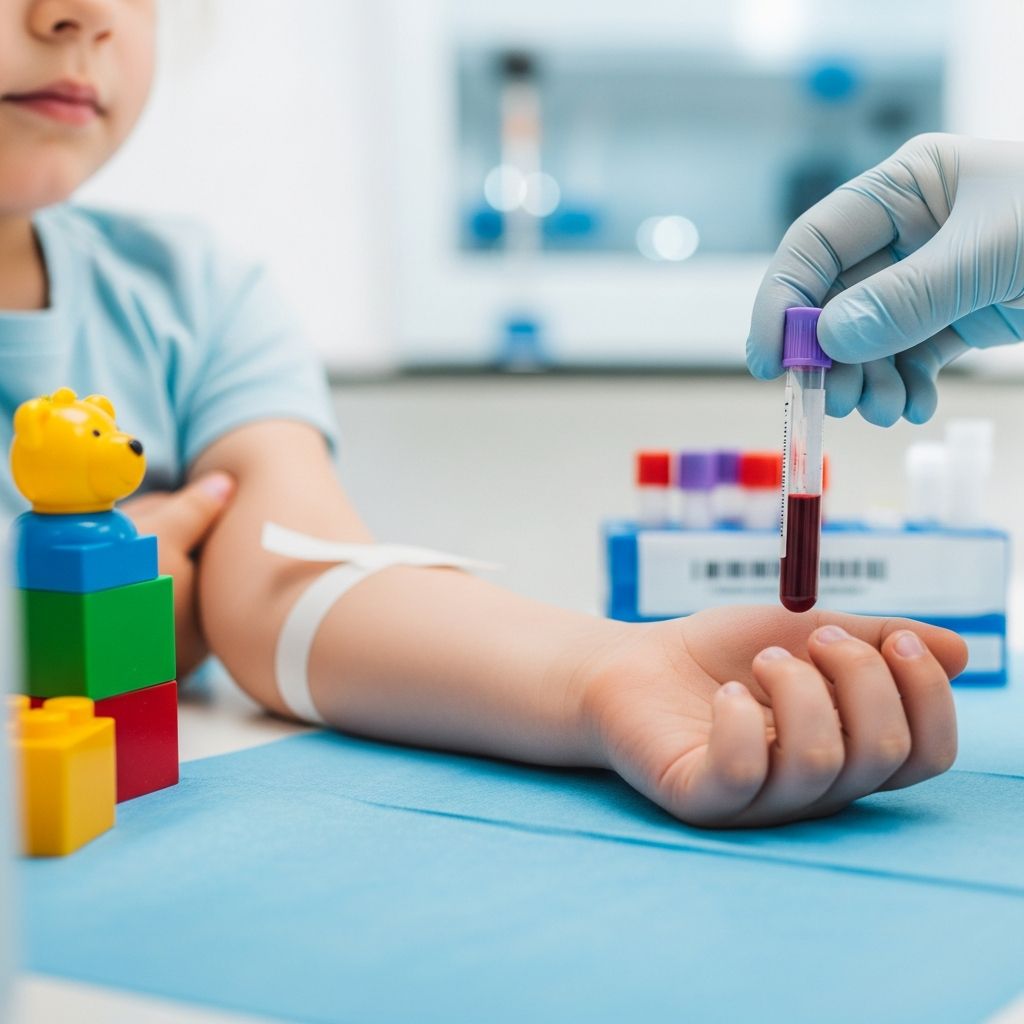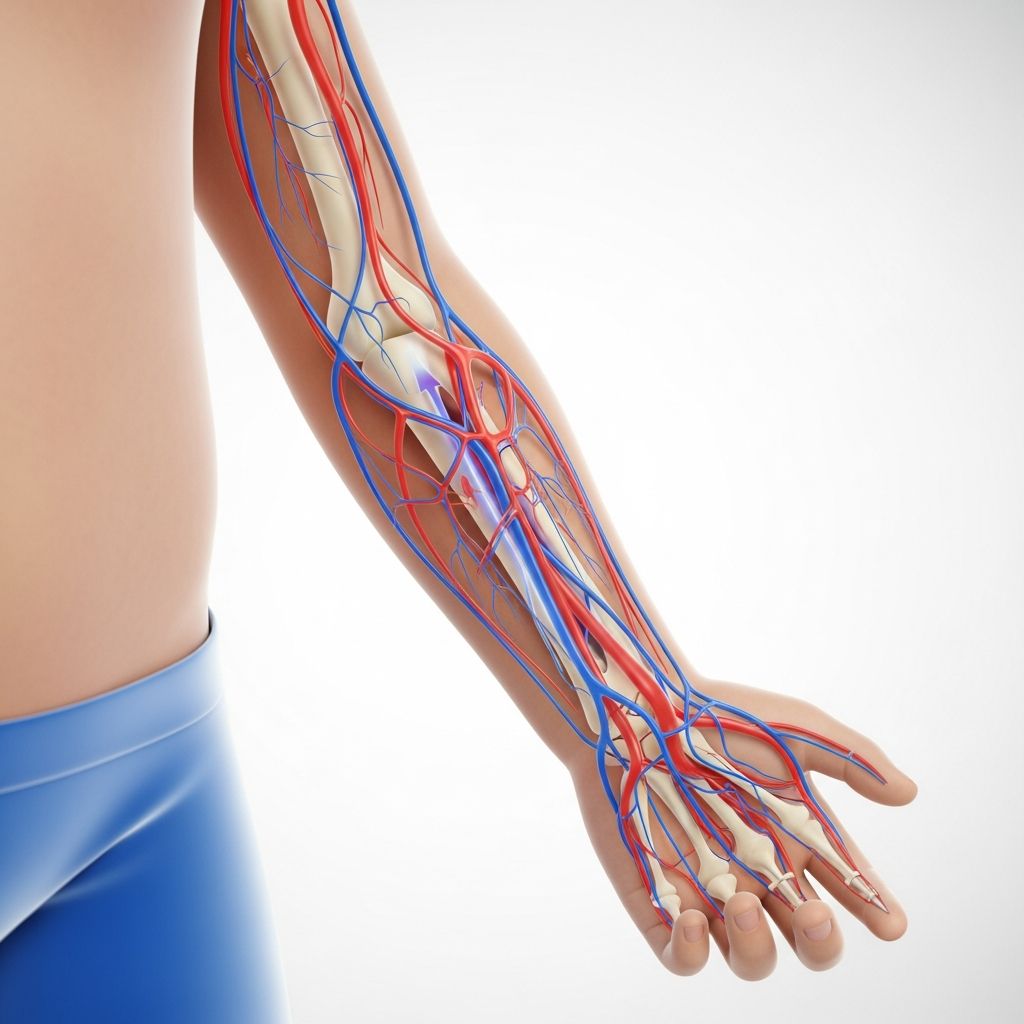
Veins are an essential part of your child’s circulatory system. They quietly move blood back to the heart all day and night, helping deliver oxygen and nutrients to every cell and remove waste products from the body. Knowing how veins work and what can go wrong can help you recognize early signs of trouble and support lifelong vascular health for your child.
What Veins Do in the Circulatory System
The circulatory system is made up of the heart and three main types of blood vessels: arteries, capillaries, and veins. Each has a specific job, and they work together in a constant loop.
- Arteries: carry oxygen-rich blood away from the heart to the body.
- Capillaries: tiny vessels where oxygen and nutrients leave the blood and enter tissues, and waste products move back into the blood.
- Veins: carry oxygen-poor blood back to the heart so it can be sent to the lungs for fresh oxygen.
Compared with arteries, veins have thinner walls and a wider inner space, which lets them hold more blood at a lower pressure. In fact, veins store most of the blood in the circulatory system at any given time.
How Blood Travels Back to the Heart
Returning blood to the heart—especially from the legs and feet—requires several clever design features, because veins do this job under low pressure and often against gravity.
The Role of Venous Valves
Many medium and large veins, particularly in the arms and legs, contain one-way valves.
These valves:
- Are made of two small flaps (leaflets) that open and close like swinging doors.
- Open when blood flows toward the heart.
- Snap shut if blood starts to fall backward under the pull of gravity.
By dividing the blood column in a vein into small segments, valves make it easier to move blood steadily upward. They also help prevent veins from becoming overstretched by excessive pressure.
Muscle Pumps: Why Movement Matters
Veins in the legs do not have strong muscles in their walls like arteries do. Instead, they rely on nearby skeletal muscles to squeeze them and push blood along.
- When a child walks, runs, or jumps, the leg muscles tighten (contract) and compress the deep veins.
- This squeeze forces blood upward toward the heart, much like pushing on a tube of toothpaste.
- As soon as the muscles relax, the one-way valves close so blood does not fall back down the leg.
The powerful calf muscles in the lower leg are especially important and are sometimes called a “peripheral heart” because they are so effective at moving blood back to the chest.
Types of Veins in the Legs
Veins in the legs are organized into three main groups that work together.
| Type of vein | Where it is found | Main job |
|---|---|---|
| Deep veins | Deep inside the leg, next to arteries | Carry about 90% of the blood from the legs back to the heart; rely heavily on muscle pumps and valves. |
| Superficial veins | Close to the surface of the skin | Drain blood from the skin and tissues just under it; more likely to become visibly enlarged (varicose veins). |
| Perforator veins | Connecting channels between superficial and deep veins | Direct blood from superficial veins into deep veins, helping control pressure and flow. |
Why Veins Look Blue and Feel Different from Arteries
Parents often notice blue lines under their child’s skin and wonder what they mean. These visible vessels are usually superficial veins.
- Veins can look blue or purple through light skin because of how skin and tissue absorb and scatter different wavelengths of light, not because the blood itself is blue.
- Veins feel softer and more compressible than arteries, which have thicker, more muscular walls to handle higher pressure from the heartbeat.
- A gentle pulse is typically easier to feel in arteries than in veins, because arteries are directly driven by the heart’s pumping action.
Common Vein-Related Issues in Children
Serious vein disease is far less common in children than in adults, but some vein-related conditions can appear in childhood or adolescence. Awareness helps you know when to seek care.
Spider Veins and Early Varicose Veins
Spider veins are tiny, threadlike blood vessels close to the skin that can appear red, blue, or purple. Varicose veins are larger, twisted, or bulging surface veins that are more familiar in adults.
- In kids, small visible veins are often benign and may simply reflect normal anatomy, thin skin, or growth.
- True varicose veins in children are less common but can be related to weak or malfunctioning valves in superficial or perforator veins, allowing blood to pool.
- Symptoms that may accompany vein enlargement include aching, a feeling of heaviness, or mild swelling in the legs, especially after prolonged standing.
Venous Insufficiency
Chronic venous insufficiency means the veins are not effectively returning blood to the heart, usually because valves are damaged or not working properly.
In adults this is a common cause of varicose veins, leg swelling, and skin changes. In children it is less frequent but may appear when there are:
- Inherited weaknesses in vein walls or valves
- Certain congenital (present at birth) vascular malformations
- Previous blood clots that have injured vein valves (rare in healthy children but possible in some medical conditions)
Signs that can suggest venous insufficiency include:
- Persistent or uneven swelling of one or both legs
- Visible varicose veins that seem to grow over time
- Leg discomfort that improves with walking or leg elevation
- Skin darkening, thickening, or rash around the ankles in more advanced cases (uncommon in kids)
Blood Clots (Deep Vein Thrombosis)
Deep vein thrombosis (DVT) occurs when a blood clot forms in a deep vein, usually in the leg. It is an important cause of leg pain and swelling in adults and can lead to serious complications if not treated promptly.
In children, DVT is rare but may occur in those who:
- Have a central venous catheter or line
- Have certain clotting disorders or chronic illnesses
- Are immobile for long periods (for example, after major surgery)
DVT requires urgent medical evaluation. Warning signs can include sudden swelling of one leg, warmth, redness, and pain or tenderness in the calf or thigh.
How Doctors Evaluate Vein Health
If a pediatrician is concerned about your child’s veins, they may refer you to a vascular specialist or pediatric cardiologist. Diagnosis is based on symptoms, physical examination, and sometimes imaging studies.
History and Physical Exam
The clinician will typically ask about:
- How long the visible veins or leg symptoms have been present
- Whether there is pain, heaviness, itching, or swelling
- Any family history of varicose veins, blood clots, or vascular problems
- Recent surgeries, injuries, or long periods of bed rest
The exam may include:
- Inspection of the legs while your child is standing and lying down
- Gently pressing on the skin to check for persistent swelling
- Comparing the size and temperature of both legs
Ultrasound and Other Tests
The main imaging test for evaluating veins is a duplex ultrasound, which combines standard ultrasound images with Doppler sound to show blood flow.
- It is painless and uses sound waves, not radiation.
- It can show if valves are working properly, if blood is flowing in the right direction, and whether there are blockages such as blood clots.
More advanced imaging (such as CT or MR venography) is reserved for complex or rare vein problems and is less commonly needed in children.
Helping Your Child Protect Their Veins
Most children with healthy hearts and blood vessels do not need special treatment for their veins. However, certain habits can support strong circulation throughout life.
Encouraging Regular Movement
Because skeletal muscle activity is crucial for pushing blood through the veins, daily physical activity is one of the best ways to support venous return.
- Encourage walking, biking, swimming, and active play.
- Limit long periods of sitting—suggest standing and stretching breaks during homework or screen time.
- On long car rides or flights, help your child move their feet and legs every hour.
Healthy Weight and Balanced Nutrition
Maintaining a healthy body weight reduces unnecessary pressure on leg veins and can lower the risk of developing venous problems later in life.
- Offer a variety of fruits, vegetables, whole grains, and lean proteins.
- Encourage water instead of sugary drinks.
- Promote regular meals and snacks to support steady energy for active play.
Comfortable Clothing and Footwear
Very tight clothing around the waist or thighs can slightly impede venous return, especially when a child is sitting for long stretches.
- Choose comfortable, non-restrictive clothing for school, travel, and sleep.
- Ensure shoes fit well and support normal walking and running patterns.
When Compression Garments Are Used
In children with specific venous conditions, a specialist may recommend compression stockings or sleeves to gently squeeze the legs and help support blood flow. These are usually reserved for kids with clear medical indications and should be used under professional guidance.
Warning Signs: When to Call the Doctor
Many visible veins in children are harmless. However, contact your child’s healthcare provider if you notice any of the following:
- One leg is consistently more swollen than the other.
- New or worsening pain, heaviness, or cramping in the legs, especially after activity.
- Sudden swelling, warmth, and redness in one leg (could signal a blood clot and needs urgent care).
- Rapidly enlarging, bulging, or twisted surface veins.
- Skin color changes, thickening, or sores near the ankles.
- Any vein that becomes hard, very tender, or is associated with fever.
Helping Kids Understand Their Own Veins
Children are naturally curious about their bodies. Turning questions about “blue lines” or “bumpy veins” into a mini science lesson can reduce worry and build body awareness.
- Explain that arteries are like highways taking fresh, oxygen-rich blood from the heart to the body.
- Describe veins as the “return roads” that bring used blood back to the heart and lungs to be cleaned and refilled with oxygen.
- Let them know that moving their muscles—through walking, jumping, and sports—helps their veins do their job.
Reassure your child that most visible veins are a normal part of growing up and that doctors can help if anything unusual appears.
Frequently Asked Questions (FAQs)
Why do my child’s veins sometimes stick out more after sports or a hot bath?
During exercise or in warm conditions, blood vessels near the skin can widen to help release heat. This can make superficial veins appear more prominent for a short time, which is usually normal.
Can kids get varicose veins?
True varicose veins are much more common in adults, but they can occasionally occur in children, especially if there is a family history of vein problems, congenital vascular issues, or previous vein injury. Any bulging, twisted veins in a child’s legs should be evaluated by a healthcare provider.
Are visible blue veins on my child’s chest or hands a sign of illness?
In many children, especially those with fair or thin skin, small veins on the hands, chest, or feet can be seen easily and are typically harmless. Concerning signs would include swelling, pain, changes in skin color, or breathing problems, which warrant prompt medical attention.
Do kids ever need surgery or procedures for vein problems?
Most children with normal growth and no underlying conditions do not need vein procedures. In rare cases of significant venous malformations, severe varicose veins, or complications like clots, specialists may recommend interventions such as minimally invasive procedures or surgery, tailored to the child’s age and overall health.
What is the simplest thing I can do to support my child’s vein health?
Encouraging daily physical activity is one of the most effective ways to support healthy veins. Regular movement keeps muscles strong, promotes good blood flow, and helps maintain a healthy body weight, all of which are beneficial for the venous system.
References
- Overview of the Venous System — Merck Manual Consumer Version. 2024-01-01. https://www.merckmanuals.com/home/heart-and-blood-vessel-disorders/venous-disorders/overview-of-the-venous-system
- Vein — MedlinePlus Medical Encyclopedia (U.S. National Library of Medicine). 2023-06-05. https://medlineplus.gov/ency/article/002238.htm
- The Way Veins Work — UAB Medicine Vein Clinic. 2022-10-10. https://www.uabmedicine.org/vein-clinic/the-way-veins-work/
- How Do Veins Work & What Do They Do? — The Whiteley Clinic. 2022-09-15. https://thewhiteleyclinic.co.uk/varicose-veins-treatment/how-veins-work/
- Florida Vein Specialists Discuss How Veins and Arteries Work Together to Maintain Healthy Blood Flow — South Palm Cardiovascular Associates. 2021-11-01. https://www.southpalmcardiovascular.com/blog/florida-vein-specialists-discuss-how-veins-and-arteries-work-together-to-maintain-healthy-blood-flow
- The Anatomy of Veins: How Healthy Circulation Works (and What Happens When It Doesn’t) — Vein Institute of Pittsburgh. 2023-05-01. https://www.veininstituteofpittsburgh.com/the-anatomy-of-veins-how-healthy-circulation-works-and-what-happens-when-it-doesnt/
- Understanding Venous Valves & Blood Flow — Minneapolis Vein Center. 2022-03-20. https://www.mplsvein.com/blog/bringing-verve-and-vitality-to-your-blood-facts-about-venous-valves/