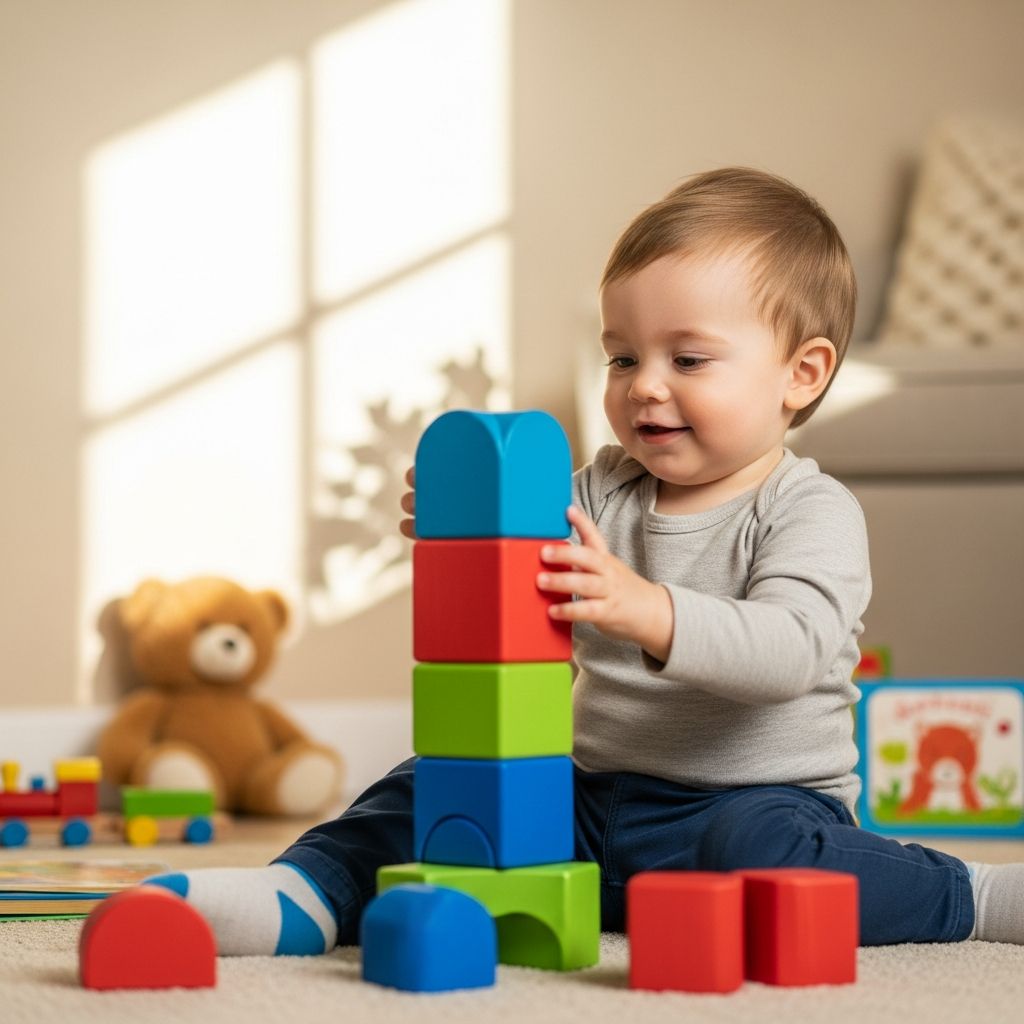
Understanding Language Development in Toddlers Between 20 and 26 Months
During the period from 20 to 26 months, toddlers experience remarkable changes in their ability to communicate with others. This developmental stage represents a critical transition from single-word utterances to more complex linguistic expressions. Parents and caregivers often notice their children begin constructing simple phrases that convey meaning and intent, marking an exciting progression in communication skills.
The journey toward meaningful word combinations is gradual and individualized. Each child follows their own developmental timeline, influenced by factors such as exposure to language, hearing ability, temperament, and overall neurological development. Understanding what to expect during this period helps caregivers recognize progress and identify when additional support might be beneficial.
The Foundation: Building Vocabulary Before Phrase Formation
Before toddlers can meaningfully combine words, they must first accumulate sufficient vocabulary. Between 18 and 24 months, children typically expand their word repertoire from approximately 10 to 15 words to a more substantial collection. By the time a child reaches 24 months, many have accumulated 50 or more individual words, though this number varies considerably among typically developing children.
This vocabulary expansion includes diverse word types rather than just nouns. Toddlers begin incorporating verbs such as “go,” “come,” “eat,” and “sleep,” along with descriptive words and functional terms. The variety of word types available to a child directly influences their ability to construct meaningful combinations later. A child with access to numerous nouns but limited verbs may struggle to create diverse phrases compared to a peer with a more balanced vocabulary.
The words toddlers learn often relate to their immediate world—family members, common objects, animals, body parts, and everyday activities. Repeated exposure to these words through daily routines, play, and conversation strengthens neural pathways associated with language comprehension and production.
The Emergence of Two-Word Combinations
Between approximately 20 and 24 months, toddlers typically begin experimenting with combining two words into simple phrases. These early combinations often follow predictable patterns that reflect basic communication needs and observations about their environment. Common two-word phrases include “more water,” “no sleep,” “mama go,” and “dada up.”
These combinations are not random. They typically convey meaningful requests, observations, or assertions. A child saying “more milk” is expressing a desire for additional milk rather than simply stringing unrelated words together. This demonstrates emerging grammatical understanding, even though the phrases lack articles, prepositions, and other grammatical elements.
The progression from single words to two-word phrases represents a cognitive milestone. Children must simultaneously retrieve and organize multiple words while considering appropriate sequencing and meaning. This process requires coordination between areas of the brain responsible for language storage, retrieval, and motor planning for speech production.
Common patterns in early two-word phrases:
- Agent-action combinations: “Daddy run,” “Baby cry”
- Action-object combinations: “Eat cookie,” “Throw ball”
- Modifier-noun combinations: “Big dog,” “Hot water”
- Possessive combinations: “Daddy’s shoe,” “My toy”
- Negation combinations: “No more,” “No sleep”
- Requests for repetition or additional items: “More water,” “Again please”
Speech Intelligibility and Understanding Toddler Speech
As toddlers begin combining words, their overall speech clarity gradually improves, though they remain quite difficult to understand for unfamiliar listeners. Around age 20 months, toddlers may be understood approximately 50 percent of the time by adults who do not know the child well. This intelligibility percentage gradually increases as children refine their articulation skills.
Speech sound errors are entirely normal at this age. A child might say “wuv” instead of “love” or “duh” instead of “dog.” These developmental errors reflect the ongoing maturation of the motor planning and muscle control required for precise speech production. Most children naturally reduce these errors as they continue developing, without requiring intervention.
Parents and regular caregivers typically understand significantly more of their toddler’s speech than unfamiliar listeners do. This familiarity with the child’s speech patterns, combined with contextual knowledge about the child’s interests and recent experiences, helps caregivers interpret meaning even when articulation is unclear.
Receptive Language: Understanding More Than They Produce
A hallmark of this developmental period is the discrepancy between what toddlers understand and what they can express verbally. Children consistently comprehend far more language than they can produce themselves. A toddler who uses only 50 words expressively may understand 200 or more words when listening to others.
This receptive language foundation is crucial for continued language growth. Understanding precedes production; children must hear and process language before they can accurately incorporate it into their own speech. Parents who engage toddlers in rich language environments provide essential input that supports both current comprehension and future expression.
During this period, toddlers develop the ability to follow simple two-part instructions, though success increases when both parts involve similar types of actions. A parent might say “Give me the ball and give me your shoe,” and the toddler will demonstrate comprehension by executing both actions in sequence. Understanding concepts such as “in” and “on” also emerges, along with the ability to respond to questions like “Where is your nose?” by pointing correctly.
Expansion to Three-Word Utterances
By 24 to 26 months, many toddlers begin stretching their phrase length to include three words. This expansion represents significant cognitive advancement, as organizing and producing longer utterances requires increased working memory and linguistic planning. Three-word combinations might include phrases such as “Daddy go work” or “More apple please,” which convey more detailed information than simple two-word phrases.
The progression from two-word to three-word utterances is not abrupt. Children typically continue using two-word phrases frequently while experimenting with longer forms. Over time, three-word phrases gradually become more consistent and frequent in their speech output. This varied approach to length reflects the child’s linguistic exploration and consolidation of emerging skills.
Environmental Sounds and Gestalt Imitation
Beyond word combinations, toddlers in this age range increasingly engage with the broader soundscape around them. Many begin imitating environmental sounds such as animal vocalizations, vehicle noises, and machine sounds during play. This imitation serves multiple functions: it’s entertaining, it demonstrates cognitive awareness of environmental patterns, and it provides valuable practice with sound production and variation.
Some toddlers also engage in “jargon”—extended sequences of vocalization that sound like conversational speech but lack actual meaningful content. During these jargon episodes, children practice the prosody, intonation, and rhythm of real conversation. They vary volume and pitch, pause appropriately, and generally mimic the musicality of speech. This self-directed language practice is a normal and productive part of language development, representing the child’s internalization of how conversations should sound.
Vocabulary Explosion and Continued Growth
As children approach their second birthday and move toward 26 months, many experience what researchers call a “vocabulary explosion.” Rather than gradually adding a few new words each week, some children begin acquiring words at a dramatically accelerated rate. Between 24 and 30 months, vocabulary can expand from 50 words to more than 200 words, and eventually to 500 or more words by age three.
This acceleration varies considerably among individual children. Some children reach 50 words by 20 months and continue steady growth, while others may not reach this milestone until closer to 30 months but then experience rapid expansion. Both patterns can represent typical development. The trajectory and pace matter more than specific ages for milestone achievement.
Vocabulary growth at this stage includes increasingly specific categories. Beyond basic objects and people, toddlers learn words related to actions, descriptive qualities, and social concepts. They begin understanding and using words like “yes,” “no,” “please,” and “thank you,” though not always with perfect timing or appropriateness.
Self-Reference and Emerging Pronouns
During the 20- to 26-month period, toddlers typically begin using their own names when referring to themselves. A child might say “Tommy help” or “Sarah all done.” This self-reference represents emerging self-awareness and the understanding that their name identifies them as a distinct individual. Some children spontaneously use their own names, while others may require gentle prompting and modeling from parents.
True pronoun use—employing words like “I,” “me,” “you,” and “mine”—typically emerges somewhat later, generally between 24 and 36 months. However, toddlers in this age range often use “mine” possessively, demonstrating early understanding of ownership concepts. The word “no” becomes increasingly prominent as children assert autonomy and preferences, often used powerfully and frequently.
Musical Language: Singing and Familiar Songs
Many toddlers between 18 and 26 months begin participating in songs in more meaningful ways. They might recognize and sing a few words from familiar songs, repeating those words with musical variation. Between 23 and 27 months, some children progress to singing whole phrases or sentences from familiar songs, demonstrating both memory and understanding of language sequences in context.
This musical engagement supports language development in multiple ways. Songs provide repetitive, rhythmic language input that may be easier for developing brains to process and remember. The melody and rhythm create additional neural pathways that reinforce word learning. Additionally, songs often involve familiar, meaningful content that maintains children’s attention and motivation.
Supporting Language Development During This Critical Period
Parents and caregivers play an essential role in facilitating continued language growth during this crucial developmental window. Responsive, language-rich interactions provide the input children need for optimal development. Several evidence-based strategies support language development:
- Expanded narration: When a child says “more water,” respond by expanding: “Yes, you want more water. Here is more water. You are drinking water.” This provides the child with more complex language models while validating their communication.
- Open-ended questioning: Rather than yes/no questions, ask questions that encourage description and expansion: “What is happening?” or “Tell me about your toy.”
- Consistent reading routines: Reading together daily exposes children to rich vocabulary, story structure, and language patterns in a engaging context. Familiar books can be “read” together even when the child isn’t reading conventionally.
- Play-based language: Engaging in pretend play and toy-based interactions allows natural language use in meaningful contexts.
- Waiting and listening: Providing adequate wait time after asking questions or making statements allows children to process and respond, rather than rushing to fill silence.
- Modeling correct forms: When a child uses incorrect grammar or pronunciation, naturally model the correct form without explicit correction: child says “daddy goed,” parent responds “Yes, daddy went to work.”
Recognizing Individual Variation in Development
While the milestones outlined in this guide represent typical patterns, significant individual variation is completely normal. Children develop language at different rates based on their unique neurology, exposure to language, personality, and learning style. A child who reaches two-word combinations at 22 months is developing typically, as is a child who reaches this milestone at 28 months.
Some children are naturally more verbal and begin combining words earlier, while others are more reserved and cautious, producing fewer words but demonstrating solid comprehension. Some children are “gestalt language learners” who initially memorize whole phrases and later break them into component words, while others follow the more typical pattern of learning individual words and combining them.
Parents should observe their child’s overall trajectory and consistency rather than focusing on specific ages. A child who is gradually adding new words, understanding more language, and showing increasing communication attempts is progressing typically, even if milestone timing differs from published guidelines.
When to Seek Professional Evaluation
While variation is normal, certain patterns warrant professional evaluation. Parents should consider consulting with a speech-language pathologist or pediatrician if their toddler by 24 months:
- Has fewer than 50 words in their vocabulary
- Is not attempting to combine any words
- Shows little understanding of simple directions or questions
- Has limited or no eye contact during communication attempts
- Is not using gestures to communicate (pointing, waving)
- Demonstrates regression in previously learned skills
- Has frequent ear infections or history of hearing concerns
Early identification of speech and language concerns allows for timely intervention, which significantly improves outcomes. A professional evaluation can distinguish between typical variation and delays requiring support.
Creating Language-Rich Environments
The environment children grow up in substantially influences language development. Homes and settings that emphasize verbal interaction, contain diverse materials for exploration, and provide responsive adult engagement support optimal language growth. Children who spend time with adults who talk with them, read to them, and respond to their communication attempts develop language more robustly.
Technology and screens present challenges to language development. Interactive conversation with responsive adults provides irreplaceable language input. Passive screen exposure, even if educational, does not adequately support the interactive, responsive language interactions children need for optimal development during this critical period.
The Cognitive Leaps Behind Language Growth
The emergence of multi-word speech reflects profound cognitive development beyond simple language skills. Children must develop object permanence, symbolic representation, and the ability to hold multiple concepts in mind simultaneously. The ability to combine two words demonstrates that the child understands these words represent distinct concepts that can be mentally manipulated and sequenced.
This cognitive development supports not only language but also emerging skills in play, problem-solving, and social interaction. A child who can combine “more milk” and understand the concept of “in” and “on” is developing foundational cognitive abilities that will support all future learning.
Looking Forward: What Comes Next
By 26 months, most children have begun the journey toward more complex language, though the path forward varies considerably. Between 26 months and age three, children typically continue expanding vocabulary, lengthening utterances, and refining grammatical forms. The foundation established during the 20- to 26-month period—the shift from single words to meaningful combinations—sets the stage for accelerating language development throughout the third year.
Understanding this developmental period helps parents appreciate the remarkable cognitive and linguistic achievements their toddlers are making. What might appear to be simple phrases represents sophisticated cognitive processing and the emergence of true symbolic communication—a defining characteristic of human language and thought.
Frequently Asked Questions
Q: Is it normal for a 22-month-old to not be combining words yet?
A: Yes, individual variation in the timing of language milestones is normal. Some children combine words as early as 18-20 months, while others may not until 24-28 months. As long as your child is understanding language, using gestures to communicate, and adding new single words, development is likely proceeding typically. However, if your child has very few words or shows little understanding of language by 24 months, consultation with a speech-language pathologist may be helpful.
Q: My toddler says things like “duh” for “dog.” Should I be concerned?
A: No, speech sound errors like this are completely normal and expected at ages 20-26 months. These developmental errors typically resolve naturally over time as your child’s motor control and articulation skills develop. Avoid directly correcting your child; instead, model the correct pronunciation naturally in conversation.
Q: How much should I be talking to my toddler?
A: Research shows that children exposed to more language at home develop language skills more robustly. Talk throughout daily routines, describe what you’re doing, read regularly, and engage in back-and-forth interactions where you pause to let your child respond. There’s no such thing as too much language input during this critical developmental period.
Q: What’s the difference between a child who understands 50 words and one who says 50 words?
A: This is an important distinction. Receptive vocabulary (words a child understands) is typically substantially larger than expressive vocabulary (words a child uses). A child understanding 200 words but using only 50 is developing typically. Understanding comes first and provides the foundation for later production.
Q: My child combines words but often mixes up word order. Is this a problem?
A: No, word order experimentation is a normal part of language development. Children are learning the rules of grammar through use and feedback. Gentle modeling of correct word order without direct correction helps children gradually refine their production.
References
- Communication Milestones: 2 to 3 Years — American Speech-Language-Hearing Association (ASHA). Accessed 2025. https://www.asha.org/public/developmental-milestones/communication-milestones-2-to-3-years/
- Toddler speech development: What’s typical for a 2-year-old? — Mayo Clinic. Accessed 2025. https://www.mayoclinic.org/healthy-lifestyle/infant-and-toddler-health/expert-answers/toddler-speech-development/faq-20057847
- Speech and Language Development: 24 to 30 Months — Children’s Minnesota. PDF. Accessed 2025. https://www.childrensmn.org/images/pdf/speech24to30.pdf
- Speech and Language Developmental Milestones for 2-Year-Olds — Therapy Works. Accessed 2025. https://therapyworks.com/blog/developmental-milestones/speech-and-language-developmental-milestones-two-year-olds/
- Communication Milestones: 19 to 24 Months — American Speech-Language-Hearing Association (ASHA). Accessed 2025. https://www.asha.org/public/developmental-milestones/communication-milestones-19-to-24-months/
- 26-Month-Old Development Milestones — The Bump. Accessed 2025. https://www.thebump.com/toddler-month-by-month/26-month-old