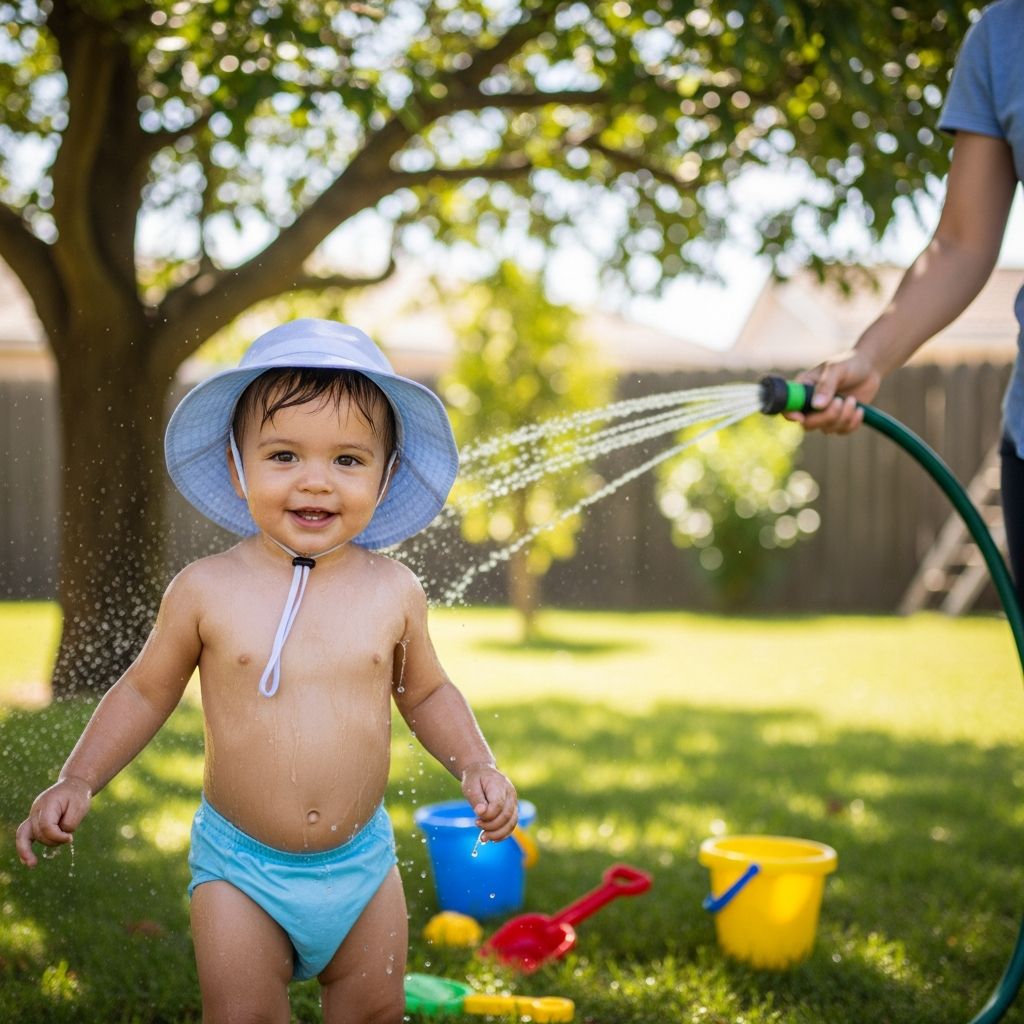
Young children, particularly toddlers, face heightened vulnerability to heat-related conditions due to their smaller bodies, faster metabolic rates, and limited ability to regulate temperature effectively. As temperatures climb during summer months or heatwaves, parents must prioritize awareness of heat exhaustion and its more severe counterpart, heat stroke. These illnesses can escalate rapidly, but with knowledge of warning signs, prompt interventions, and proactive safeguards, families can enjoy outdoor time safely.
Understanding Heat-Related Threats to Young Children
Heat exhaustion occurs when the body overheats from prolonged exposure to high temperatures, often combined with dehydration and physical exertion. Toddlers are especially prone because they generate more heat relative to their size and may not recognize or communicate thirst promptly. If untreated, it can progress to heat stroke, a life-threatening emergency where the body’s cooling mechanisms fail, leading to organ damage or worse.
Environmental factors like high humidity exacerbate these risks by impeding sweat evaporation, the primary cooling method for kids. Urban heat islands, playgrounds without shade, and even indoor spaces without adequate ventilation contribute to the problem. Statistics from pediatric hospitals indicate that heat illnesses spike during peak summer periods, underscoring the need for vigilant parenting.
Key Indicators of Heat Exhaustion in Toddlers
Recognizing early symptoms is crucial for timely action. Toddlers with heat exhaustion may exhibit:
- Excessive sweating or clammy skin
- Paleness, fatigue, or unusual irritability
- Rapid heartbeat and shallow breathing
- Muscle cramps, weakness, or dizziness
- Nausea, vomiting, or headache complaints
These signs often appear after extended play in direct sunlight or insufficient fluid intake. Unlike adults, toddlers might not verbalize discomfort, instead showing it through fussiness, reduced activity, or clinging to parents.
Distinguishing Heat Stroke: A Critical Escalation
Heat stroke represents a medical crisis, marked by a core body temperature exceeding 104°F (40°C). Watch for:
- Hot, dry skin (no sweating)
- Confusion, seizures, or loss of consciousness
- Throbbing headache and rapid, strong pulse
- Restlessness or lethargy
Unlike exhaustion, heat stroke demands immediate professional intervention, as delays can lead to permanent harm. Parents should note that young athletes or active toddlers in midday heat are at elevated risk.
Immediate Response Strategies for Heat Exhaustion
Act swiftly upon suspecting heat exhaustion to prevent progression:
- Relocate to a shaded, cool area or air-conditioned space.
- Remove excess clothing and loosen tight garments.
- Have the child lie down with feet slightly elevated.
- Apply cool, wet cloths or a lukewarm sponge bath; avoid ice-cold water to prevent shivering.
- Offer small sips of cool water or electrolyte solutions like Pedialyte; steer clear of sugary or caffeinated drinks.
Monitor for 30 minutes. Improvement typically occurs within hours with fluid replacement. If symptoms persist or worsen, contact emergency services immediately.
Emergency Protocols for Suspected Heat Stroke
For heat stroke, every second counts:
- Initiate rapid cooling: immerse in cold water if possible, or apply cold towels to neck, armpits, and groin while fanning.
- Do not force fluids if the child is unresponsive.
- Call 911 without delay—do not transport yourself.
These steps buy critical time until medical help arrives.
Proactive Prevention: Building Safe Habits
Prevention surpasses reaction. Implement these daily practices:
- Hydration routines: Encourage frequent water intake—aim for 8 ounces every 15-30 minutes during activity. Use fun bottles to make it engaging for toddlers.
- Timing outdoor play: Restrict vigorous activities to before 10 a.m. or after 4 p.m., avoiding peak heat.
- Appropriate attire: Opt for lightweight, light-colored, breathable fabrics like cotton; include wide-brimmed hats and sunscreen.
- Scheduled breaks: Enforce shade rests every 20-30 minutes with hydration checks.
For sports-involved toddlers, collaborate with coaches on heat acclimation plans and monitor for sickle cell traits if relevant. Never leave children in vehicles, even briefly.
Special Considerations for Vulnerable Toddlers
Certain toddlers require extra caution:
| Risk Factor | Why It Matters | Adaptations |
|---|---|---|
| Infants under 1 year | Limited sweating ability | Extra shade, frequent indoor checks |
| Overweight children | Reduced heat dissipation | Shorter play sessions, monitored weight |
| Those with chronic conditions | Medications impair cooling | Consult pediatrician for personalized plans |
| Recent illness recovery | Dehydration predisposition | Double hydration emphasis |
Urban dwellers should seek parks with water features or misters.
Family-Wide Heat Safety Education
Empower toddlers with age-appropriate lessons: teach “thirsty? drink!” cues and shade-seeking. Model behaviors like carrying water bottles. Schools and daycares should align with these protocols, including emergency drills.
Long-Term Resilience: Acclimating to Warm Weather
Gradually introduce toddlers to warmer conditions over 7-14 days, starting with short exposures. This builds tolerance safely. Track local heat advisories via apps for proactive adjustments.
Frequently Asked Questions
What is the fastest way to cool a toddler with heat exhaustion?
Move to shade, apply cool wet cloths or a lukewarm bath, and provide electrolyte fluids while monitoring closely.
Can toddlers get heat stroke from indoor play?
Yes, poor ventilation or bundled clothing in warm rooms can trigger it; ensure airflow and light layers.
How much water should a 2-year-old drink in hot weather?
About 4-5 cups daily, more during activity—offer frequently without waiting for thirst.
Is sports drink better than water for hydration?
For mild cases, water suffices; use electrolyte drinks for prolonged exertion or vomiting.
What if symptoms return after treatment?
Seek medical evaluation to rule out underlying issues or heat stroke.
This comprehensive approach equips parents to safeguard toddlers year-round, turning potential hazards into manageable routines for joyful, heat-safe adventures.
References
- How to recognize and treat heat exhaustion in kids — St. Louis Children’s Hospital. 2024-11-18. https://www.stlouischildrens.org/health-resources/pulse/heat-exhaustion
- Recognizing and Preventing Heat Exhaustion in Children — Lake Forest Pediatrics. N/A. https://lakeforestpediatrics.com/posts/recognizing-and-preventing-heat-exhaustion-in-children/
- How to Handle Heat Illness — Nemours KidsHealth. 2023-03. https://kidshealth.org/en/parents/heat-exhaustion-heatstroke-sheet.html
- Signs of Heat Exhaustion & Heat Stroke in Kids — Children’s Health. N/A. https://www.childrens.com/health-wellness/heat-stroke-symptoms-in-children
- Heat Exposure and Reactions — Seattle Children’s Hospital. N/A. https://www.seattlechildrens.org/conditions/a-z/heat-exposure-and-reactions/
- How to Keep Kids Safe in the Heat — Children’s Hospital Colorado. N/A. https://www.childrenscolorado.org/just-ask-childrens/articles/keeping-kids-safe-in-the-heat/
- Heat Exhaustion in Children: Care Instructions — MyHealth Alberta. N/A. https://myhealth.alberta.ca/Health/aftercareinformation/pages/conditions.aspx?hwid=av2589