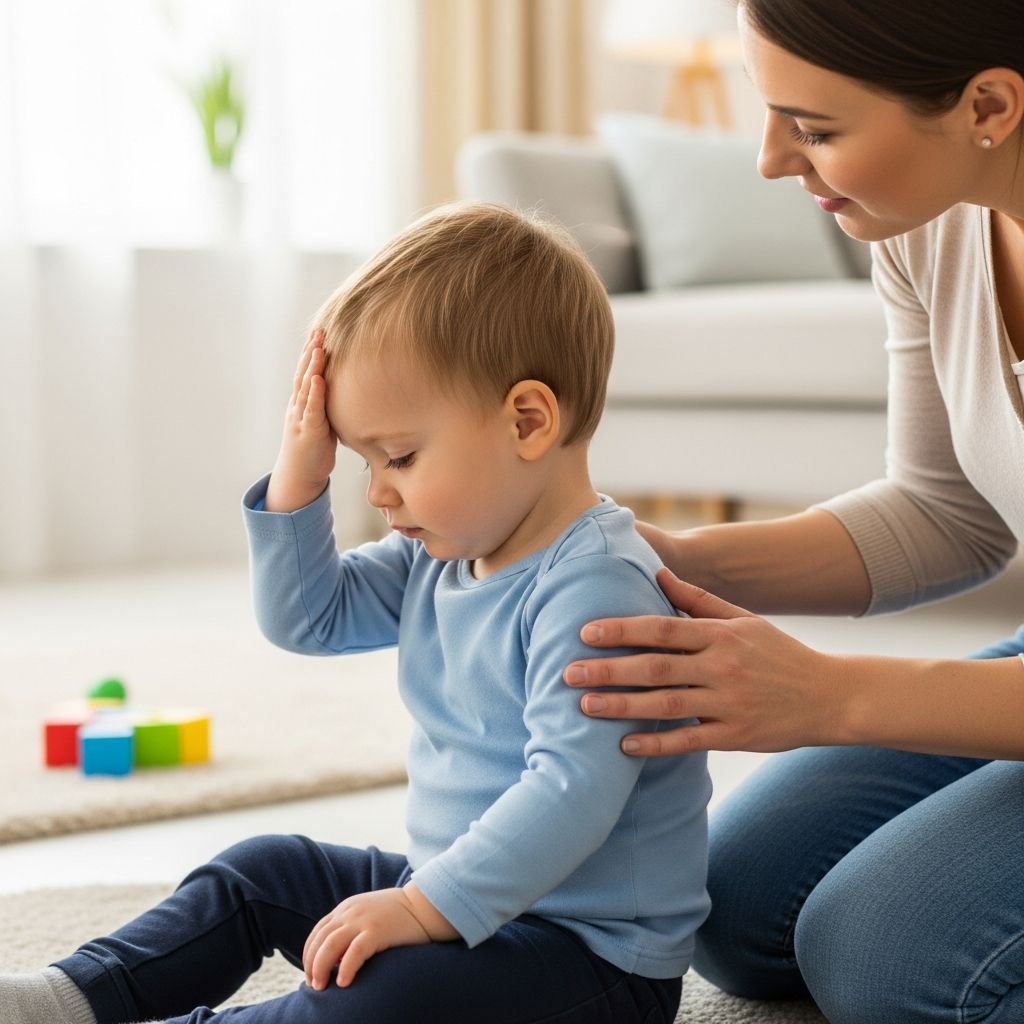
Seeing your toddler hit or bang their own head can be one of the most frightening parts of early parenting. You may worry they are seriously hurting themselves, that something is wrong developmentally, or that you have done something to cause this behavior. In most cases, however, head hitting is a temporary, developmentally related behavior that can be addressed with calm, consistent responses and a focus on safety.
This guide explains why toddlers may hit or bang their heads, how to keep them safe in the moment, what you can do over time to reduce the behavior, and when to contact a pediatrician or specialist.
Is Toddler Head Hitting Usually Normal?
Research and pediatric guidance suggest that head banging and related self-hitting behaviors are fairly common between 6 months and 3 years of age, especially around bedtime, tantrums, or transitions. For most children, it is a phase linked to emotional development, sensory needs, or communication struggles and tends to fade on its own as language and self-regulation improve.
| More Often Typical | More Concerning |
|---|---|
| Happens mostly during tantrums or when tired | Happens many times a day with no clear trigger |
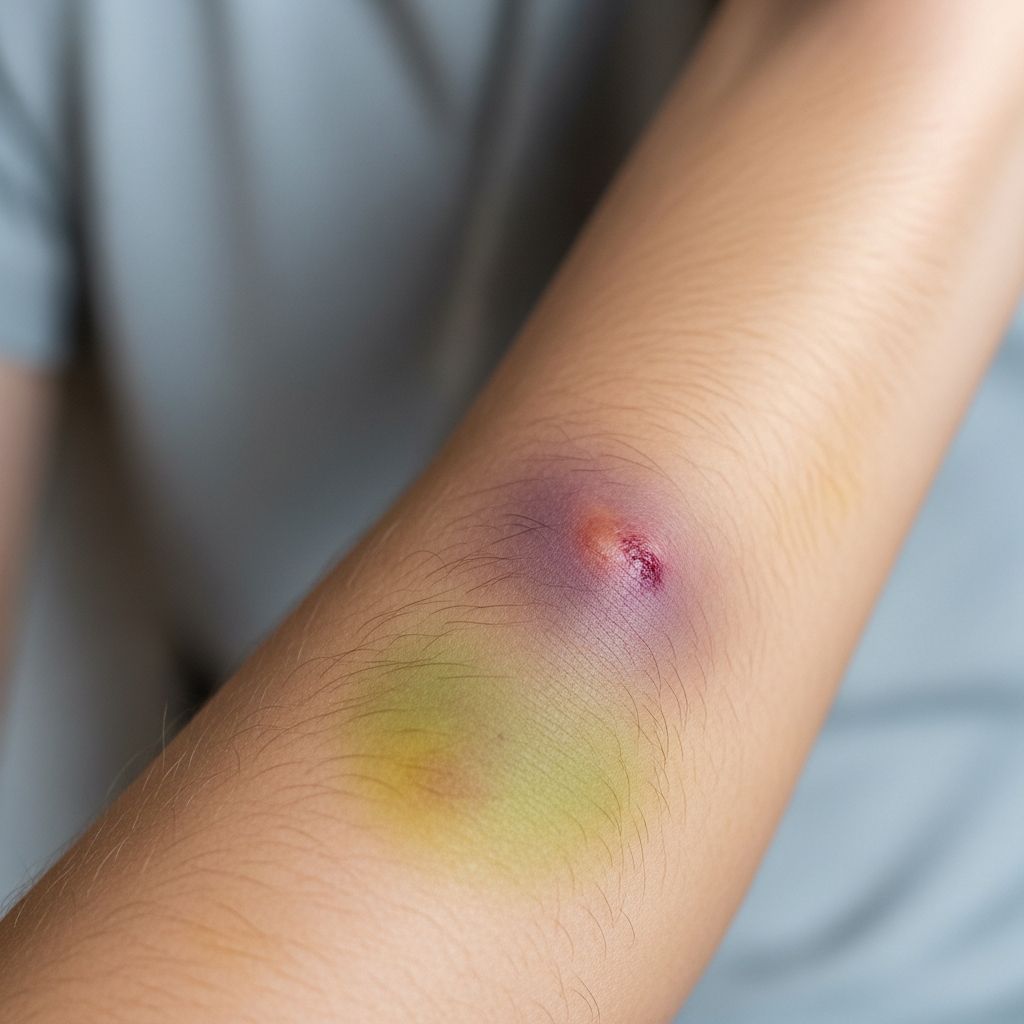
| Child rarely injures themselves | Child causes bruises, cuts, or swelling |
| Behavior fades or improves over months | Behavior steadily worsens or becomes constant |
| Child makes eye contact, plays, and communicates in other ways | Head hitting occurs along with developmental delays or loss of skills |
If you are unsure where your child falls, it is always reasonable to check in with your pediatrician. They can screen for medical causes, developmental differences, or sensory issues and reassure you if the behavior is within an expected range.
Common Reasons Toddlers Hit or Bang Their Own Heads
There is rarely a single explanation. Instead, think of head hitting as a signal that your toddler is coping with something they do not yet have the skills to express in safer ways.
1. Overwhelming Emotions and Limited Words
Toddlers experience intense anger, frustration, fear, and disappointment, but their brains are still developing the circuits they need to manage those feelings. At the same time, their language skills are just emerging. When emotions surge faster than words, some children turn that energy toward their own bodies, including their heads.
- Typical triggers: being told “no,” having a toy taken away, struggling with a task, or being asked to stop a preferred activity.
- What it can look like: hitting their forehead with a hand, light head banging on a pillow or soft surface, or collapsing to the floor and briefly smacking their head.
In these cases, the behavior is an expression of big feelings rather than a deliberate attempt to hurt themselves.
2. Communication Frustration
Children who have delayed speech or who are slower to develop language are at higher risk of using physical behaviors, including self-hitting, to communicate needs.
- They might be hungry, thirsty, or uncomfortable and have no effective way to tell you.
- They may be angry that you do not understand their words or gestures.
For these toddlers, improving communication skills (for example, through early intervention, gestures, or picture symbols) can significantly decrease head hitting over time.
3. Self-Soothing or Sensory-Seeking Behavior
Some toddlers repeatedly bang or tap their heads in a rhythmic way, especially when trying to fall asleep or when they are tired or overstimulated. Research suggests that for many children, these repetitive motions are a form of self-soothing or sensory input, similar to rocking or thumb-sucking.
- The repetitive motion can feel calming, helping them regulate their nervous system.
- Children with high sensory needs or altered pain sensitivity may seek strong physical sensations, including head banging, for stimulation.
Though this can be alarming to watch, it is often more about comfort than self-harm, particularly if your child chooses softer surfaces and does not injure themselves.
4. Getting a Big Reaction (Attention-Seeking)
Toddlers are keen observers. If they discover that hitting their head makes adults gasp, rush over, or argue, they may repeat the behavior simply because it reliably gets a strong reaction. Behavioral research shows that even negative attention can reinforce certain behaviors if it is consistent and intense.
- If the first time your child hit their head you shouted, “Stop!” and grabbed them, they may have learned that head hitting is a quick way to get you engaged.
- Sometimes adults inadvertently laugh when a child first “bonks” their head in a playful way, which can also encourage repetition.
5. Physical Discomfort or Pain
Head hitting can also be a sign that something hurts, especially in children who cannot easily describe their symptoms. Medical and autism specialists note that children sometimes bang their heads to cope with headaches, ear infections, gastrointestinal pain, or other discomforts.
- Look for other signs: ear pulling, changes in appetite, fever, sleep disruption, or unexplained irritability.
- If the behavior appears suddenly and intensely, a medical evaluation is important.
6. Developmental or Neurological Differences
Head banging and self-hitting are more common and sometimes more severe in children with autism spectrum disorder (ASD) or other developmental conditions. In these cases, self-injury may serve multiple functions: sensory regulation, communication, or relief from anxiety.
Warning signs that warrant further assessment include:
- Limited eye contact or social engagement
- Significant language delays or loss of previously acquired words
- Repetitive movements beyond head banging (e.g., constant rocking, hand flapping) that interfere with daily life
- Self-injury that is frequent and severe
If you notice these patterns, speak with your pediatrician; they may recommend developmental screening or referral to a specialist.
What to Do in the Moment: Safety First, Calm Second
Your top priority is to reduce the chance of injury without turning head hitting into a high-drama event. Children often “borrow” your nervous system; the calmer you appear, the easier it is for them to settle.
Step 1: Protect Their Body
- Gently move your child away from sharp corners, hard walls, or furniture.
- If they are on the floor, slide a folded blanket, pillow, or cushion under or near where they are hitting.
- For severe episodes, you may briefly hold them in a firm, comforting hug (not a restraint) if they will accept it and it seems to calm rather than escalate them.
If your child is in a crib and tends to bang their head on the rails, ensure the crib is assembled correctly and meets safety standards, and consider moving it away from hard walls to reduce noise and impact.
Step 2: Stay as Calm and Neutral as Possible
Raising your voice, pleading, or scolding usually adds fuel to the fire. Instead:
- Use a quiet, even tone: “You are very upset. I am here. You are safe.”
- Keep your face neutral and your movements slow.
- Avoid turning the episode into a long lecture or negotiation.
Step 3: Offer Comfort, Not Punishment
Experts advise against punishment for self-hitting, as it can increase distress and does not teach alternative skills.
- Once your child is receptive, offer a hug, a favorite toy, or a calm-down spot.
- Use simple phrases like “Hands are for keeping us safe” or “Let’s tap the pillow instead.”
Step 4: Talk About It Briefly After They Are Calm
After the storm has passed, your toddler may be more able to hear you and learn from the experience.
- Name the feeling: “You were mad when the TV turned off.”
- Show an alternative: “Next time you can say ‘mad!’ or stomp your feet on the floor instead of hitting your head.”
- Keep it short; a few sentences are enough.
Long-Term Strategies to Reduce Head Hitting
While you cannot eliminate every episode, you can make head hitting less frequent and less intense by addressing underlying needs and teaching replacement skills.
1. Watch for Patterns and Triggers
For a week or two, quietly track when head hitting happens. Note:
- Time of day
- What was happening just before (transition, demand, denial, separation)
- Your child’s state (tired, hungry, overstimulated, sick)
Patterns often emerge: certain transitions, skipped snacks, or crowded environments. Once you see the pattern, you can change the setup—such as adding a snack before errands, using warnings before transitions, or shortening overstimulating activities.
2. Meet Physical Needs Early
It is difficult for any toddler to regulate when basic needs are not met. Before challenging activities, ask yourself:
- Are they hungry or thirsty?
- Are they sick, teething, or constipated?
- Have they had enough sleep or quiet time today?
Addressing these needs up front can significantly reduce the likelihood of intense emotional meltdowns and self-hitting.
3. Build Communication Supports
Support your child’s ability to express needs before frustration boils over:
- Teach simple signs or gestures (e.g., more, help, drink).
- Offer visual choices: two snacks, two toys, two activities.
- Use short, consistent phrases: “You can say ‘help’,” “You can say ‘stop’.”
- If you have concerns about speech or language, ask your pediatrician for a referral to early intervention or a speech-language pathologist.
4. Provide Safer Sensory Outlets
If your child seems to enjoy big body sensations, build sensory input into your daily routine so they do not need to seek it through head hitting:
- Rough-and-tumble play (within safe limits)
- Jumping on cushions or a mini-trampoline (with supervision)
- Rocking chairs, swings, or bouncing on your lap
- Stress balls, chewable jewelry, or other sensory toys for hands and mouth
Occupational therapists often recommend these kinds of activities to help children regulate their sensory systems and reduce self-injury.
5. Teach Calm-Down Routines
Even very young children can learn simple strategies for calming their bodies:
- Slow belly breathing (you can teach this while they lie on their back with a stuffed animal on their tummy).
- “Squeeze and release” games where they tighten and relax different body parts.
- A predictable calm-down corner with soft lighting, pillows, and a couple of comforting objects.
Practice these tools when your child is relatively calm so they are more available during real upsets.
6. Reinforce Safer Behaviors
Positive reinforcement is a powerful way to shape behavior. Catch your child using words, gestures, or safer outlets instead of head hitting and respond warmly:
- “You were so mad and you stomped your feet instead of hitting your head. That was a great choice.”
- Offer small privileges or extra praise when they try a coping strategy you have been teaching.
Behavior therapists often use this approach—rewarding replacement behaviors—to reduce self-injury in older children as well.
When to Call a Pediatrician or Specialist
Most head hitting is a passing developmental behavior, but certain signs call for a professional evaluation.
- Your child injures themselves (bruises, cuts, bumps, or swelling).
- The behavior is frequent, intense, or difficult to interrupt.
- Head hitting appears to be related to illness (fever, vomiting, ear pulling, changes in eating or sleeping).
- You notice developmental concerns: limited eye contact, lack of pointing or sharing interest, few words by 18–24 months, or loss of previously gained skills.
- You suspect autism, sensory processing issues, or another developmental condition.
- You feel overwhelmed, scared, or unsure how to handle the episodes.
Depending on what they see, your child’s health team may suggest:
- A physical exam and tests to rule out pain or illness
- Developmental screening or referral for autism evaluation
- Occupational therapy for sensory needs
- Behavioral therapy to understand and reduce self-injury
Early support is not a label or a life sentence; it is a way to give your child and your family more tools and relief.
Supporting Yourself as a Parent
Watching your toddler hurt themselves—however lightly—can be emotionally exhausting. Many parents feel guilt, shame, or fear. Remember:
- This behavior does not mean you are a bad parent.
- You are not alone; many families experience similar phases.
- Asking for help—from doctors, therapists, or trusted friends—is a strength, not a failure.
Taking care of your own stress level will help you respond more calmly to your child. Even short breaks, deep-breathing exercises, or sharing your worries with another adult can make a difference.
Frequently Asked Questions (FAQs)
Is my toddler going to cause brain damage by hitting their head?
Occasional, mild head hitting on softer surfaces is unlikely to cause serious injury. However, if your child is hitting hard surfaces, leaving marks, or you are worried about concussion, contact your pediatrician promptly for guidance.
Should I ignore my toddler when they hit their head?
You should never ignore safety. Quietly make the environment safer and stay nearby, but aim to minimize dramatic reactions. Afterward, give positive attention for calm behaviors and help them practice other ways to express feelings.
Does head banging always mean autism?
No. Many toddlers who bang or hit their heads are developing typically and outgrow the behavior. Head banging is only one piece of a broader developmental picture. Concerns about autism usually involve multiple signs, such as communication delays and social differences, in addition to repetitive behaviors.
How long does this phase usually last?
For many children, head hitting peaks between 18 months and 2.5 years and gradually decreases as language and coping skills improve. Some children who use head banging to fall asleep may continue milder versions into preschool, but most eventually stop without long-term effects.
What if nothing I try seems to help?
If you have tried safety measures, routine changes, and emotional coaching without seeing improvement—or if the behavior worsens—speak with your pediatrician. They may refer you to specialists who can perform a more detailed assessment and guide you through tailored strategies.
References
- Why Does My Toddler Hit Themselves? Causes and Solutions — Healthline. 2020-11-05. https://www.healthline.com/health/childrens-health/why-does-my-toddler-hit-himself
- Understanding Head Banging Behavior in Infants and Toddlers — A Strong Start. 2019-06-12. https://www.astrongstart.com/understanding-head-banging-behavior-in-infants-and-toddlers/
- Why Do Toddlers Hit Themselves? Understanding the Reasons — Care.com. 2021-04-07. https://www.care.com/c/why-do-toddlers-hit-themselves/
- Autism, Head Banging and Other Self Harming Behavior — Autism Parenting Magazine. 2018-09-10. https://www.autismparentingmagazine.com/autism-self-harm/
- What to Do When Your Toddler Starts Hitting Herself — Today’s Parent. 2019-01-23. https://www.todaysparent.com/toddler/toddler-behaviour/what-to-do-when-your-toddler-starts-hitting-herself/
- Causes and Interventions for Self-Injury in Autism — Autism.org. 2020-03-15. https://autism.org/causes-and-interventions-for-self-injury-in-autism/
- Understanding and Managing Toddler Head Banging — Hello Pediatrics. 2022-08-18. https://hellopediatrics.com/understanding-and-managing-toddler-head-banging/