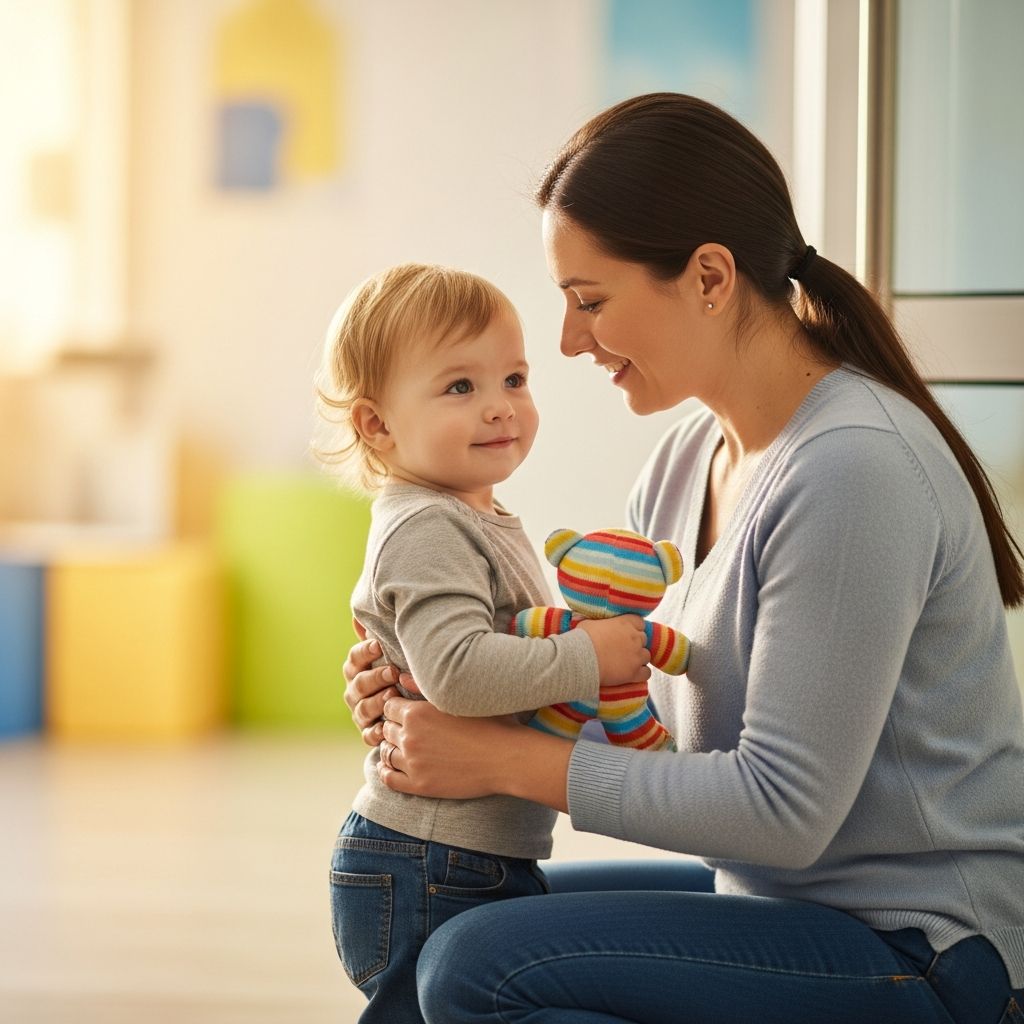
Watching a toddler sob at the classroom door can make even the most confident parent want to scoop them up and run back home. Drop-off anxiety is intense, but it is also extremely common and very manageable with the right mix of empathy, structure, and practice.
What Drop-Off Anxiety Actually Is
Toddler drop-off anxiety is a form of separation anxiety that shows up during transitions from home to daycare, preschool, or another caregiver. Your child is not trying to manipulate you; they are reacting to a sudden change in safety, routine, and proximity to their primary attachment figure.
Signs often include clinging, tears, tantrums, refusal to enter the room, or complaints like tummy aches right before leaving the house. These behaviors are distress signals, not misbehavior, and your response can either soothe or intensify their fear.
- Clingy behavior and crying at the door or gate.
- Refusing to put on shoes or get into the car on school days.
- Asking repeatedly, “Are you coming back?” or “Who will be there?”
- Physical complaints such as headaches or stomach aches when it is time to leave.
Why Toddlers Struggle With Goodbyes
In the toddler years, children are still developing a sense of object permanence and time. They might know, logically, that you return every day, but in the heat of the moment, it can feel like you are disappearing into a void. The new environment, unfamiliar adults, and noise can add to that overwhelm.
On top of this, toddlers are building independence but still rely heavily on you to regulate big feelings. When you leave, they briefly lose their emotional anchor, and their nervous system reacts with protest.
Common Triggers for Drop-Off Anxiety
- New environments such as starting daycare, preschool, or moving to a new classroom.
- Changes at home including a new sibling, a move, or a parent’s work schedule shift.
- Inconsistent routines where some days they stay home, other days they are rushed out the door.
- Parents’ visible stress, guilt, or ambivalence about leaving.
Preparing Before the First Day
The smoother the build-up to drop-off, the easier the separation itself becomes. Instead of focusing only on what happens at the door, think of the entire week leading up to it as gentle training for both you and your child.
Slow, Predictable Exposure
When possible, introduce the new setting gradually. A slow ramp-up gives your toddler time to build familiarity without overwhelming their system all at once.
- Visit the classroom or building together during a calm time, just to explore and leave again.
- Point out key anchors, like cubbies, bathrooms, favorite toys, and the teacher’s face or name.
- Practice short separations with trusted caregivers before the big day.
Talk About What Will Happen
Language helps toddlers organize experience. Keep explanations simple, honest, and repetitive so they know what to expect.
- Use short, concrete phrases such as: “We will drive to school, hang up your bag, have a hug, and I will go to work.”
- Avoid vague reassurances like “I’ll be right back” if you will be gone for hours.
- Use storybooks or homemade picture books about going to school and coming back home.
Designing a Morning That Calms, Not Rushes
Most drop-offs go badly not because of what happens at the classroom door, but because of everything that happened in the previous 90 minutes. Rushed mornings signal danger to a toddler’s nervous system before you even buckle the car seat.
Simple Steps for a Calmer Morning
- Wake up earlier than strictly necessary so there is margin for spills, lost shoes, or last-minute cuddles.
- Prepare backpacks, outfits, and snacks the night before so you are not frantically searching at the last minute.
- Build in a small window of connection, like a 5-minute snuggle or playtime, before leaving.
- Keep your tone warm and upbeat, even when you feel stressed inside.
Mini-Rituals at Home
A tiny ritual before you even leave home can signal safety and predictability. It does not need to be elaborate to be effective.
- Sing the same short song as you put on shoes or zip coats.
- Use a special phrase you only say on school days, like “Today is your brave day.”
- Let your toddler choose one small task to “be in charge of,” such as carrying the snack bag.
Creating a Goodbye Ritual That Works
Children feel safer when goodbyes are predictable. A consistent ritual around separation helps your toddler know what comes next and reassures them that the story always ends with reunion.
Elements of an Effective Goodbye Ritual
| Element | Why It Helps | Example |
|---|---|---|
| Consistency | Predictable steps calm the nervous system. | “We hang your bag, hug, high-five, and I wave from the door.” |
| Connection | Short, focused attention fills your child’s emotional “tank.” | Eye contact, a squeeze, and saying their name warmly. |
| Clarity | Explaining when you will return builds trust. | “I will pick you up after your afternoon snack.” |
| Closure | A clear ending reduces endless negotiating. | After the hug, you stand up, say “Bye love,” and walk out. |
What to Avoid During Goodbyes
- Do not sneak out; it often increases anxiety the next time because your child learns you might disappear without warning.
- Avoid long, drawn-out departures that restart the crying cycle several times.
- Try not to ask repeated questions like “Is it okay if I go now?” which places too much responsibility on your toddler to approve your leaving.
Helping Your Toddler Feel More in Control
Loss of control intensifies fear. By offering meaningful, age-appropriate choices, you help your toddler feel like an active participant rather than a powerless bystander in the separation process.
Offer Small but Real Choices
- “Do you want to walk in yourself or hold my hand and I carry your bag?”
- “Should we say goodbye at the classroom door or at the cubby?”
- “Would you like the dinosaur sticker or the star sticker on your shirt after drop-off?”
Comfort Objects and Transitional Items
Transitional objects act like a bridge between home and school. They remind your child that you exist even when you are not there physically.
- Let your child bring a small stuffed animal, blanket square, or family photo if allowed.
- Create a “connection token,” such as a matching bracelet or a heart drawn on each other’s hands.
- Leave a small note or doodle in their bag for older toddlers who enjoy surprises.
Your Calm Is Their Calm
Toddlers read your facial expressions, tone, and body language far more than your words. If you project guilt or panic, they understandably conclude that something unsafe is happening, and their distress escalates.
Managing Your Own Emotions
- Take a few slow breaths in the car before unbuckling your child.
- Use grounding thoughts, like “It is okay for my child to be sad and still be safe.”
- Have a short, predictable routine for yourself after drop-off, such as making tea, calling a friend, or listening to a favorite song.
Use Words That Convey Confidence
Your child borrows your belief that things will be okay. Combine empathy with assurance rather than apologizing for leaving.
- “You really wish I could stay. It is hard to say goodbye.”
- “You are safe here with your teacher, and I know you can do this.”
- “I will come back after your outside play. I always come back.”
Partnering With Teachers and Caregivers
A strong partnership with caregivers can transform the drop-off experience. When your toddler senses that you trust their teacher, they are more likely to feel secure in that relationship themselves.
What to Share With the Caregiver
- Triggers your child has (loud noises, crowded spaces) and what usually soothes them.
- Preferred comfort items, nicknames, or silly games that help them relax.
- Any changes at home that might temporarily increase anxiety, such as travel or a new sibling.
Ask for a Clear Plan
Having a simple, agreed-upon plan lowers anxiety for everyone. Ask what the caregiver does when children cry at drop-off and how they prefer parents to say goodbye.
- Clarify where you should hand your child off and how long you should stay.
- Ask if they can send a quick message or photo once your toddler settles.
- Respect their professional judgment about when to step in, redirect, or give space.
Handling Regression and Setbacks
Even once things are going well, expect occasional backslides. After holidays, illnesses, or big life changes, many toddlers temporarily return to crying or clinging at drop-off.
When Old Feelings Reappear
- Normalize it: “We took a break from school, and it feels new again. We will get used to it together.”
- Revisit the basics: arrive on time, keep the same goodbye routine, and lean on comfort items.
- Avoid labeling your child as “shy,” “dramatic,” or “difficult” in front of them.
Knowing When to Seek Extra Support
Most separation anxiety eases as your child builds trust in the new routine. However, if your toddler remains extremely distressed for many weeks, or their anxiety spreads into other areas of life, professional guidance can be helpful.
- Talk with your pediatrician if your child has ongoing sleep issues, appetite changes, or intense fears alongside drop-off difficulties.
- Ask the school or center if they can connect you with a child psychologist or counselor experienced with early childhood anxiety.
- Consider a developmental evaluation if anxiety is part of a broader pattern of challenges.
Quick Reference: Do’s and Don’ts of Toddler Drop-Offs
| Do | Why |
|---|---|
| Keep a consistent routine. | Predictability makes transitions feel safer. |
| Use a short, loving goodbye ritual. | Signals connection and clear closure. |
| Stay calm and confident. | Your mood is a powerful cue for your child. |
| Offer small choices. | Gives a sense of control in a big transition. |
| Acknowledge their feelings. | Helps your child feel understood, not dismissed. |
| Don’t | Why |
|---|---|
| Don’t sneak away. | Undermines trust and may increase anxiety next time. |
| Don’t linger excessively. | Prolongs the moment of pain and may escalate crying. |
| Don’t shame or mock their tears. | Teaches them to hide feelings instead of processing them. |
| Don’t constantly “rescue” by taking them home. | Prevents them from experiencing that they can cope and be okay. |
Frequently Asked Questions About Toddler Drop-Off Anxiety
How long does drop-off anxiety usually last?
Many toddlers show strong reactions for the first few days or weeks in a new setting. Often, the intensity decreases once they have had enough consistent experiences of you leaving, being cared for, and then being reunited. Each child is different, but a steady routine and patient support usually lead to noticeable improvement within several weeks.
My child stops crying right after I leave. Does that mean the feelings aren’t real?
No. The feelings are very real at the moment of separation, but young children also adapt quickly once engaged in play or comforted by a trusted adult. The quick shift can be a sign that your child is building resilience and learning that they are safe even when you are not present.
Should I ever go back if my toddler is screaming?
If you have already said your goodbye and handed your child to a caregiver, repeatedly returning can accidentally restart the cycle of protest. Instead, agree on a plan with the teacher: if your child does not calm after a certain amount of time or seems distressed in an unusual way, they can contact you. Trustworthy feedback from staff is more helpful than reacting to what you hear from the hallway.
Is it okay to change schools or caregivers if drop-off is always a battle?
Before making a major change, explore whether the anxiety is about separation in general or that specific environment. Observe the classroom, talk to teachers, and look at how your child seems once settled. If the environment truly does not fit your child’s needs, a thoughtful transition to a better match can be beneficial, but changes should be made with care rather than in the heat of panic.
What if I work unusual hours or have an inconsistent schedule?
When timing cannot be predictable, focus on making the sequence of events predictable instead. Use simple cues: “After breakfast we go to school” or “After your nap Grandma comes.” Visual schedules with pictures, songs that mark transitions, and repeating the same goodbye ritual can still provide structure even when the clock times vary.
Final Thoughts: Brave Kids, Brave Parents
Supporting a toddler through drop-off anxiety is not about eliminating every tear. It is about offering enough steadiness, empathy, and structure that your child learns, slowly but surely, “I can feel scared and still be safe.” Your presence, even in the way you leave, communicates that message day after day.
You will not do it perfectly every time, and that is okay. What matters most is the overall pattern: consistent routines, clear goodbyes, respectful acknowledgment of feelings, and reliable reunions. Over time, those repeated experiences help transform shaky, tearful mornings into confident, even excited, starts to the day.