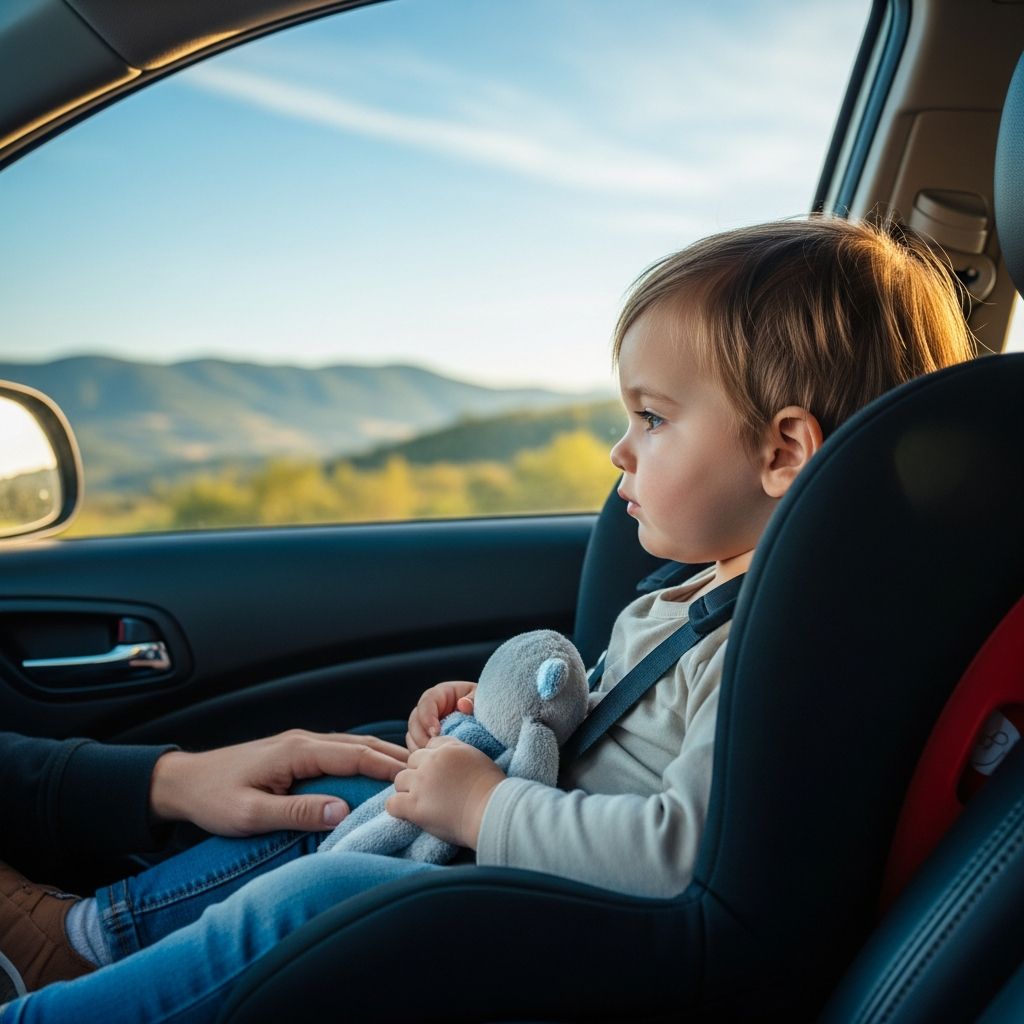
Car rides with a toddler can feel like navigating a storm in a tiny metal box. The doors are shut, your seat belt is on, you need to watch the road, and from the back seat a full-volume emotional hurricane suddenly erupts. This guide explains why car tantrums happen, how to keep everyone safe, and which practical strategies actually help.
Why Car Rides Trigger Big Feelings
Understanding what is going on for a toddler in the back seat is the first step to changing the dynamic. When parents see the behavior as communication rather than defiance, it becomes easier to respond calmly and consistently.
- Loss of control: Toddlers spend much of their day being told where to go and what to do, and the car seat is a powerful symbol of that lack of control.
- Physical discomfort: Tight straps, bulky clothing, heat, cold, or a poorly adjusted seat can quickly turn mild irritation into a meltdown.
- Trapped frustration: At home, a frustrated toddler can move, stomp, throw, or run; in the car, all that energy has nowhere to go but out through crying and yelling.
- Transition stress: Many car rides happen when a child is leaving something they enjoy (playtime, daycare, the park) or heading to something less preferred (errands, bedtime routine).
- Hunger and fatigue: A tired, hungry, or overstimulated child has a much lower capacity to cope with waiting, boredom, or small disappointments.
Safety First: Your Primary Job in the Car
During a tantrum, it is tempting to twist around, negotiate, pass snacks, or retrieve fallen toys. Unfortunately, those well-meaning actions can turn a stressful moment into a dangerous one. Your main responsibility is always to drive safely and keep everyone secure.
- Keep your hands on the wheel and eyes on the road as much as possible.
- A properly installed, age-appropriate car seat is non-negotiable, even if your child is protesting loudly.
- If the screaming becomes overwhelming or distracting, pull over in a safe place rather than multitask while driving.
- Remind yourself that crying is not harmful in itself; unsafe driving is.
Before You Start the Engine: Setting Up for Success
Some of the most effective tantrum-prevention strategies happen before the car even moves. A few minutes of preparation can significantly reduce the likelihood of an eruption halfway down the street.
Plan around basic needs
- Offer a snack and drink beforehand when possible.
- A quick bathroom or diaper check can prevent mid-ride discomfort.
- Schedule longer trips away from the most vulnerable times, such as right before nap.
Use a calm pre-ride ritual
Predictability helps toddlers feel secure. A simple ritual also gives you a chance to communicate expectations in a warm, clear way.
- Use a consistent phrase like “First we buckle, then we drive” while you help them into the seat.
- Offer a limited choice: “Do you want to climb in yourself or have me lift you?”
- Give a heads-up a few minutes before leaving: “In five minutes it’s time to get in the car.”
Minimize known triggers
Many car tantrums start with something predictable: dropped objects, unreachable snacks, or too many items cluttering the seat. Simplifying the space often reduces the battles.
- Limit how many toys are in reach; one or two is often plenty.
- Avoid giving anything that will likely roll out of reach, leak, or break easily.
- Secure what you can in seat-back organizers or soft pouches rather than loose on the seat.
Comfort Counts: Checking Car Seat Fit and Environment
Sometimes a tantrum is less about limits and more about plain discomfort. A quick checklist can help you rule out issues that would frustrate anyone, especially a small child strapped in and unable to adjust things independently.
| Area | What to Look For | Simple Fixes |
|---|---|---|
| Straps and buckles | Red marks on skin, pinching, or twisted straps after rides. | Adjust height, remove twists, and ensure clothing isn’t bunched under the harness. |
| Temperature | Sweaty back, cold hands, or flushed cheeks soon after starting. | Pre-cool or pre-warm the car, use window shades, and dress in layers. |
| Seat position | Child straining to see out, or slouching in an awkward posture. | Adjust recline according to age guidelines, and remove bulky coats. |
| Noise and stimulation | Startle reactions to loud music, traffic sounds, or constant chatter. | Lower the volume, choose calmer music, and allow quiet time. |
What to Do When a Tantrum Starts While Driving
Even with excellent preparation, some rides will still go off the rails. In the moment, the priority is to stay regulated yourself and avoid rewarding the behavior with intense attention or unsafe actions.
Stay calm and keep driving safely
- Take a slow breath and relax your shoulders instead of tensing up with every shout.
- Remind yourself silently: “My job is to drive; my child is allowed to have feelings.”
- Avoid long explanations or negotiations, which often prolong the crying.
Use simple, consistent language
During a meltdown, a toddler’s brain is not in a logical, problem-solving mode. Short, predictable phrases are easier to absorb than lectures.
- Use one calm line, such as: “I hear you are upset. I will talk when you are calmer.”
- Repeat the same wording if needed rather than introducing new arguments.
- Avoid loud scolding or threats that escalate the emotional intensity.
Decide when to pull over
There will be moments when the noise or stress level is simply too high for you to concentrate. Pulling over thoughtfully is better than reacting impulsively.
- Choose a safe location such as a parking lot or side street, not a narrow shoulder.
- Once stopped, keep your tone neutral and avoid turning the stop into a special show.
- You can pause, breathe, and offer a brief comfort, but stick to the original limits about buckling and staying in the seat.
Attention and Tantrums: What You Reward Grows
For many toddlers, the car becomes a place where they can reliably command a parent’s full attention with loud behavior. Reducing that payoff, while increasing positive attention when they are calm, gradually shifts the pattern.
Dial down attention during the outburst
- Once safety is assured, avoid turning around repeatedly or engaging in long debates.
- Keep your voice as neutral and brief as possible if you need to speak.
- Consider turning up soothing music slightly to make the crying less overwhelming without using it as a reward.
Pour on positive attention when calm
Children repeat what works. When calm, cooperative behavior earns connection and praise, and tantrums do not, the balance slowly changes.
- Notice and describe what you like: “You are sitting so safely and looking out the window. That helps me drive.”
- Offer small rewards for quiet trips, such as a special song at the end of the ride or extra bedtime storytime.
- Give more one-on-one connection outside the car so your child is not seeking all their attention in transit.
Better Distractions: What Actually Helps in the Car
Distraction is not a cure-all, but the right kind can reduce boredom and frustration. The goal is to choose activities that are low-effort for you, relatively safe, and unlikely to cause new problems when dropped or finished.
Simple, low-risk activities
- Soft, lightweight books that will not hurt if thrown and are easy to pick up later.
- One or two small comfort items, like a stuffed animal or blanket.
- Age-appropriate music, audiobooks, or simple story recordings that play without your constant input.
Car-friendly conversation and games
Before emotions start to boil, light interaction can make a big difference. The key is to stop if it becomes a power struggle.
- Play visual games like “Can you find something red?” or “How many trucks can we count?”
- Invite, rather than demand, participation: “Would you like to sing along, or just listen?”
- If your child pushes back, gracefully end the game and let the car be quiet.
Handling Specific Car Tantrum Triggers
While every child is different, some scenarios come up for many families: the thrown toy, the refused buckle, or the end-of-day commute meltdown. Having a default response for each helps you stay consistent.
When a toy is dropped
- State the boundary calmly: “I cannot reach toys while I’m driving. I can help when we stop.”
- Do not break the rule once it is stated, even if the crying escalates.
- After the ride, either hand the toy back with a reminder of the rule or set it aside if throwing becomes a pattern.
When your child refuses the car seat
Resistance at buckling time is common, especially as toddlers discover their independence. Staying firm but empathetic makes the process smoother over time.
- Acknowledge the feeling: “You do not want to sit. You are upset.”
- Restate the limit: “We must buckle to drive. That part is not a choice.”
- Offer a choice where you can: “You can hold your bear or your book while we buckle. Which one?”
End-of-day commute meltdowns
Evenings are often the hardest time of day, with tired adults and tired children sharing a small space. Planning ahead reduces the collision of everyone’s frayed nerves.
- Keep a simple, non-messy snack available for the ride home if it fits your routine.
- Lower expectations for conversation; a quiet, low-stimulation ride can be more peaceful than constant talking.
- Build in a few minutes of reconnection at home before rushing into chores or demands.
Building Long-Term Coping Skills
While quick tactics help in the moment, the long game is teaching your child better ways to handle feelings, wait, and tolerate boredom. Car rides can actually become practice spaces for those skills.
Practice waiting in small doses
- Outside the car, play short games that involve taking turns and waiting, so the concept is familiar.
- Use simple time markers: “We will be there after three songs” or “When the light turns green three times.”
- Celebrate successful small waits so your child starts to feel competent at this skill.
Support emotional language
When children can label their feelings and ask for help, they rely less on screaming as their only tool. This learning happens mostly outside of crisis moments.
- Read books about feelings and talk about the characters’ emotions.
- Model your own language: “I feel frustrated when traffic is slow, so I take deep breaths.”
- Later, after a ride, help your child reflect: “You were really mad in the car. Next time you can say ‘I’m mad’ instead of throwing things.”
Looking After Yourself as the Driver and Parent
No strategy works perfectly when a parent is completely depleted. Car tantrums are easier to handle when you are not running on empty yourself. Taking your own stress seriously is part of taking safety seriously.
- Give yourself a few extra minutes so you are not rushing, which heightens tension for everyone.
- Use simple calming tools for yourself, such as steady breathing, gentle music, or a pre-planned mantra.
- After particularly rough rides, decompress before jumping straight into the next task if at all possible.
Frequently Asked Questions About Toddler Tantrums in the Car
Is it okay for my toddler to cry in the car if I cannot stop?
Crying itself is not harmful, even though it is loud and unsettling. As long as your child is safely strapped in and not in physical danger, the priority is to keep driving safely. When you treat the car seat rule as absolute, your child gradually learns that strong feelings do not change basic safety limits.
Should I give my toddler a screen to stop car tantrums?
Screens can sometimes buy quiet, but they can also become another intense object to lose, drop, or argue about. If you choose to use screens, it helps to set clear rules, use secure mounts, and avoid handing devices back and forth while moving. Many families find that simple, low-tech options are more sustainable for everyday trips.
What if my child throws things while I’m driving?
Throwing is a sign that your child is overwhelmed or testing limits. Keep only a few soft, harmless items within reach and remove anything that turns into a weapon or constant distraction. After the ride, calmly explain that thrown items will be put away next time so everyone can stay safe.
How long will this phase last?
For most families, the peak of car tantrums is a phase, not a permanent feature of life. As language skills, self-regulation, and routines improve, many children become more tolerant of the car. Consistency, empathy, and clear boundaries help shorten the length and intensity of this challenging period.
When should I seek extra help?
If car tantrums are extreme, lead to self-injury, or are part of a wider pattern of intense behavior that worries you, discussing your concerns with a pediatrician or child development specialist can be reassuring. Professional support can help rule out sensory or developmental issues and offer tailored strategies for your family.
Key Takeaways for Calmer Car Rides
Car tantrums are stressful, but they are also a normal part of early childhood as toddlers test limits and express big feelings. By preparing before you drive, focusing on safety, giving less attention to outbursts and more attention to calm moments, and building long-term coping skills, you can gradually transform chaotic drives into more manageable, and even sometimes pleasant, trips together.