In a world of blinking screens and fast-tech trends, some toys never go out of style. These are the toys that get pulled from the closet year after year, passed between siblings, and eventually saved for the next generation. They invite kids to imagine, build, talk, negotiate, and solve problems—skills that research shows are central to healthy development.
This guide explores how to choose timeless toys that work for many ages, support real developmental needs, and still feel fun in a digital world.
Why Classic Toys Still Matter in a Digital Age
Digital games and apps can be engaging, but traditional, hands-on toys do something different: they slow kids down, pull them into the real world, and put them in charge of the story. Educators and child development experts consistently point out that unstructured, open-ended play is a powerful driver of language, social skills, and problem-solving.
- More imagination, less script: Simple toys with few rules force kids to invent their own stories and solutions.
- Rich sensory input: Wooden blocks, puzzles, dolls, and vehicles require kids to touch, lift, and move objects, which strengthens coordination and spatial skills.
- Real social practice: Board games, pretend play, and building projects ask children to share, negotiate, and handle wins and losses.
- Counterbalance to screens: Unplugged play is one of the easiest ways to reduce total screen time while still keeping kids fully engaged.
Core Qualities of a Toy That Stands the Test of Time
Before thinking about specific items, it helps to know what makes a toy worth keeping for years.
| Quality | What It Means | Why It Matters |
|---|---|---|
| Open-ended | Can be used in many ways, with no single “right” outcome. | Boosts creativity, flexible thinking, and problem-solving. |
| Durable | Built from sturdy, repairable materials like solid wood or thick plastic. | Survives rough play, siblings, and storage; more sustainable over time. |
| Developmentally rich | Invites movement, thinking, language, or social interaction. | Supports motor skills, cognition, and emotional growth during play. |
| Age-flexible | Can be enjoyed differently by a 3-year-old and a 10-year-old. | Keeps toys out of the donation box and in the family rotation. |
| Low-tech | Works without batteries, apps, or updates. | Encourages self-directed play instead of passive entertainment. |
How Timeless Toys Support Key Areas of Development
Classic toys are not just nostalgic; they line up closely with what developmental research says children need at different stages.
1. Cognitive Growth and Problem-Solving
Puzzles, construction sets, and strategy games ask kids to experiment, fail, and try again. Studies of early play show that activities like stacking, sorting, and building help children develop spatial reasoning and logical thinking, which feed into later skills in STEM subjects.
- Fitting shapes together helps with spatial awareness and early geometry.
- Planning a structure develops executive function (planning, attention, impulse control).
- Rule-based games introduce cause and effect and basic strategy.
2. Motor Skills and Coordination
From toddlers hauling pull toys to older kids mastering yo-yos or building intricate models, physical play builds both fine and gross motor skills. Hands-on manipulation strengthens hand muscles, supports handwriting, and improves coordination.
- Fine motor skills: Puzzles, beads, and small building pieces strengthen grip and precise movements.
- Gross motor skills: Ride-on toys, rocking horses, and simple sports equipment support balance and whole-body control.
3. Language, Social Skills, and Emotional Learning
Board games, pretend kitchens, doll play, and action figures invite children into shared stories. Psychologists note that pretend play helps kids practice empathy, learn social rules, and work through big emotions safely.
- Role-play toys help kids rehearse everyday situations like sharing, helping, and comforting.
- Games that require turn-taking support patience, fairness, and frustration tolerance.
- Storytelling toys (puppets, figurines) boost vocabulary and narrative skills.
Age-by-Age: Toy Ideas That Grow With Kids
Below are broad age ranges, but remember: many timeless toys easily cross these lines. Always match toys to your child’s individual development and safety needs.
Early Years (1–3): Simple Objects, Big Thinking
In the toddler years, kids learn primarily through movement and sensory exploration. The best toys are sturdy, easy to grasp, and do not overwhelm with features.
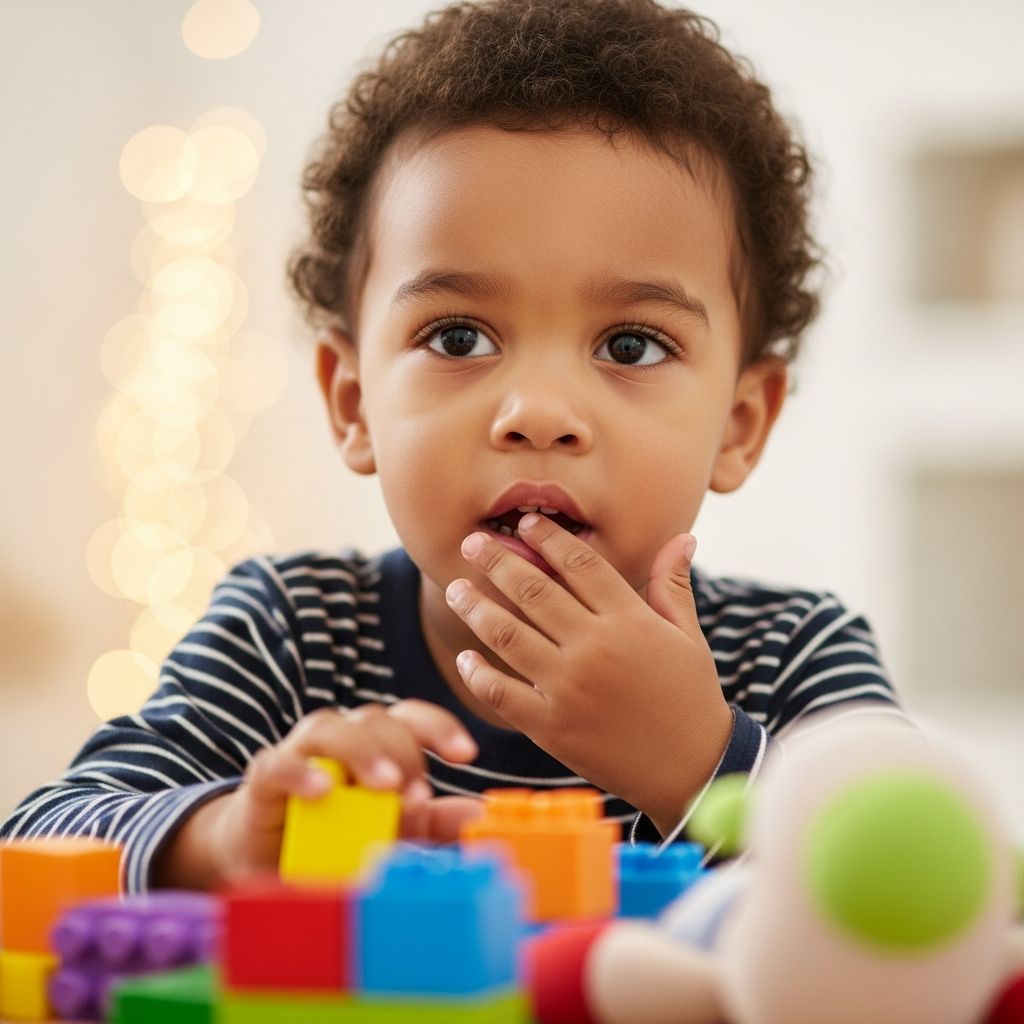
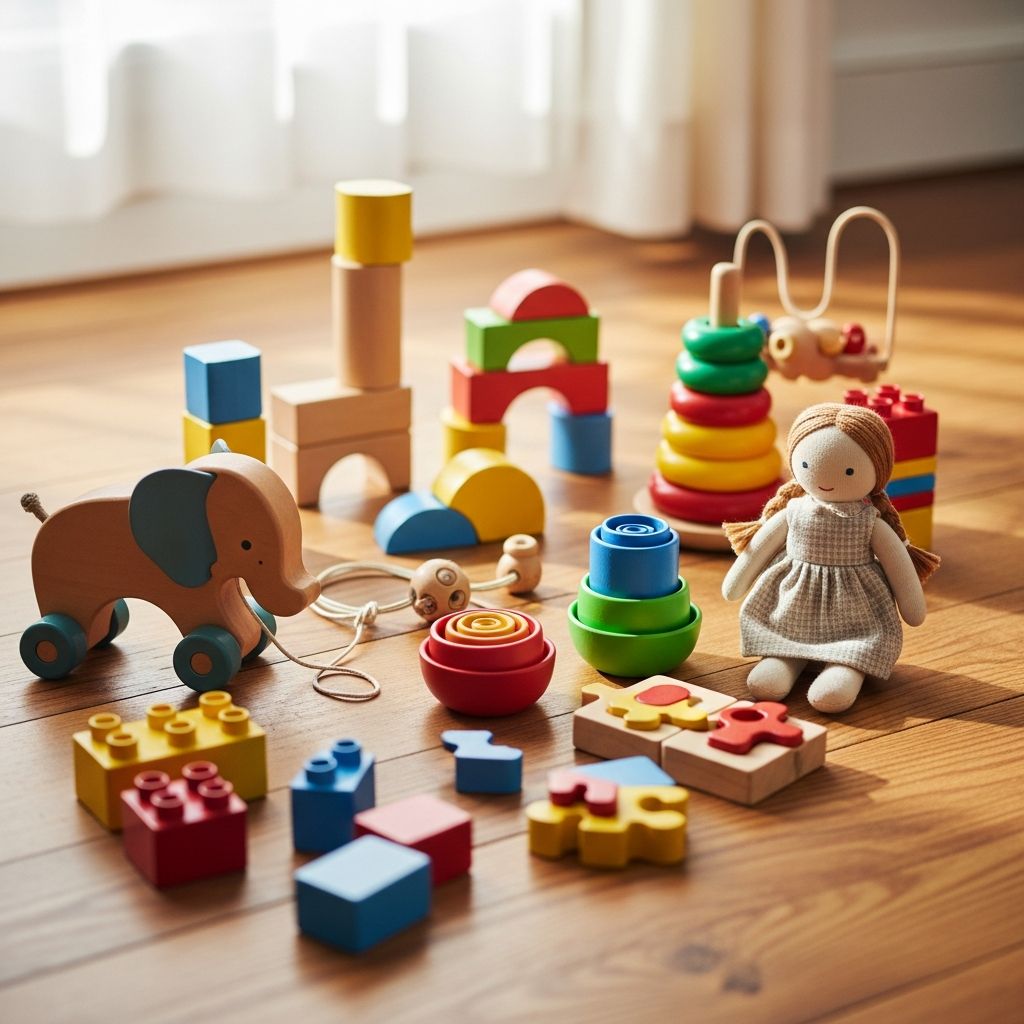
- Chunky building blocks: Ideal for stacking, knocking down, and learning basic shapes and balance.
- Push and pull toys: Encourage walking, coordination, and spatial awareness.
- Shape sorters and simple puzzles: Support hand-eye coordination and problem-solving.
- Soft dolls and stuffed animals: Early tools for comfort and first pretend stories.
Look for toys that can be used in more complex ways as your child approaches preschool, such as block sets that later become roads, zoos, or skyscrapers.
Preschool (3–5): Imagination Takes Center Stage
Between three and five, pretend play usually explodes. Classic toys that allow kids to act out stories are especially powerful.
- Pretend play sets: Toy food, play tools, or doctor kits for role-playing real-life scenarios.
- Basic board games: Very simple rules, short playtime, and strong visuals help kids learn how games work.
- Art and craft basics: Crayons, washable markers, child-safe scissors, and paper for open-ended creating.
- Wooden trains and vehicles: Combine fine motor, storytelling, and simple problem-solving (like track design).
Early School Age (6–9): Rules, Building, and Strategy
As children enter school, they are ready for more rules, multi-step projects, and true collaboration. Timeless toys at this stage add complexity without losing flexibility.
- More complex board and card games: Introduce strategy, planning ahead, and math skills like counting or probability.
- Advanced building sets: Smaller pieces, varied shapes, and challenges like bridges or towers.
- Beginner science kits: Simple, hands-on experiments that connect play with real-world phenomena.
- Outdoor classics: Jump ropes, balls, kites, and skates to build confidence and physical skills.
Tweens and Beyond (10+): Projects, Mastery, and Mentoring
Older kids still benefit from toys—they just look more like tools and complex games. Focus on items that offer challenge, mastery, and social connection.
- Strategic board games: Deeper rules, teamwork, and long-term planning.
- Model kits and advanced construction: Encourage patience, focus, and attention to detail.
- Creative media: More sophisticated art supplies, photography basics, or musical instruments.
- Cooperative challenges: Puzzle boxes, escape-room style games, and logic puzzles.
Building a Thoughtful, Long-Lasting Toy Collection
A timeless toy collection does not require a playroom full of stuff. A small set of versatile toys can carry children through many years of growth.
Choose Fewer, Better Toys
Parents increasingly report turning toward classic toys because they are durable, meaningful, and encourage creativity rather than quick distraction.
- Prioritize quality over quantity—one well-made construction set can beat five trendy gadgets.
- Favor materials that last, such as solid wood or thick, BPA-free plastic for younger children.
- Consider hand-me-down potential when buying new items.
Balance Independent Play and Family Play
Some toys are perfect for solo exploration; others shine when played with together. A healthy mix helps children practice both independence and connection.
- Independent play staples: Blocks, puzzles, art supplies, and model kits.
- Family favorites: Board games, cooperative building projects, and outdoor games.
Research on family play suggests that shared games and activities can strengthen communication and create routines that buffer stress.
Use Toys as a Screen-Time Counterweight
Health organizations recommend limiting recreational screen time for children and encourage regular, hands-on play instead. Having engaging, offline toys readily available makes those limits easier to keep.
- Keep a shelf or basket of screen-free options visible and easy to access.
- Offer a classic toy as the default transition after school or at the end of screen time.
- Join in for the first few minutes to “hook” kids into offline play.
Practical Tips for Parents and Caregivers
Turning the idea of timeless toys into daily reality is easier with a few simple habits.
- Rotate toys: Store some items out of sight and swap every few weeks. Toys feel new again without buying more.
- Follow your child’s lead: Pay attention to the types of play they return to—building, storytelling, movement—and invest in toys that deepen those interests.
- Keep instructions: For games and complex sets, keep booklets in labeled envelopes so they remain usable for years.
- Repair before replacing: Tighten screws, sand rough wood, and replace missing pieces when possible to extend a toy’s life.
Frequently Asked Questions (FAQs)
Q: How many toys does a child really need?
There is no perfect number, but research and educator experience suggest that too many toys can actually reduce the quality of play by overwhelming children with choice. A smaller, well-chosen collection of open-ended toys usually supports deeper focus and richer imagination.
Q: Are wooden toys really better than plastic toys?
Wooden toys are often praised because they are durable, repairable, and provide rich tactile feedback, which can support fine motor skills and sensory learning. Safe, sturdy plastic toys can also be valuable, especially for younger children who need easy-to-clean items. The key factor is how kids can use the toy, not just the material.
Q: How do I choose toys that siblings of different ages can share?
Look for open-ended toys with no fixed storyline or age-specific theme—such as building sets, costumes, art materials, and many board games. Older children can add complexity (taller towers, more detailed stories, advanced rules), while younger ones enjoy simpler versions of the same play.
Q: What if my child only wants electronic or branded toys?
You do not have to ban all character or electronic toys, but you can balance them with classic options. Introduce new traditional toys during relaxed times, play together at first, and connect them to your child’s interests (for example, building a castle for a favorite character). Over time, many kids come to appreciate the control and creativity that open-ended toys provide.
Q: How can I tell if a toy is developmentally appropriate?
Start with safety guidelines on age labels, then consider what the toy asks your child to do. A good fit offers just enough challenge to be interesting without constant adult rescue: pieces are the right size for their hands, rules can be understood with brief explanation, and your child can succeed with practice.
References
- The Timeless Appeal of Traditional Toys in a Tech-Driven World — Happi Bebe Blog. 2023-06-12. https://www.happibebe.com/blogs/blog/the-timeless-appeal-of-traditional-toys-in-a-tech-driven-world
- Classic & Traditional Toys for Babies | Wooden Baby Toys — Tiny Land. 2023-08-04. https://www.tinylandus.com/blogs/collections/classic-traditional-toys-for-babies-wooden-baby-toys
- Unplugged Play: Why Traditional Toys Matter in the Digital Age — KidKraft Blog. 2023-11-15. https://www.kidkraft.com/blogs/made-for-play/unplugged-play-traditional-toys-digital-age
- Childhood Toys That Shaped Generations of Imagination — Hannah’s Hope. 2022-09-30. https://www.hannahshope.org/news/childhood-toys-that-shaped-generations-of-imagination
- Why Wooden Toys? Unveiling the Benefits of Timeless Play — Hazel Baby & Kids Blog. 2023-05-10. https://www.hazelbaby.com/blogs/blog/why-wooden-toys-unveiling-the-benefits-of-timeless/
- The Timeless Benefits of Children Playing with Wooden Toys — The Original Toy Company. 2022-07-18. https://theoriginaltoycompany.com/blogs/toys-news-for-parents/the-timeless-benefits-of-children-playing-with-wooden-toys
- Why Parents are Turning to Classic Toys for Meaningful Gift Ideas — Toy Box Town. 2023-11-20. https://toyboxtown.com/blogs/building-blocks-toyboxtown-blog/why-parents-are-turning-to-classic-toys-for-meaningful-gift-ideas