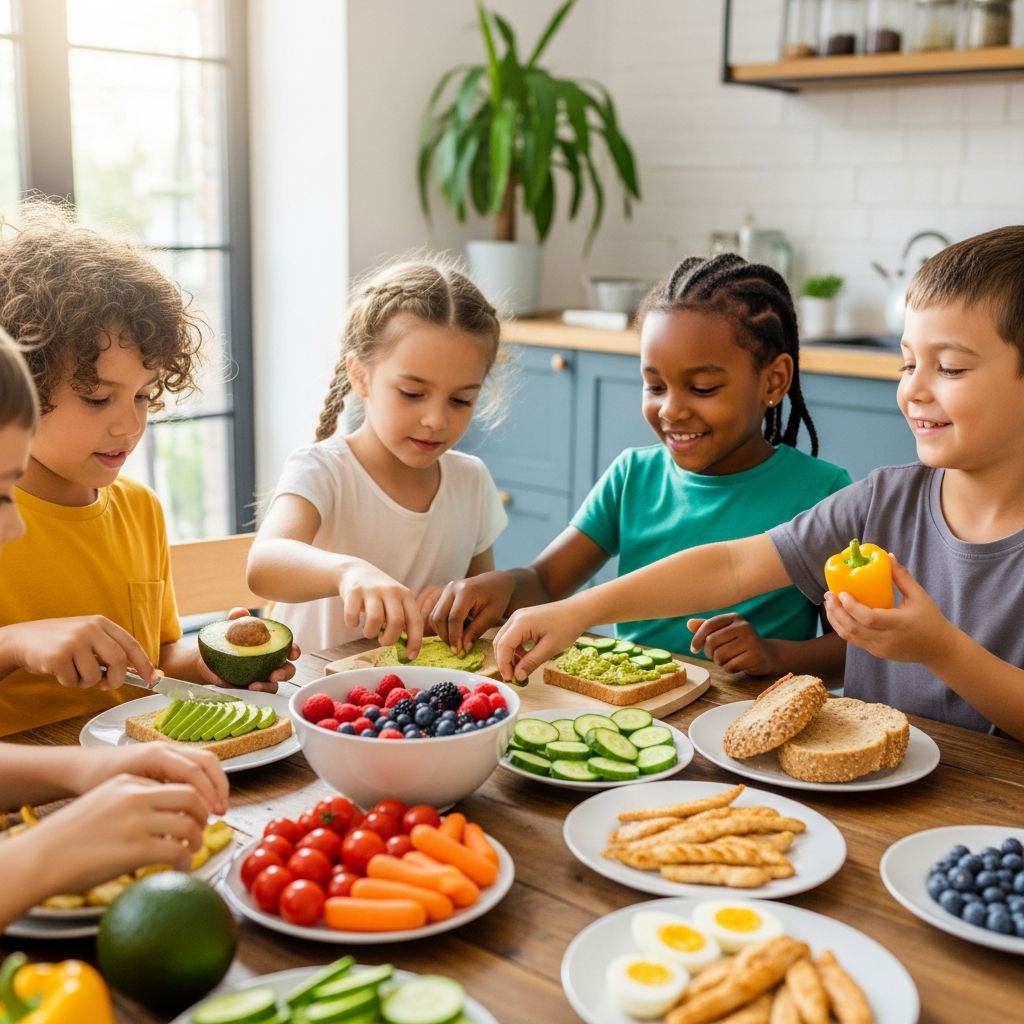
Establishing strong nutritional foundations during childhood sets the stage for lifelong health and wellness. Parents and caregivers play a pivotal role in shaping their children’s relationship with food, determining not only what they eat but also how they approach meals and snacking throughout their lives. This comprehensive guide explores evidence-based strategies for fostering balanced nutrition and positive eating behaviors across different developmental stages.
Understanding Your Child’s Nutritional Needs
Children require a diverse array of nutrients to support rapid growth, brain development, and physical activity. Unlike adults, whose nutritional needs remain relatively stable, children’s requirements evolve as they age and their bodies change. The foundation of healthy childhood nutrition rests on providing adequate calories, proteins, vitamins, minerals, and healthy fats in age-appropriate proportions.
Caloric needs vary significantly based on age, sex, and activity level. Toddlers and preschoolers typically need between 1,000 and 1,600 calories daily, while elementary-aged children require 1,200 to 2,000 calories depending on their growth patterns and exercise routines. As children approach adolescence, their nutritional demands increase substantially, with some teenagers needing upwards of 2,600 calories per day.
The Five Essential Food Groups
A well-rounded diet incorporates foods from multiple categories, each contributing unique nutritional benefits. Understanding these groups empowers parents to create balanced meals that provide comprehensive nutrition.
Whole Grains and Cereals
Grains form the foundation of a healthy diet, supplying energy and essential B vitamins. However, not all grain products offer equal nutritional value. Whole grains—including whole wheat bread, brown rice, oatmeal, and quinoa—contain fiber and additional nutrients that refined grains lack. Parents should prioritize making at least half of their child’s grain servings whole grain products. When examining food labels, look for “whole grain” listed as the first ingredient to ensure maximum nutritional benefit.
Fruits and Vegetables
Colorful produce provides vitamins, minerals, and phytonutrients essential for optimal health. Each meal should ideally include at least one fruit or vegetable serving. Encourage variety by rotating different produce throughout the week, including options from various color groups: deep oranges, vibrant reds, leafy greens, and purple hues. Fresh, frozen, and canned options all provide nutritional value; when selecting canned fruits, choose those packed in their own juice rather than syrup, and opt for low-sodium vegetable options.
Young children ages 2-4 need approximately 1 to 2 cups of vegetables daily and 1 to 1.5 cups of fruits. As children grow into elementary school years, vegetable intake increases to 1.5 to 2.5 cups daily, with fruit consumption expanding to 1 to 2 cups. Limiting juice intake is important, as whole fruits provide superior fiber content and satiety compared to fruit juice.
Protein Sources
Protein supports muscle development, immune function, and countless enzymatic processes. Quality protein sources include seafood, lean meats and poultry, eggs, legumes, soy products, and unsalted nuts and seeds. Fish deserves special emphasis as an excellent protein source rich in omega-3 fatty acids; introduce fish regularly as a main dish, preferring baked or grilled preparations over commercial fried options.
Toddlers require 2 to 5 ounces of protein daily, increasing to 3 to 6.5 ounces for older children and adolescents depending on age and sex. Plant-based proteins like beans and peas should rotate regularly into meal plans, offering nutritional variety alongside traditional animal proteins.
Dairy and Alternatives
Dairy products provide calcium, vitamin D, and protein crucial for bone development during the growing years. Children ages 1-8 need 2 cups of milk or equivalent dairy daily, while children ages 9-18 require 3 cups. Fat-free and low-fat options minimize saturated fat intake while maintaining nutritional benefits. For children with dairy sensitivities or allergies, fortified soy alternatives can provide comparable nutrition.
Practical Strategies for Introducing and Maintaining Nutritious Foods
Parents often encounter resistance when introducing new foods. This is developmentally normal; repeated exposure typically leads to acceptance. Continue offering rejected foods without pressure, as children may need multiple exposures before developing preference. Create an environment where nutritious options are visible and accessible. Keeping healthy foods on countertops and within children’s reach increases the likelihood of selection, while limiting the availability of less nutritious alternatives reduces temptation.
Begin each meal and snack by offering water and healthy foods first, before presenting less nutritious options. This sequence establishes priorities and ensures children consume nutrients before potentially filling up on empty calories.
Age-Specific Feeding Recommendations
Toddlers (Ages 2-4)
Toddlers benefit from meals and snacks that include foods from multiple groups. Each meal should incorporate 3 or more food groups, while snacks should combine at least 2 groups. Daily recommendations include 3 to 4 vegetable servings, 2 to 3 fruit servings, 3 to 5 grain servings (with half being whole grains), 3 servings of dairy products, and 2 to 3 protein servings.
Preschoolers (Ages 5-8)
Preschoolers expand their food exploration during these years, though selectivity remains common. Daily nutrition should include 1 to 2.5 cups of vegetables and 1 to 1.5 cups of fruits. Grain needs increase to 4 to 6 ounces daily with half being whole grain options. Maintain the practice of offering meals with 3 or more food groups and snacks combining 2 or more groups.
School-Age Children (Ages 9-13)
Elementary and middle school children require increased nutrition to support growth spurts and academic demands. Caloric needs range from 1,400 to 2,600 calories depending on age and sex, with corresponding increases in all food groups. Girls typically need slightly less than boys at comparable ages. At this stage, involving children in meal planning and preparation fosters independence and reinforces nutritional knowledge.
Establishing Healthy Mealtime Behaviors
Recognizing Hunger and Satiety Cues
Young children possess natural abilities to self-regulate caloric intake based on hunger signals. Avoid forcing children to finish meals when they express fullness, as this undermines their internal hunger recognition systems and may contribute to overeating patterns later. Children within healthy weight ranges should never be pressured to consume more than their bodies signal they need.
Avoiding Pressure and Control Dynamics
Pressuring children to eat or restricting foods often backfires, potentially creating negative associations with mealtimes or fostering secret eating behaviors. Instead, parents should establish the structure and content of meals while allowing children autonomy over consumption decisions. This balanced approach respects children’s internal signals while maintaining parental responsibility for food availability and meal planning.
Creating Family Eating Traditions
Family meals provide opportunities to model healthy choices and transmit cultural food traditions. Children who observe parents making nutritious selections—such as eating vegetables, choosing water over sugary beverages, and enjoying balanced meals—learn by example. Designating regular times for family dining, cooking meals together, and celebrating cultural food traditions strengthens both nutrition and family bonds.
Limiting Less Nutritious Options
While avoiding foods entirely can create forbidden fruit appeal, reducing availability of high-sugar and high-fat options influences overall consumption patterns. Limit added sugars in beverages and processed foods. Rather than purchasing sugary drinks, sodas, and heavily sweetened snacks, stock homes with water, milk, and whole foods. Restrict restaurant meals to once or twice weekly, emphasizing home-cooked options that allow greater control over ingredients and preparation methods.
Supporting Breakfast and Consistent Meals
Breakfast consumption significantly impacts children’s academic performance, energy levels, and overall nutrition. Ensure children eat breakfast daily, incorporating fruit when possible—such as topping cereal with seasonal fruit or adding bananas to pancakes. Consistent meal timing stabilizes blood sugar, reduces impulsive snacking, and supports concentration throughout the day.
Practical Daily Nutrition Guidelines
| Age Group | Daily Calories | Vegetables | Fruits | Grains | Protein | Dairy |
|---|---|---|---|---|---|---|
| Ages 2-4 | 1,000-1,600 | 1-2 cups | 1-1.5 cups | 3-5 oz | 2-5 oz | 2-2.5 cups |
| Ages 5-8 | 1,200-2,000 | 1.5-2.5 cups | 1-2 cups | 4-6 oz | 3-5.5 oz | 2.5 cups |
| Ages 9-13 | 1,400-2,600 | 1.5-3.5 cups | 1.5-2 cups | 5-9 oz | 4-6.5 oz | 3 cups |
Note: Specific caloric and portion needs vary based on individual growth patterns, activity level, and metabolism. Consult healthcare providers for personalized recommendations.
Common Mealtime Challenges and Solutions
Food Selectivity and Neophobia
Reluctance to try new foods peaks during preschool years but remains common throughout childhood. Continue offering rejected foods without pressure—children may need 10-15 exposures before developing preference. Involving children in food selection and preparation increases willingness to try new items.
Variable Daily Intake
Children’s appetite fluctuates from day to day; this variation is completely normal and healthy. Rather than focusing on meeting exact recommendations at each meal, aim for balanced nutrition across the entire week. Trust that consistent access to varied, nutritious foods will result in adequate overall nutrition despite day-to-day variations.
Managing Growth-Related Appetite Changes
Growth spurts trigger increased appetite, while slower growth periods reduce hunger. Responding flexibly to these natural fluctuations—rather than adhering to rigid portion sizes—respects children’s internal regulation systems.
Frequently Asked Questions
Q: How can I encourage my child to eat more vegetables?
A: Offer vegetables regularly without pressure, involve your child in selection and preparation, model vegetable consumption, and try different preparation methods. Keep trying—repeated exposure typically leads to acceptance.
Q: Should I be concerned if my child won’t finish their plate?
A: No. Pressuring children to finish meals undermines their natural hunger recognition. Children within healthy weight ranges should never be forced to eat more than their bodies indicate they need.
Q: What’s the best way to introduce new foods?
A: Introduce new foods without overall nutritional value should be avoided. Instead, focus on new nutrient-dense foods and offer them repeatedly alongside familiar options, without forcing consumption.
Q: How often should my family eat meals together?
A: Regular family meals support healthy eating habits and provide opportunities to model nutritious choices. Aim for frequent family dining times, though consistency matters more than frequency.
Q: Are frozen and canned vegetables as nutritious as fresh?
A: Yes. Frozen and canned vegetables retain nutritional value. When selecting canned options, choose those lower in sodium to minimize salt intake.
References
- Dietary Recommendations for Healthy Children — American Heart Association. Accessed January 17, 2026. https://www.heart.org/en/healthy-living/healthy-eating/eat-smart/nutrition-basics/dietary-recommendations-for-healthy-children
- Ages 2-8 Feeding Recommendations — Healthy Eating Research. Accessed January 17, 2026. https://healthyeatingresearch.org/tips-for-families/ages-2-8-feeding-recommendations/
- Help Your Child Build a Healthy Eating Routine — U.S. Department of Agriculture Dietary Guidelines. December 2021. https://www.dietaryguidelines.gov/sites/default/files/2021-12/DGA_KidsTeens_FactSheet-508c.pdf
- Nutrition for kids: Guidelines for a healthy diet — Mayo Clinic. Accessed January 17, 2026. https://www.mayoclinic.org/healthy-lifestyle/childrens-health/in-depth/nutrition-for-kids/art-20049335
- Healthy Eating for Children — Kaiser Permanente Health Engagement. Accessed January 17, 2026. https://healthengagement.kaiserpermanente.org/wp-content/uploads/mh0749e-healthy-eating-for-children.pdf
- Nutrition Information for Kids — MyPlate. U.S. Department of Agriculture. Accessed January 17, 2026. https://www.myplate.gov/life-stages/kids