The Contemporary Evolution of Tie-Dye as a Fashion Essential
Fashion cycles are inevitable, yet certain aesthetics possess an uncanny ability to resurface with renewed relevance and sophistication. Tie-dye, once synonymous with countercultural rebellion and bohemian festivals, has undergone a remarkable transformation in recent years. What was once relegated to casual summer wear and music festival attire has now established itself as a legitimate component of contemporary wardrobes across diverse demographics. The resurgence of tie-dye in 2026 represents far more than mere nostalgia; it reflects a fundamental shift in how consumers approach personal style, sustainability, and self-expression through clothing.
The current iteration of tie-dye diverges significantly from its predecessor. Where previous decades embraced loud, unapologetic color combinations and bold patterns, today’s consumer gravitates toward refined interpretations that seamlessly integrate into everyday outfits. This evolution demonstrates the fashion industry’s capacity to honor heritage while simultaneously embracing contemporary sensibilities and modern lifestyle demands.
Understanding the Historical Context and Cultural Significance
To appreciate the current tie-dye phenomenon, one must first understand its historical roots and the reasons behind its enduring cultural resonance. During the 1960s counterculture movement in the United States, tie-dye transcended mere textile decoration and became a visual manifestation of social rebellion and artistic freedom. Musicians and artists embraced the vibrant, handmade aesthetic as a rejection of mass production and conformity. Iconic figures associated with this movement transformed tie-dye into a statement of individuality and non-conformity, embedding it within popular consciousness as a symbol of creative liberation.
The technique itself, however, existed long before its adoption by Western counterculture movements. Traditional dyeing methods such as Shibori, originating from Japan, demonstrate that tie-and-dye techniques have ancient roots in various cultures worldwide. This historical depth adds legitimacy to the contemporary resurgence, positioning tie-dye not merely as a fleeting trend but as a craft with centuries of artistic tradition and cultural significance.
The Catalyst Behind Tie-Dye’s Resurgence in Modern Fashion
Several interconnected factors have converged to fuel tie-dye’s return to mainstream fashion consciousness. First among these is the global shift toward sustainable and ethically produced clothing. As consumers become increasingly conscious of environmental impact and labor practices, handmade and naturally dyed garments hold particular appeal. Tie-dye represents an opportunity for brands and individual creators to produce unique pieces using time-honored techniques, often incorporating natural dyes that minimize ecological footprint.
Additionally, the rise of personalized fashion and individual expression has created ideal conditions for tie-dye’s renaissance. Contemporary consumers, particularly younger demographics, prioritize authenticity and uniqueness in their wardrobes rather than strictly adhering to homogeneous trend cycles. Tie-dye, with its infinite variations and handmade nature, offers precisely this differentiation. No two tie-dye pieces are identical, allowing wearers to cultivate distinctive personal aesthetics.
Social media platforms have also played an instrumental role in popularizing tie-dye across global audiences. The visual nature of platforms such as Instagram and TikTok makes colorful, photogenic fashion choices particularly shareable, organically amplifying the trend’s reach and influence. Influencers and celebrities adopting sophisticated tie-dye looks have normalized the aesthetic within aspirational fashion circles.
The Shift Toward Refined Color Palettes and Sophisticated Design
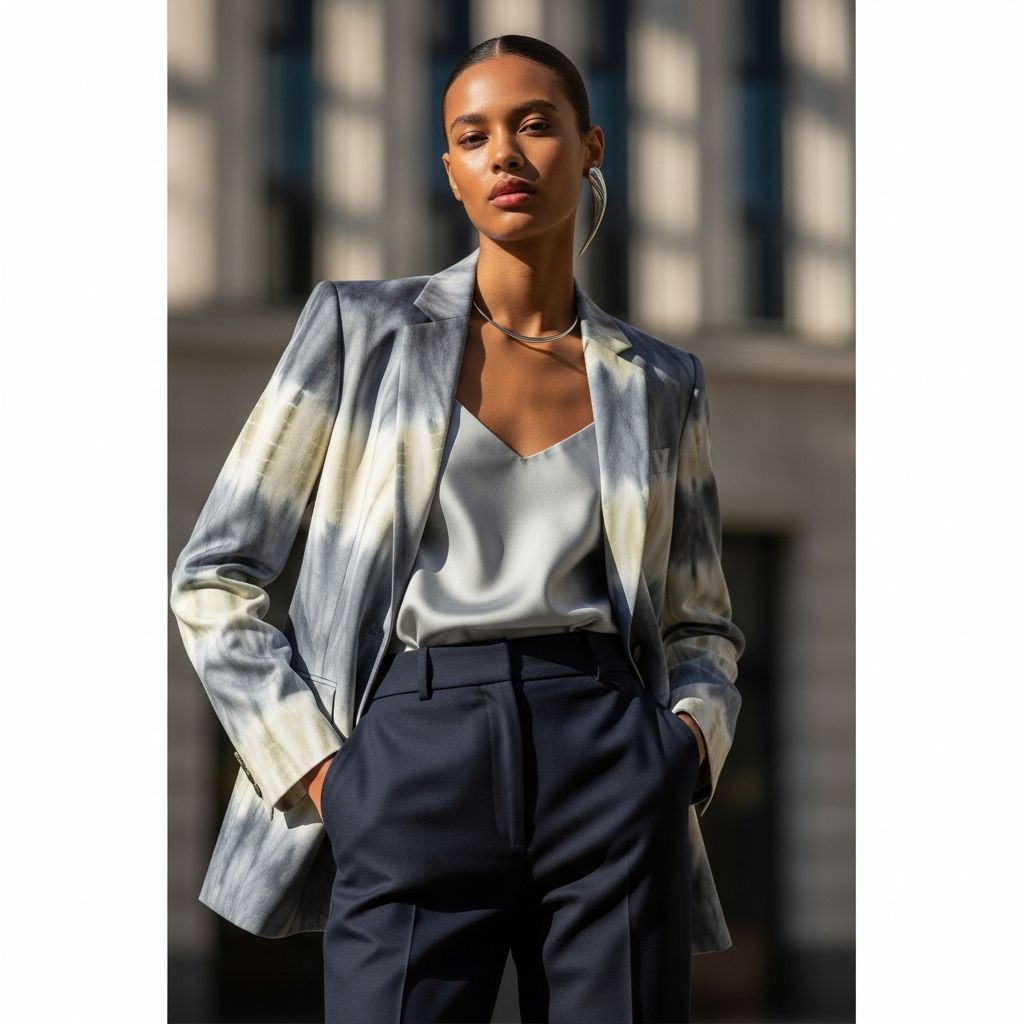
Perhaps the most significant departure from historical tie-dye iterations is the contemporary embrace of muted, sophisticated color combinations. Where the 1960s celebrated psychedelic rainbow explosions, modern tie-dye predominantly features earthy tones including sage green, charcoal, mauve, soft lavender, and warm sand hues. These restrained palettes create visual sophistication while maintaining the playful aesthetic inherent to the technique.
This chromatic evolution reflects broader design trends emphasizing quiet luxury and understated elegance. Muted tie-dye pieces integrate seamlessly into contemporary wardrobes dominated by neutral basics and minimalist silhouettes. A soft ombre tie-dye garment in earthy tones presents far fewer styling challenges than its vibrant predecessors, making the aesthetic accessible to consumers who appreciate the technique but require versatility in their clothing selections.
Beyond color considerations, contemporary tie-dye techniques demonstrate remarkable sophistication. Advanced methods including ice dyeing and airbrushing produce intricate, gallery-worthy designs that elevate the craft into wearable art territory. When combined with premium fabrics such as linen and hemp, these artistic approaches create luxury garments that justify premium price points and appeal to upscale consumer segments.
Garment Categories Embracing the Tie-Dye Aesthetic
The diversity of tie-dye applications in contemporary fashion reflects the trend’s versatility and broad appeal. Tie-dye has transcended traditional t-shirt associations and now appears across an extensive range of garment categories, each offering distinct styling possibilities and use cases.
- Elevated Loungewear: Soft, comfortable pieces designed for home environments and casual outings, often featuring muted color combinations and relaxed silhouettes that prioritize comfort without sacrificing style consciousness.
- Athleisure Collections: Performance-oriented tie-dye garments including leggings, shorts, and matching sets that blur boundaries between activewear and casual fashion, appealing to consumers seeking functionality combined with aesthetic appeal.
- Statement Outerwear: Jackets, cardigans, and layering pieces in premium fabrics that serve as focal points within outfits, offering elevated interpretations of the trend.
- Flowing Dresses and Kaftans: Bohemian-inspired silhouettes that maintain the movement and fluidity associated with vintage tie-dye while incorporating contemporary design elements and refined color palettes.
- Accessory Items: Hats, bags, scarves, and smaller items that allow conservative consumers to experiment with tie-dye aesthetics in manageable doses.
- Home Textiles: Beyond apparel, tie-dye has extended into interior design with decorative pillows, throws, table linens, and wall hangings that bring artisanal character to living spaces.
Sustainable Practices and Eco-Conscious Manufacturing
The intersection of tie-dye production and sustainability represents a crucial component of the trend’s contemporary appeal and longevity. Traditional tie-dye methodology aligns naturally with slow-fashion principles and environmental consciousness. The handmade nature of the process, combined with the potential for natural dye utilization, positions tie-dye as an inherently sustainable fashion choice relative to mass-manufactured alternatives.
Natural dyeing techniques using plant-based materials, mineral compounds, and other organic sources dramatically reduce the environmental impact associated with synthetic dyes. Furthermore, tie-dye production frequently incorporates fabric upcycling, transforming vintage or surplus textiles into new, desirable garments. This practice addresses fashion industry waste while creating unique, limited-edition pieces that appeal to environmentally conscious consumers.
The rising consumer demand for sustainable fashion options has created economic incentives for designers and manufacturers to prioritize tie-dye production. Brands positioning themselves as eco-friendly and socially responsible increasingly feature tie-dye prominently within their collections, leveraging both the aesthetic appeal and sustainability narrative to differentiate themselves within competitive markets.
Styling Guidance for Contemporary Tie-Dye Integration
Successfully incorporating tie-dye into modern wardrobes requires strategic consideration of color combinations, garment pairings, and overall aesthetic coherence. The following approaches provide practical frameworks for styling tie-dye pieces across diverse occasions and personal style preferences.
Minimalist Integration: Pair soft, muted tie-dye pieces with neutral basics including black, white, cream, and gray garments. This approach maintains visual interest while preserving the sophisticated, understated aesthetic that characterizes contemporary style sensibilities. Muted tie-dye leggings paired with oversized neutral sweaters exemplify this balanced approach.
Monochromatic Exploration: Select tie-dye pieces featuring limited color ranges that align with existing wardrobe foundations. Charcoal tie-dye coordinates seamlessly with cool-toned basics, while sage and earth-toned options complement warm-neutral palettes.
Athleisure Coordination: Create cohesive loungewear sets by pairing matching tie-dye pieces with contemporary sneakers, minimal jewelry, and structured bags. This approach leverages tie-dye’s casual origins while maintaining refined presentation appropriate for public spaces.
Statement Accessorization: Utilize tie-dye accessories including bags, scarves, and hats as focal points within otherwise neutral outfits. This strategy allows consumers to experiment with the aesthetic in manageable quantities while maintaining overall outfit coherence.
Premium Interpretations and Luxury Market Positioning
High-end fashion designers have recognized tie-dye’s potential within luxury markets, collaborating with master artisans to produce sophisticated interpretations that justify premium positioning. Luxury tie-dye garments frequently feature exceptional fabrics including Italian linens, organic cottons, and silk blends that elevate the aesthetic beyond casual association. Innovative dyeing techniques produce intricate patterns and refined color transitions that demonstrate technical mastery and artistic intentionality.
Premium tie-dye pieces often incorporate additional design elements including architectural silhouettes, strategic layering, and unexpected fabric combinations that transform the tie-dye foundation into fashion-forward statement pieces. This positioning appeals to affluent consumers seeking distinctive, artisanal items that differentiate their wardrobes while maintaining sophisticated aesthetic sensibilities.
Data-Driven Insights Regarding Contemporary Tie-Dye Demand
Market research and consumer data provide empirical support for tie-dye’s sustained relevance within contemporary fashion landscapes. Fashion analytics demonstrate that search interest in tie-dye has remained consistently robust since 2020, without substantial decline. Simultaneously, research from major fashion analytics firms reveals that loungewear collections featuring soft dye patterns have experienced year-over-year growth exceeding 20 percent as consumers prioritize comfortable yet visually interesting everyday options.
Demographic analysis indicates that over 60 percent of Gen Z consumers prioritize clothing facilitating personal identity expression, a preference particularly well-served by tie-dye’s inherent uniqueness and customizable nature. This data suggests that tie-dye appeals not merely to nostalgic demographics but increasingly to younger consumers discovering the aesthetic through contemporary interpretations.
Frequently Asked Questions Regarding Tie-Dye Fashion
Q: How can I style tie-dye without appearing costume-like or overly casual?
A: Select muted, sophisticated tie-dye pieces and pair them with neutral basics, premium fabrics, and minimal accessories. Elevated loungewear and athleisure in earth tones integrate seamlessly into contemporary wardrobes while maintaining refined aesthetics.
Q: Are there specific tie-dye colors trending in 2026?
A: Sage green, charcoal, mauve, lavender, and sand tones dominate contemporary tie-dye selections. These muted palettes coordinate easily with existing wardrobes and create sophisticated visual presentations.
Q: Can tie-dye be worn to professional environments?
A: Contemporary tie-dye jackets, cardigans, and structured pieces can function within business-casual settings when featuring sophisticated silhouettes and muted color combinations. Pair these items with tailored basics to maintain professional appropriateness.
Q: How do I care for tie-dye garments to preserve color vibrancy?
A: Wash tie-dye pieces in cold water using gentle cycles, dry clean when possible for premium items, and avoid excessive heat exposure. Hand-washing prolongs color longevity significantly.
Q: Are tie-dye pieces genuinely sustainable?
A: Handmade tie-dye using natural dyes represents significantly more sustainable production methods compared to mass-manufactured alternatives. However, sustainability depends on specific production practices, so research individual brands and artisans.
Conclusion: Tie-Dye as Enduring Fashion Staple
The contemporary resurgence of tie-dye represents far more than superficial trend cycling. Rather, it reflects evolved consumer consciousness regarding sustainability, individual expression, and authentic craftsmanship within fashion systems. By transcending its countercultural origins and embracing sophisticated interpretations, tie-dye has positioned itself as a legitimate, enduring wardrobe component rather than a nostalgic aberration.
The aesthetic’s flexibility, sustainability alignment, and capacity for artistic innovation ensure its continued relevance within diverse fashion contexts. Whether approached through premium designer interpretations, accessible athleisure collections, or artisanal handmade pieces, tie-dye offers contemporary consumers meaningful opportunities for self-expression while honoring the technique’s rich historical and cultural legacy.
References
- Tie Dye Takes Over: A Fashion Favourite in 2026 — Nuichan. 2026. https://www.nuichan.com/blogs/news/tie-dye-takes-over-a-fashion-favourite-in-2026
- Is Tie Dye Still in Style in 2026? — ododos. 2026. https://ododos.co/pages/is-tie-dye-still-in-style-in-2026
- Best Tie Dye Shirt Styles in 2026: A Visual Guide to Classic & Modern Designs — TiedyedShop. 2026. https://www.tiedyedshop.com/best-tie-dye-shirt-styles-in-2026—visual-guide-to-popular-patterns.html