Potty training a 21-month-old can feel like a strange mix of excitement, pressure, and uncertainty. Your toddler seems so capable one day and completely uninterested the next. This guide walks through how to approach early potty training in a calm, flexible way that respects your child’s pace and your own sanity.
Is 21 Months Too Early for Potty Training?
Many toddlers begin to show interest in the potty somewhere between 18 and 30 months, but there is a wide range of normal. Age alone does not tell you whether your child is ready; their behavior, communication, and comfort level are more important than the number on the calendar.
For some 21-month-olds, potty training will mean gentle exposure and practice rather than a rapid transition out of diapers. Thinking of this season as “potty learning” instead of “potty training” can lower the pressure for everyone involved.
Readiness Clues to Watch For
Before launching into a structured plan, observe your toddler over a few days or weeks. Small everyday behaviors often tell you more about readiness than any checklist. Look for patterns rather than perfection; a few consistent signs are usually enough to start experimenting.
- Physical readiness: Your child stays dry for longer stretches, has more predictable bowel movements, and can walk steadily to another room.
- Motor skills: They can sit down and stand up independently, and they are starting to manage simple clothing like pulling pants up or down with help.
- Communication: They can show or say when they are wet, dirty, or about to go, even if they use simple words, signs, or gestures.
- Awareness: They pause during play, hide to poop, or look uncomfortable when their diaper is soiled.
- Interest: They watch you in the bathroom, want to flush, or ask to sit on the potty for fun.
Not every box has to be checked. If your toddler shows some of these signs but not all, you can still begin low-pressure exposure and see how they respond.
Setting Realistic Goals for This Age
With a 21-month-old, the aim is usually to build familiarity and positive associations, not to achieve instant full-time dryness. A slow, responsive approach now can prevent power struggles later and support your child’s emerging independence.
Think in terms of stages rather than a single finish line. The shift from diapers to reliable potty use typically includes many small wins, some backtracking, and lots of repetition.
| Parent Expectation | More Realistic View |
|---|---|
| “We’ll be done with diapers in a long weekend.” | Early potty learning may take weeks or months of on-and-off practice before consistent success. |
| “If they sit once and pee, they’re trained.” | One success shows possibility, not permanence; toddlers need many repetitions and reminders. |
| “Accidents mean it’s not working.” | Accidents are information and part of the process, especially at this young age. |
| “Once we start, we can’t go back.” | Pausing and trying again later is allowed and often helpful if stress levels climb. |
Creating a Potty-Friendly Environment
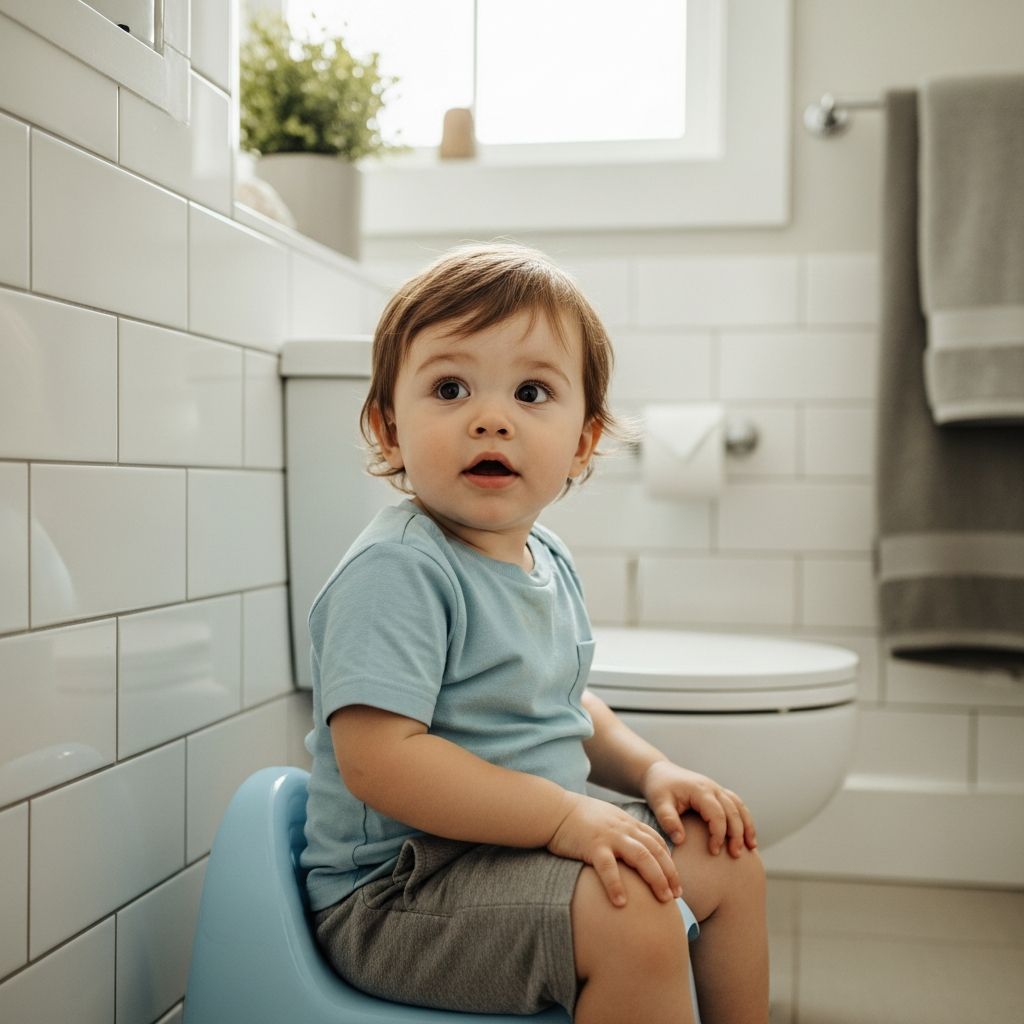
Making the bathroom feel safe and accessible helps your toddler feel more in control. At 21 months, the setup should invite curiosity and participation without forcing anything. Small tweaks to the environment can significantly cut down on resistance.
- Choose a child-friendly seat: Use either a floor potty chair or a toddler seat on the big toilet with a secure step stool.
- Keep everything within reach: Place wipes, toilet paper, a basket of spare underwear or diapers, and a small trash can where your child can see them.
- Add simple visuals: A short picture sequence (sit, pee/poop, wipe, flush, wash) can help young toddlers understand the routine.
- Make it cozy: Consider a familiar book, a small toy, or a special song only used during potty time to create a positive association.
A Gentle Step-by-Step Approach
No single method works for every 21-month-old. Instead of committing to a rigid program, think of these steps as a menu of options you can adjust. Move forward when things feel smooth, and slow down if either of you feels overwhelmed.
Step 1: Introduce the Idea Casually
Start by treating the potty as a normal household item, not a big test. Let your toddler explore it: touch it, sit on it with clothes on, or place a stuffed animal on it while you talk about what it’s for in simple, cheerful language.
- Keep early sessions very short—seconds or a minute, not long sits.
- Use neutral language if nothing happens: “All done, we’ll try again another time.”
- Avoid asking, “Do you want to?” if the automatic answer is always “no.” Instead, gently announce: “It’s potty time, then we’ll read a book.”
Step 2: Pair Potty Time with Predictable Moments
Many toddlers have regular times when they usually pee or poop, such as after waking, after meals, or during bath time. Linking short potty sits to these natural rhythms increases the odds of success without long waits.
- Try sitting on the potty after naps or before the bath, when diapers are already coming off.
- If your child is engrossed in play, give a simple warning: “Two more blocks, then potty.”
- Celebrate the routine itself (sitting down, trying) rather than just the result.
Step 3: Explore Bare-Bottom or Training-Pant Time
Some families find that limited bare-bottom time or using cloth trainers at home helps toddlers connect the feeling of needing to go with the actual event. The goal is not to create messes, but to make the sensation more noticeable.
- Choose a small, easy-to-clean area of the home for this experiment.
- Offer frequent potty reminders but skip pressure or scolding if accidents occur.
- If your child becomes upset about messes, return to diapers and try again another week.
Step 4: Encourage Communication in Any Form
At 21 months, language is still emerging, so signals might be subtle. Help your toddler practice ways to tell you they need a diaper change or a trip to the potty, using whatever method feels most natural to them.
- Offer simple words like “pee,” “poop,” or “potty,” or teach a sign or gesture.
- Respond quickly when they communicate, even if it’s “too late,” to show that you value their effort.
- Describe what’s happening in straightforward terms: “You’re peeing; pee goes in the potty.”
Step 5: Practice Parts of the Routine Separately
Using the potty is actually several skills combined: undressing, sitting, eliminating, wiping, flushing, and washing hands. Breaking the process into smaller tasks can make it less overwhelming for a young toddler.
- Let them practice pulling pants up and down during diaper changes or dressing.
- Invite them to flush or wash their hands even after diaper changes, linking hygiene to bathroom time.
- Use playful language like “Let’s give the pee a place to go,” rather than demands or threats.
Supporting Your Child’s Emotions
Potty training is not just a physical skill; it is also an emotional milestone. Toddlers may feel proud, curious, embarrassed, or even frightened about letting go of what their body produces. Responding to those feelings with patience matters just as much as the technical steps.
- Normalize all feelings: If your child seems scared of flushing or sitting, acknowledge it: “It feels new. We can go slowly.”
- Avoid shaming: Replace “Yuck, that’s gross” with neutral descriptions and reassurance that everyone pees and poops.
- Use encouragement, not pressure: Specific praise like “You told me you had to go—that was helpful” builds confidence.
Common Challenges with 21-Month-Olds
Even with a thoughtful plan, challenges are almost guaranteed. Young toddlers are still mastering self-control, understanding instructions, and handling big feelings, so setbacks do not mean you did anything wrong or that your child will never train.
Lots of Accidents
Frequent accidents can simply mean your child has not yet linked the internal sensation with the action of going to the potty. It may also mean the schedule of reminders is not aligned with your child’s natural rhythm.
- Gently involve your child in cleanup if they are calm, but do not punish or scold.
- Notice patterns—same time of day, same activity—and adjust when you offer potty breaks.
- If accidents cause significant stress for either of you, it is okay to pause and return to diapers fully for a while.
Refusal to Sit
Refusing to sit is often about control, not defiance. Toddlers are wired to assert independence, and the bathroom is an easy place for them to draw a line. Forcing the issue tends to backfire and create more resistance.
- Offer simple choices: “Small potty or big toilet?” instead of “Potty or no potty?”
- Shorten the expectation: “Two songs, then all done,” so they know there is an end.
- Take a complete break from asking for a few days if every request ends in a meltdown.
Confusing Progress
Many parents see early wins—like a few successful pees on the potty—then a sudden regression. This roller coaster is typical, especially for children who start young. Interest naturally waxes and wanes as other developmental leaps take priority.
- Celebrate effort, not streaks; count each success on its own rather than expecting a permanent shift.
- Stay consistent with simple routines (like sitting before bath) even during off weeks.
- Trust that skills learned now do not disappear; they just go “quiet” while your child focuses on other growth.
Parent Mindset: Letting Go of Pressure
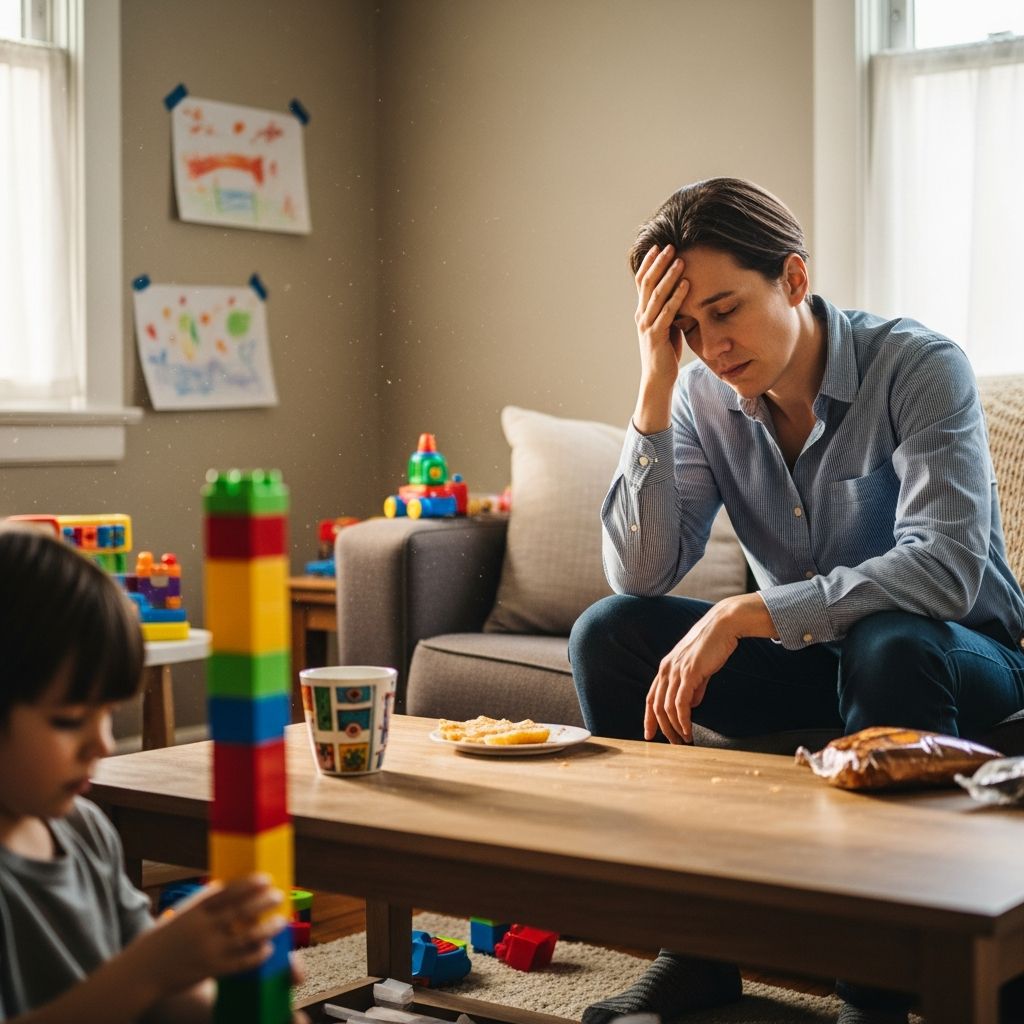
External timelines—from daycare policies, relatives’ comments, or social media comparisons—can make parents feel rushed. When you feel pressured, it is easy to pass that tension on to your child without realizing it. Giving yourself permission to move at your family’s pace can make the entire process more peaceful.
- Remind yourself that potty training is not a measure of your worth as a parent or your child’s intelligence.
- Notice when your tone turns urgent or anxious, and take a break if needed.
- Focus on connection: eye contact, gentle touch, and calm explanations help your toddler feel safe in this new skill.
Frequently Asked Questions
How long should potty training take at 21 months?
There is no standard timeline at this age. Some toddlers catch on within a few weeks of consistent practice, while others need intermittent attempts over many months before they prefer the potty to diapers most of the time. The process is more like learning a new language than flipping a switch.
What if my 21-month-old has no interest at all?
If your child shows zero curiosity—even toward flushing, sitting clothed, or watching you in the bathroom—treat this as feedback rather than failure. Keep offering low-key exposure and modeling, then try gentle invitations again in a month or two. Forcing early training usually leads to more resistance, not faster success.
Should I use rewards like stickers or treats?
Small rewards can be motivating for some toddlers, but they are not essential, especially this young. If you choose to use them, keep them simple and temporary, and pair them with lots of verbal encouragement. The goal is for your child to eventually feel proud of the skill itself, not just the prize.
What about nighttime training?
Staying dry at night depends heavily on bladder development and sleep patterns, which often mature later than daytime skills. For most families of 21-month-olds, focusing on daytime comfort and familiarity is enough. Many children continue wearing diapers or training pants at night long after they are mostly dry during the day.
When should I consider pausing potty training?
It can be wise to pause if your child is consistently distressed, holding urine or stool, or having major behavior changes around the bathroom. Major life transitions—such as a new sibling, a move, or starting daycare—are also times when backing off for a few weeks can help. You can always return to the process later with fresh energy and more maturity on your child’s part.
Key Takeaways for Potty Training a 21-Month-Old
- Look for readiness signs in your child’s behavior, not just their age.
- Introduce the potty gently and gradually, keeping expectations flexible.
- Break the skill into small, manageable steps and celebrate each one.
- Respond to accidents and reluctance with calm curiosity rather than pressure.
- Give yourself permission to pause and try again later if the process becomes stressful.
With realistic expectations, a sense of humor, and a focus on connection, potty training a 21-month-old can become less of a battle and more of a shared learning experience for both of you.