Understanding Your Child’s Thyroid Function
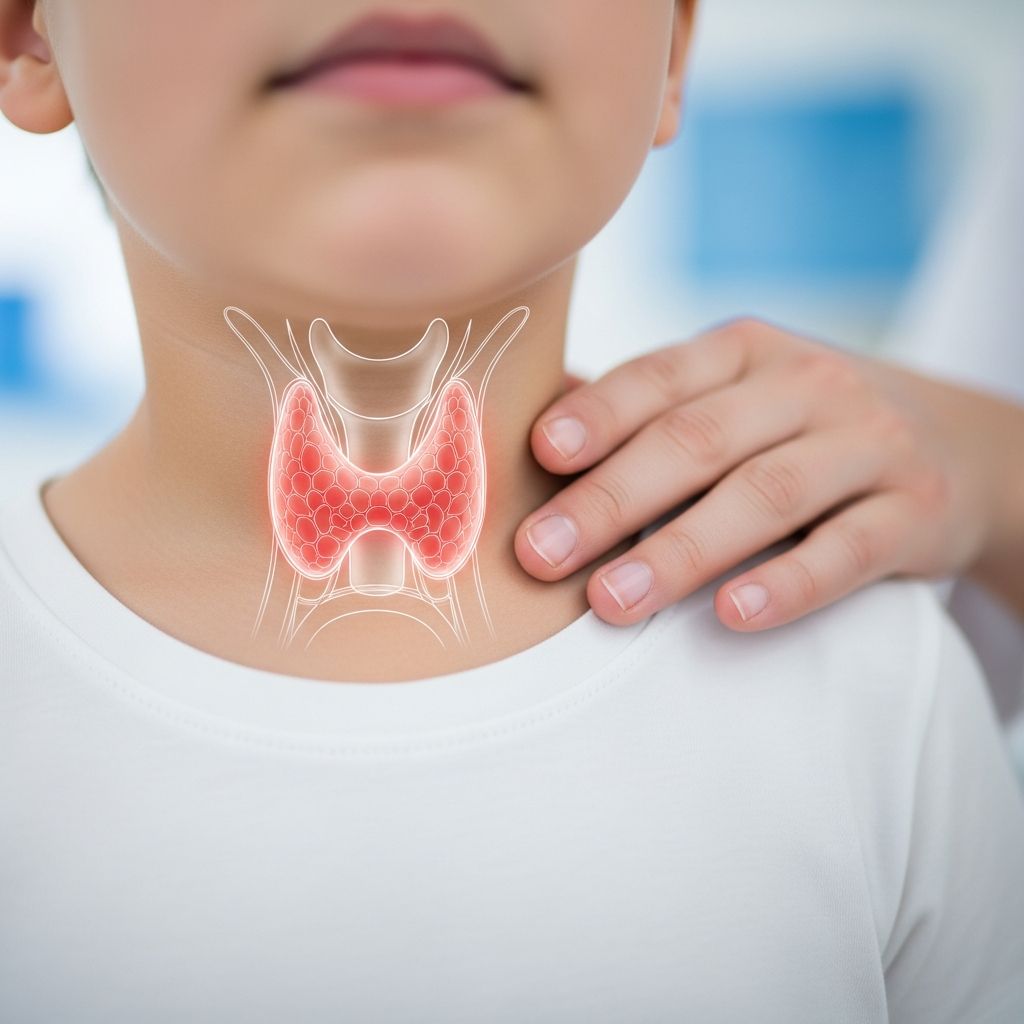
The thyroid is a small, butterfly-shaped gland located in the neck that plays a crucial role in regulating your child’s growth, metabolism, and overall development. This gland produces hormones that control how quickly the body uses energy and maintains body temperature. When the thyroid functions properly, it releases the right amount of hormones into the bloodstream, allowing your child to grow at a normal rate and maintain healthy energy levels. However, when thyroid function becomes disrupted, it can significantly impact your child’s physical growth, cognitive development, and emotional well-being.
Thyroid disorders are more common in children than many parents realize. These conditions fall into two main categories based on hormone production levels: conditions where the thyroid produces too little hormone and conditions where it produces too much. Understanding the differences between these disorders is essential for early detection and appropriate treatment.
Recognizing Low Thyroid Hormone Production
When the thyroid gland fails to produce adequate amounts of thyroid hormone, a condition called hypothyroidism develops. This slows down the body’s metabolism, affecting virtually every system. In infants, hypothyroidism can be congenital, meaning the baby is born with it. Fortunately, newborn screening programs test for this condition immediately after birth, allowing early intervention before symptoms become severe.
Children with hypothyroidism typically develop symptoms gradually, which is why many cases go unnoticed initially. Parents may attribute these changes to normal childhood development or assume they’re unrelated to thyroid function. Common indicators include:
- Persistent fatigue and low energy levels that seem disproportionate to activity level
- Unexplained weight gain despite normal eating habits and exercise
- Slower growth rate compared to peers, potentially resulting in shorter stature
- Constipation that doesn’t respond well to dietary changes
- Dry skin and brittle, coarse hair that may thin over time
- Cold sensitivity, with the child frequently feeling chilly in normal temperatures
- Difficulty concentrating and mental fog affecting academic performance
- Delayed development of permanent teeth and delayed puberty in adolescents
- Mood changes, including depression or withdrawn behavior
- Hoarse voice or puffy facial features
In infants specifically, hypothyroidism may present differently, with signs including poor feeding, inadequate weight gain, yellowing of the skin and eyes, constipation, poor muscle tone, hoarse crying, and an enlarged tongue. When congenital hypothyroidism goes untreated, even mild cases can cause severe developmental delays and intellectual impairment.
Identifying Overactive Thyroid Conditions
Hyperthyroidism occurs when the thyroid produces excessive amounts of thyroid hormone, accelerating metabolism throughout the body. This condition is less common than hypothyroidism in children but requires prompt attention. The most frequent cause is Graves’ disease, an autoimmune condition where the body produces antibodies that overstimulate thyroid hormone production. Other causes include thyroid inflammation and thyroid nodules.
Children with hyperthyroidism typically exhibit signs of an overactive system:
- Unexpected weight loss despite maintaining a good appetite or eating more than usual
- Accelerated growth and development compared to age-matched peers
- Rapid or irregular heart rate that parents or providers may notice
- Heat sensitivity, with the child feeling warm when others are comfortable
- Increased sweating beyond what’s expected for activity level
- Hand tremors, particularly noticeable when the child extends their arms
- Difficulty concentrating, despite adequate sleep
- Emotional changes including irritability, anxiety, or hyperactivity
- Sleep disturbances and restlessness at night
- Diarrhea or loose stools
- Enlarged thyroid gland visible as a bulge in the neck
Hyperthyroidism is more prevalent in adolescents and females than in young children or males. If your child has Graves’ disease, additional symptoms may develop involving the eyes, a manifestation called Graves’ eye disease. These eye symptoms can include redness, pain, bulging appearance, sensitivity to light, dryness, and double vision. In rare cases, untreated hyperthyroidism can progress to a life-threatening condition called thyroid storm, characterized by extremely high fever, severe dehydration, rapid heart rate, and confusion requiring emergency care.
How Thyroid Disorders Impact Development
The thyroid’s influence extends far beyond metabolism. During childhood and adolescence, thyroid hormones directly support growth, brain development, and the timing of puberty. When thyroid function becomes abnormal, multiple developmental milestones can be affected. Children with untreated hypothyroidism frequently experience poor growth, potentially resulting in short stature that may persist into adulthood. Tooth development may be delayed, with permanent teeth erupting later than expected. Cognitive development can also be compromised, affecting learning ability and academic performance.
Hyperthyroidism can accelerate growth beyond normal parameters, causing children to grow taller and develop faster than their peers. While this might seem beneficial, rapid growth can cause stress on bones and muscles, and the emotional adjustments to developing differently can be challenging for children navigating peer relationships.
Diagnostic Approaches and Testing
Identifying thyroid disorders requires specific blood tests that measure thyroid hormone levels and thyroid-stimulating hormone (TSH), which signals the thyroid to produce hormones. A simple blood test can definitively diagnose both hypothyroidism and hyperthyroidism. If the initial screening results suggest abnormal thyroid function, additional tests may be performed to identify the underlying cause.
For congenital hypothyroidism, newborn screening performed within the first few days of life catches the condition before any symptoms appear, allowing immediate treatment. Children who develop thyroid problems later in childhood or during adolescence require more vigilant symptom recognition, as parents and providers must identify the disorder based on clinical presentation.
If your child shows symptoms suggestive of thyroid dysfunction, schedule an appointment with your pediatrician or a pediatric endocrinologist. Bring a list of symptoms you’ve observed, including when they started and how they’ve progressed. Sharing family history of thyroid disease or autoimmune conditions helps providers assess your child’s risk.
Treatment Options and Management
Treatment for thyroid disorders differs significantly depending on whether the problem involves too little or too much hormone production. For hypothyroidism, synthetic thyroid hormone replacement therapy addresses the underlying deficiency. This medication restores normal hormone levels, allowing metabolism to return to appropriate rates and supporting normal growth and development. Most children with hypothyroidism respond well to medication, though doses may need adjustment as the child grows and body weight changes.
Managing hyperthyroidism involves different approaches. Treatment options include anti-thyroid medications that reduce hormone production, radioactive iodine that destroys thyroid tissue, or surgical removal of the thyroid gland. The specific approach depends on the cause, severity of symptoms, and your child’s individual circumstances. Pediatric endocrinologists work with families to determine the most appropriate treatment plan.
Why treatment matters becomes evident when considering untreated consequences. Children with unmanaged hypothyroidism face chronic fatigue, persistent weight gain, poor growth, short stature, and cognitive difficulties that impair school performance. Untreated hyperthyroidism can lead to complications including heart problems, bone density issues, and thyroid storm in severe cases.
Monitoring and Long-Term Care
Once thyroid disorder treatment begins, regular follow-up appointments ensure the medication dose remains appropriate as your child grows. Blood tests monitor hormone levels periodically to confirm that treatment is effectively maintaining normal ranges. For children on thyroid hormone replacement, annual or semi-annual testing typically suffices once the correct dose is established. Children treated for hyperthyroidism may require more frequent monitoring initially to assess response to treatment.
Open communication with your child’s healthcare provider about any returning symptoms is important. Changes in energy level, growth rate, mood, or academic performance might indicate that medication adjustments are needed. Maintaining consistent medication compliance is essential for optimal outcomes, as skipped or irregular doses can allow symptoms to resurface.
Supporting Your Child’s Overall Health
Beyond medical treatment, supporting your child’s overall well-being helps manage thyroid conditions effectively. Ensure your child receives adequate nutrition, including sufficient iodine, which the thyroid needs to produce hormones properly. Encourage regular physical activity appropriate for your child’s age and current health status. Prioritize sleep, as adequate rest supports growth and metabolism. Help your child manage stress through activities they enjoy, as stress can sometimes worsen thyroid-related symptoms.
Children with diagnosed thyroid conditions may experience emotions about having a chronic health condition. Age-appropriate conversations about their diagnosis, what it means, and how treatment helps can empower them to participate actively in their own healthcare. Many children with well-managed thyroid disorders live completely normal lives without restrictions.
When to Seek Medical Attention
Contact your pediatrician if you notice persistent changes in your child’s energy level, growth rate, weight despite stable eating habits, mood, school performance, or physical appearance. If your child has been diagnosed with a thyroid disorder and previously controlled symptoms return, schedule a follow-up appointment promptly. Seek emergency care if your child with hyperthyroidism develops symptoms of thyroid storm, including high fever, severe confusion, extreme rapid heart rate, or significant dehydration.
Frequently Asked Questions
Can thyroid disease run in families?
Yes, both hypothyroidism and hyperthyroidism can have genetic components, particularly autoimmune thyroid conditions like Graves’ disease. If you or close relatives have thyroid disease, inform your child’s healthcare provider, as this increases your child’s risk.
Will my child need to take thyroid medication forever?
Children with congenital hypothyroidism typically require lifelong hormone replacement therapy. Some children who develop acquired hypothyroidism later in childhood may eventually discontinue medication under medical supervision. Children treated for hyperthyroidism may not need long-term medication if the thyroid is removed surgically or if other treatments result in normal hormone production.
Can thyroid problems cause behavioral issues?
Yes, thyroid hormones affect brain function, mood regulation, and cognitive processes. Both hypothyroidism and hyperthyroidism can cause mood changes, difficulty concentrating, behavioral changes, and emotional symptoms that improve with appropriate treatment.
Are thyroid disorders preventable?
Most thyroid disorders cannot be prevented as they result from genetic factors or autoimmune conditions beyond parental control. However, ensuring your child receives adequate iodine in their diet supports thyroid function. Newborn screening for congenital hypothyroidism enables early intervention before complications develop.
How often does my child need thyroid testing after diagnosis?
Initial testing and dose adjustment typically occur within 4-6 weeks of starting treatment, then annually or as recommended by your child’s healthcare provider. Testing frequency may increase if symptoms change or if medication adjustments are needed.
Can children outgrow thyroid disease?
Some thyroid conditions are permanent and require lifelong management. Others, particularly some cases of acquired hyperthyroidism, may resolve with treatment. Discuss your child’s specific prognosis with their endocrinologist.
References
- Thyroid disease in kids: What parents need to know — British Columbia Children’s Hospital Research Institute. 2024. https://www.bcchr.ca/news/thyroid-disease-kids-what-parents-need-know
- Hypothyroidism (underactive thyroid) – Symptoms and causes — Mayo Clinic. 2024. https://www.mayoclinic.org/diseases-conditions/hypothyroidism/symptoms-causes/syc-20350284
- Can kids have thyroid problems? — Children’s Health (UT Southwestern). 2024. https://www.childrens.com/health-wellness/can-kids-have-thyroid-problems
- Thyroid Disorders in Children: Early Detection & Treatment Tips — Kidsville Pediatrics. 2024. https://www.kidsvillepeds.com/blog/1395233-thyroid-disorders-and-kids-early-detection-treatment-and-support-tips/
- Thyroid Conditions — Seattle Children’s Hospital. 2024. https://www.seattlechildrens.org/conditions/thyroid-conditions/
- Thyroid Disease in Kids: Symptoms, Diagnosis and Treatment — Children’s Mercy. 2024. https://transformpeds.childrensmercy.org/thyroid-disease-in-kids-diagnosis-symptoms–and-treatment/
- Pediatric Hyperthyroidism — Children’s Hospital Colorado. 2024. https://www.childrenscolorado.org/conditions-and-advice/conditions-and-symptoms/conditions/pediatric-hyperthyroidism/