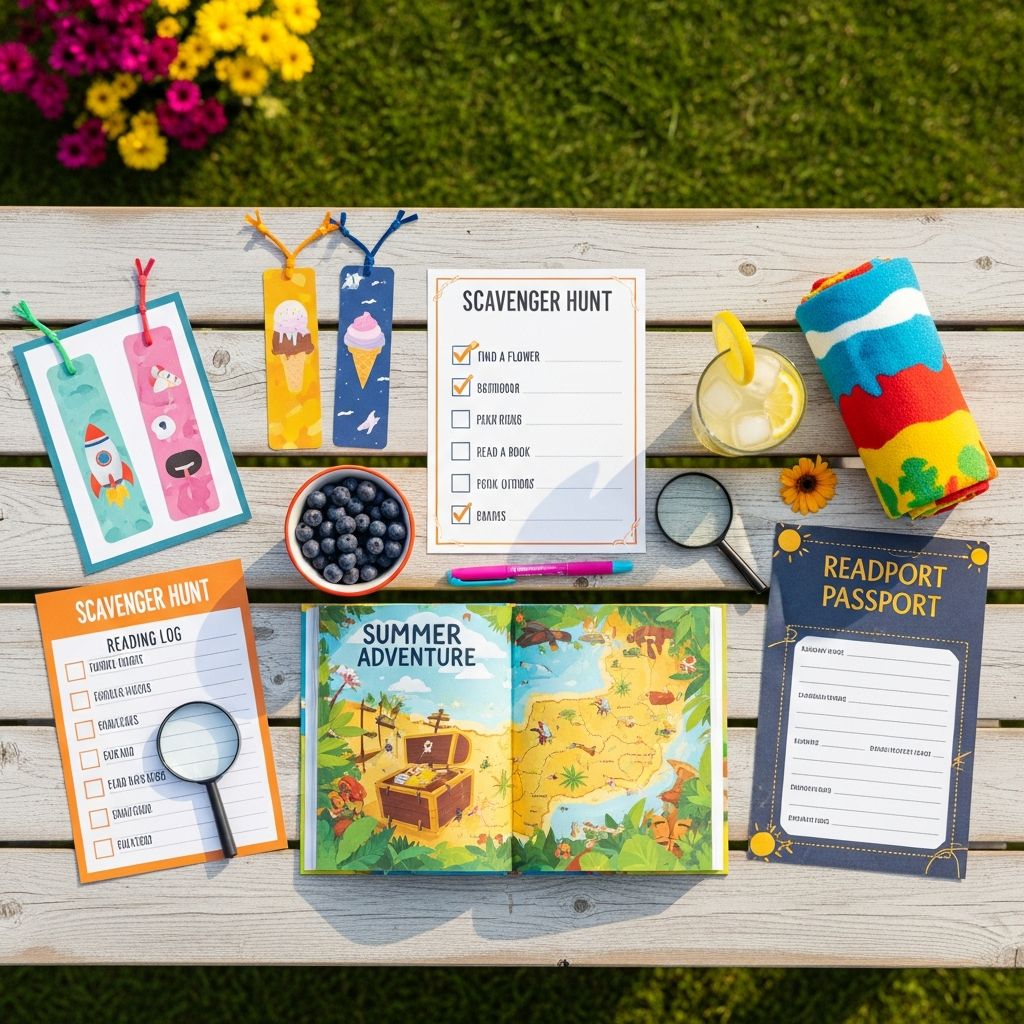
Summer can be the perfect time for relaxed, joyful reading—if you have the right mix of structure and fun. This guide offers fresh ideas, printable concepts, and easy routines to help families build a reading habit that fits real life, not an idealized schedule.
Why Summer Reading Matters (Without the Guilt)
When school takes a break, kids often lose some of the reading confidence and fluency they gained during the year. A light, consistent reading routine helps maintain those skills while reminding children that books are a source of pleasure, not just homework. The goal is not perfection or packed schedules; it is to keep stories and information flowing through your home in a way that feels natural.
Families are busy, and summer plans can change from week to week. That is why flexible tools—like simple tracking sheets, reading challenges, and creative prompts—can be so helpful. They turn good intentions into visible habits and give kids a satisfying sense of progress without turning reading into a chore.
Designing Your Family’s Summer Reading Plan
Before printing anything or making charts, take a few minutes to imagine what a realistic reading routine looks like for your household. Consider your children’s ages, interests, and attention spans, as well as work schedules, camps, or travel plans. A good plan is one that your family will actually follow, even on tired evenings or busy weekends.
Instead of promising an hour of reading every day, start small. Aim for a short, predictable time or situation where reading usually happens—for example, right after breakfast, during rest time, or before bedtime. Once that rhythm feels easy, add optional extras like weekend reading challenges or a weekly library trip.
Key Questions to Shape Your Plan
- When are kids usually calm enough to enjoy a book?
- Who will read aloud, and when can that person realistically be available?
- What mix of formats works best: print books, audiobooks, eBooks, magazines, or comics?
- Where in your home can you create a comfortable reading spot?
- What simple reward or celebration will help kids feel proud of their progress?
Printable Ideas to Track and Celebrate Reading
You do not need elaborate graphics or professional designs to keep kids excited about reading. Even a hand-drawn chart or a simple table can become a powerful motivator when children can color, sticker, or check off their own progress. Below are original printable concepts you can recreate at home using paper, a computer, or a basic document editor.
1. Reading Journey Map
Imagine a path that winds across a page from a starting point to a fun destination—perhaps a beach, a treehouse, or a favorite fictional world. Each section of the path represents one reading session, a set number of pages, or a completed book. Kids color in a segment every time they read.
- Give each child a unique path theme (space, jungle, ocean, city).
- Add small icons along the way—like stars or treasure chests—to mark mini-milestones.
- Let kids decide what happens at the final destination: a special dessert, a late bedtime, or choosing the next family read-aloud.
2. Simple Summer Reading Log
A classic reading log does not have to be boring. You can design a simple table that leaves room for creativity, doodles, and short reflections, not just titles and dates. The idea is to keep records light and flexible enough that kids are not overwhelmed.
| Date | Book or Story Title | Format (Print, Audio, eBook) | How Long I Read | One Word About It |
|---|---|---|---|---|
| June 15 | Example: Dragon in the Tree | 15 minutes | Exciting | |
| June 17 | Example: Space Facts for Kids | Audio | 20 minutes | Curious |
Adjust the columns for different ages. Younger children might only track title and a smiley face, while older kids can add genres, page counts, or brief thoughts about what they learned.
3. Reading Bingo Board
A reading bingo board can nudge kids to try new genres, formats, and locations without insisting on specific titles. Create a grid with different prompts in each square. When a child completes a square, they can color it in or add a sticker. Aim for a full row, a column, or a whole board depending on your family’s energy level.
- Include prompts like “Read under a tree,” “Read a book with an animal on the cover,” or “Listen to a story in the car.”
- Mix easy wins with slightly more challenging tasks to build confidence.
- Offer a small prize or privilege for each completed row rather than waiting for the whole board.
4. Character & Fact Collector Cards
For kids who love collecting, turn reading into a card-collecting game. Each time they finish a short book, chapter, or article, they create a card with a character, place, or interesting fact. Over time, a stack of cards becomes a visual record of everything they have explored.
- Fiction cards can include character names, favorite quotes, and small drawings.
- Nonfiction cards can highlight one key fact, a diagram, or a quick question the child still has.
- Store cards in an envelope or box labeled with the summer year to look back on in later seasons.
Matching Reading Activities to Different Ages
Every age group approaches reading differently. Babies experience reading mostly through rhythm, voice, and closeness. Preschoolers enjoy repetition, pictures, and simple narratives. Older children may crave independence and specific interests. Tailoring activities makes reading more appealing and less like another requirement.
Use the table below as inspiration to match reading tools and printable ideas to various age ranges. Adjust categories to fit your household, especially if siblings share materials.
| Age Range | Main Reading Goal | Helpful Activities | Printable Ideas |
|---|---|---|---|
| Babies & Toddlers | Build positive associations with books and language. | Short read-alouds, pointing at pictures, naming objects, singing rhymes. | Simple picture checklist of books read, monthly “favorite book” page. |
| Preschool & Kindergarten | Develop story sense, vocabulary, and basic print awareness. | Repeated favorite stories, playful questions, acting out scenes. | Reading journey map, sticker chart, simple bingo with picture prompts. |
| Early Elementary | Strengthen fluency and build confidence reading alone. | Partner reading, short chapter books, easy nonfiction on favorite topics. | Reading log, bingo board, character collector cards. |
| Upper Elementary & Middle Grades | Expand genres, deepen comprehension, and support longer attention spans. | Book clubs, journals, comparing book and movie versions, research mini-projects. | Genre-based bingo, more detailed logs, quote or question trackers. |
| Teens | Encourage personal choice, critical thinking, and lifelong reading habits. | Choice-driven reading, audiobooks, graphic novels, online articles, peer discussions. | Reading goals sheet, mood-based book lists, reflection pages instead of charts. |
Low-Pressure Reading Challenges for the Whole Family
Challenges can give summer reading a sense of adventure, but they work best when they are gentle rather than competitive. Focus on shared experiences and curiosity, not speed or page counts. Design challenges where everyone in the household can participate, including adults, grandparents, or older siblings.
Weekend Theme Reading
Choose a simple theme for each weekend—such as oceans, mystery, cooking, or travel. Gather books, articles, or online resources related to that topic. During the weekend, dip into your theme together through read-alouds, recipes, documentaries, or crafts. At the end, let kids vote on the next theme.
Location Quest
Encourage kids to read in different places around the house or neighborhood. Create a checklist that includes locations like a blanket fort, a shady spot outside, the living room couch, a hammock, or a picnic table. Each checked location earns a small token, and once all places are used, the family picks a special outing to celebrate.
Format Explorer
Many children think “reading” only means paper books, but other formats count too. Create a challenge that invites kids to explore printed books, audiobooks, eBooks, magazines, comics, or newspapers. Each time they try a new format, they can note what they liked or disliked, gradually learning what works for them.
Creating a Cozy Reading Environment
The physical setting can make a big difference in how much kids want to read. A “reading nook” does not have to be fancy. A corner with a few cushions, a blanket, and a small basket of books can transform an ordinary space into a special zone. Involve children in choosing the location and decorating it, even if that just means taping up a hand-drawn sign.
Think about lighting, noise levels, and access to materials. A small lamp, a nearby shelf or bin, and rules about phones or televisions during reading time can help make the space peaceful. Keep a rotation of fresh books in the area so kids always have something new to discover without hunting through the whole house.
Practical Tips for Busy Parents and Caregivers
Consistency matters more than perfection. Some days will go smoothly; others will not. Rather than feeling discouraged when you skip a day, treat each morning as a new chance to open a book. Use the tools and printable ideas from this guide as support, not as strict rules.
- Pair reading with something you already do every day, like breakfast or bedtime.
- Keep books in multiple spots—near the couch, in the car, in backpacks—so they are always within reach.
- Let kids quit a book that is clearly not working for them and help them choose something different.
- Model reading yourself, even for a few minutes, to show that it is a valued, enjoyable activity.
- Use technology thoughtfully, such as audiobooks during long drives or wait times.
Frequently Asked Questions About Summer Reading
How much should my child read each day?
There is no single perfect number of minutes. For many families, 15 to 20 minutes of focused reading most days is a reasonable starting point. Younger kids may benefit from several shorter sessions, while older children might enjoy sinking into a book for longer stretches once they are engaged.
What if my child only wants to read one series or type of book?
It is completely normal for children to latch onto a favorite series, author, or genre. Rather than fighting it, use their enthusiasm as a foundation. You can gently introduce new options that share some qualities with their favorites—similar themes, humor, or settings—while still honoring what they truly enjoy.
Do audiobooks and comics “count” as reading?
Yes, audiobooks and comics absolutely support literacy. Audiobooks help children hear fluent reading, expand vocabulary, and access complex stories they might not yet read independently. Comics and graphic novels combine text with visuals, which can boost comprehension and keep reluctant readers engaged.
What if my child is resistant to any kind of reading chart?
Some kids dislike visible tracking systems and feel pressured by logs or charts. In that case, skip the printables and lean into shared reading experiences: regular trips to the library, family read-alouds, or cozy one-on-one time with a story. You can still celebrate progress verbally or with occasional small surprises without recording every session.
How do I handle different reading levels within the same family?
Try setting shared goals around time or themes rather than page counts. Siblings can read different materials during the same reading block but still participate in the same challenges, such as location quests or weekend themes. Family read-alouds are also a powerful way to bring everyone together regardless of individual reading levels.
Making This Summer the Start of a Reading Tradition
Summer reading does not have to be complicated or overwhelming. With a few simple printables, a cozy spot, and realistic routines, your family can build a lasting habit of enjoying stories and information together. Think of every book, article, or audio story as another small step on a longer journey toward confident, curious, lifelong readers.
Begin with one or two ideas from this guide—perhaps a reading journey map and a basic log—and adjust as you learn what fits your family’s rhythms. Over time, you will create your own traditions and tools that make summer reading feel less like a task and more like an adventure everyone looks forward to each year.