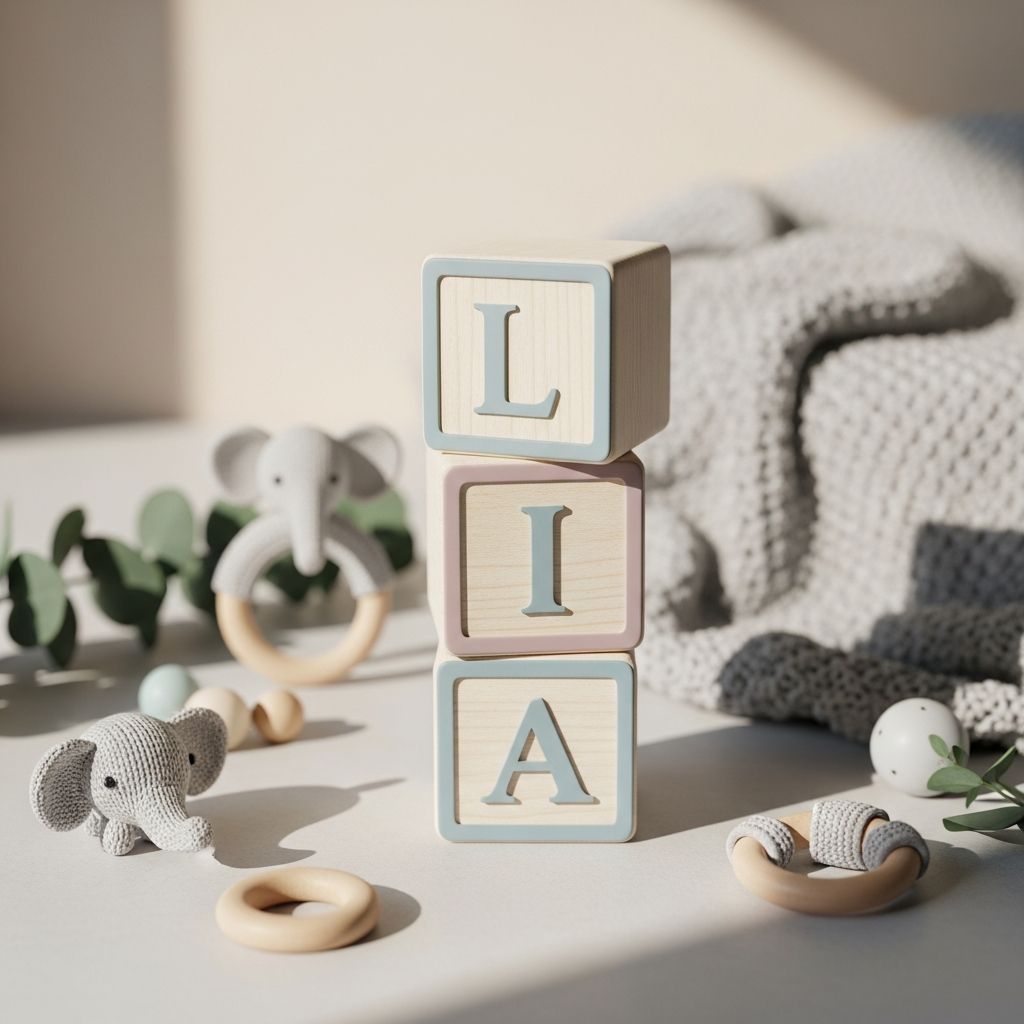
Three-letter baby names are proof that you do not need many letters to make a lasting impression. Short names can feel modern, international, easy to spell, and surprisingly powerful. If you are drawn to simplicity, a three-letter name might be the perfect fit for your growing family.
This guide explores why parents love three-letter names, how to evaluate them, and offers examples across different styles and origins so you can find a short name that still feels rich with meaning.
Why Three Letters Can Be Just Right
Short names have become increasingly popular in many countries, especially in English-speaking regions and parts of Europe, where parents lean toward concise, minimalist choices. While trends vary by culture, experts who analyze name data regularly note the rise of brief, punchy names alongside traditional longer ones.
Three-letter names sit in a sweet spot: they are compact but usually still recognizable words or familiar sounds, unlike some ultra-short or invented names.
- Easy to remember: Three letters are simple for relatives, teachers, and future friends to spell and pronounce.
- Travel-friendly: Short names often cross borders more easily because they are less likely to be misspelled or shortened in other languages.
- Great with long surnames: A brief first name can balance a longer or hyphenated last name, making the full name easier to say.
- Flexible style: You can find three-letter options that are classic, modern, unisex, vintage, or nature-inspired.
Factors to Consider Before Choosing a Short Name
Even when a name has only three letters, you still want to think through how it will feel across a lifetime. Here are some questions to ask yourself.
1. How Does the Name Sound With Your Surname?
Say the full name aloud several times. A short first name can either flow beautifully or feel a bit abrupt, depending on your last name.
- A one-syllable first name may sound best with a multi-syllable surname.
- Check for tongue-twisters or repeated similar sounds (for example, both names ending in the same strong consonant).
- Consider whether you mind a very clipped, punchy full name or prefer a smoother rhythm.
2. Will It Age Well?
Babies grow into teenagers and adults. Think of the name on different types of introductions:
- On a résumé or professional email
- Introductions at school, job interviews, or formal events
- In different phases of life and career paths
Short names can work beautifully in professional contexts, but try to imagine the name on someone of various ages to see whether it still feels right to you.
3. Are There Clear Nicknames or Variants?
Many three-letter names are already a shortened form or nickname of a longer traditional name, such as Ben for Benjamin or Ana for Anastasia. Some parents prefer the formal version on official documents and use the three-letter form day-to-day. Others are happy using the shorter name alone.
Ask yourself:
- Do you want your child to have a longer option to use later?
- Are you happy if family or friends extend the name with an affectionate nickname?
4. Meaning and Cultural Connections
Many parents choose names based on cultural heritage, religious tradition, or the meaning of the word itself. Academic and government data sets show that names connected to culture, faith, or family often remain popular across generations, even as trends shift.
With three-letter names, you will find options rooted in:
- Biblical or religious traditions
- Nature and elements
- Virtues or positive traits
- Different languages and regions
Popular Styles of Three-Letter Names
To make your search easier, it can help to think in terms of style. Below is a simple overview comparing major styles of three-letter names.
| Style | Typical Feel | Why Parents Like It |
|---|---|---|
| Classic | Traditional, timeless, familiar | Easy to recognize, usually age well, often family-friendly choices |
| Modern & Trendy | Fresh, stylish, current | Feels contemporary, often aligns with current baby name trends |
| Unisex | Gender-neutral, flexible | Appeals to parents who want a name that works for any gender identity |
| Nature-Inspired | Earthy, peaceful, poetic | Reflects a love of nature or meaningful elements like sky, sea, or animals |
| International | Global, cross-cultural | Works in multiple languages or honors multicultural heritage |
Examples of Three-Letter Names by Style
The lists below are not exhaustive but are designed to spark ideas across different styles. Always verify specific meanings in a trusted language or etymology resource before making a final choice, especially for less familiar languages.
Classic and Traditional Three-Letter Names
These short names feel grounded, familiar, and often have a long history of use.
- Ben – Commonly used as a shortened form of Benjamin, rooted in Hebrew tradition.
- Sam – Often linked to Samuel or Samantha, recognizable in many English-speaking communities.
- Ana – A classic form of Anna found in several European and Latin American cultures.
- Tom – Widely known as a friendly, everyday short form of Thomas.
- Eli – A biblical name with Hebrew origins that has become quite familiar internationally.
Modern and Trendy Three-Letter Names
- Lia – A light, modern spelling of a name related to Leah or Amelia in various languages.
- Jax – A bold, edgy choice often seen as a contemporary variant of Jaxon or Jackson.
- Ari – Used in multiple cultures; its bright sound has made it popular in recent years.
- Nia – Short, sleek, and used in several languages with different positive meanings.
- Kai – Found in diverse cultures and widely recognized in recent baby name charts.
Unisex and Gender-Neutral Short Names
- Sky – Evokes wide open skies and a sense of freedom.
- Rio – Means “river” in Spanish and also associated with famous city names.
- Lux – Based on the Latin word for “light,” used by parents seeking a modern, luminous feel.
- Row – A minimalist sound that can be short for longer names or stand alone.
- Sol – Means “sun” in several Romance languages, giving it a warm, bright tone.
Nature and Word-Based Three-Letter Names
- Ivy – A climbing plant name that has become a stylish choice in English-speaking countries.
- Oak – Suggests strength and rootedness, inspired by the oak tree.
- Bay – Can evoke a coastal inlet or a type of tree, making it a calm, nature-rich option.
- Joy – A virtue name expressing happiness and positivity.
- Fox – A modern, animal-inspired choice with a clever, spirited feel.
International Three-Letter Names
- Leo – Used in many European countries and linked to the Latin word for “lion.”
- Luz – Spanish for “light,” frequently used in Spanish-speaking communities.
- Ola – Found in Nordic countries as a short form of longer traditional names.
- Ina – Used across Eastern and Central Europe as a familiar diminutive.
- Raj – A name used in parts of South Asia with regal associations.
Balancing Short First Names With Middle Names
- Short–Long Contrast: Match a short first name with a longer, more traditional middle name (for example, a three-letter first name with a three- or four-syllable middle name).
- Cultural Blend: Use a simple, globally friendly first name and a middle name tied strongly to cultural heritage.
- Honor Names: Combine a modern three-letter name with a family name in the middle spot to honor relatives while maintaining your preferred style.
Checking Initials and Monograms
Before finalizing, write out the full initials and scan for unintended words or associations. Because three-letter first names often result in short sets of initials, it is easy to overlook when they might spell a word. A quick check can prevent future frustration for your child.
Trends and Patterns in Short Names
Analysis of name data sets from official sources such as the U.S. Social Security Administration shows that parents often cluster around similar sounds and endings in each generation. For recent years, names ending in vowels and soft consonants have dominated popular lists, with short names like Mia, Ava, and Lia seeing significant use.
Language and word analysis has also highlighted that letters such as A, L, and M appear disproportionately often at the beginning of given names in English and related languages. This may explain why so many three-letter names you encounter start with those letters.
While following trends is not necessary, understanding broader patterns can help you decide whether you want a name that blends in or stands apart.
Tips for Testing a Three-Letter Name
- The Classroom Test: Imagine the name being called out in a classroom. Does it sound clear and easy to distinguish from others?
- The Introduction Test: Say, “Hi, I’m ——,” out loud a few times. Does the rhythm feel strong and confident?
- The Writing Test: Write the full name, including middle name and surname, on paper or a screen. Does it look balanced?
- The Future Test: Picture the name on a business card, email signature, or academic certificate. Can you see it fitting different personalities and careers?
Frequently Asked Questions About Three-Letter Names
Q: Are three-letter names taken as seriously as longer names?
Three-letter names can absolutely be taken seriously. Many classic and widely respected names are short, and employers or schools focus far more on the individual than name length. Official name statistics regularly show short names appearing among the most common choices in several countries.
Q: Do short names limit nickname options?
Short names typically offer fewer traditional nicknames, but children often collect affectionate family nicknames unrelated to their formal name. If you want built-in flexibility, you can use a longer formal name on the birth certificate and a three-letter version in daily life.
Q: Are three-letter names easier for children to learn to write?
They can be. Research on early literacy shows that children first learn to recognize and write the letters in their own names because of frequent exposure and personal meaning. Fewer letters means fewer strokes to master, which may make name-writing slightly simpler, though overall literacy development depends on many other factors.
Q: Will a very short name feel too informal?
That depends on the style of the specific name. Some three-letter names, especially those with long histories or religious roots, feel quite formal, while others sound casual or playful. Saying the name aloud in formal phrases like “Dr.” or “Professor” in front of it can help you decide if it matches your preferences.
Q: How can I be sure of the meaning and origin of a three-letter name?
Use reputable resources such as official statistics agencies, academic language references, or established naming dictionaries rather than informal message boards. Cross-check in more than one source, especially if the name comes from a language or culture that is not your own.
References
- Gee, J. P., & Hayes, E. R. Language and Learning in the Digital Age — Routledge. 2011-02-01. https://doi.org/10.4324/9780203830918
- Treiman, R., Decker, K., Kessler, B., & Pollo, T. C. Variation and repetition in the spelling of young children. — Applied Psycholinguistics, Cambridge University Press. 2015-09-01. https://doi.org/10.1017/S0142716413000578
- Popular Baby Names — U.S. Social Security Administration. 2024-05-10. https://www.ssa.gov/oact/babynames/index.html
- List of most popular given names — Compiled from national statistics agencies. 2024-08-01. https://en.wikipedia.org/wiki/List_of_most_popular_given_names
- Most Common Letters in Names — Word Raiders. 2023-06-01. https://wordraiders.com/guides/most-common-letters-in-names/