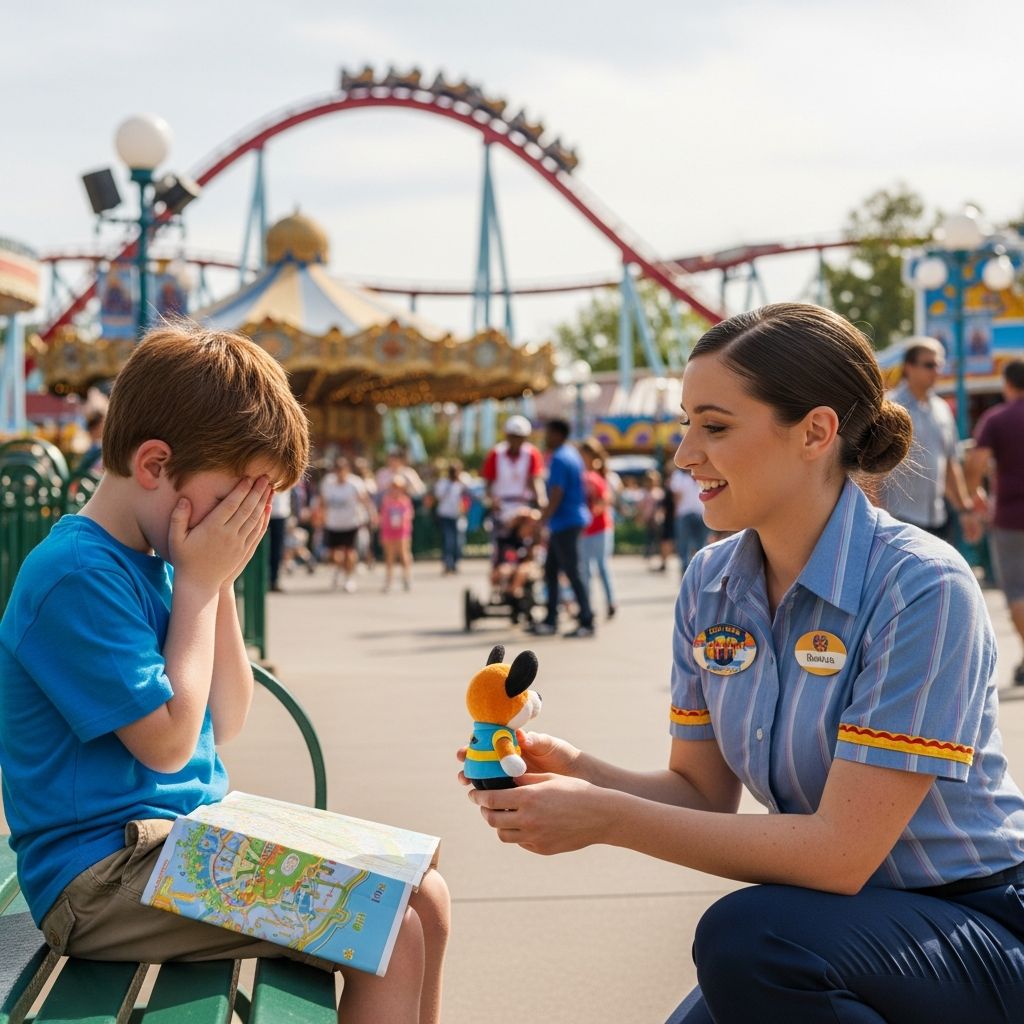
In the midst of crowded queues and thrilling rides, a simple act of understanding can redefine a family’s day. When sensory overload strikes a child with autism, the response from those around them matters immensely. This account delves into a remarkable incident where an amusement park staff member’s empathy not only diffused a crisis but also created a lasting positive impact.
Understanding Sensory Challenges in Public Spaces
Children on the autism spectrum often navigate the world differently, particularly in stimulating environments like theme parks. Bright lights, loud noises, sudden movements, and long waits can trigger overwhelming sensory input, leading to what are commonly known as meltdowns. These are not tantrums but involuntary responses to overload, where the brain’s processing capacity is exceeded.
Research from the National Institute of Mental Health (NIMH) indicates that approximately 1 in 36 children in the U.S. has autism spectrum disorder (ASD), many experiencing heightened sensory sensitivities. Theme parks, with their vibrant spectacles, amplify these challenges. Parents frequently prepare with noise-canceling headphones, visual schedules, and quiet breaks, yet unexpected disruptions—like a ride malfunction—can still provoke distress.
The Moment of Crisis: A Ride That Didn’t Happen
Picture the excitement building for a 9-year-old boy named Ralph, whose heart was set on the Spider-Man ride at Universal’s Islands of Adventure. After enduring lines and anticipation, the moment arrived only for technical issues to halt the fun. For Ralph, this wasn’t just disappointment; it was a cascade of unmet expectations crashing into sensory fatigue.
Lying on the ground in distress, screaming amid passing crowds, Ralph’s mother struggled to shield him from being trampled. This scene, shared widely on social media, captured a raw glimpse into the vulnerabilities families face. Yet, it was here that humanity shone brightest.
Enter the Everyday Superhero: Jen’s Compassionate Response
Jen, a dedicated park employee, spotted the situation and acted without hesitation. Instead of directing from afar or calling security, she lowered herself to the ground beside Ralph. Matching his level, she spoke softly, validating his feelings and giving space for the storm to pass. This non-intrusive approach allowed Ralph to regulate at his own pace.
Her presence alone was transformative. By the time calm returned, Jen escorted Ralph to the gift shop, empowering him to select a $50 souvenir—a tangible token of the day’s silver lining. This gesture shifted the narrative from loss to gain, imprinting a memory of being seen and valued.
Why This Approach Works: Insights from Autism Experts
Experts emphasize that during meltdowns, the priority is safety and co-regulation. The Centers for Disease Control and Prevention (CDC) outlines strategies like maintaining proximity without physical restraint, using calm tones, and avoiding demands. Jen embodied these instinctively, demonstrating trained intuition or innate empathy.
- Physical Matching: Getting on the child’s level reduces perceived threat and builds trust.
- Emotional Validation: Acknowledging frustration helps the child feel understood, aiding self-regulation.
- Positive Redirection: Offering a reward post-crisis reinforces resilience without bribery.
Such responses align with recommendations from the Autism Society, which advocates for sensory-friendly training in public venues.
Broader Park Policies: Fostering Inclusivity
Beyond Jen, other staff contributed to the family’s positive experience, reflecting Universal Orlando’s commitment to accessibility. Many theme parks now offer:
| Feature | Description | Benefit for Neurodiverse Visitors |
|---|---|---|
| Quiet Rooms | Designated low-stimulation areas | Allows breaks from sensory overload |
| Express Passes | Reduced wait times | Minimizes anxiety from queues |
| Visual Aids | Picture schedules and maps | Supports planning and predictability |
| Staff Training | Sensitivity workshops | Equips employees like Jen to respond effectively |
These initiatives, informed by partnerships with autism organizations, make parks more welcoming. The International Association of Amusement Parks and Attractions (IAAPA) reports growing adoption of such measures globally.
Parental Perspectives: Preparing for Theme Park Adventures
For parents, advance planning is key. Start with research: Check park websites for accessibility guides. Scout rides via virtual tours to gauge sensory demands. Pack essentials like fidget tools, snacks, and comfort items. Communicate needs upfront—many parks provide wristbands signaling hidden disabilities.
One parent’s reflection: “What could have been a disaster became our favorite story, thanks to strangers who cared.” This underscores the ripple effect of kindness.
Impact on the Community: Viral Inspiration
Ralph’s mother’s Facebook post exploded, amassing thousands of shares. It spotlighted not just one hero but a culture of compassion. Comments poured in from families sharing similar tales, amplifying calls for widespread training. Videos of the event further spread the message, reminding the public of autism’s prevalence and the power of empathy.
Training the Next Generation of Responders
Incidents like this propel policy changes. Parks increasingly collaborate with groups like Autism Speaks for staff education. Core modules cover meltdown anatomy, de-escalation techniques, and post-incident support. Role-playing scenarios prepare teams for real-world empathy.
Benefits extend to all guests: Skilled staff handle diverse needs, enhancing overall safety and satisfaction.
Long-Term Lessons: Building Resilience in Children
For Ralph, this encounter modeled emotional recovery. It taught that setbacks can lead to unexpected joys—a vital lesson for neurodiverse kids. Families report such experiences boosting confidence for future outings.
Frequently Asked Questions (FAQs)
What should I do if my child has a meltdown in public?
Stay calm, ensure safety, validate feelings, and give space. Remove from triggers if possible, then debrief later.
Are theme parks autism-friendly?
Many are improving with sensory guides, quiet zones, and trained staff. Research specific parks in advance.
How can I advocate for my child at amusement parks?
Contact guest services pre-visit, request accommodations, and use disability pass programs where available.
What’s the difference between a meltdown and a tantrum?
Meltdowns stem from overwhelm (involuntary); tantrums seek control (intentional).
How do parks train employees for neurodiversity?
Through workshops on sensory processing, de-escalation, and inclusive service, often with autism experts.
Empowering Families: Steps Forward
Stories like Ralph’s inspire collective action. Advocate for policies, share experiences, and celebrate heroes. By normalizing neurodiversity, we craft environments where every child thrives.
This tale, now etched in viral lore, proves small acts yield profound change. Jen wasn’t caped, but her heroism was undeniable.
References
- Prevalence of Autism Spectrum Disorder Among Children Aged 8 Years — Centers for Disease Control and Prevention (CDC). 2023-03-30. https://www.cdc.gov/autism/data-research/index.html
- Autism Spectrum Disorder — National Institute of Mental Health (NIMH). 2024-02-05. https://www.nimh.nih.gov/health/topics/autism-spectrum-disorders-asd
- Theme park employee; hero to a boy with autism — Motherly. 2019-07-15. https://www.mother.ly/life/this-theme-park-employee-was-a-real-life-superhero-to-a-young-boy-with-autism/
- Theme park worker calms autistic boy — WISH-TV (YouTube). 2019-07-12. https://www.youtube.com/watch?v=12pI8sq5q5c
- Sensory-Friendly Initiatives in Amusement Parks — International Association of Amusement Parks and Attractions (IAAPA). 2025-01-10. https://www.iaapa.org/resources/sensory-initiatives