After a vaginal birth, the perineal area (the tissue between the vagina and anus) can feel sore, swollen, bruised, or irritated. Many new parents find that padsicles—frozen, soothing menstrual pads—offer gentle, drug-free relief during those first days and weeks of recovery.
This guide explains what padsicles are, how they support healing, what to put on them, and step-by-step ideas for making and using them safely.
What Are Padsicles?
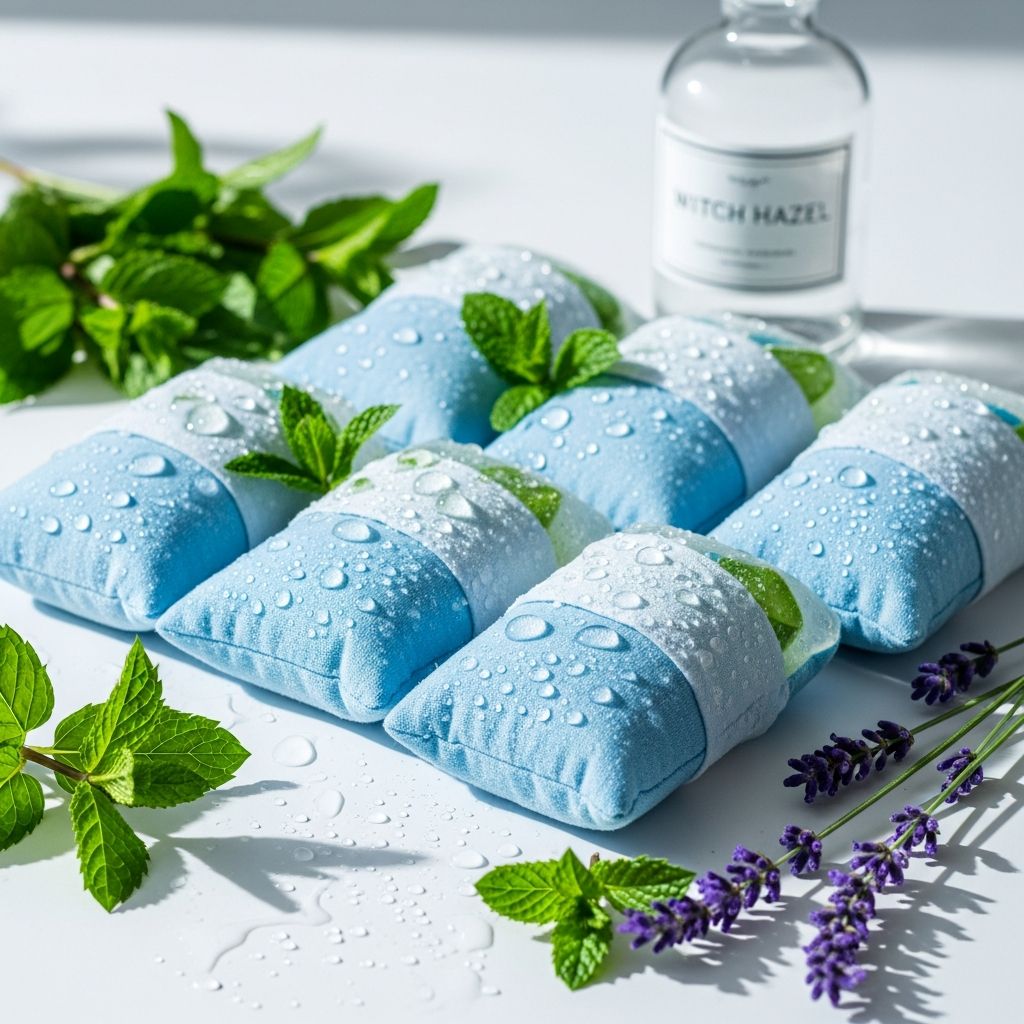
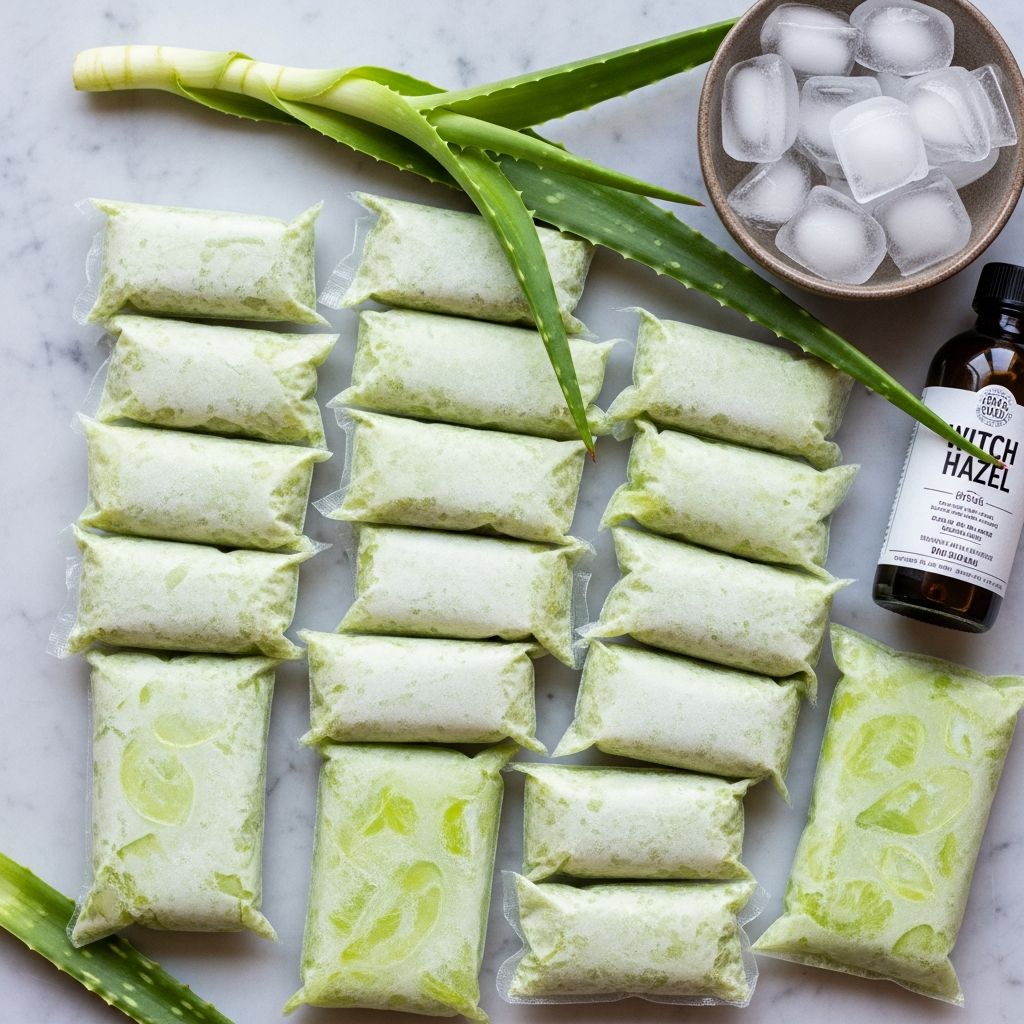
The word padsicle combines “pad” and “popsicle.” A padsicle is simply a sanitary pad that has been moistened, sometimes with soothing ingredients, and chilled or frozen before use.
Once placed in your underwear, the cold, slightly damp pad can:
- Provide a numbing, cooling sensation over sore tissue
- Help calm swelling and inflammation in the perineal area
- Offer comfort around stitches, minor tears, or bruising (if present)
- Absorb normal postpartum bleeding at the same time
Padsicles are not a medical treatment on their own, but they can complement the recovery plan you build with your healthcare provider.
Why Cooling Pads Help After Childbirth
Cold therapy is widely used in medicine and physical therapy to help with recent injury, surgery, and swelling. Applying cold to tissues can:
- Constrict blood vessels, which may reduce swelling and local blood flow temporarily
- Decrease nerve activity, creating a numbing effect that lessens pain perception
- Slow inflammatory processes in the area for a short time
Studies of perineal cold packs after vaginal birth suggest that localized cooling can improve comfort and reduce pain intensity in the immediate postpartum period, especially in the first 48 hours. Padsicles are simply a home-friendly way to apply similar cooling while also absorbing lochia (postpartum bleeding).
Common Soothing Ingredients Used in Padsicles
Many people add gentle, skin-friendly ingredients to their pads before freezing them. Always talk to your clinician if you have stitches, a history of skin sensitivity, or concerns about any ingredient.
| Ingredient | Why People Use It | Key Considerations |
|---|---|---|
| Water | Moistens the pad so it can freeze and provide simple cold therapy. | Plain, clean tap or boiled-then-cooled water is usually enough for basic padsicles. |
| Witch hazel (alcohol-free) | Traditional astringent that may help reduce swelling, soothe irritation, and provide cooling comfort. | Choose alcohol-free versions to avoid stinging or dryness, and avoid products heavily perfumed. |
| Aloe vera gel | Has moisturizing and anti-inflammatory properties; frequently used for minor skin irritation and burns. | Use pure, fragrance-free gel without added colorants when possible. |
| Essential oils (optional) | Some people add lavender or chamomile for a pleasant scent or extra soothing feel. | Essential oils can irritate sensitive tissue. They should be well-diluted and avoided if you have allergies, broken skin, or were not specifically cleared by your provider. |
Safety First: Talk With Your Provider
Before adding anything beyond water, check in with your midwife, obstetrician, or other clinician. This is especially important if you have:
- Third- or fourth-degree perineal tears
- Extensive stitches or a recent episiotomy
- A history of eczema, allergic reactions, or very sensitive skin
- Signs of infection (fever, foul-smelling discharge, increasing pain, or redness)
Professional guidance matters; some cold-pack products and topical agents may not be advised immediately after birth, depending on your specific situation.
Core Supplies for DIY Padsicles
You do not need a long ingredient list to make effective padsicles. Many people start with a very simple setup and add extras only if they tolerate them well.
- Large, absorbent pads (maternity or overnight pads work well)
- Clean water (plain or boiled then cooled)
- Optional witch hazel (alcohol-free, unscented)
- Optional aloe vera gel (dye-free, fragrance-free)
- Clean storage (foil or freezer-safe bags to keep pads separate from food)
- Clean hands or disposable gloves when handling supplies
Basic Method: Simple Cooling Padsicles
This method relies on water only and is often the best starting point if you have sensitive skin or want to keep things as uncomplicated as possible.
Step-by-Step Overview
- Wash your hands with soap and water and dry them thoroughly.
- Open a pad but keep the backing and wings attached so you can reseal it later.
- Dampen the pad lightly with clean water—moist, not dripping. You can pour directly from a clean bottle or use a spray bottle.
- Refold or rewrap the pad so it keeps its original shape.
- Place it in foil or a freezer bag, removing extra air before sealing.
- Lay flat in the freezer until frozen.
When you are ready to use a pad, remove it from the freezer and let it sit for a minute or two so it is cold but not painfully hard or sticking to your skin.
Enhanced Method: Cooling + Soothing Padsicles
Once you know your skin tolerates basic padsicles, you may choose to add other gentle ingredients. Always test a small area of skin first and stop using any product that causes itching, burning, or rash.
Layering Soothing Ingredients
You may choose one or more of the following (if cleared by your provider):
- A light spray of alcohol-free witch hazel along the center of the pad
- A thin line or small dots of aloe vera gel spread evenly over the area that will contact the perineum
- A very small amount of diluted essential oil mixed into the aloe gel, only if your clinician approves and you have used the oil safely before
After adding ingredients, refold, package, and freeze as with the basic method.
How to Use Padsicles Safely
Good technique and hygiene help you get the most comfort with the least risk of irritation or infection.
When to Use Them
- Typically within the first few days postpartum, when swelling and soreness are strongest
- For short intervals multiple times per day (for example, after going to the bathroom)
- During rest periods when you can lie or sit comfortably
How Long to Wear Each Padsicle
- Most people use a padsicle for about 10–20 minutes at a time, similar to other ice packs.
- Rotate with regular pads if you still have heavy bleeding and need more absorption.
- Avoid continuous cold exposure for long periods; extended cold can irritate skin or slow normal blood flow.
Practical Usage Tips
- Allow the pad to thaw slightly so it is flexible and not stuck to the inner wrapper.
- Place it in snug but comfortable underwear so it stays where you need cooling.
- Check frequently for leaking; if the pad becomes overly wet or uncomfortable, change it.
- Dispose of single-use pads after each wear; do not refreeze.
Complementary Postpartum Comfort Measures
Padsicles are only one piece of a broader postpartum recovery toolkit. Evidence-based comfort strategies after vaginal birth often include:
- Perineal irrigation bottles (peri bottles) to rinse with lukewarm water after urination or bowel movements
- Oral pain medication such as acetaminophen or ibuprofen, as recommended by your clinician
- Sitz baths (short soaks of the perineal area in clean, lukewarm water) once your provider says it is safe
- Rest with feet up when possible to support circulation and healing
- Pelvic floor exercises added gradually, if advised by a pelvic health specialist
Talk with your healthcare team about how often to use cold packs, when to transition to warm soaks, and what signs mean you should be seen urgently.
When to Stop Using Padsicles and Call a Clinician
Stop using padsicles and seek medical advice promptly if you notice:
- Fever or chills
- Worsening pain instead of gradual improvement
- Redness, warmth, or streaking near the perineal area
- Foul-smelling discharge or pus
- Difficulty urinating or passing stool because of pain or swelling
Guidelines for postpartum care from professional organizations emphasize early evaluation of any suspected infection or severe pain. Padsicles are meant to provide comfort, not to hide concerning symptoms.
Sample Padsicle Variations
Once your provider confirms that cooling and topical ingredients are appropriate, you can adjust padsicles to your preferences.
- Ultra-simple: Water only; best for very sensitive skin.
- Gentle astringent: Light spray of alcohol-free witch hazel on a damp pad.
- Extra moisture: Thin layer of aloe vera over a lightly moistened pad.
- Scented (with caution): A drop of diluted lavender oil mixed into aloe, only if you have used it safely before and your clinician approves.
Always label any padsicles that contain essential oils so you can distinguish them from simpler versions.
Frequently Asked Questions (FAQs)
Are padsicles safe for everyone after a vaginal birth?Padsicles with plain water and clean pads are generally considered low-risk, but individual situations vary. Cold therapy is often used in the first 24–48 hours after perineal trauma, yet specific recommendations differ depending on the degree of tearing, stitches, and your health history. Always confirm with your provider first.
Q: How many padsicles should I prepare before giving birth?
Many people find it helpful to make enough for the first few days—often 10–20 pads—then adjust based on how often they use them and how their recovery feels. You can always make more later if you find them particularly helpful.
Can I use padsicles if I had a cesarean birth?If you had a cesarean but also labored or delivered vaginally before surgery, you may still have perineal soreness or hemorrhoids. Padsicles might provide relief in those areas, but they should not be placed on or near your incision. Follow your surgeon’s instructions for incision care and ask whether perineal cold packs are appropriate for you.
Q: How long after birth can I keep using padsicles?
Most people use them primarily in the first week when swelling and discomfort peak. If you still find them soothing after that and your provider has no concerns, you can continue for short periods as needed. If pain persists or worsens instead of gradually easing, schedule a postpartum check.
Do I still need regular pads if I use padsicles?
Yes. Padsicles are not designed to last as long as a standard pad because they are used for short cooling sessions. You may alternate between a padsicle and a regular postpartum pad depending on how heavy your bleeding is and how much cooling you want.
Do hospital-provided cold packs work the same way?
Many hospitals and birth centers provide single-use perineal cold packs or disposable pads with built-in cooling gel. These can offer similar benefits to homemade padsicles and are often specifically designed for short-term postpartum use. Ask your nurse or midwife how to use them correctly and how they fit into your at-home plan.
References
- Postpartum Perineal Care — American College of Obstetricians and Gynecologists (ACOG). 2022-08-01. https://www.acog.org/womens-health/faqs/recovering-from-birth
- Witch Hazel — U.S. National Library of Medicine / MedlinePlus. 2023-02-01. https://medlineplus.gov/druginfo/natural/706.html
- Complementary, Holistic, and Integrative Health: Essential Oils — National Center for Complementary and Integrative Health (NCCIH). 2023-07-01. https://www.nccih.nih.gov/health/essential-oils
- Perineal Care After Vaginal Birth — The Royal College of Obstetricians and Gynaecologists (RCOG). 2021-06-01. https://www.rcog.org.uk/for-the-public/perineal-tears-and-episiotomies-in-childbirth/perineal-tears-and-episiotomies-in-childbirth-patient-information/
- Padsicles: How to Make Them, How To Use Them, Why We Love Them — Healthline. 2018-09-24. https://www.healthline.com/health/pregnancy/padsicles
- How to Make Padsicles for Postpartum Recovery — The Bump. 2020-05-15. https://www.thebump.com/a/how-to-make-padsicles