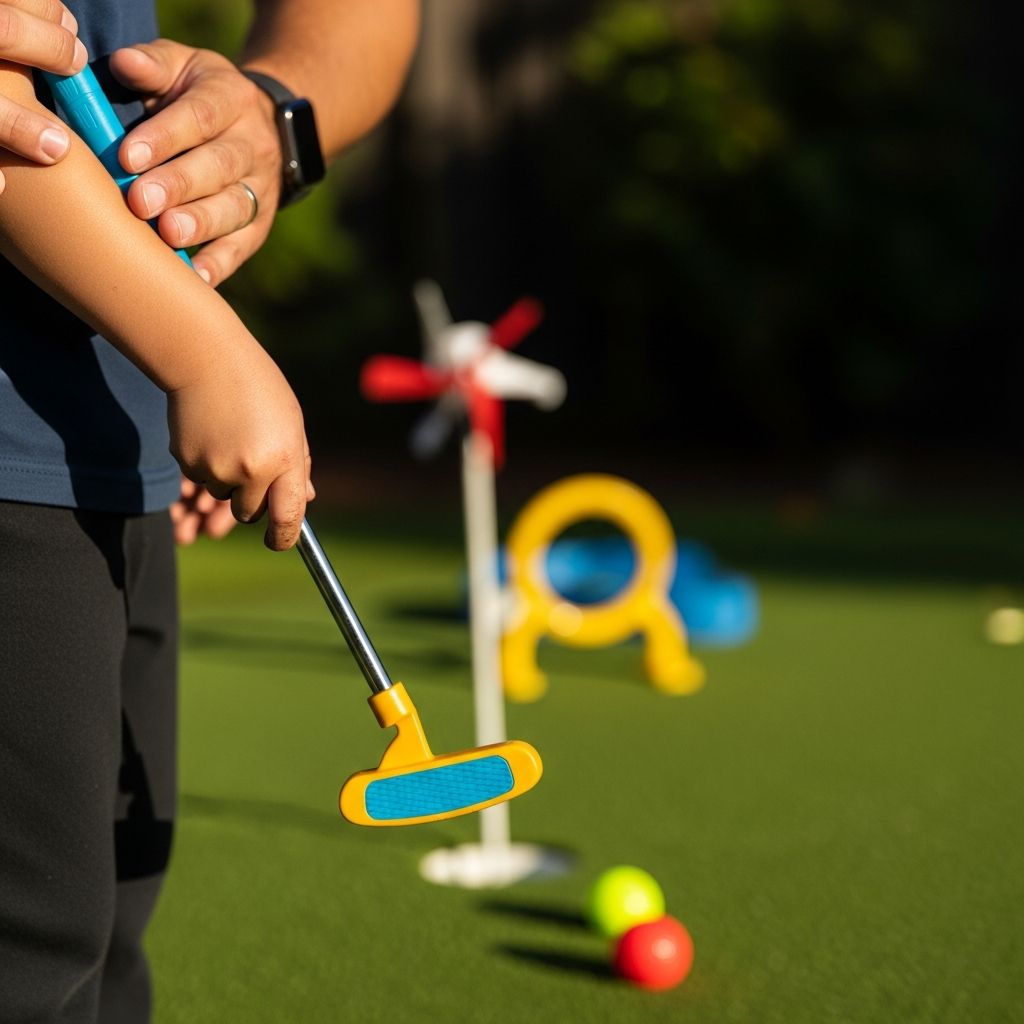
The Short Game is a feature-length documentary that follows 7- and 8-year-old golfers from around the world as they prepare for and compete in the U.S. Kids Golf World Championship at Pinehurst, North Carolina. It is lively and funny, but it also raises serious questions about how far families should go in nurturing talent and chasing early success.
What Is The Short Game About?
The film tracks a group of exceptionally skilled children—boys and girls—who travel from different countries to play in one of the most high-profile tournaments in junior golf. It blends:
- Home-life scenes that show practice routines, coaching, and family dynamics.
- On-course action from the three-day world championship event.
- Interview clips where kids talk with startling clarity about goals, fear, and what winning means to them.
The result feels less like a dry sports documentary and more like a character-driven film with dramatic storylines, emotional highs and lows, and a fast pace that can hold even younger viewers’ attention.
Kids at the Center: Why Their Stories Matter
One of the most striking aspects of the documentary is how it humanizes children who might otherwise be reduced to the label of “prodigy.” The kids are driven and unusually skilled, but they also act like kids: they joke, sulk, celebrate, and worry.
Research on youth sports shows that when children feel autonomous and supported—not controlled—they are more likely to enjoy sports, stay involved, and benefit emotionally and physically. Parents watching this film can use it as a mirror to consider whether their own expectations amplify pressure or foster resilience.
Ambition vs. Childhood: Walking a Tightrope
The film captures a central tension of modern parenting: how to nurture a child’s talent without crowding out the rest of childhood. Families in the documentary invest time, money, and emotion into training schedules that could rival those of adult athletes.
Psychologists who study child athletes note that high training loads and intense competition can bring both benefits and risks. Positive outcomes include improved confidence, social skills, and discipline, but excessive pressure and overspecialization have been linked to burnout and anxiety.
| Potential Benefits Highlighted | Potential Risks Highlighted |
|---|---|
| Discipline and focus | Emotional strain from high expectations |
| Goal-setting and perseverance | Fear of failure and perfectionism |
| Cross-cultural friendships and travel | Reduced unstructured play and free time |
| Confidence from mastering skills | Identity tied too strongly to performance |
Parents in the Spotlight: Supporters or Sideline Coaches?
While the children are the heart of the story, many of the most memorable moments come from watching their parents. Some are calm guides; others hover at the emotional edge of every shot. Viewers see a spectrum of parenting styles—from gentle encouragement to hard-edged, performance-focused coaching.
Studies on parental involvement in youth sports suggest that children fare best when parents emphasize effort, enjoyment, and personal improvement, rather than winning at all costs. Parents who over-identify with their kids’ success can unknowingly transfer their own anxieties onto the child, making each mistake feel catastrophic instead of educational.
Signs of Healthy Support vs. Harmful Pressure
- Healthy support: asking what the child learned, praising effort, respecting their feelings about wins and losses.
- Harmful pressure: criticizing mistakes harshly, tying love or approval to performance, replaying failures long after the tournament is over.
- Balanced involvement: showing up, asking the coach for guidance when needed, and letting the child lead in setting goals.
Is It Family-Friendly?
The documentary has been described as suitable for a broad audience, including children, because it avoids graphic content and focuses on sportsmanship, family, and perseverance. It feels more like an energetic sports movie than a heavy investigative exposé.
That said, there are emotionally intense scenes: children crying after missed shots, tense exchanges between parent and child, and visible frustration. Sensitive or very young viewers may need reassurance that it is normal to feel disappointed and that a game is, at the end of the day, still a game.
What Younger Viewers May Take Away
- Even great athletes get nervous and make mistakes.
- Hard work matters, but so does how you treat yourself and others.
- Other kids around the world have big dreams and fears that feel familiar.
What the Documentary Shows About Competition Culture
The Short Game offers a peek into the broader culture of elite youth sports, not just golf. It reflects how early children now enter specialized, intensive athletic programs. International junior competitions, private coaching, and ranking systems have become increasingly common, raising important questions for families and policymakers.
Research from sports medicine and psychology organizations has raised concerns about early single-sport specialization, citing higher rates of overuse injuries and burnout among children who focus intensely on one sport from a very young age. While the documentary does not lecture on this research, the images of repetitive practice and year-round commitment invite viewers to consider these issues.
Storytelling Style: Polished, Emotional, and Accessible
Critics often describe the documentary as highly polished, with attractive cinematography and brisk editing that emphasize drama and suspense. Reviewers have noted that it sometimes leans into feel-good moments and familiar underdog beats more than deeper analysis.
For many families, this is a strength: the film is accessible, entertaining, and easy to follow, even for viewers who know little about golf. For those looking for a more probing examination of youth sports ethics, it may feel a bit gentle or selective in what it chooses to confront.
Strengths of the Film
- Engaging portraits of diverse children with distinct personalities.
- Clear, easy-to-follow tournament structure that builds tension.
- Visually appealing golf-course footage and fast pacing.
Limitations to Be Aware Of
- Limited exploration of long-term impacts on child athletes.
- Some parents’ behavior is shown but not deeply examined.
- Focus on uplifting tone may downplay potential downsides of extreme competition.
Using the Film as a Conversation Starter With Kids
For parents, coaches, and educators, The Short Game can be a helpful tool to open conversations about effort, failure, and fairness. Watching together and talking afterward can turn an entertaining movie night into something more reflective.
Discussion Questions for Families
- Which child did you relate to the most, and why?
- When did you feel proud of a character, even if they didn’t win?
- Did any parent in the film remind you of adults you’ve seen at games?
- What do you think matters more: winning a big tournament or enjoying the sport?
- If you were one of the kids, what would you want your parents to say after a tough round?
Practical Takeaways for Parents of Young Athletes
Beyond reviewing the film, it is useful to translate its themes into day-to-day choices for families with sport-involved children. Evidence-based guidelines from pediatric and sports-medicine groups can help parents set a healthier course.
Guiding Principles
- Protect free play: Ensure children still have unstructured time for fun outside organized practice and competition.
- Watch for stress signals: Notice if a child shows persistent anxiety, sleep problems, or a sudden loss of interest in the sport.
- Share decision-making: Involve your child in choices about training volume, tournaments, and goals.
- Balance identity: Help your child see themselves as more than an athlete—friend, sibling, student, creator.
- Model perspective: React to wins and losses with steadiness and empathy rather than extremes.
Who Will Enjoy The Short Game?
While golf fans will obviously be drawn to it, the documentary has something to offer a wider audience:
- Families looking for a film that can entertain both kids and adults, while sparking meaningful conversation.
- Coaches and teachers interested in how motivation and pressure play out in real children’s lives.
- Parents of young athletes who want to see different approaches to supporting big dreams.
- Viewers curious about youth sports culture and how globalization and media attention shape childhood today.
Frequently Asked Questions (FAQs)
Q: Is The Short Game appropriate for young children to watch?
A: Generally yes. The documentary avoids graphic or mature content and focuses on families, sportsmanship, and competition. Some emotional scenes of frustration or tears may require explanation for sensitive viewers.
Q: Do I need to understand golf to enjoy the film?
A: No. The rules and stakes are presented simply, and the emotional stories of the children and families are easy to connect with even if you have never played golf.
Q: Does the documentary criticize overbearing parents?
A: The film shows a range of parental behavior, including moments that some viewers find uncomfortable, but it usually lets the audience draw its own conclusions rather than openly condemning specific parents.
Q: What age are the kids featured in the tournament?
A: The film focuses on highly skilled golfers who are about 7 and 8 years old, all competing in age-specific divisions at the U.S. Kids Golf World Championship.
Q: Is this more of an inspirational story or an investigative documentary?
A: It leans more toward inspirational, character-driven storytelling. While it raises questions about pressure and parenting, its primary goal seems to be entertainment rather than an in-depth investigation of youth sports systems.
References
- Sports specialization, part I: Does early sports specialization increase negative outcomes and reduce the opportunity for success in young athletes? — Brenner J. American Academy of Pediatrics. 2016-09-01. https://doi.org/10.1542/peds.2016-2148
- Youth Participation and Physical Activity in the United States — U.S. Department of Health and Human Services. 2021-03-01. https://health.gov/sites/default/files/2021-03/Youth-Physical-Activity.pdf
- The Short Game — U.S. Kids Golf (Film description). 2013-01-01. https://dove.org/review/10057-the-short-game/
- The Short Game (2013) – Parents Guide and Synopsis — IMDb. 2013-09-20. https://www.imdb.com/title/tt2466830/
- The Short Game — Metacritic Critic Reviews. 2013-09-20. https://www.metacritic.com/movie/the-short-game/critic-reviews/
- The Short Game — Rotten Tomatoes. 2013-09-20. https://www.rottentomatoes.com/m/the_short_game