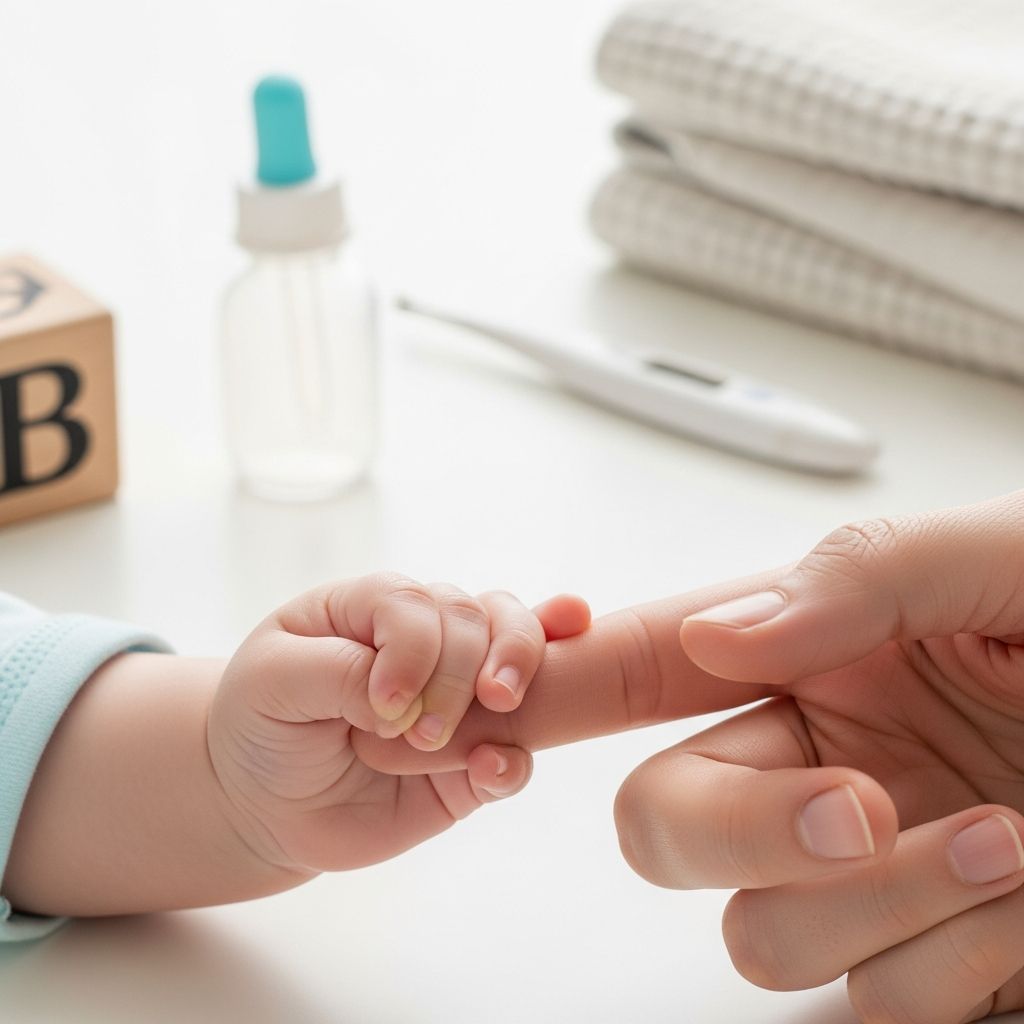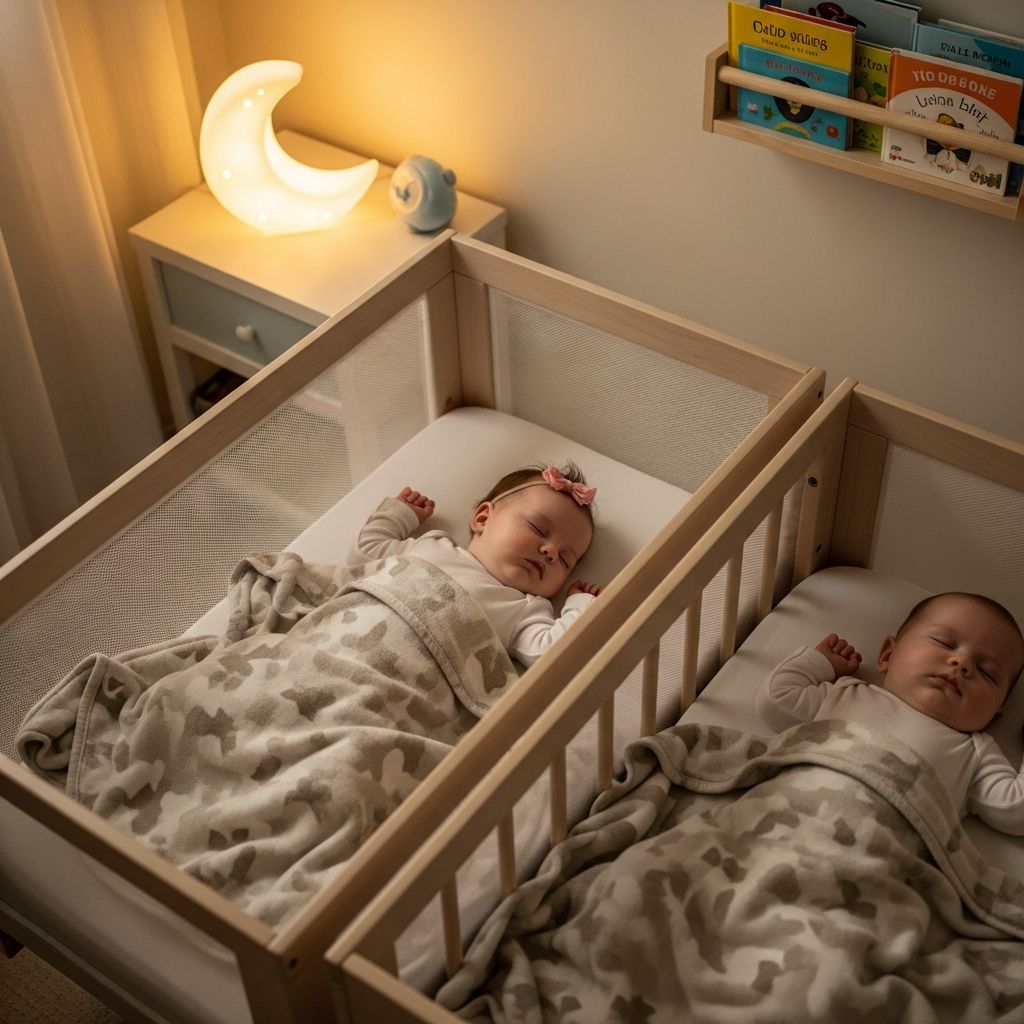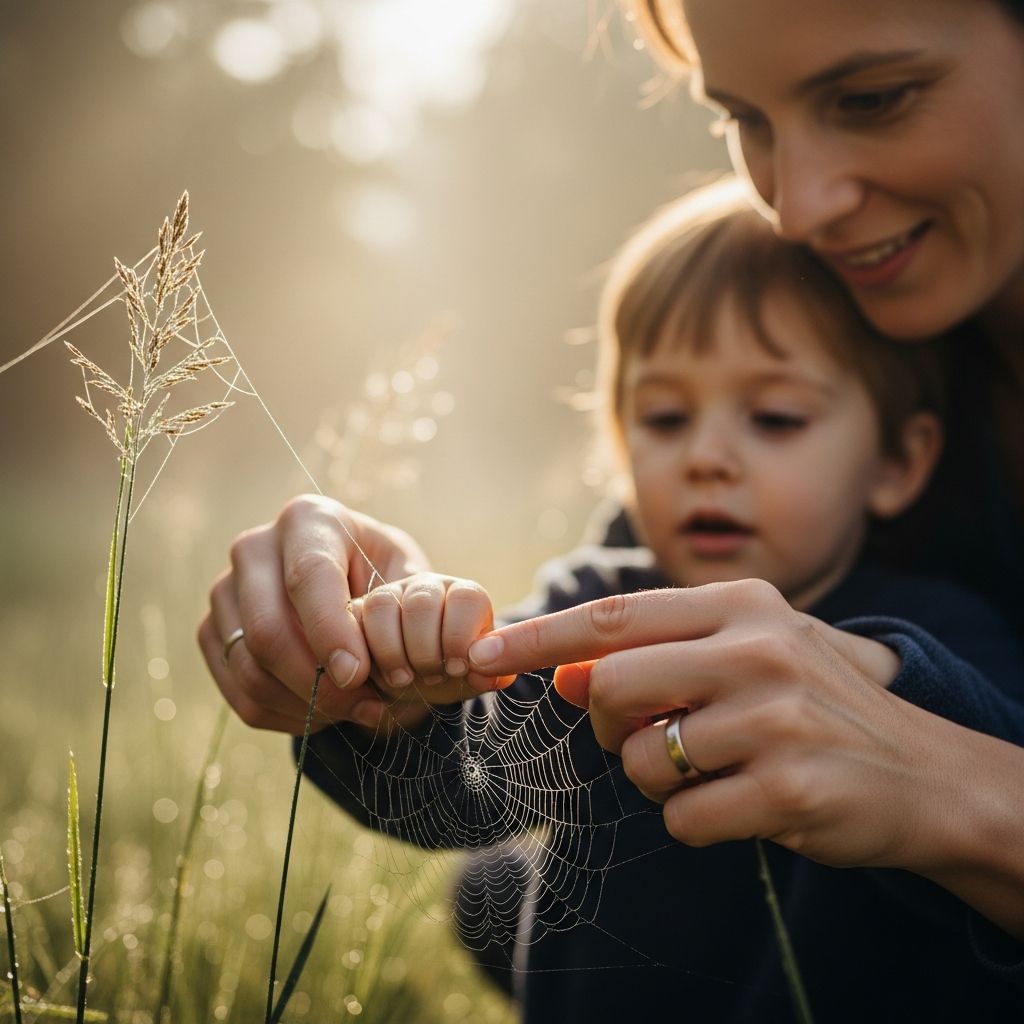
In the whirlwind of parenthood, certain achievements stand out like beacons: the first word, the initial crawl, or that triumphant first birthday. Yet, some of the most transformative experiences slip under the radar, only revealing their profound impact years later. These understated milestones redefine relationships, foster independence, and etch indelible memories into the fabric of family life. Drawing from developmental psychology and parental anecdotes, this article delves into those pivotal moments that quietly alter the course of parenting.
The Quiet Triumphs of Infancy
Infancy brims with tiny victories that parents often overlook amid sleep deprivation and routine care. One such moment is when your baby first settles into uninterrupted sleep through the night. According to the American Academy of Pediatrics, consistent sleep patterns emerge around 6 months, signaling neurological maturation and self-regulation skills.
- Sleep Independence: That first full night without feeds or rocking isn’t just restful for you—it’s a cornerstone of your child’s circadian rhythm development.
- Self-Soothing Mastery: Witnessing a fussy infant thumb-suck or cuddle a lovey marks the dawn of emotional resilience.
Another gem is the debut of unprompted smiles directed solely at you. Beyond reflexive grins, these intentional beams around 2-3 months indicate social bonding and recognition, as outlined in studies from the National Institutes of Health (NIH). They transform exhaustion into euphoria, cementing the parent-child attachment.
Toddler Breakthroughs That Redefine Daily Life
As toddlers assert their autonomy, subtle shifts occur. Picture the day your little one grabs a spoon and feeds themselves, even if it’s messy. This fine motor milestone, typically around 18 months per CDC guidelines, heralds cognitive growth and a surge in self-confidence.
| Milestone | Average Age | Impact on Parenting |
|---|---|---|
| Spoon Self-Feeding | 18 months | Less hands-on mealtimes, more shared family dinners |
| Undressing Themselves | 24 months | Boost in privacy and independence routines |
| Buttoning Clothes | 30-36 months | Streamlined mornings, pride in achievements |
Equally poignant is hearing ‘Mama’ or ‘Dada’ not as babble, but in context—like calling for you during play. This language leap fosters connection and teaches reciprocity in relationships.
Preschool Wonders: Building Emotional Foundations
Preschool years usher in emotional milestones that quietly strengthen family ties. The first time your child shares a toy without coercion speaks volumes about emerging empathy. Research from the CDC highlights that by age 3-4, children grasp turn-taking, laying groundwork for social competence.
Then there’s the unsolicited hug or ‘I love you’ after a tough day. These affirmations, often around age 4, reflect emotional vocabulary growth and secure attachment, per NIH attachment theory studies. They melt away frustrations, reminding parents of their nurturing power.
- Empathy Sparks: Comforting a sibling or pet shows budding compassion.
- Gratitude Gestures: A simple ‘thank you’ for everyday acts builds politeness and appreciation.
School-Age Surprises: Independence Blooms
Entering school brings milestones like tying shoelaces independently. Mastering this dexterity task by age 5-6, as per developmental norms from the CDC, symbolizes readiness for academic challenges and self-reliance.
More heartwarming is the day your child recounts their school day unprompted, chattering about friends and lessons. This narrative skill indicates cognitive processing and trust in sharing experiences, transforming evenings into cherished storytelling sessions.
“These small narratives are windows into their world, bridging the gap between school and home.” – Adapted from child psychology insights.
Don’t overlook the first lost tooth. Beyond the Tooth Fairy’s magic, it marks skeletal maturation and a rite of passage, sparking wonder and family traditions.
The Deeper Shifts in Middle Childhood
As kids hit 7-10 years, milestones evolve. Choosing their own outfit daily signifies decision-making prowess and personal style emergence. Parents step back, watching identity form.
The pinnacle? Hearing ‘I had a great day!’ without qualifiers. This positive self-reflection points to resilience building, crucial for mental health as per recent WHO child development reports.
- Independent homework completion fosters academic autonomy.
- Friend-invited playdates show social navigation skills.
- Solo bike rides embody physical confidence and freedom.
Pre-Teen Turning Points: Emotional Maturation
Approaching adolescence, expect the first heartfelt apology after conflict. Around 10-12, this demonstrates accountability and empathy refinement, key to healthy relationships according to APA guidelines.
Another transformer: Your child defending a sibling or standing up for fairness. It reveals moral development and family loyalty, deepening bonds amid growing independence.
Reflecting on Milestones’ Lasting Echoes
These moments cumulatively sculpt parenting. They shift dynamics from constant oversight to supportive guidance, enriching lives with pride and nostalgia. Cherish them actively—journal, photograph, celebrate—to amplify their joy.
Parental mental health benefits too; studies link milestone appreciation to reduced stress and heightened satisfaction.
Frequently Asked Questions
What if my child misses a milestone?
Variations are normal; consult pediatricians if concerned. CDC trackers help monitor progress.
How can I encourage these moments?
Provide opportunities: safe spaces for practice, positive reinforcement, and patience.
Do dads experience these the same way?
Absolutely—milestones transcend gender, fostering universal parental fulfillment.
Are these universal across cultures?
Core developmental stages are, though expressions vary culturally.
What’s next after major milestones?
Ongoing micro-achievements; stay attuned to continual growth.
References
- Developmental Milestones — Centers for Disease Control and Prevention (CDC). 2024-02-15. https://www.cdc.gov/ncbddd/actearly/milestones/index.html
- Sleep and Your 1- to 3-Month-Old — American Academy of Pediatrics. 2023-11-01. https://www.healthychildren.org/English/ages-stages/baby/sleep/Pages/Sleep-and-Your-1-to-3-Month-Old.aspx
- Child Development: Milestones and Red Flags — National Institutes of Health (NIH). 2025-01-10. https://www.nichd.nih.gov/health/topics/child-development
- Growing Up: Emotional Development in Children — World Health Organization (WHO). 2024-06-20. https://www.who.int/health-topics/early-child-development
- Motor Skills Milestones for Children — American Psychological Association (APA). 2023-09-12. https://www.apa.org/topics/children/motor-skills