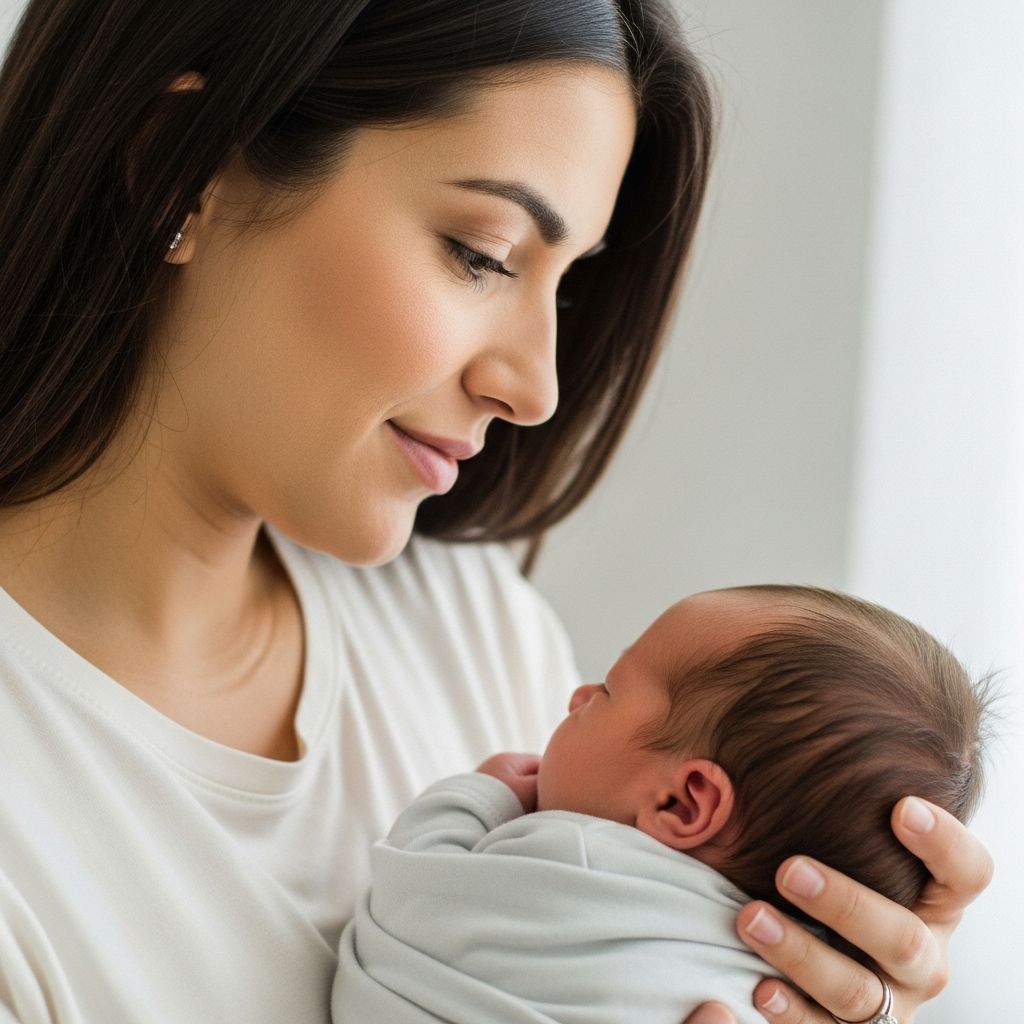
Transitioning into motherhood marks one of the most profound psychological transformations a woman can experience, reshaping her sense of self in unexpected ways. This journey extends far beyond physical changes, involving deep emotional shifts, identity redefinition, and a new worldview centered on nurturing life.
The Hidden Psychological Birth
While pregnancy often garners attention for bodily transformations like a growing belly and hormonal surges, the psychological birth of a mother unfolds quietly yet powerfully. As conception progresses, a woman’s core identity begins to evolve; she questions her beliefs, relationships, career paths, and lifestyle choices. This internal dialogue intensifies as the baby grows, prompting reflections on who she was and who she is becoming.
Research highlights that this shift is not merely additive but a fundamental reconfiguration. The process overlaps with physical pregnancy but stands distinct, demanding emotional labor that redefines priorities and self-perception. For many, it feels all-encompassing, altering psyche in lasting ways that influence every decision.
Pregnancy: The Dawn of Doubt and Wonder
Early pregnancy brings a mix of excitement and uncertainty. Morning sickness, fatigue, and rapid weight gain signal the body’s commitment, yet the mind grapples with impending change. By the second trimester, a visible bump emerges, externalizing the internal shift and drawing societal focus on the mother’s new role.
- Physical markers: Nausea peaks around week 6, exhaustion dominates, and by week 18, the belly ‘pops,’ making the pregnancy undeniable.
- Emotional waves: Tingling disbelief at a positive test evolves into joyful anticipation mixed with fears about readiness.
- Identity queries: Women often reassess freedoms like travel, spontaneity, and career ambitions against the reality of caregiving.
This phase plants seeds of maternal instinct, fostering a protective mindset even before birth.
The Moment of Birth: A Rush of New Reality
Childbirth catapults the psychological transformation into high gear. The physical expulsion opens an ’emotional window,’ unleashing unprecedented love and vulnerability. New mothers describe an instant bond, tears flowing at the baby’s departure from the room, and a ‘baby high’ persisting despite sleep deprivation.
Yet, this euphoria coexists with disorientation. The body heals, but the sense of self fractures. Daily routines vanish, replaced by constant responsiveness to an infant’s needs, leading to isolation and a mourning for the ‘old self’—the carefree, ambitious woman who once existed without interruption.
Postpartum Rediscovery: Love Amid Loss
In the golden first weeks, joy dominates as mothers savor skin-to-skin closeness and those initial milestones. Intense love floods in, unlike any prior emotion, binding her irrevocably to her child. However, as reality sets in, the cost emerges: diminished personal time, altered body image, and a brain rewired for hyper-vigilance.
| Aspect | Pre-Motherhood | New Motherhood |
|---|---|---|
| Daily Freedom | Spontaneous plans, travel, social nights | Scheduled around feeds, naps; limited outings |
| Self-Focus | Career, hobbies, self-care routines | Child’s needs first; personal time scarce |
| Emotional State | Independent highs/lows | Overwhelming love mixed with grief for past self |
This table illustrates common contrasts, underscoring the ‘death’ of prior identity to birth a fuller, though challenged, existence.
Navigating the Emotional Rollercoaster
Every new mother encounters highs of profound connection and lows of doubt. Feelings of inadequacy arise—’Am I fit for this?’—especially when sleep-deprived or facing feeding struggles. Yet, these are normal responses to a monumental shift, not indicators of failure.
Gradual adaptation occurs through daily interactions: recognizing cries, mastering soothing techniques, and witnessing growth spurts. This builds confidence, transforming initial overwhelm into competent maternal intuition.
Challenges of the New Mom Phase
- Sleep disruption: Fragmented rest heightens irritability and clouds judgment.
- Isolation: Limited social interactions breed loneliness; support networks are crucial.
- Body changes: Postpartum recovery varies, with swelling and weight gain prompting self-consciousness.
- Guilt cycles: Mourning lost freedoms feels taboo amid societal pressure to embrace motherhood unquestioningly.
Speaking up is vital. New moms must voice needs for rest, help, or reassurance to combat isolation.
Building Resilience: Strategies for Thriving
To embrace this transformation:
- Seek community: Connect with other mothers via groups or online forums for validation.
- Prioritize self-care: Short walks, naps when baby naps, and nutritious meals sustain energy.
- Reframe loss: View the ‘old self’ as evolving, not erased—hobbies can adapt to new rhythms.
- Professional support: Therapy or counseling normalizes grief and prevents escalation to postpartum mood disorders.
Mothers who acknowledge the dual nature—joyous gain alongside poignant loss—navigate better, honoring both selves.
Frequently Asked Questions (FAQs)
Is it normal to grieve my previous life after becoming a mother?
Yes, mourning the end of pre-motherhood freedoms is a common, human reaction to identity shift, distinct from postpartum depression.
How long does the ‘baby high’ last?
Many experience it intensely for weeks to a year, fueled by hormones and milestones, though it ebbs with routine challenges.
What if I don’t feel instant love for my baby?
Bonding develops gradually for some; patience and skin-to-skin contact foster it over time.
How can I manage isolation as a new mom?
Speak up to family and friends about needs, join mom groups, and schedule short social outings.
Does my identity ever return to ‘normal’?
It evolves into a richer version; motherhood integrates with prior self, creating a multifaceted identity.
Long-Term Transformation: A New Chapter
Over months and years, the acute phase softens. Mothers integrate their transformed selves, finding deeper purpose amid chaos. Relationships deepen, resilience grows, and a quiet wisdom emerges from the crucible of early parenthood. This journey, though demanding, unlocks unprecedented capacity for love and growth.
Understanding it as a psychological rebirth empowers women to embrace the fullness of motherhood without denial of its complexities.
References
- The Birth of a Mother: A Psychological Transformation — Journal of Prenatal and Perinatal Psychology and Health. 2020. https://www.birthpsychology.com/wp-content/uploads/journal/published_paper/volume-34/issue-5/vwmfBdzE.pdf
- I became a mother, and died to live — Renegade Mothering. 2013-02-09. https://renegademothering.com/2013/02/09/i-became-a-mother-and-died-to-live/
- I didn’t feel fit to be a mother — Salon. 2015-12-21. https://www.salon.com/2015/12/21/i_didnt_feel_fit_to_be_a_mother_i_was_holding_it_together_pushing_through_getting_by_and_then_one_night_i_wasnt/
- Journey to Motherhood: My First Pregnancy and Birth — Baby Chick. N/A. https://www.baby-chick.com/my-journey-to-motherhood/
- Dear New Mom: Please Speak Up — Her View From Home. N/A. https://herviewfromhome.com/motherhood-new-mom-speak-up/