Understanding the Foundation of Maternal Gratitude
Motherhood represents one of life’s most transformative experiences, fundamentally altering how women perceive themselves, their relationships, and the world around them. The journey into parenthood opens a unique emotional landscape where feelings of appreciation and thankfulness become woven into daily life. These emotions extend far beyond simple acknowledgment of blessings; they represent a profound recognition of privilege, resilience, and the extraordinary capacity women possess to nurture, protect, and guide developing human beings.
The practice of acknowledging what we appreciate as mothers serves multiple psychological and relational benefits. Gratitude practices help maintain emotional equilibrium during the challenging seasons of parenting, foster deeper connections within families, and create an environment where children learn to recognize and value the efforts that sustain their wellbeing. When mothers cultivate awareness of their blessings, they model emotional intelligence and resilience for their children, teaching them to find meaning and contentment even during difficult circumstances.
The Marvel of Physical Transformation and Body Appreciation
One of the most overlooked sources of maternal gratitude centers on the remarkable physical journey that pregnancy, birth, and early parenting represent. A mother’s body undergoes extraordinary changes—carrying another human, sustaining new life, and continuing to nourish and protect after birth. Many mothers report developing a newfound respect for their physical forms after witnessing what their bodies can accomplish.
This appreciation often extends beyond the biological functions of reproduction. Mothers frequently express gratitude for the strength their bodies demonstrate through the physical demands of parenting: the endurance required for sleepless nights, the patience needed to carry toddlers for hours, and the comforting embrace that soothes crying children. The visible marks of motherhood—whether stretch marks, changes in body shape, or new scars—become badges of honor rather than sources of regret.
This transformed relationship with one’s physical self contributes to deeper self-acceptance and confidence. Many mothers report that despite physical changes, their improved understanding of their body’s capabilities creates a more authentic and grounded sense of self-worth than they experienced before becoming mothers. The body that created and sustains life becomes a source of pride and gratitude rather than a subject of criticism.
Courage Development and Personal Growth Through Parenting
Motherhood catalyzes personal growth in ways that few other life experiences can match. The responsibility of raising another human being often pushes mothers beyond their perceived limitations, requiring them to develop courage they may not have known they possessed. Whether facing difficult medical decisions, navigating challenging behavioral situations, or advocating for a child’s needs, mothers frequently find themselves taking risks and making bold choices they would never have attempted in their pre-parenting lives.
This process of expanding personal boundaries creates a virtuous cycle. As mothers successfully navigate challenges and take calculated risks on behalf of their children, they build confidence that transfers to other areas of their lives. Many mothers discover talents they didn’t know they had, develop competence in areas they previously avoided, and ultimately transform into more capable, assertive versions of themselves.
Children also contribute directly to parental courage. In the eyes of children, mothers often see themselves reflected back as capable, strong, and worthy of admiration. This image—even when mothers struggle with self-doubt—provides motivation to become the person their children already believe them to be. The unconditional admiration from children serves as a psychological foundation that encourages mothers to pursue goals and take risks they might otherwise avoid.
Shifting Perspectives on What Truly Matters
Parenthood fundamentally reorganizes priorities. Issues that seemed urgent before children arrive often fade in importance, replaced by deeper concerns about values, character development, and meaningful connections. This recalibration of perspective represents one of the most valuable gifts motherhood provides, though mothers don’t always initially recognize it as such.
Children naturally pull parents toward a simpler, more authentic way of viewing life. They question social norms, resist unnecessary complications, and focus their attention on what brings genuine joy rather than what society suggests should matter. This innocence and directness gradually shape parental thinking, encouraging mothers to examine their own assumptions about success, happiness, and fulfillment.
Many mothers report that parenting has made them more conscientious about their impact on the world. Knowing they are raising the next generation increases awareness of environmental issues, social justice concerns, and ethical questions. This expanded consciousness, while sometimes weighing heavily, also provides deeper purpose and meaning. Mothers increasingly find themselves asking not just what’s best for their families, but what legacy they’re leaving for their children’s future.
The Power of Unconditional Love and Emotional Connection
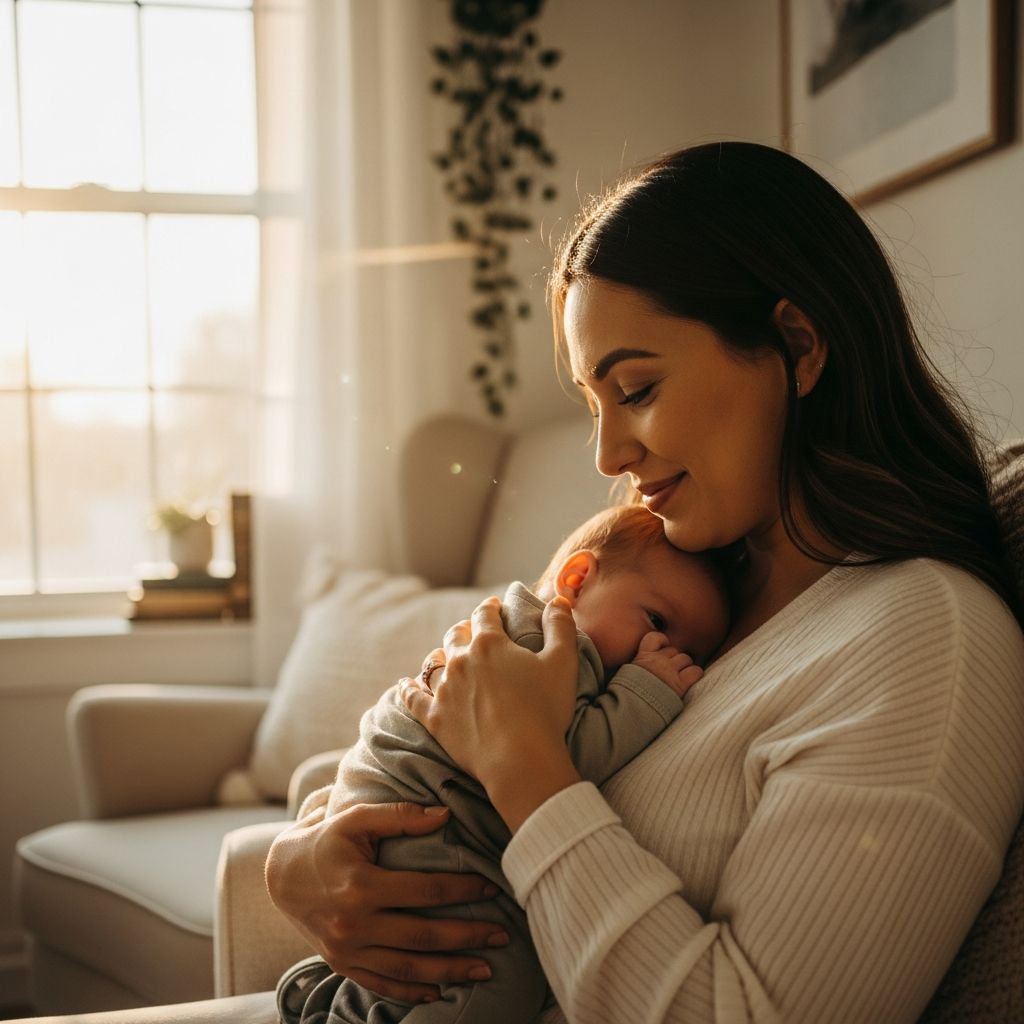
Perhaps the most visceral source of gratitude for mothers lies in experiencing unconditional love. The ability to love completely without reservation—to feel one’s heart expand beyond what seemed possible—constitutes an emotional awakening for many mothers. This love manifests in small daily moments: the embrace of a child seeking comfort, the pure joy of hearing “I love you, Mommy,” or the peaceful contentment of watching a sleeping child.
Children express affection with remarkable purity, untainted by the conditional nature of adult relationships. Their physical expressions of love—spontaneous hugs, unexpected kisses, or the way they seek out a mother’s presence—provide emotional nourishment that sustains mothers through challenging periods. When sleep deprivation and stress test maternal reserves, these moments of connection often tip the scales, reminding mothers why they endure the difficult aspects of parenting.
The emotional bonds formed through motherhood also teach mothers about their own capacity for resilience and forgiveness. Children inevitably disappoint, frustrate, and test boundaries, yet mothers find themselves loving them fiercely regardless. This exercise in unconditional acceptance gradually transforms how mothers relate to themselves and others, fostering greater compassion across all their relationships.
Shared Passions and Creating Meaningful Memories Together
One of the delightful surprises of motherhood involves discovering shared interests with children. Whether a mother passes down a love of cooking, introduces children to favorite sports, shares cultural traditions, or cultivates appreciation for specific hobbies, these shared experiences create irreplaceable memories and strengthen family bonds.
The opportunity to introduce children to cherished interests carries special significance. Food tastes better when prepared together, entertainment becomes more enjoyable when shared, and favorite activities gain new dimensions when experienced through a child’s fresh perspective. These moments represent more than simple recreation—they constitute the threads that weave family identity and create lasting connections.
Additionally, discovering that children have inherited interests or talents similar to their mothers’ provides a unique source of joy and continuity. Seeing aspects of oneself reflected in one’s children, whether in personality traits, creative talents, or intellectual curiosities, creates a sense of meaningful legacy and generational connection.
Partnership and Shared Parenting Responsibilities
For mothers in partnerships, the shared journey of parenthood often transforms the relationship with one’s partner. Navigating pregnancy, birth, infancy, and childhood together creates experiences and challenges that can deepen intimacy and mutual respect. Witnessing a partner embrace the role of parent, support during difficult moments, and celebrate milestones together strengthens the foundation of the relationship.
The practical support of a co-parent—sharing nighttime duties, managing competing household demands, or simply providing backup during chaotic moments—profoundly impacts a mother’s wellbeing and experience. Many mothers express deep gratitude for partners who approach parenting not as assistance with “women’s work” but as genuine shared responsibility and joy. This equal partnership approach creates space for mothers to maintain their identities beyond motherhood while still fully embracing their parental roles.
Even when partnerships face strain under parenting pressures, many couples report that successfully navigating challenges together ultimately strengthens their bond. Working as a team toward shared goals related to child-rearing creates mutual understanding and appreciation that transfers to other areas of the relationship.
The Often-Overlooked Comforts and Small Victories
Gratitude in motherhood isn’t limited to profound realizations; it equally encompasses appreciation for small comforts and minor victories that make daily life manageable. These practical appreciations might seem trivial on the surface but collectively constitute the scaffolding that holds the parenting experience together.
Simple pleasures gain new significance in the context of parenthood: a full night’s sleep becomes precious rather than taken for granted, a hot beverage consumed without interruption represents luxury, and a moment of unscheduled free time feels like an unexpected gift. Mothers frequently express gratitude for practical tools that ease their workload—whether technology that entertains during grocery shopping, clothing with pockets for hands-free parenting, or prepared meals that eliminate dinner planning stress.
Small victories—a child successfully using the toilet independently, resolving a conflict with a sibling without escalation, or trying a new food—deserve celebration and gratitude. These moments represent progress in child development and often indicate successful parenting strategies, worthy of recognition even when they might seem routine to outside observers.
Community and the Significance of Fellow Mothers
The community of other mothers represents an invaluable source of support, understanding, and perspective. Friendships with other mothers who navigate similar challenges provide practical advice, emotional validation, and the comforting knowledge that one’s struggles are not uniquely isolating. This “mama tribe” offers collective wisdom accumulated through diverse parenting experiences and provides reassurance during moments of doubt or crisis.
Equally important are friendships maintained with non-parents, which serve as reminders of identity beyond motherhood and provide connections to the pre-parenting version of self. These friends offer perspective, engage in adult-focused conversation, and demonstrate that one’s value extends beyond parenting accomplishments. Both types of friendships contribute essential elements to maternal wellbeing and complete identity.
Frequently Asked Questions
Q: How can I cultivate more gratitude in my daily parenting experience?
A: Consider establishing a daily practice of noting three specific moments or aspects of parenting for which you feel grateful. Start small with simple observations—a child’s smile, a helpful partner, or a successful meal—and gradually allow deeper appreciations to emerge naturally. Sharing gratitude with others amplifies its benefits.
Q: Is it normal to feel both gratitude and frustration as a mother?
A: Absolutely. Motherhood encompasses the full spectrum of human emotions. Gratitude and frustration coexist naturally; acknowledging both creates realistic expectations and prevents guilt about not feeling constantly appreciative.
Q: How does practicing maternal gratitude affect children?
A: When mothers model gratitude through their words, actions, and attitudes, children internalize this orientation toward life. They learn to recognize blessings, develop resilience, and cultivate their own capacity for appreciation and emotional awareness.
Q: Can gratitude practices help during particularly challenging parenting phases?
A: Yes. During difficult phases like newborn sleep deprivation or behavioral challenges, gratitude practices can provide psychological balance and perspective. Acknowledging what is working alongside what is difficult creates emotional resilience and hope.
Q: How can single mothers cultivate community support for their gratitude practice?
A: Building intentional connections with other parents through parenting groups, schools, religious communities, or online networks creates similar supportive structures. Many single mothers find that explicitly naming their appreciation for specific supporters strengthens these vital relationships.
References
- The Power of Gratitude in Daily Life — Greater Good Science Center, University of California Berkeley. 2024. https://greatergood.berkeley.edu/article/item/why_gratitude_is_good
- Maternal Health and Wellbeing: The Role of Positive Psychology — American College of Obstetricians and Gynecologists (ACOG). 2024. https://www.acog.org/womens-health/faqs/mental-health-and-pregnancy
- Parental Stress and Coping: Building Resilience Through Social Support — American Psychological Association. 2023. https://www.apa.org/science/about/psa/parenting
- The Impact of Gratitude on Emotional Resilience and Family Relationships — Journal of Family Psychology, American Psychological Association. 2023. https://www.apa.org/pubs/journals/fam
- Children’s Emotional Development and Parental Modeling of Appreciation — Zero to Three: National Center for Infants, Toddlers and Families. 2023. https://www.zerotothree.org/