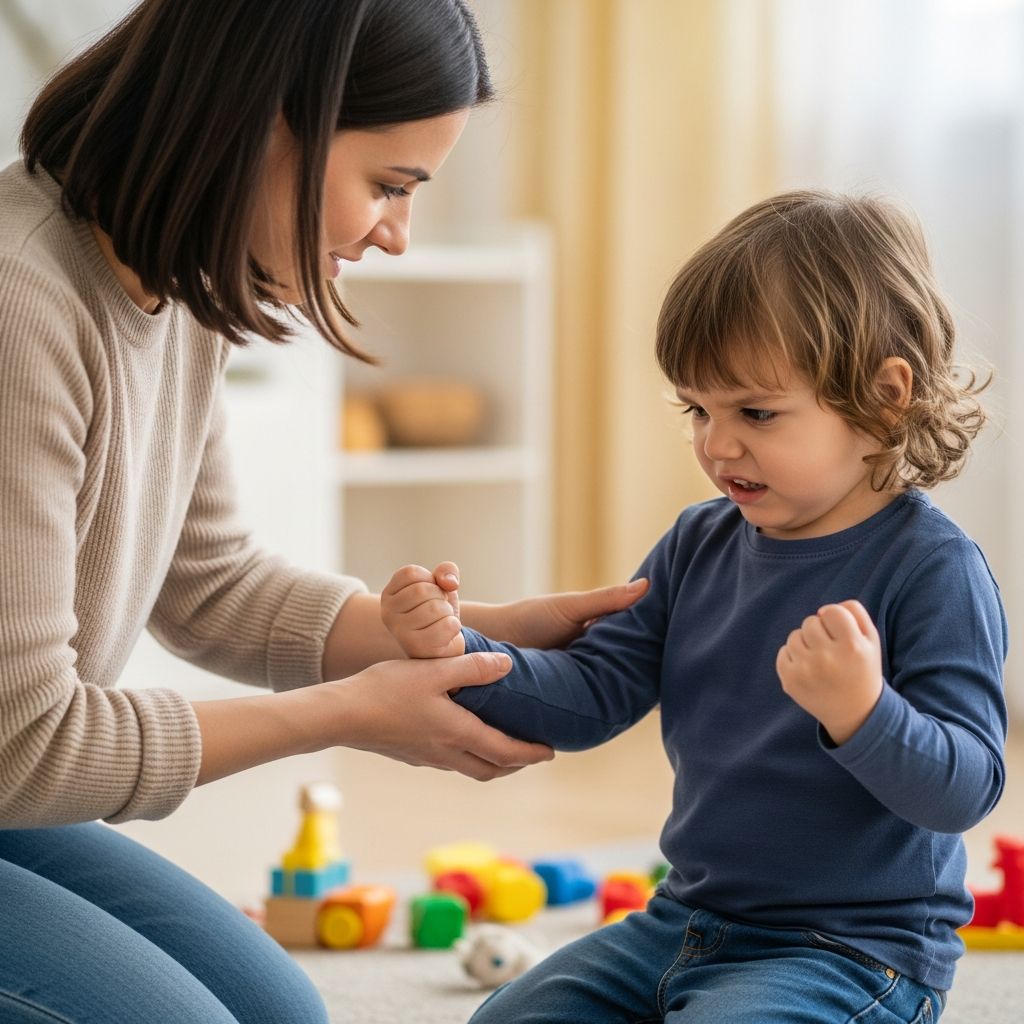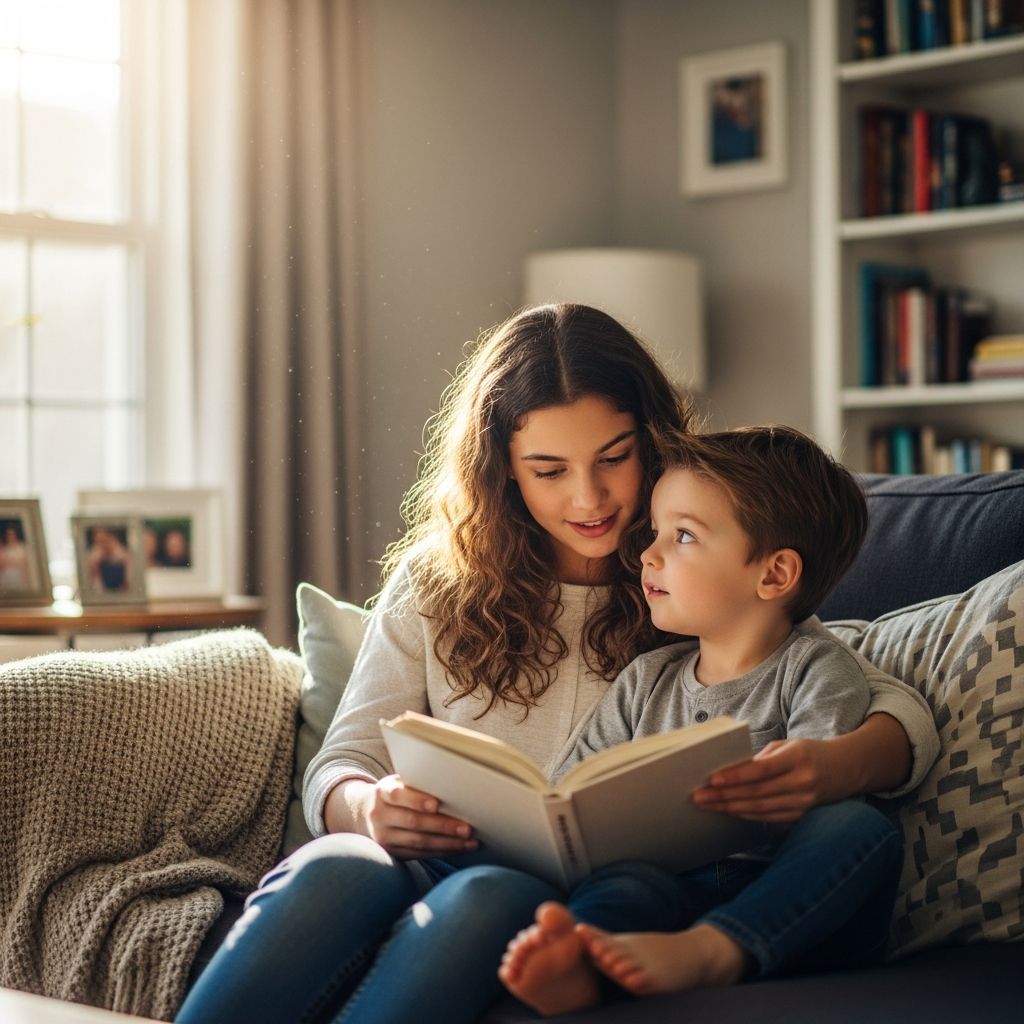
Family dynamics play a crucial role in emotional development, with siblings emerging as key influencers beyond parental guidance. Research demonstrates that interactions between brothers and sisters cultivate empathy, compassion, and social skills from early childhood through adolescence.
The Bidirectional Influence of Sibling Empathy
Contrary to traditional views emphasizing older siblings as primary role models, recent studies highlight mutual influences where both younger and older siblings enhance each other’s empathic abilities. In a longitudinal study of 452 diverse sibling pairs in Canada, researchers observed empathy through controlled scenarios involving an adult displaying pain or sadness. Testing occurred when the younger sibling was 18 months and repeated at 36 months, revealing that empathic behaviors in one sibling predicted growth in the other’s empathy over 18 months.
This bidirectional effect challenges assumptions that development flows only from older to younger. Younger siblings who exhibit kindness and supportiveness significantly boost empathy in their older counterparts, suggesting family interventions should engage all members.
Age Gaps and Their Impact on Emotional Learning
The spacing between siblings modulates these influences. Larger age differences amplify the older sibling’s role in modeling prosocial behaviors for the younger one, as more experienced elders provide clearer examples of emotional regulation and care. For instance, in families with up to four-year gaps, wider separations strengthened the senior sibling’s impact, likely due to heightened teaching opportunities.
However, younger siblings’ influence on older ones remains robust regardless of gap size, indicating that even infants can reinforce caring actions through responsive mimicry.
Gender Dynamics in Sibling Empathy Building
Gender introduces nuances. Empathic younger brothers do not significantly affect older sisters’ empathy development, possibly due to differing socialization patterns or relational expectations. In contrast, younger sisters often exert strong positive effects across genders, aligning with broader findings that sister relationships buffer against negative emotions like loneliness and guilt.
| Factor | Influence on Older Sibling | Influence on Younger Sibling |
|---|---|---|
| Large Age Gap | Moderate | Strong (modeling effect) |
| Empathic Younger Brother | Weak (esp. on sisters) | N/A |
| Empathic Younger Sister | Strong | N/A |
| Overall Bidirectional | Significant | Significant |
This table summarizes key moderators from Canadian and Tel Aviv University studies, illustrating how relational variables shape empathy trajectories.
Mechanisms Behind Sibling-Driven Empathy Growth
How do these influences operate? Younger siblings may reinforce older ones’ caring by mirroring behaviors, creating rewarding feedback loops. For older siblings, nurturing a responsive younger one fulfills developmental needs, solidifying prosocial traits. Warmer relationships correlate with mutual empathy and protection from environmental stressors, extending beyond infancy into school years.
Observations in home settings, where researchers simulated mishaps like toy breakage or self-injury, captured authentic responses. Video-coded data confirmed empathy gains, underscoring siblings as active agents in socioemotional learning.
Long-Term Effects from Childhood to Adolescence
Empathy development persists across ages. A study tracking youths aged 7-14 found sibling warmth linked to rising empathy levels, with effects strengthening post-age 11 amid adolescent changes. Closer bonds offered insights into others’ perspectives, enhancing problem-solving and social skills.
Positive sibling ties twice as strongly predict charitable acts compared to parenting, with loving relationships—regardless of birth order—fostering helpfulness like aiding neighbors.
- Sibling warmth averages higher empathy across youth.
- Effects intensify yearly during teen transitions.
- Second-borns show stronger socialization from elders.
Mental Health Benefits of Sibling Connections
Beyond empathy, siblings mitigate mental health risks. Adolescents with sisters report less loneliness, guilt, and fear, irrespective of age or order. This protective effect spans genders, promoting resilience.
Canadian findings echo that empathic siblings shield against disruptions, while warmth counters adverse factors, highlighting families as empathy incubators.
Implications for Parents and Family Interventions
These insights shift paradigms: family services must include younger siblings in developmental support, not just parents and elders. Policy could leverage sibling teaching for empathy-building programs.
Parents can nurture these bonds by encouraging positive interactions, modeling empathy, and monitoring dynamics. Recognizing younger siblings’ roles empowers holistic child-rearing strategies.
Broader Social and Psychological Outcomes
Sibling experiences predict lifelong traits. Empathic foundations from family translate to peer relations, reducing behavioral issues and boosting cooperation. Studies affirm siblings as vital for understanding diverse viewpoints, rivaling parental impacts.
In diverse samples—including immigrants—universal patterns emerge, suggesting cross-cultural relevance.
Frequently Asked Questions
Do younger siblings really influence older ones’ empathy?
Yes, research shows empathic younger siblings promote empathy growth in older ones over time, via mimicry and reinforcement.
Does sibling age difference matter for emotional development?
Larger gaps enhance older siblings’ modeling for younger ones, but younger siblings affect elders consistently.
Are sisters more influential than brothers in building empathy?
Sisters provide broad mental health protections; younger brothers’ effects are weaker, especially on older sisters.
Can sibling relationships outweigh parental influence?
In prosocial behaviors, yes—loving siblings double the predictive power for good deeds compared to parents.
How was empathy measured in these studies?
Via observed responses to simulated pain/sadness in adults or toy breakage, coded from videos longitudinally.
This article synthesizes findings from rigorous studies, emphasizing siblings’ underappreciated role in forging compassionate individuals. Strong family ties yield enduring emotional benefits.
References
- Younger siblings who display more empathy help early childhood development — Child and Family Blog. 2023-10-15. https://childandfamilyblog.com/siblings-empathy-early-childhood-development/
- Having a sibling makes you more empathetic, study finds — American Friends of Tel Aviv University. 2023-08-22. https://www.aftau.org/news_item/having-a-sibling-makes-you-more-empathetic-study-finds/
- New research shows siblings can make you more empathic — Big Think. 2023-07-19. https://bigthink.com/sex-relationships/new-research-shows-siblings-can-make-you-more-empathic/
- Sibling Relationships and Empathy Across the Transition to Adolescence — PMC / National Library of Medicine (.gov). 2012-11-01. https://pmc.ncbi.nlm.nih.gov/articles/PMC3493674/
- Sisters give siblings better mental health, study shows — BYU News (.edu). 2010-07-15. https://news.byu.edu/news/sisters-give-siblings-better-mental-health-study-shows