The Foundation of Family Connection Through Shared Rituals
In an increasingly fast-paced world where families juggle multiple commitments and schedules, intentional moments of togetherness have become more valuable than ever. Shared rituals—whether they occur daily, weekly, or seasonally—serve as anchors that hold families together and create a sense of purpose and belonging. These meaningful practices extend far beyond simple activities; they represent the heart of family life and the values that define each unique household.
Research spanning decades demonstrates that families who maintain consistent rituals experience stronger relationships, better emotional health, and increased resilience during challenging times. The practice of gathering together for shared experiences creates a foundation upon which children develop confidence, security, and a strong sense of identity. Understanding the power of these rituals can help parents intentionally design family life that prioritizes connection and meaning.
How Shared Rituals Create Emotional Security in Children
Children thrive when their world feels predictable and safe. The establishment of regular family rituals provides exactly this type of environment. When children know that certain activities happen consistently—whether it’s a weekly game night, a monthly special breakfast, or an annual holiday celebration—they develop a sense of trust in their family structure. This predictability allows children to relax their guard and focus on growth, learning, and relationship building rather than worrying about uncertainty.
The psychological benefits of this security extend into multiple areas of child development. Kids who participate in regular family rituals experience reduced anxiety levels and demonstrate stronger emotional regulation skills compared to peers without such structured family time. The knowledge that their family will gather together repeatedly creates a psychological buffer against life’s stresses, providing children with a safe harbor they can return to.
Beyond emotional security, these rituals help children understand their place within the family system. When children participate in activities that happen “because we always do this,” they internalize the message that they are valued members of a stable unit. This foundational sense of belonging influences everything from their self-esteem to their academic performance and social relationships.
Developing Identity and Cultural Connection Through Ritual Practice
Family rituals serve as a primary mechanism through which children learn about their heritage, values, and cultural identity. When parents intentionally incorporate family history, cultural traditions, or value-based practices into their rituals, they communicate what matters most to their family. A bedtime song passed down through three generations, a special meal prepared using a grandmother’s recipe, or a holiday celebration rooted in cultural tradition all carry meaning that extends beyond the immediate activity.
Children internalize these practices and the values they represent. They begin to understand not just what their family does, but why these practices matter. Over time, children develop a coherent narrative about their family’s identity and their own place within it. This narrative becomes part of their personal identity, influencing their choices, relationships, and how they view themselves in the world.
As children mature into adolescence and adulthood, they often continue these rituals with their own families, perpetuating traditions across generations. Research indicates that this intergenerational transmission of rituals strengthens family bonds across time and creates a sense of connection to ancestors and future generations. The simple act of performing a ritual that one’s parents and grandparents performed creates a tangible link across generations.
The Role of Rituals in Teaching Family Values and Ethics
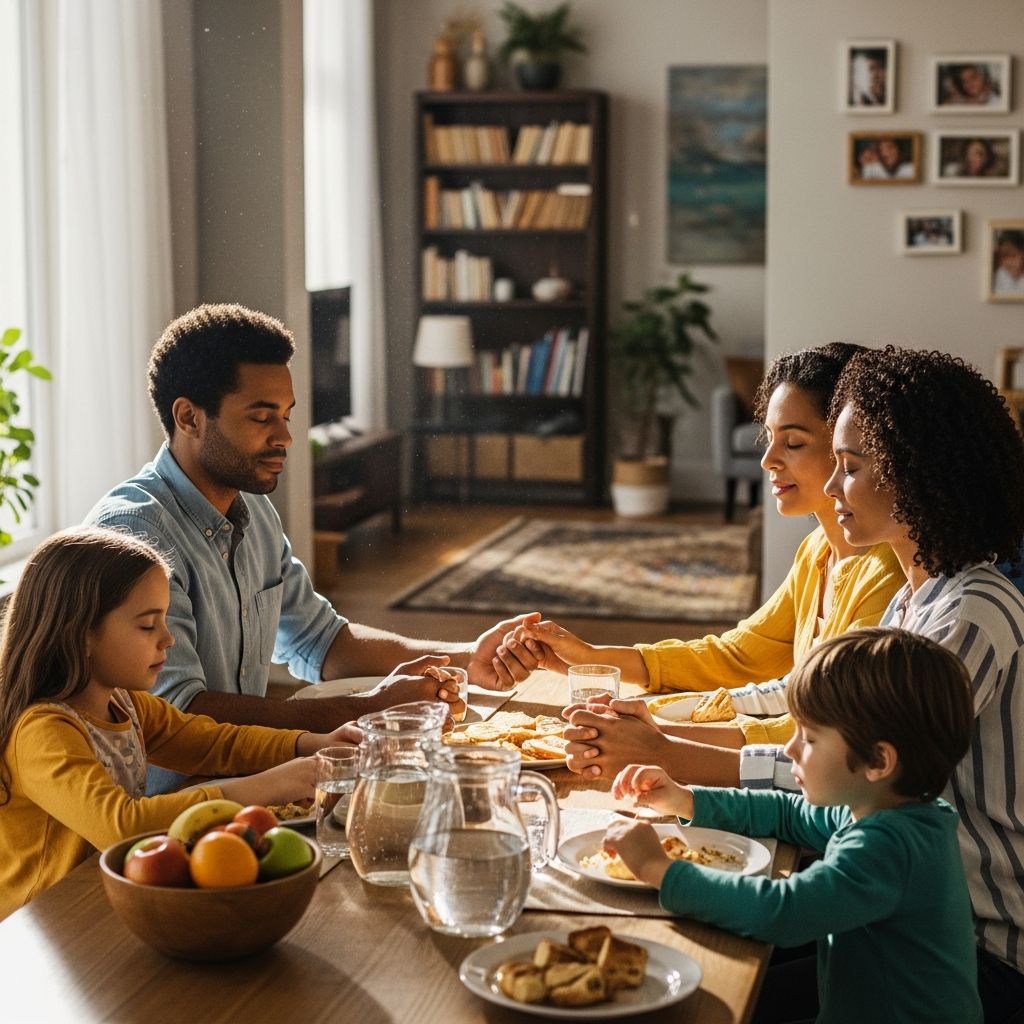
Parents naturally desire to pass on their values to their children, yet direct instruction often falls short. Family rituals provide an experiential method through which values become embedded in family culture. When parents volunteer together as a family, they teach the value of service. When they gather for regular meals without devices, they emphasize the importance of connection. When they celebrate each other’s achievements, they reinforce the value of mutual support.
These value-laden activities are far more powerful than lectures or rules because children experience the values in action. They see their parents modeling generosity, patience, kindness, or perseverance through participation in shared rituals. This modeling creates opportunities for children to practice these values themselves and receive feedback within a loving family context.
Ritual also creates a container for difficult conversations about values. A family discussion during a weekly dinner or a yearly reflection ritual provides a natural context for parents to explore ethical questions with their children. The familiar, comfortable setting of an established ritual makes children more receptive to learning and more likely to internalize the lessons being taught.
Establishing Consistency in an Unpredictable World
Modern family life presents unprecedented challenges to consistency. Competing schedules, work demands, digital distractions, and geographic separation make maintaining regular rituals a deliberate choice. Yet research on family stress and resilience demonstrates that families who maintain their rituals even during difficult periods experience better outcomes. Whether families face financial hardship, illness, divorce, or other challenges, the continuation of family rituals provides psychological stability and reinforces the message that family bonds persist despite external circumstances.
The structure provided by rituals is not restrictive; rather, it creates freedom within a known framework. Children and adults alike experience less stress when they know what to expect. The brain can relax its vigilance when patterns are predictable, freeing cognitive and emotional resources for deeper connection and creative engagement.
Creating consistency doesn’t require elaborate or time-consuming rituals. Research shows that even simple, regular practices—a daily breakfast together, a weekly phone call with extended family, or a monthly outing—provide the benefits of ritual. The key factor is consistency and the intentional dedication of time and attention to these shared experiences.
Diverse Ritual Ideas for Modern Families
Family rituals take countless forms, and the most meaningful rituals are those customized to each family’s unique preferences, values, and circumstances. Consider these categories of rituals that families can adapt:
Daily and Weekly Rituals
- Shared meals where everyone gathers without screens and discusses their day
- Weekly game nights featuring board games, card games, or video games
- Morning routines that set a positive tone for the day
- Bedtime routines with stories, songs, or conversations
- Weekend activities like farmers’ market visits, nature hikes, or creative projects
- Regular phone or video calls with extended family members
Seasonal and Holiday Rituals
- Holiday decorating traditions with specific decorations or music
- Annual camping trips or vacations to meaningful locations
- Birthday celebrations with special meals or traditions
- Seasonal activities like pumpkin picking, cookie baking, or light displays
- Religious or cultural observances that reflect family heritage
- Photo traditions or memory-making activities during holidays
Service and Contribution Rituals
- Monthly volunteering as a family at local charities or community organizations
- Annual giving or fundraising for causes the family cares about
- Neighborhood activities like holiday caroling or neighborhood clean-ups
- Care package preparation for friends, family, or those in need
- Growing a garden together and sharing the harvest
- Creating and sharing meals with others in the community
Creative Expression Rituals
- Family art projects or craft nights
- Music-making or singing together
- Storytelling or reading aloud evenings
- Photography projects documenting family life
- Writing journals or creating family histories
- Performance nights where family members share talents
The Impact on Academic Achievement and Health Outcomes
Beyond emotional benefits, research documents significant correlations between family rituals and measurable life outcomes. Children who participate in regular family meals demonstrate improved academic achievement, better nutritional habits, and healthier weight management compared to peers without this ritual. The benefits extend to mental health outcomes as well; adolescents who maintain family rituals show lower rates of depression and anxiety while experiencing stronger personal identity development.
The mechanisms behind these improvements likely involve multiple factors. Regular family time provides opportunities for parents to remain informed about their children’s lives and challenges. The predictability and sense of security reduces stress that can interfere with learning. The social practice during meals strengthens communication skills and emotional intelligence. Perhaps most importantly, the message conveyed through ritual consistency—that the child matters enough to warrant dedicated family time—builds self-esteem and motivation.
Adapting Rituals as Families Change and Grow
One concern parents sometimes express is that family rituals become stale or lose meaning over time. The reality is that rituals naturally evolve as families progress through different developmental stages. A bedtime ritual that works for young children requires modification for teenagers. Holiday traditions may change when adult children have families of their own. The key is maintaining the spirit and intention of the ritual while adapting its form to current circumstances.
Families that successfully maintain rituals across generations often describe a process of intentional evolution. Core elements remain constant while implementation details shift. A family game night might transition from children’s board games to strategy games as kids mature. A holiday gathering might expand to include in-laws and eventually grandchildren. The fundamental ritual of gathering together remains meaningful even as its specific manifestation changes.
This flexibility makes rituals sustainable across decades rather than fading away in a few years. When families approach rituals with this adaptive mindset, they can maintain connection and meaning even through major life transitions like relocations, divorces, or changing family compositions.
Overcoming Barriers to Ritual Implementation
Many parents recognize the value of family rituals yet struggle to establish or maintain them. Common barriers include busy schedules, competing interests, digital distractions, and uncertainty about what rituals to create. Addressing these barriers requires both practical strategies and mindset shifts.
Starting small often proves most effective. Rather than attempting a complex weekly ritual, families might begin with a fifteen-minute daily practice or a monthly outing. As the smaller ritual becomes established, families frequently find themselves naturally expanding it. Additionally, involving family members in ritual design increases buy-in and commitment. When children have input into what the family ritual will be, they’re more invested in participating.
Technology can support rather than undermine rituals when used intentionally. Some families schedule weekly video calls with distant relatives, use shared calendars to coordinate gathering times, or create digital photo albums documenting ritual moments. The key is using technology in service of connection rather than as a replacement for it.
Creating Rituals That Reflect Your Family’s Unique Identity
The most meaningful rituals are those that emerge from what families genuinely enjoy and value. A ritual that feels authentic and intrinsically rewarding sustains itself far more successfully than one adopted because it’s popular or recommended. This might mean a family’s main weekly ritual is cooking together rather than having family dinner, or that their seasonal tradition involves hiking rather than holiday gatherings.
Parents who create rituals aligned with their family’s personality, values, and lifestyle report that participation feels natural and joyful rather than obligatory. This authenticity transmits to children, who sense whether participation is meaningful or performative. Rituals rooted in genuine family preferences create the strongest bonds and the most lasting memories.
Frequently Asked Questions
Q: What if our family is too busy to maintain regular rituals?
A: Even very busy families can establish meaningful rituals by starting small. A ten-minute daily connection, a weekly phone call, or a monthly gathering requires minimal time but provides significant benefits. The consistency matters more than the duration or complexity.
Q: How do we maintain rituals when children become teenagers?
A: Adapt rituals to match teenagers’ interests and developmental needs. Involve them in redesigning the ritual, adjust timing to their schedules, and choose activities they genuinely enjoy. Many families find that teenagers who initially resist family time become more engaged when rituals feel age-appropriate.
Q: Can rituals be helpful for blended families or families with shared custody?
A: Yes, rituals can be especially valuable during transitions between households. Establishing consistent rituals in each home and potentially shared rituals when families gather helps children feel secure and connected despite the complexity of the arrangement.
Q: What if family members have different interests or schedules?
A: Create multiple rituals to accommodate different interests and develop some all-family rituals that everyone prioritizes. Some families find that smaller rituals with interested members are more sustainable than forced participation in group activities.
Q: How do we know if our rituals are effective?
A: Observe changes in family connection, emotional security, and communication. Children typically demonstrate increased security through improved behavior, better emotional regulation, and voluntary participation in rituals. Families often report feeling more connected and better able to handle challenges together.
References
- The Importance of Family Traditions in Building Strong Bonds — eLearning K12. Accessed February 2026. https://elearningk12.com/the-importance-of-family-traditions-in-building-strong-bonds/
- The Importance Of Holiday Family Traditions — BetterHelp. Accessed February 2026. https://www.betterhelp.com/advice/family/family-traditions-importance-and-respect/
- Family traditions: Start one today — Michigan State University Extension. Accessed February 2026. https://www.canr.msu.edu/news/family_traditions_start_one_today
- Family Traditions Help Kids Make Sense of Life — Institute for Family Studies. Accessed February 2026. https://ifstudies.org/blog/family-traditions-help-kids-make-sense-of-life/
- Why Family Traditions Matter — WebMD. Accessed February 2026. https://www.webmd.com/balance/why-family-traditions-matter
- Traditions – A Foundation for Strong Families — Y Magazine. Accessed February 2026. https://magazine.byu.edu/article/traditions-a-foundation-for-strong-families/
- Family routines and rituals may improve family relationships and child well-being — American Psychological Association. December 2002. https://www.apa.org/news/press/releases/2002/12/rituals