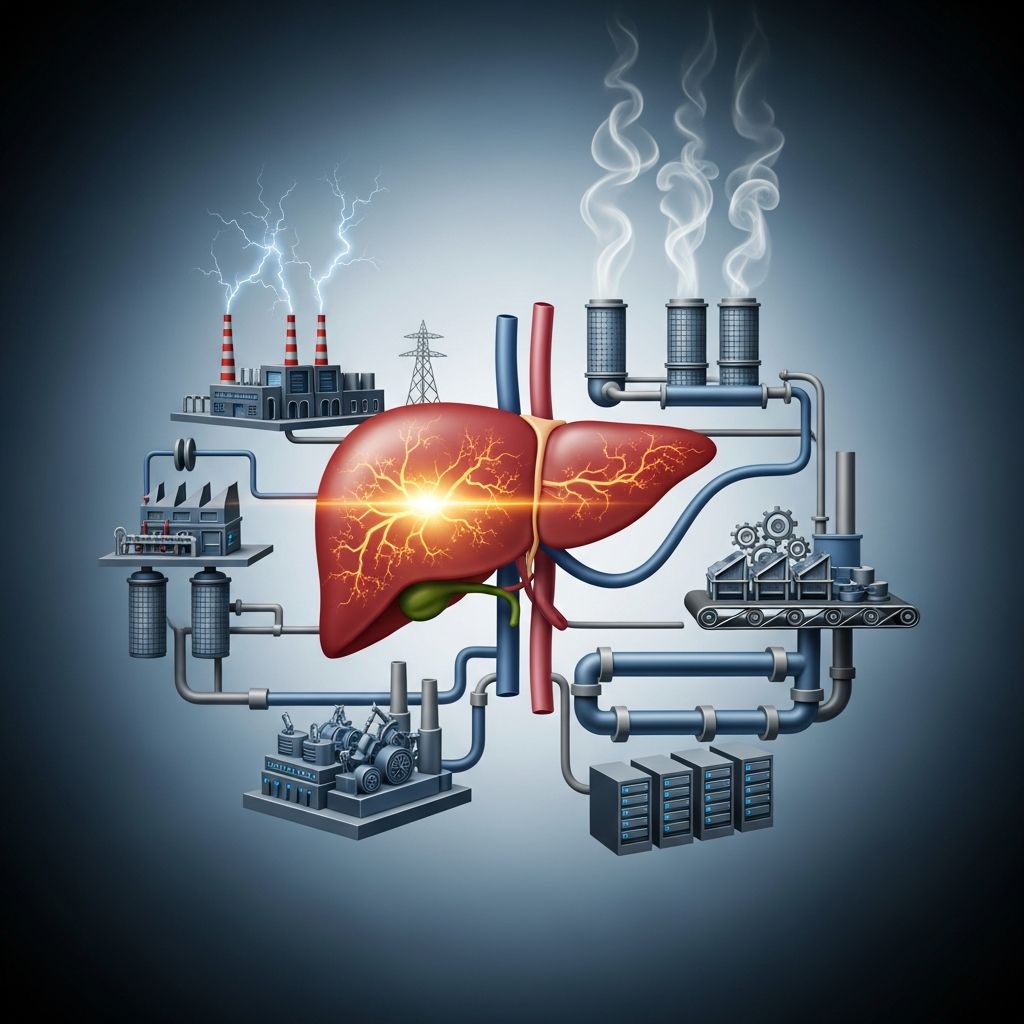
The liver is one of the busiest organs in your body. Even when you are resting, it is working nonstop to clean your blood, help you digest food, store energy, and keep you feeling well.
Meet Your Liver: Location, Look, and Size
Your liver is a large, reddish-brown organ that sits mostly on the right side of your body, just under your ribs and below your lungs.
- Location: Upper right side of your belly (abdomen), protected by your rib cage.
- Shape: Soft, solid organ shaped a bit like a wedge or cone.
- Color: Dark red-brown because it is full of blood vessels.
- Size: In kids, it is one of the biggest organs, second only to your skin.
Doctors say the liver is a vital organ, which means you cannot live without it. Every cell in your body depends on the liver doing its job.
What the Liver Does All Day: Main Jobs in Simple Terms
The liver has hundreds of different tasks, but many of them fall into a few big groups.
- Cleans and filters your blood
- Helps break down and use the food you eat
- Stores energy for later
- Produces important chemicals, like bile and proteins
- Supports your immune system and fights infections
- Helps your body handle medicines and other chemicals
1. The Liver as a Super Cleaner
Blood from your stomach and intestines flows straight to your liver first. That way, the liver can check and clean what is coming from your food before it goes to the rest of your body.
- Removes or changes harmful substances (toxins) from food, drinks, or the environment.
- Helps break down extra medicines so your body can get rid of them safely.
- Filters out old or damaged red blood cells and helps process what is left over.
Think of the liver as a water treatment plant for your blood. It makes sure that what moves on to your heart and other organs is as safe and balanced as possible.
2. The Liver as a Digestive Helper
When you eat, food travels through your digestive system, but the liver is deeply involved in turning that food into useful parts.
- Changes nutrients like proteins, fats, and carbohydrates into forms your body can use or store.
- Controls how much of certain nutrients are in your blood at any moment.
- Works with your intestines to absorb and use vitamins and minerals.
Without your liver, your body could not properly use the food you eat, no matter how healthy it is.
3. The Liver and Bile: Soap for Fat
One of the liver’s most important products is a yellow-green liquid called bile.
- Bile helps break large chunks of fat into tiny droplets so your intestines can absorb them.
- It also helps your body use certain vitamins that dissolve in fat, including vitamins A, D, E, and K.
- Between meals, bile is stored in a small pouch called the gallbladder.
When you eat foods with fat, the gallbladder squeezes bile into your small intestine, where it mixes with food and acts like dish soap on greasy plates.
4. The Liver as an Energy Bank
Your body needs energy all the time, even when you are not eating. The liver helps by storing and releasing sugar (glucose) when needed.
- After a meal, the liver takes extra glucose from the blood and stores it in a form called glycogen.
- Between meals, during sleep, or when you exercise, the liver turns glycogen back into glucose and sends it into your blood.
- This helps keep your blood sugar level steady so your brain and muscles work properly.
This storage system keeps you from running out of energy quickly and helps you feel steady instead of dizzy or weak.
5. The Liver as a Factory for Proteins and More
The liver builds many important proteins and chemicals your body needs every day.
- Makes proteins that help your blood clot when you get a cut.
- Produces albumin, a protein that helps keep fluid in your blood vessels instead of leaking into tissues.
- Helps make and balance cholesterol and other fats needed by your cells.
- Builds substances that carry hormones and vitamins through the bloodstream.
6. The Liver and Your Immune System
The liver is also part of your body’s defense team.
- Contains special cells that can trap and destroy germs that enter your blood from the gut.
- Helps remove bacteria, damaged cells, and waste products.
- Works with your immune system to keep infections from spreading.
Because the liver is the first organ to see blood from your intestines, it is in a perfect position to stop harmful invaders early.
How the Liver Helps Kids Grow and Stay Strong
For children, a healthy liver is especially important because it affects growth and development.
- The liver makes sure your body gets enough energy and building blocks from food to grow taller.
- It helps absorb vitamins that keep your bones strong (like vitamin D) and eyes and skin healthy (like vitamin A).
- It supports your brain by keeping blood sugar and nutrients at safe levels.
- It helps prevent malnutrition and poor growth when it is working well.
| Body Need | What the Liver Does |
|---|---|
| Energy for play and school | Stores and releases glucose to keep energy steady |
| Strong bones and teeth | Helps absorb vitamin D and other nutrients from food |
| Healthy blood | Makes proteins for clotting and keeps fluid balance right |
| Protection from germs | Filters blood from the gut and helps fight infections |
Keeping Your Liver Happy: Everyday Tips for Kids
Most kids do not need to do anything complicated to care for their liver. Simple healthy habits can make a big difference.
Smart Eating for a Strong Liver
- Eat a variety of foods. Include fruits, vegetables, whole grains, dairy (or dairy alternatives), and protein foods like beans, eggs, fish, or lean meat.
- Be gentle with sugar. Too many sugary drinks and snacks can lead to extra fat in the liver over time.
- Healthy fats are okay. Foods like nuts, seeds, fish, and avocados have helpful fats your body can use.
- Listen to your hunger. Eat when you are hungry and try not to overeat just because food is there.
Move Your Body
Regular physical activity helps your whole body, including your liver.
- Play outside, ride a bike, dance, or enjoy sports most days of the week.
- Limit long stretches of screen time when you are just sitting.
- Find fun activities you enjoy so moving feels like play, not a chore.
Stay Away from Harmful Substances
- Never drink alcohol or use vaping or tobacco products. These can damage the liver, especially over time.
- Only take medicines that a trusted adult (and your doctor) gives you, and follow the directions.
- Keep cleaning products, chemicals, and unknown pills away from your mouth and hands.
When the Liver Has Trouble: Basic Ideas for Kids
Sometimes the liver can become inflamed, irritated, or not work as well as it should. Doctors call this liver disease.
There are many kinds of liver problems in children, and they can have different causes, such as:
- Infections (like some types of hepatitis viruses)
- Problems you are born with that affect how the liver works (genetic or metabolic disorders)
- Issues with bile ducts, the tiny tubes that carry bile from the liver
- Reactions to certain medicines or toxins
If liver cells are hurt, blood tests may show elevated liver enzymes, which is often one of the first signs something is wrong.
Possible Signs That the Liver Needs Help
Many liver problems in kids do not cause obvious symptoms at first. But when signs do appear, they might include:
- Feeling very tired or weak
- Yellowing of the skin or eyes (called jaundice)
- Pain or discomfort in the upper right side of the belly
- Dark pee (urine) or very pale poop (stools)
- Itchy skin, swelling in the belly, or trouble gaining weight
If a child has liver disease for a long time, it can affect growth, school, and daily life, so doctors watch the liver carefully and treat problems early when possible.
Visiting the Doctor About Liver Health
If your doctor wants to check your liver, they might:
- Ask questions about how you feel, your energy, and your appetite.
- Examine your belly and skin for signs like tenderness, swelling, or jaundice.
- Order blood tests to see how well the liver is working and whether liver enzymes are high.
- Sometimes use imaging tests, such as an ultrasound, to look at the size and shape of the liver.
These checks help doctors decide whether your liver is healthy or needs special care.
Frequently Asked Questions (FAQs)
Can my liver grow back if part of it is damaged?
The liver has a strong ability to repair itself. If part of it is injured, healthy liver tissue can grow and take over some of the work. But serious or long-lasting damage can be harder to fix, so protecting your liver is still very important.
Do I feel my liver working?
You usually cannot feel your liver working, just like you cannot feel your heart digest food. It quietly does its jobs in the background. You might only feel the liver area if it becomes swollen or sore, which is a sign to see a doctor.
Is the liver part of the digestive system or the blood system?
The liver is part of both. It helps digestion by making bile and processing nutrients, and it helps the blood system by cleaning blood, making proteins, and storing energy used by cells all over your body.
Why do doctors test liver enzymes in blood?
Certain enzymes, like ALT and AST, live inside liver cells. When those cells are irritated or damaged, more of these enzymes leak into the blood. Measuring them can help doctors spot early liver problems, sometimes before you notice any symptoms.
What is one simple thing I can do today for a healthier liver?
A great step is to choose water or milk instead of sugary drinks most of the time and spend part of your day being active rather than sitting. These small choices support a healthy weight and reduce stress on your liver over the years.
References
- Liver Function for Kids — American Liver Foundation. 2023-02-14. https://liverfoundation.org/liver-diseases/pediatric-liver-information-center/kids/
- Liver Nutrition — Children’s Liver Disease Foundation. 2022-06-01. https://childliverdisease.org/liver-information/nutrition/
- Elevated Liver Enzymes in Children — Nationwide Children’s Hospital. 2023-05-10. https://www.nationwidechildrens.org/conditions/elevated-liver-enzymes
- Liver Disorders in Children — Children’s Hospital of Philadelphia. 2023-04-05. https://www.chop.edu/conditions-diseases/liver-disorders
- Metabolic Liver Disease in Children — Children’s Hospital Colorado. 2022-08-19. https://www.childrenscolorado.org/conditions-and-advice/conditions-and-symptoms/conditions/metabolic-liver-disease/
- Symptoms & Causes of NAFLD & NASH in Children — National Institute of Diabetes and Digestive and Kidney Diseases (NIDDK). 2023-07-01. https://www.niddk.nih.gov/health-information/liver-disease/nafld-nash-children/symptoms-causes
- Pediatric Liver Clinic — Mayo Clinic Children’s Center. 2022-11-09. https://www.mayoclinic.org/departments-centers/childrens-center/overview/specialty-groups/pediatric-liver-clinic