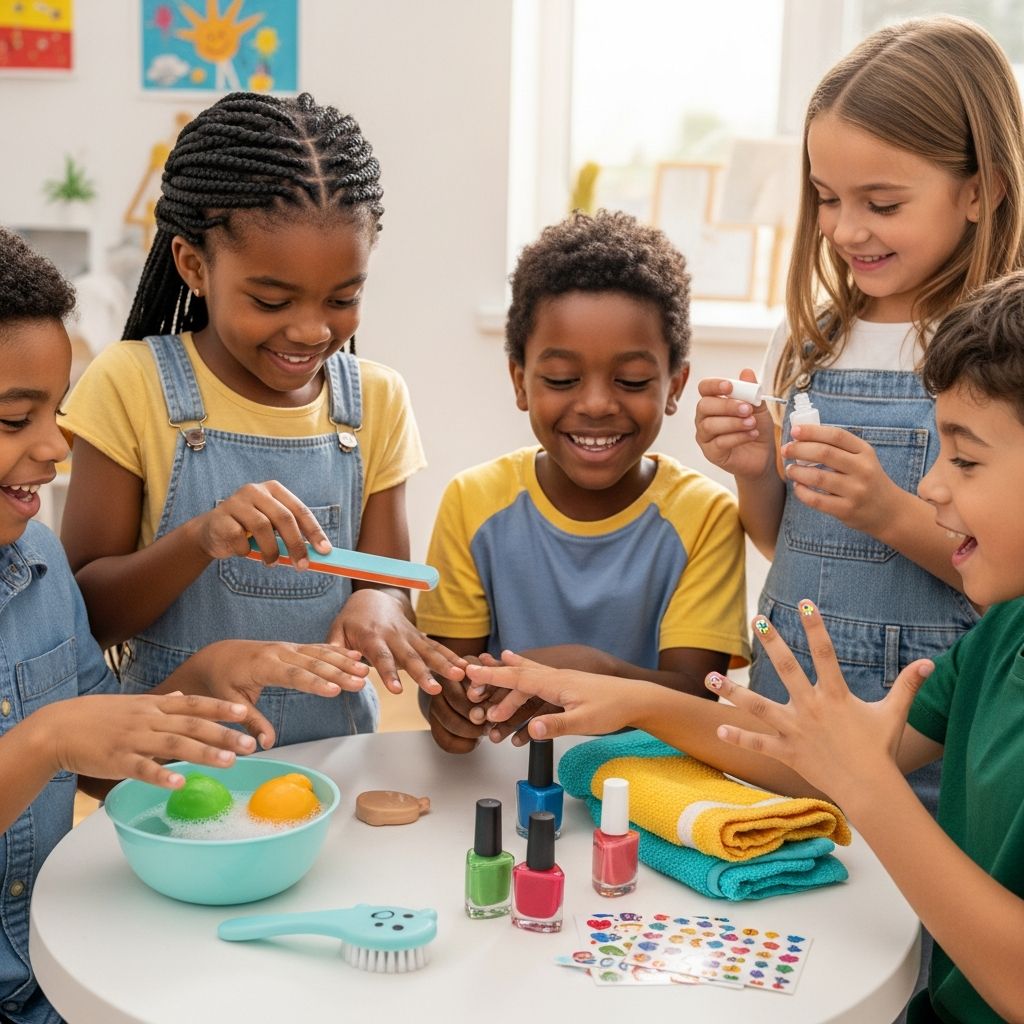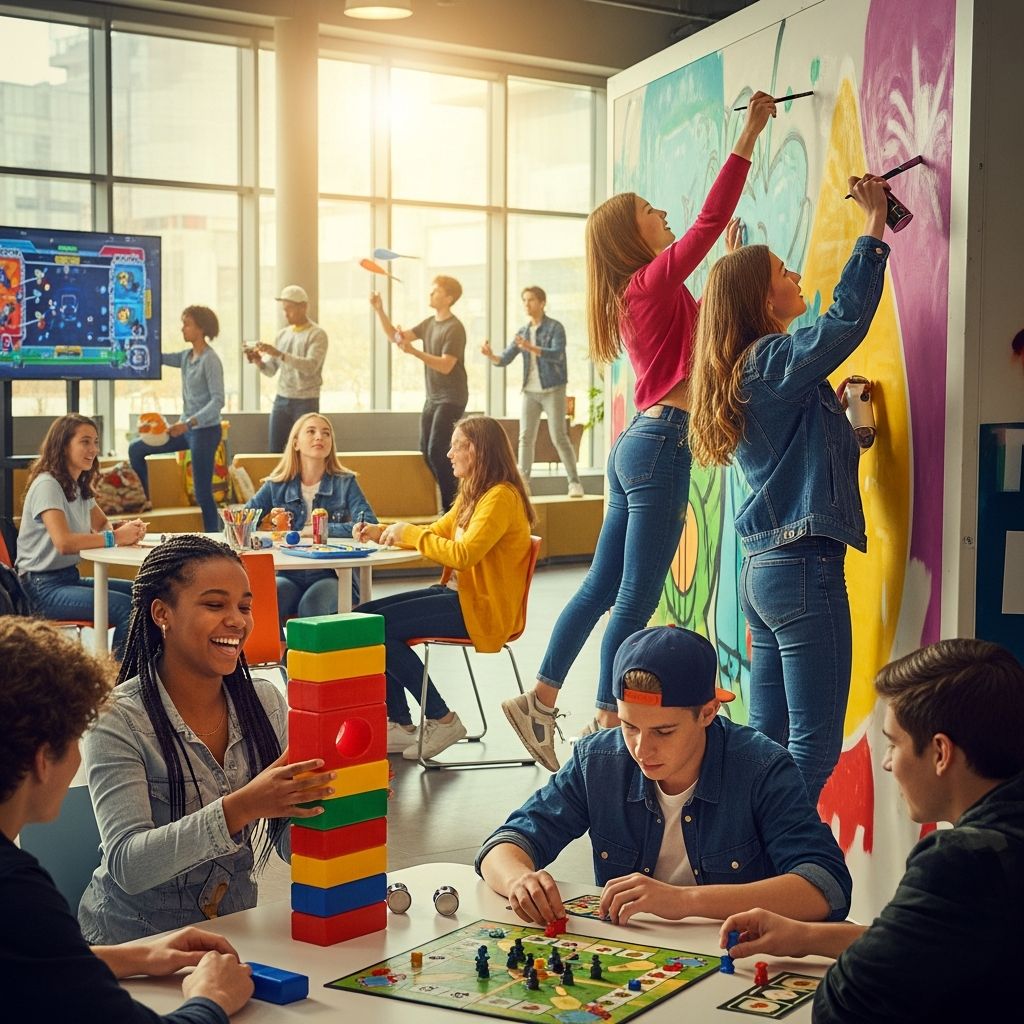
Play evolves significantly during adolescence, shifting from simple games to more complex, self-directed pursuits that mirror real-world challenges. This transformation supports profound growth across cognitive, emotional, and social domains, equipping teens with tools for adulthood.
The Science Behind Play in Adolescent Brain Development
Adolescence marks a period of rapid neural restructuring, where playful activities strengthen connections in brain regions governing learning, memory, and decision-making. Deep engagement in enjoyable pursuits enhances cognitive flexibility, allowing teens to process information more efficiently and adapt to new situations.
Research underscores that unstructured play reduces cortisol levels, mitigating stress while promoting neuroplasticity. For instance, activities involving strategy or creativity activate the prefrontal cortex, fostering executive functions like planning and impulse control. Physical play further bolsters cardiovascular health and coordination, laying foundations for lifelong fitness.
Cognitive Gains: Sharpening Minds Through Fun
- Problem-Solving Prowess: Games like chess or robotics challenges compel teens to anticipate outcomes, test hypotheses, and iterate solutions, mirroring professional problem-solving.
- Memory and Focus Enhancement: Role-playing scenarios or building projects demand sustained attention and recall, improving academic performance indirectly.
- Creative Innovation: Open-ended hobbies such as art or invention encourage divergent thinking, vital for future careers in dynamic fields.
These benefits extend beyond immediate fun; they cultivate a mindset of curiosity that persists into higher education and work.
Emotional Fortress: Building Resilience Amid Pressures
Teens navigate intense academic, social, and identity pressures. Play acts as a natural regulator, releasing endorphins that combat anxiety and depression. Through imaginative outlets, adolescents process complex feelings safely, developing empathy and self-awareness.
Group dynamics in team sports or collaborative games teach frustration tolerance and recovery from setbacks, essential for mental toughness. Parents observe reduced mood swings when teens prioritize recreational time, highlighting play’s role in emotional equilibrium.
Social Bridges: Forging Connections That Last
Interactive play dismantles barriers, promoting authentic interactions. Whether negotiating rules in a board game or coordinating in sports, teens hone communication, teamwork, and conflict resolution skills.
Family-inclusive activities deepen bonds, countering the typical teen-parent disconnect. Shared laughter over a DIY craft or hike creates trust, opening channels for deeper conversations. Peer play fosters belonging, crucial during identity formation.
Modern Manifestations of Teen Play
Contemporary play diverges from childhood forms, embracing digital and hybrid experiences:
| Play Type | Examples | Key Benefits |
|---|---|---|
| Physical | Rock climbing, team sports, cycling | Builds strength, discipline, confidence |
| Creative | Drama, music composition, photography | Sparks imagination, emotional expression |
| Intellectual | Strategy games, coding projects, puzzles | Enhances logic, innovation |
| Social | Volunteering, group gaming, cooking clubs | Strengthens relationships, empathy |
| Solo | Reading, model building, journaling | Promotes independence, reflection |
These diverse options ensure every teen finds resonance, preventing burnout from overscheduled lives.
Parental Playbook: Strategies to Ignite Joy
Parents hold pivotal influence in normalizing play. Start by observing interests without judgment—support a passion for astronomy as readily as soccer. Allocate ‘productive free time’ post-responsibilities, framing it as essential recharge.
- Model Enthusiasm: Join activities willingly, letting teens lead to build autonomy.
- Diversify Options: Introduce novel pursuits like birdwatching or robotics kits to broaden horizons.
- Create Safe Spaces: Designate home zones for group hangouts, stocked with games and snacks, becoming ‘the house’ for friends.
- Family Rituals: Schedule weekly play dates, using tools like Venn diagrams to align preferences.
- Encourage Downtime: Embrace idle summers for self-discovery, curbing screen dominance with outdoor invites.
Validation amplifies engagement; celebrate efforts to instill confidence.
Overcoming Barriers to Play in Busy Lives
Schedules overflow with school, extracurriculars, and screens, sidelining play. Counter this by prioritizing it as non-negotiable, akin to sleep. Limit structured commitments to allow spontaneity, reminding teens play prevents exhaustion.
Digital distractions compete fiercely. Guide toward balanced tech use—gaming with friends counts as social play if moderated. Community resources like clubs offer accessible entry points.
Long-Term Horizons: Play as Lifelong Asset
Investing in teen play yields dividends: resilient graduates, innovative professionals, empathetic leaders. It instills lifelong learning habits, where curiosity trumps rote tasks. Homeschoolers integrate play seamlessly, blurring education and enjoyment for holistic growth.
Societal shifts demand adaptable minds; play hones precisely these traits, preparing teens for uncertainty.
Frequently Asked Questions
What if my teen resists play suggestions?
Respect their autonomy—propose options casually, emphasizing choice. Shared interests often bridge gaps naturally.
How much play time is ideal weekly?
Aim for 5-10 hours of varied, enjoyable activities, balancing with duties for optimal recharge.
Does video gaming qualify as beneficial play?
Yes, when social or strategic; it builds teamwork and cognition, but pair with physical pursuits.
Can play help with teen mental health issues?
Absolutely—it reduces stress and builds coping skills, complementing professional support.
How to involve reluctant family members?
Start small with low-pressure fun, highlighting mutual enjoyment to build momentum.
References
- Benefits of Keeping It Playful With Teens — Raising Lifelong Learners. 2023. https://raisinglifelonglearners.com/benefits-of-keeping-it-playful-with-teens/
- Deep Play Helps Teenagers Learn — Coachbit. 2023. https://coachbit.com/the-parent-bit/deep-play-helps-teenagers-learn
- Play Needs to be a Part of a Teenager’s Day — Heart Focus Parenting. 2017-10. https://belindaletchford.com/2017/10/play-for-teenagers/
- Why the Importance of Play in Child Development Matters — Commonwealth Pediatrics. 2023. https://commonwealthpeds.com/the-importance-of-play-in-child-development/
- Want your home to be ‘the house’ for your teens? — Upworthy. 2023. https://www.upworthy.com/teen-hangout-ex1