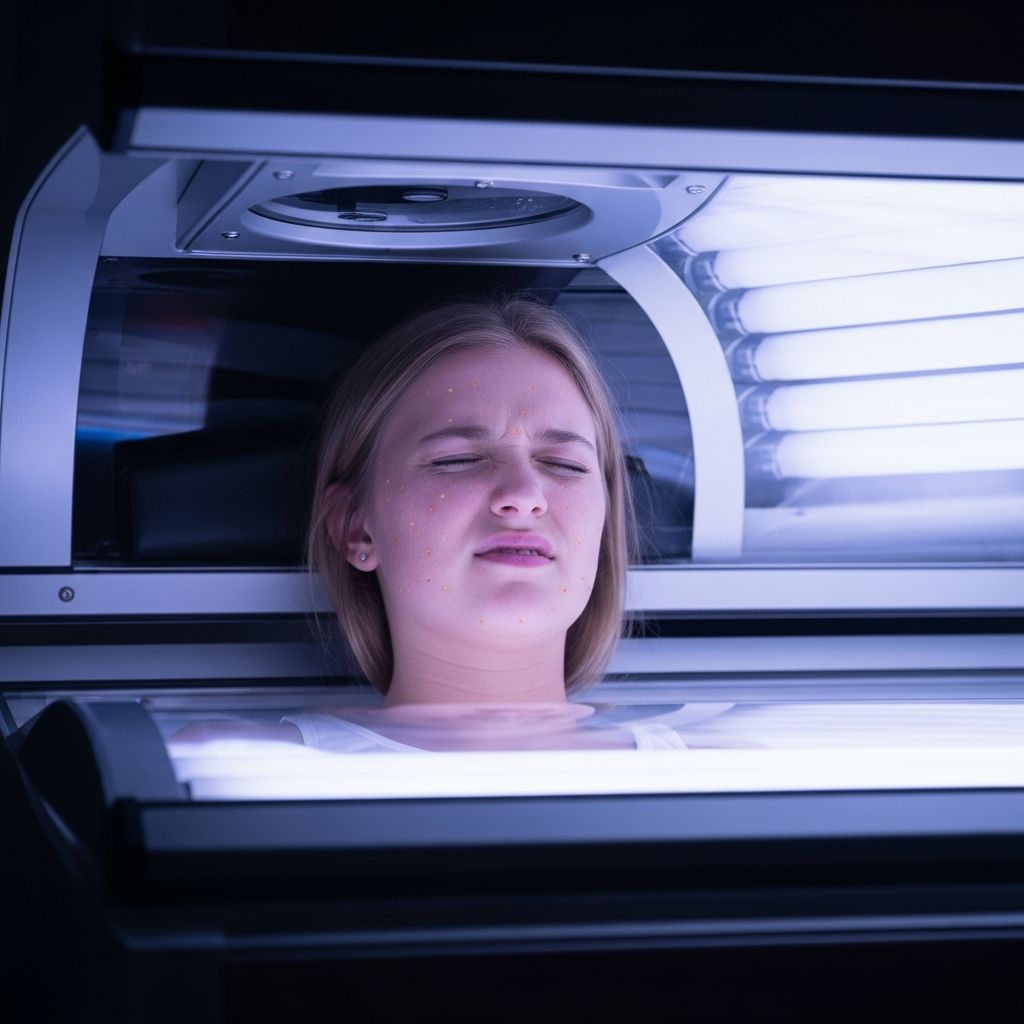
Indoor tanning devices expose young skin to intense ultraviolet radiation, dramatically elevating the risk of skin cancer and other health issues, particularly for those under 35 who start early.
The Allure and Hidden Perils of Indoor Tanning
Teenagers often chase a sun-kissed look influenced by social media trends and peer pressure, but tanning beds deliver concentrated UV rays far more potent than midday sun exposure. This artificial glow comes at a steep cost: cumulative skin damage that accumulates invisibly with each session, leading to long-term consequences like wrinkles, leathery texture, and heightened cancer vulnerability.
Social platforms amplify the trend, with influencers promoting tanning hacks that normalize risky behaviors among youth. Despite warnings, many teens underestimate the dangers, believing occasional use is harmless—a myth debunked by research showing no safe threshold for UV overexposure.
Understanding UV Radiation and Skin Damage
Ultraviolet A (UVA) and UVB rays from tanning beds penetrate deep into the skin, breaking down collagen, mutating DNA, and triggering inflammation. Unlike natural sunlight, which varies in intensity, tanning beds emit up to 15 times more UVA, accelerating damage in minutes.
- DNA Mutations: UV rays alter genetic material, fostering cancerous cell growth, with melanoma risk surging 75% for first-time users before age 35.
- Premature Aging: Repeated exposure degrades elastin, causing sagging, spots, and fine lines years ahead of schedule.
- Eye Harm: Without proper goggles, users face cataracts and retinal damage from unfiltered rays.
Teens’ skin, thinner and faster-repairing superficially, absorbs more radiation, amplifying these effects.
Skin Cancer Risks Amplified in Youth
Melanoma, the deadliest skin cancer, strikes young adults increasingly, ranking as the second most common cancer in females aged 15-29. Indoor tanning before 30 raises melanoma odds by 75%, squamous cell by 67%, and basal cell by significant margins.
| Cancer Type | Risk Increase from Tanning Beds | Key Impact on Teens |
|---|---|---|
| Melanoma | 75% if started before 35 | Spreads to organs; leading killer in young adults |
| Squamous Cell Carcinoma | 67% overall | Common in prolonged users; disfiguring |
| Basal Cell Carcinoma | 69% before age 40 | Preventable; linked to early tanning |
One session can elevate basal cell risk, and 10+ sessions before 30 multiply melanoma chances sixfold. Burns during tanning, reported by many youth, further spike dangers.
Beyond Cancer: Immune and Addiction Effects
UV overload suppresses immunity, impairing infection resistance and vaccine efficacy. Tanning triggers endorphin release, fostering addiction akin to opioids, with users craving the high despite known perils.
Associated behaviors compound risks: indoor tanners show higher rates of binge drinking, smoking, unsafe sex, and suicidal ideation. Vitamin D myths persist—no meaningful boost occurs from beds, unlike safe supplementation.
Why Teens Face Greater Vulnerability
Young skin repairs surface damage quickly but accrues deep mutations silently. Females, primary users, drive rising melanoma in young women, tied to teen initiation and prolonged habits. Starting young means decades of compounded exposure, explaining FDA pushes for under-18 bans.
Industry targets youth with prom specials, downplaying risks with false safety claims. States like New Jersey restrict under-17 use, yet enforcement lags.
Debunking Common Tanning Myths
- Myth: Tanning beds are safer than sun. Fact: They concentrate stronger UVA doses faster.
- Myth: Occasional use is fine. Fact: Every exposure damages DNA; no safe level exists.
- Myth: Base tans protect skin. Fact: They offer minimal SPF (around 3) and still harm.
- Myth: Modern beds are low-risk. Fact: All emit carcinogenic UV; WHO classifies them as known carcinogens.
Legal Measures and Parental Strategies
The FDA recommends under-18 bans and adult waivers, recognizing universal risks but youth’s heightened susceptibility. Parents should monitor usage, discuss social media influences, and advocate for restrictions.
Educate on self-exams: Check for asymmetrical moles, irregular borders, color variations, diameter over 6mm, or evolving spots (ABCDE rule).
Safe Alternatives for a Healthy Glow
Opt for self-tanning lotions, sprays, or mousses—they color skin topically without UV harm. Broad-spectrum SPF 30+ daily, UPF clothing, hats, and shade protect naturally.
- Choose DHA-based self-tanners for even, streak-free results.
- Exfoliate pre-application for longevity.
- Hydrate skin post-tan to maintain glow.
- Combine with makeup bronzers for instant effects.
Vitamin D from diet (fish, fortified milk) or supplements suffices without risks.
Frequently Asked Questions
Are tanning beds regulated enough for teens?
No—while some states ban under-18 use, federal guidelines urge stronger measures due to proven cancer links.
Can one tanning session hurt?
Yes—even single uses raise basal cell risk and contribute to cumulative DNA damage.
Do tanning beds help with acne or mood?
No; they worsen skin conditions and offer temporary endorphin boosts that lead to addiction.
How can parents talk to teens about tanning risks?
Use facts from trusted sources, share real stories, and demonstrate safe alternatives together.
Is melanoma reversible if caught early?
Yes—early detection via self-exams and dermatologist visits improves outcomes dramatically.
Empowering Teens for Lifelong Skin Health
Shift focus from risky tans to radiant, protected skin through education and habits. Parents play a pivotal role in countering trends, fostering confidence beyond appearance. Regular check-ups and avoidance yield cancer-free futures.
References
- The Rising Trend of Teen Tanning and Its Dangerous Health Risks — Skin Cancer Institute. 2023. https://www.skcin.org/news/the-rising-trend-of-teen-tanning-and-its-dangerous-health-risks/
- The Hidden Dangers of Tanning Beds — Children’s Wisconsin. 2026-01. https://childrenswi.org/at-every-turn/stories/2026/01/tanning-bed-dangers
- Drawing the Line on Tanning Bed Use by Teens — Rutgers Cancer Institute of New Jersey. N/A. https://cinj.org/drawing-line-tanning-bed-use-teens
- Just the Facts: Teens and the Dangers of Indoor Tanning — Prevent Cancer Foundation. 2016-06-15. https://www.fightcancer.org/sites/default/files/FINAL%20-%20Just%20the%20Facts%20-%20Teens%20and%20Indoor%20Tanning%2006.15.16.pdf
- False and Misleading Health Information Provided to Teens by the Indoor Tanning Industry — National Dermatology Nurse Association. 2012. https://www.dnanurse.org/sites/default/files/downloads/2012/Tanning%20Investigation%20Report%202.1.12.pdf