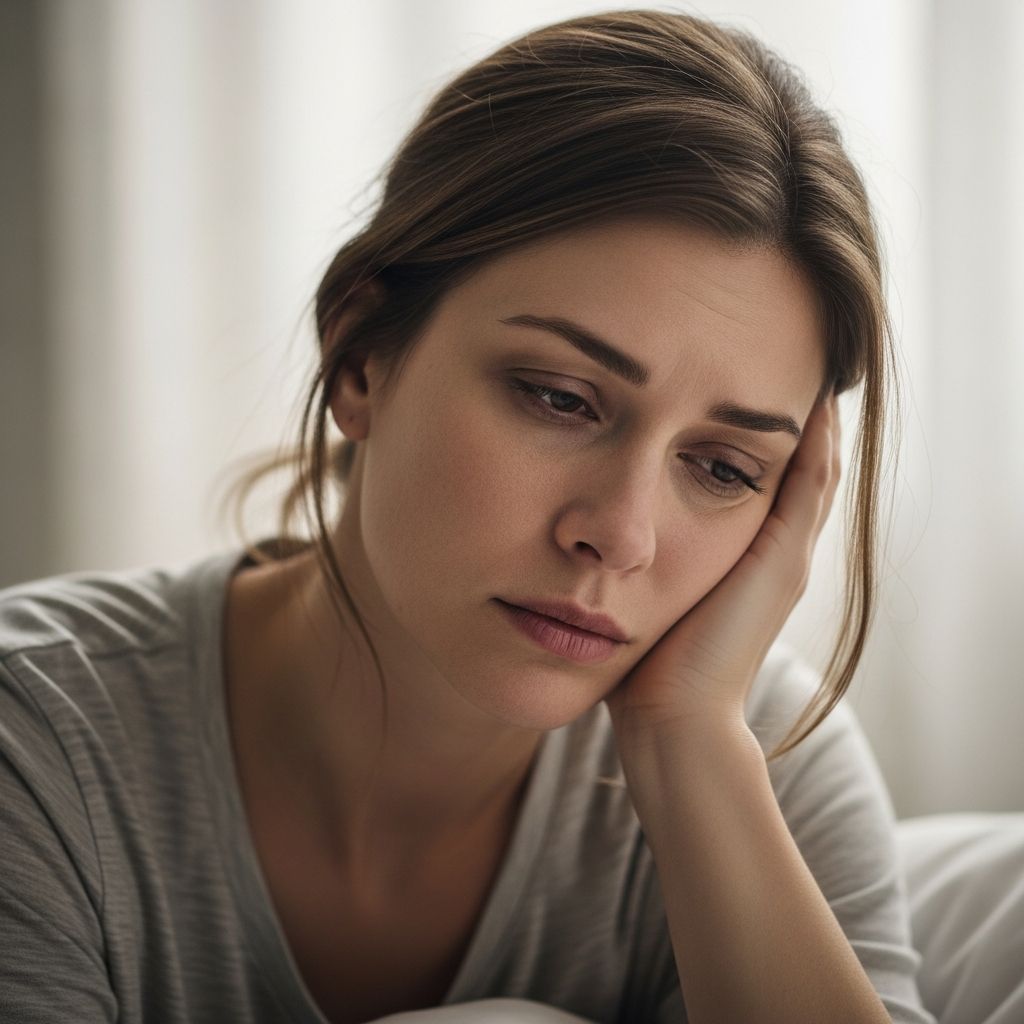
Women consistently report higher levels of daytime fatigue, brain fog, and irritability compared to men, a disparity rooted in the gender sleep divide. This phenomenon reveals that while women might log slightly more hours in bed, their rest is often interrupted and less rejuvenating, leading to chronic exhaustion particularly among mothers.
Biological Foundations of Unequal Rest
The human body regulates sleep through complex interactions between the brain, hormones, and environment, but these processes differ markedly by gender. Women’s sleep architecture— the structure of sleep stages including deep restorative phases—tends to be more vulnerable to disruptions. Research indicates women take longer to initiate sleep and experience more frequent awakenings, resulting in lighter, fragmented nights.
Hormonal cycles amplify this vulnerability. Estrogen and progesterone, which fluctuate across menstrual phases, pregnancy, and menopause, directly influence sleep depth and continuity. Higher estrogen in the follicular phase promotes deeper sleep, while drops later in the cycle lead to restlessness. A twofold rise in insomnia risk post-puberty underscores this, with additional spikes during reproductive transitions.
Hormonal Rollercoaster: From Cycle to Menopause
Women’s lives are punctuated by hormonal shifts that men rarely encounter. During the luteal phase post-ovulation, declining progesterone hinders sleep onset and maintenance. Pregnancy introduces further challenges: elevated hormones, physical discomfort, and conditions like restless legs syndrome plague up to 25% of expectant mothers, doubling sleep apnea risks.
Postpartum recovery compounds the issue. Breastfeeding disrupts circadian rhythms, while perimenopause brings hot flashes and night sweats affecting 37% of women due to hormone-related conditions. Younger women (18-24) lose sleep to PMS at rates of 23%, dropping slightly but persisting through life stages. These biological realities create a lifelong pattern of disrupted rest, independent of lifestyle choices.
| Life Stage | Hormonal Factor | Sleep Disruption |
|---|---|---|
| Menstrual Cycle | Progesterone drop | Harder to fall/stay asleep |
| Pregnancy | Estrogen surge | Sleep apnea, restless legs |
| Postpartum | Oxytocin/prolactin | Frequent night wakings |
| Menopause | Estrogen decline | Hot flashes, insomnia |
The Invisible Burden: Mental Load and Caregiving
Beyond biology, societal structures perpetuate the sleep divide. Women bear disproportionate mental load—the cognitive effort of planning, anticipating, and managing family needs. Even in dual-income homes, mothers handle nighttime caregiving twice as often as fathers (12% vs. 6%), leading to habitual awakenings.
This extends to rumination: women lie awake worrying about dependents, finances, and chores. Stress activates the sympathetic nervous system, elevating cortisol and fragmenting sleep. Mothers with children lose sleep over caregiving worries three times more than non-parents, exacerbating anxiety cycles where poor sleep fuels mental health issues and vice versa.
- 39% of women report brain fog vs. 26% men
- 42% experience irritability vs. 32% men
- Women 40% more likely to be diagnosed with insomnia
Real-World Consequences for Mothers
Mothers epitomize the sleep divide’s toll. Studies show they feel tired 14 more days per month than childless women, with fragmented sleep from family dynamics. Working mothers juggle careers and home, sacrificing rest to meet ‘superwoman’ ideals, leading to burnout, reduced productivity, and career setbacks.
Daytime repercussions include heightened accident risks, impaired cognition, and strained relationships. Chronic sleep debt weakens immunity, elevates cardiovascular risks, and intensifies mood disorders—issues compounded for women already prone to anxiety (51% vs. 42% men).
Bridging the Divide: Evidence-Based Strategies
Addressing the gender sleep divide requires multifaceted approaches. Prioritize sleep hygiene: consistent bedtimes, cool/dark environments, and limiting screens. Hormonal management, like tracking cycles or consulting gynecologists for perimenopause, can mitigate disruptions.
Share the load equitably. Partners dividing nighttime duties reduces maternal interruptions. Cognitive strategies combat rumination: journaling or mindfulness before bed lowers cortisol. For severe cases, cognitive behavioral therapy for insomnia (CBT-I) proves effective, with 70-80% improvement rates.
- Delegate tasks to lighten mental load
- Exercise earlier in the day to enhance sleep depth
- Seek medical evaluation for apnea or RLS
- Use relaxation apps for pre-sleep wind-down
Frequently Asked Questions
Why do women sleep less restoratively than men?
Fragmented sleep from hormones, caregiving, and stress results in lighter sleep stages, despite similar or longer duration.
Can the mental load really prevent sleep?
Yes, constant worry activates stress hormones, delaying sleep onset and causing mid-night awakenings.
How does motherhood widen the sleep gap?
Mothers wake more for children and ruminate on responsibilities, reporting exhaustion 3x more than non-parents.
Are there treatments for hormonal sleep issues?
Hormone therapy, lifestyle adjustments, and CBT-I target cycle-related disruptions effectively.
Does better sleep equity improve health outcomes?
Absolutely—shared responsibilities and interventions reduce fatigue, anxiety, and long-term health risks.
Long-Term Implications and Societal Shifts
The gender sleep divide isn’t just personal; it’s a public health crisis. Poor sleep contributes to gender disparities in workforce participation, with exhausted women facing higher burnout and attrition rates. Policymakers advocate for parental leave reforms and workplace flexibility to normalize shared caregiving.
Emerging research calls for gender-specific sleep studies, moving beyond one-size-fits-all advice. As awareness grows, destigmatizing women’s sleep complaints empowers change—from intimate partnerships to broader equality.
Ultimately, closing this divide demands recognition: women’s exhaustion is neither imagined nor laziness, but a symptom of intertwined biology and inequality. Targeted actions promise healthier, more equitable futures.
References
- Always tired? The gender sleep gap might explain why — Australian Women’s Weekly. 2026. https://www.womensweekly.com.au/health/gender-sleep-gap/
- The Sleep Gender Gap: Nighttime Disparities Between Women and Men — Sleep Foundation. 2023. https://www.sleepfoundation.org/sleep-news/the-sleep-gender-gap-nighttime-disparities-between-women-and-men
- Exploring Gender Difference in Sleep Quality of Young Adults — PMC (National Library of Medicine). 2017-02-15. https://pmc.ncbi.nlm.nih.gov/articles/PMC5302457/